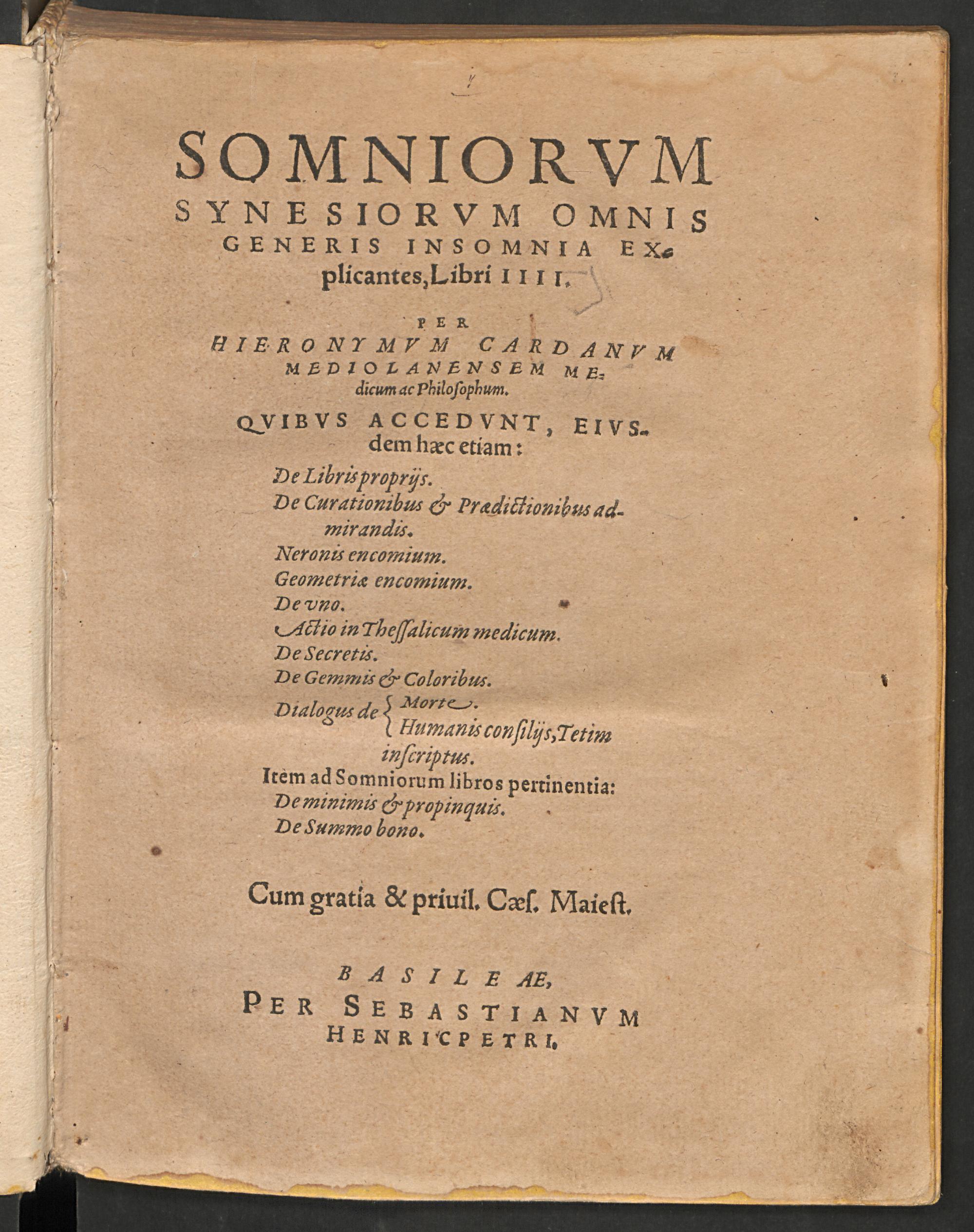
The Last Supper, after Leonardo da Vinci, Rembrandt (Rembrandt van Rijn)

And whilst they were eating, he said: Amen I say to you, that one of you…Matthew 26:21

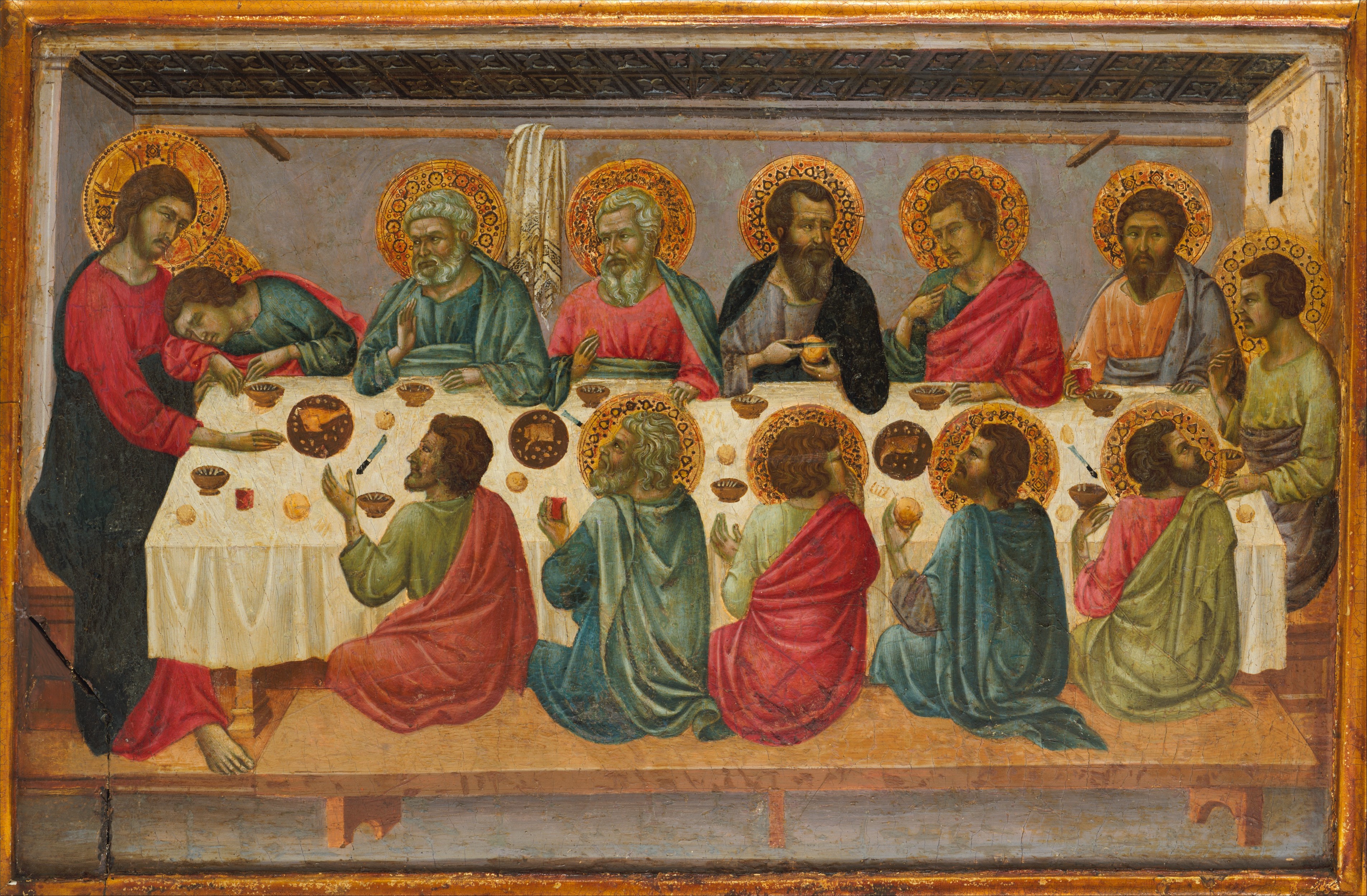
  1. The Last Supper, Ugolino da Siena (Ugolino di Nerio)ca. 1325Ugolino da Siena (Ugolino di Nerio)
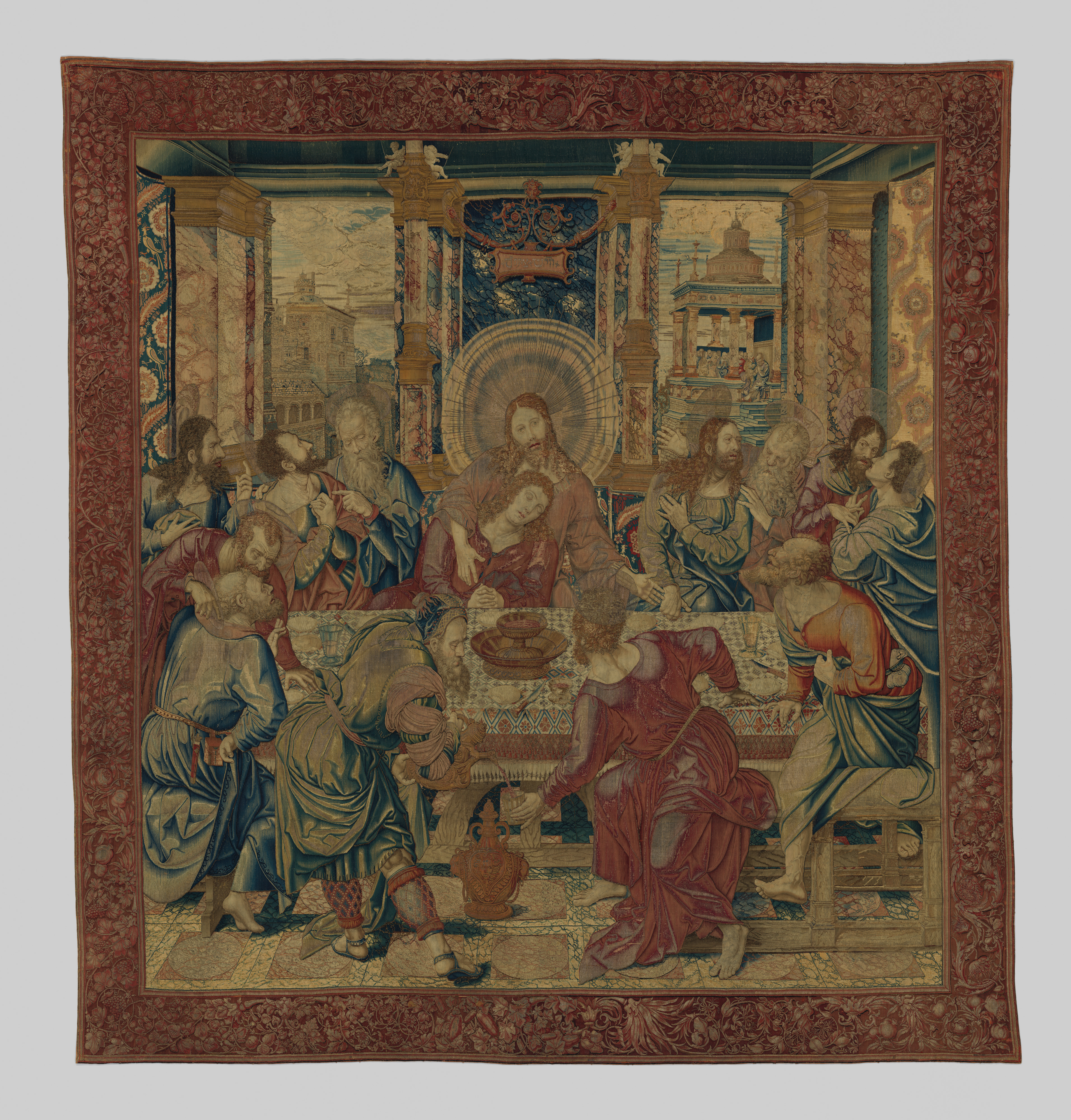
  2. The Last Supper, Bernard van Orleyca. 1525–28Bernard van Orley
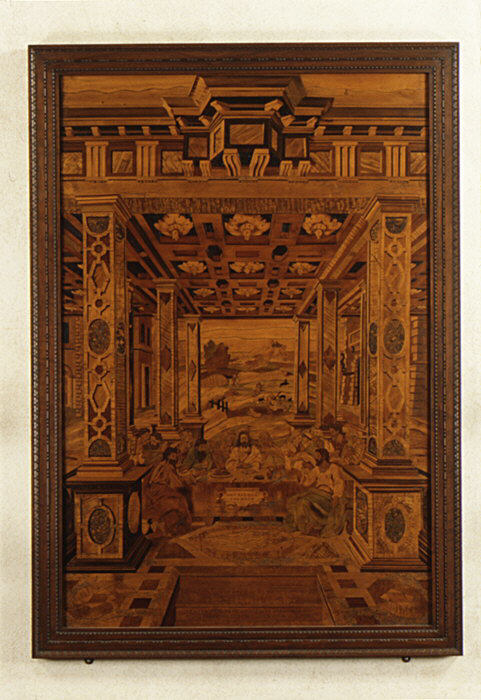
  3. The Last Supper, Fra Damiano da Bergamo (Damiano di Antoniolo de Zambelli)1548Fra Damiano da Bergamo (Damiano di Antoniolo de Zambelli)
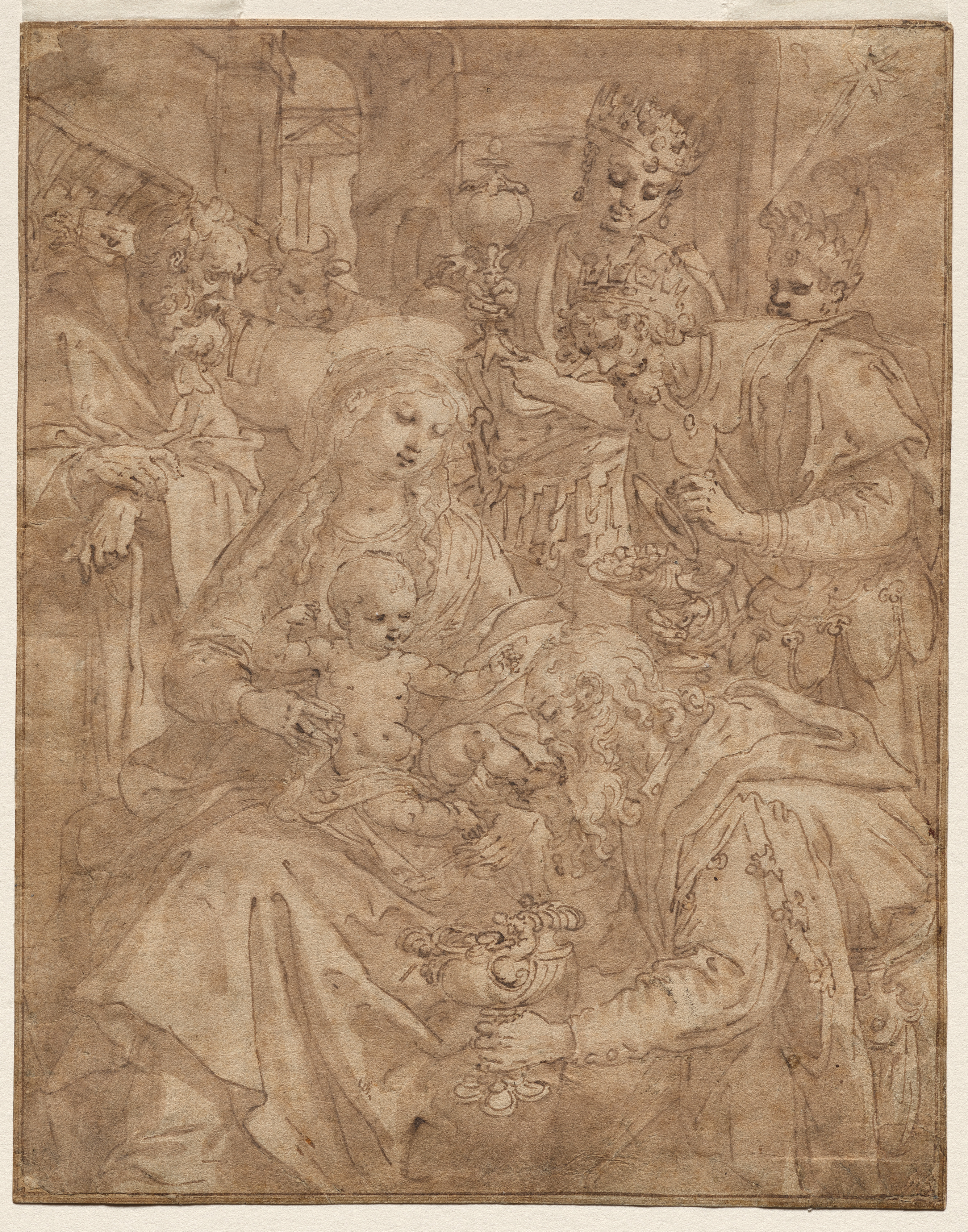
  4. The Last Supper, after Leonardo da Vinci, Rembrandt (Rembrandt van Rijn)1634–35Rembrandt (Rembrandt van Rijn)This record

What it depicts

Matthew 26:21-35Opened by a notation lookup, not by an editor. Iconclass 73D24 glosses this subject as “Last Supper (in general) (Matthew 26:21-35; Mark 14:18-31; Luke 22:3, 22:15-23; John 13:21-38)”, and this library reads the Douay-Rheims, where the passage stands at Matthew 26:21-35. Iconclass states 4 references for this subject; the first one this corpus holds is used.

21And whilst they were eating, he said: Amen I say to you, that one of you is about to betray me.

22And they being very much troubled, began every one to say: Is it I, Lord?

23But he answering, said: He that dippeth his hand with me in the dish, he shall betray me.

24The Son of man indeed goeth, as it is written of him: but woe to that man by whom the Son of man shall be betrayed: it were better for him, if that man had not been born.

25And Judas that betrayed him, answering, said: Is it I, Rabbi? He saith to him: Thou hast said it.

26And whilst they were at supper, Jesus took bread, and blessed, and broke: and gave to his disciples, and said: Take ye, and eat. This is my body.

27And taking the chalice, he gave thanks, and gave to them, saying: Drink ye all of this.

28For this is my blood of the new testament, which shall be shed for many unto remission of sins.

29And I say to you, I will not drink from henceforth of this fruit of the vine, until that day when I shall drink it with you new in the kingdom of my Father.

30And a hymn being said, they went out unto mount Olivet.

31Then Jesus said to them: All you shall be scandalized in me this night. For it is written: I will strike the shepherd, and the sheep of the flock shall be dispersed.

32But after I shall be risen again, I will go before you into Galilee.

33And Peter answering, said to him: Although all shall be scandalized in thee, I will never be scandalized.

34Jesus said to him: Amen I say to thee, that in this night before the cock crow, thou wilt deny me thrice.

35Peter saith to him: Yea, though I should die with thee, I will not deny thee. And in like manner said all the disciples.

Read it in Matthew


Seen

Not yet checked

Suggested by an AI model, 2026-09-08 (hf.co/mradermacher/iconclass-vlm-GGUF:Q4_K_M), asked “Generate Iconclass labels for this image”. No one has checked these against the picture yet.

Iconclass
12B634E22

Of

The subjects are the library’s own joins, each marked with who made it. The other rows are claims by the holder and by Wikidata, read 2026-09-04, and join nothing until an editor confirms them.

Subject
Last Supper (in general)Matthew 26:21-35joined by Abe Garcia
Iconclass
73D24Last Supper (in general)
Holder's headings
Christ, Last Supper
Wikidata depicts
Last Supper, Christ

Means

No reading yet.


Rights

Credit
Robert Lehman Collection, 1975
Licence
CC0-1.0
Evidence
metmuseum.org collection api v1: isPublicDomain=true on object 459194 (read 2026-08-27)
Record
https://www.metmuseum.org/art/collection/search/459194
The Last Supper, after Leonardo da Vinci, Rembrandt (Rembrandt van Rijn)
The Last Supper, after Leonardo da Vinci — Rembrandt (Rembrandt van Rijn)1634–35

How this join was made

Metropolitan Museum of Art, New York, NY gives this object the Iconclass notation73D24, and the library's map reads that notation as Matthew 26:21-35. An editor has checked the picture against the passage and confirmed it.

Rembrandt drawing after Leonardo's wall painting. A copy is still a depiction of the supper, and the record says whose composition it is.

Also by Rembrandt (Rembrandt van Rijn)

8
Portrait of a Young Woman with a Fan, Rembrandt (Rembrandt van Rijn)
Portrait of a Young Woman with a FanRembrandt (Rembrandt van Rijn)1633Metropolitan Museum of Art, New York, NY
Herman Doomer (ca. 1595–1650), Rembrandt (Rembrandt van Rijn)
Herman Doomer (ca. 1595–1650)Rembrandt (Rembrandt van Rijn)1640Metropolitan Museum of Art, New York, NY
The Toilet of Bathsheba, Rembrandt (Rembrandt van Rijn)
The Toilet of BathshebaRembrandt (Rembrandt van Rijn)1643Metropolitan Museum of Art, New York, NY
Cottage near the Entrance to a Wood, Rembrandt (Rembrandt van Rijn)
Cottage near the Entrance to a WoodRembrandt (Rembrandt van Rijn)1644Metropolitan Museum of Art, New York, NY
Cottage among Trees, Rembrandt (Rembrandt van Rijn)
Cottage among TreesRembrandt (Rembrandt van Rijn)ca. 1650Metropolitan Museum of Art, New York, NY
Flora, Rembrandt (Rembrandt van Rijn)
FloraRembrandt (Rembrandt van Rijn)ca. 1654Metropolitan Museum of Art, New York, NY
Aristotle with a Bust of Homer, Rembrandt (Rembrandt van Rijn)
Aristotle with a Bust of HomerRembrandt (Rembrandt van Rijn)1653Metropolitan Museum of Art, New York, NY
Reclining Female Nude, Rembrandt (Rembrandt van Rijn)
Reclining Female NudeRembrandt (Rembrandt van Rijn)1658Metropolitan Museum of Art, New York, NY

Within fifty years of 1634–35

983
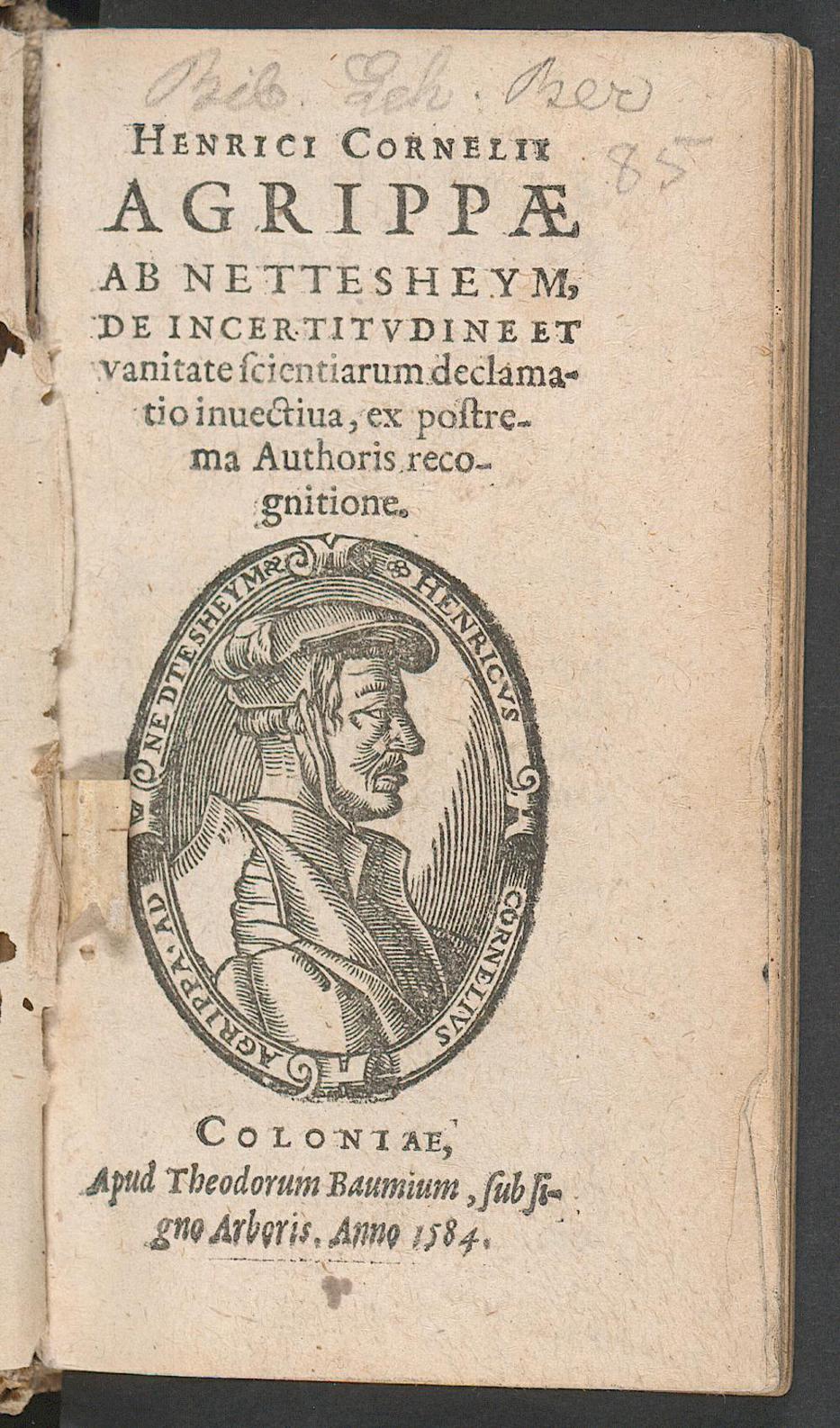
Henrici Cornelii Agrippae ab Nettesheym De incertitudine et vanitate scientiarum declamatio invectiva, ex postrema authoris recognitione, Agrippa von Nettesheim, Heinrich Cornelius
Henrici Cornelii Agrippae ab Nettesheym De incertitudine et vanitate scientiarum declamatio invectiva, ex postrema authoris recognitioneAgrippa von Nettesheim, Heinrich Cornelius1584Stiftung der Werke von C.G.Jung, Zürich
The Sacrifice of Isaac, Paolo Veronese
The Sacrifice of IsaacPaolo Veronese1585Museo del Prado
Kichik Beg Wounded during Babur's Attack on Qalat, from a copy of the Baburnama (Book of Babur), Mughal
Kichik Beg Wounded during Babur's Attack on Qalat, from a copy of the Baburnama (Book of Babur)Mughalc. 1590The Art Institute of Chicago
Lovers parting, page from a book of fables, Unknown
Lovers parting, page from a book of fablesUnknownc. 1590–95Cleveland Museum of Art
Calligraphy: Preface to the Anvar-i Suhaili, Unknown
Calligraphy: Preface to the Anvar-i SuhailiUnknownc. 1590Cleveland Museum of Art
Adoration of the Magi, Maarten de Vos (Flemish, 1532–1603)
Adoration of the MagiMaarten de Vos (Flemish, 1532–1603)c. 1590Cleveland Museum of Art
Somniorum synesiorum omnis generis insomnia explicantes, libri IIII : quibus accedunt, eiusdem haec etiam De libris propriis ... ; De curationibus et praedictionibus admirandis ; Neronis encomium ; Geometriae encomium, Cardano, Girolamo
Somniorum synesiorum omnis generis insomnia explicantes, libri IIII : quibus accedunt, eiusdem haec etiam De libris propriis ... ; De curationibus et praedictionibus admirandis ; Neronis encomium ; Geometriae encomiumCardano, Girolamo1585Stiftung der Werke von C.G.Jung, Zürich
Sculptura in Aes, The Workshop of an Engraver, Jan van der Straet, called Johannes Stradanus (Netherlandish, active Italy, 1523–1605); Philip Galle (Flemish, 1537–1612); Philip Galle (Flemish, 1537–1612)
Sculptura in Aes, The Workshop of an EngraverJan van der Straet, called Johannes Stradanus (Netherlandish, active Italy, 1523–1605); Philip Galle (Flemish, 1537–1612); Philip Galle (Flemish, 1537–1612)c. 1591Cleveland Museum of Art

Also at Metropolitan Museum of Art, New York, NY

676
Marble female figure, Bastis Master
Marble female figureBastis Master2600–2400 BCEMetropolitan Museum of Art, New York, NY
Relief Fragment with a Ship Under Sail, Unknown
Relief Fragment with a Ship Under SailUnknownca. 2465–2458 BCEMetropolitan Museum of Art, New York, NY
Tomb Chapel of Raemkai: South Wall, Unknown
Tomb Chapel of Raemkai: South WallUnknownca. 2446–2389 BCEMetropolitan Museum of Art, New York, NY
West wall of the chapel of the mastaba Kaemsenu with niches for Iretnub, Kaemsenu and Werdjedptah, Unknown
West wall of the chapel of the mastaba Kaemsenu with niches for Iretnub, Kaemsenu and WerdjedptahUnknownca. 2420–2250 BCEMetropolitan Museum of Art, New York, NY
Design amulet, Cow and Calf on the Back, Device showing Antithetical Falcons Flanking an Ankh Sign over a Crouching Lion, Unknown
Design amulet, Cow and Calf on the Back, Device showing Antithetical Falcons Flanking an Ankh Sign over a Crouching LionUnknownca. 2150–2100 B.C.Metropolitan Museum of Art, New York, NY
Design Amulet, Pyramidal Back with Horizontal Piercing, Device showing Two Falcons Flanking what is meant to be an Ankh Sign, Unknown
Design Amulet, Pyramidal Back with Horizontal Piercing, Device showing Two Falcons Flanking what is meant to be an Ankh SignUnknownca. 2150–2010 B.C.Metropolitan Museum of Art, New York, NY
Design Amulet, Cow Nursing Calf and also a Kneeling Suckling Man Visible on Opposite Side on the Back, Device showing Antithetical Falcons with an Ankh Sign over a Lion, Unknown
Design Amulet, Cow Nursing Calf and also a Kneeling Suckling Man Visible on Opposite Side on the Back, Device showing Antithetical Falcons with an Ankh Sign over a LionUnknownca. 2150–2100 B.C.Metropolitan Museum of Art, New York, NY
Design Amulet, Back in the Form of a Woman Suckling a Child, Device showing Two Lizards Head-to-tail, Unknown
Design Amulet, Back in the Form of a Woman Suckling a Child, Device showing Two Lizards Head-to-tailUnknownca. 2100–2080 B.C.Metropolitan Museum of Art, New York, NY

Similar picturesFound by visual likeness

8 pictures

Visual resemblances suggested by the model. A match does not establish a shared subject or historical connection.

Derelict group around a fire, Unknown
Derelict group around a fireUnknown1820–1830Cooper Hewitt, Smithsonian Design Museum
0.88
Tribute Money, after Sir Peter Paul Rubens
Tribute Moneyafter Sir Peter Paul RubensNational Gallery of Art
0.87
Two Sketches for a Wall Mural, Francis Augustus Lathrop, American, 1849–1909
Two Sketches for a Wall MuralFrancis Augustus Lathrop, American, 1849–1909ca. 1895Cooper Hewitt, Smithsonian Design Museum
0.87
Sketch, Exterior Scene with Figures at Work or in Combat, Fortunato Duranti, Italian, 1787 - 1863
Sketch, Exterior Scene with Figures at Work or in CombatFortunato Duranti, Italian, 1787 - 18631820–1850Cooper Hewitt, Smithsonian Design Museum
0.87
Martyrdom of a Saint, Andrea Sacchi, Italian, 1599 – 1661
Martyrdom of a SaintAndrea Sacchi, Italian, 1599 – 166117th centuryCooper Hewitt, Smithsonian Design Museum
0.87
Figural Scene with People Gathered Around a Seated Woman who Reads from Scroll, Felice Giani, Italian, 1758–1823
Figural Scene with People Gathered Around a Seated Woman who Reads from ScrollFelice Giani, Italian, 1758–1823Cooper Hewitt, Smithsonian Design Museum
0.87
Classicized Interior Scene with Virgin and Child (?), Fortunato Duranti, Italian, 1787 - 1863
Classicized Interior Scene with Virgin and Child (?)Fortunato Duranti, Italian, 1787 - 18631820–1850Cooper Hewitt, Smithsonian Design Museum
0.87
Drawing, Felice Giani, Italian, 1758–1823
DrawingFelice Giani, Italian, 1758–1823Cooper Hewitt, Smithsonian Design Museum
0.87

In the stacks

Not yet checked
2

Passages in the library’s own holdings that name this maker. The model ranked them; nobody has checked that the name means this person.

  1. Seven Discourses on Art · Joshua, Sir Reynolds

    By this mode of reasoning Rembrandt has a higher place than Raffaelle. But a very little reflection will serve to show us that these particularities cannot be nature: for how can that be the nature of man, in which no two individuals are the same? It plainly appears that as a work is conducted under the influence of general ideas or partial it is principally to be considered as the effect of a good or a bad taste. As beauty therefore does not consist in taking what lies immediately before
    0.69
  2. principles of art history · heinrich wolfflin

    PAINTING 95 Rembrandt The great Ecce Homo (etching of 1650) is an analogous case. As is known, the schema of the composition dates back to a Cinquecentist, Lucas van Leyden. A house wall and a terrace before it, seen frontally; people who have taken up their stand side by side in rows on and in front of the terrace—how are we to get a baroque picture out of all that? We learn with Rembrandt that it is not the subject but the treatment which matters. While Lucas van Leyden exhausts
    0.68

Connections

Depicts

  • Last Supper (in general)Rembrandt drawing after Leonardo's wall painting. A copy is still a depiction of the supper, and the record says whose composition it is.

Next

Made in the seventeenth century, like The Last Supper, after Leonardo da Vinci.

0:00–0:00