Close Portrait of a Young Woman with a Fan — Rembrandt (Rembrandt van Rijn) 1633
Also by Rembrandt (Rembrandt van Rijn) 8 The Last Supper, after Leonardo da Vinci Rembrandt (Rembrandt van Rijn)1634–35 Metropolitan Museum of Art, New York, NY Herman Doomer (ca. 1595–1650) Rembrandt (Rembrandt van Rijn)1640 Metropolitan Museum of Art, New York, NY The Toilet of Bathsheba Rembrandt (Rembrandt van Rijn)1643 Metropolitan Museum of Art, New York, NY Cottage near the Entrance to a Wood Rembrandt (Rembrandt van Rijn)1644 Metropolitan Museum of Art, New York, NY Cottage among Trees Rembrandt (Rembrandt van Rijn)ca. 1650 Metropolitan Museum of Art, New York, NY Flora Rembrandt (Rembrandt van Rijn)ca. 1654 Metropolitan Museum of Art, New York, NY Aristotle with a Bust of Homer Rembrandt (Rembrandt van Rijn)1653 Metropolitan Museum of Art, New York, NY Reclining Female Nude Rembrandt (Rembrandt van Rijn)1658 Metropolitan Museum of Art, New York, NY
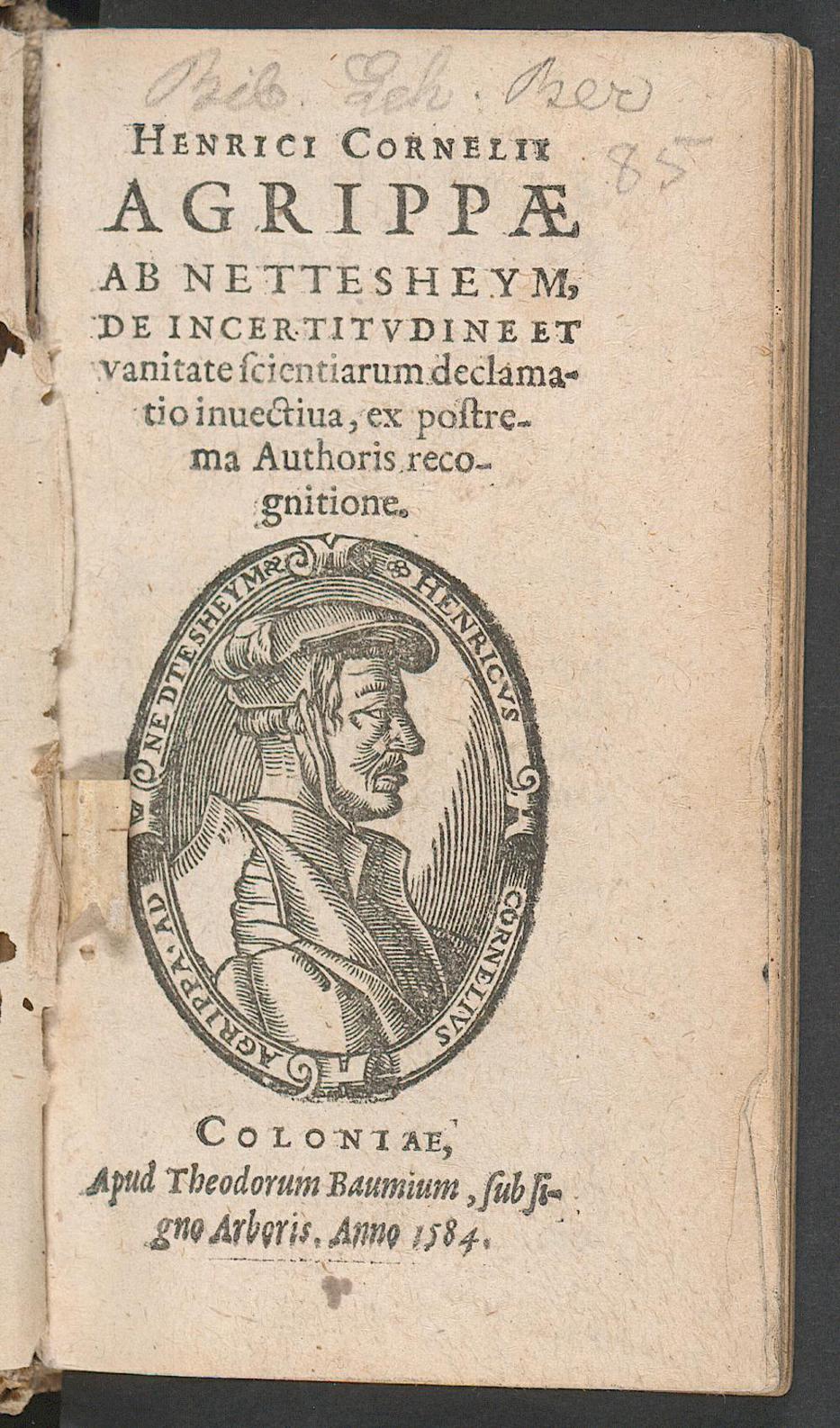
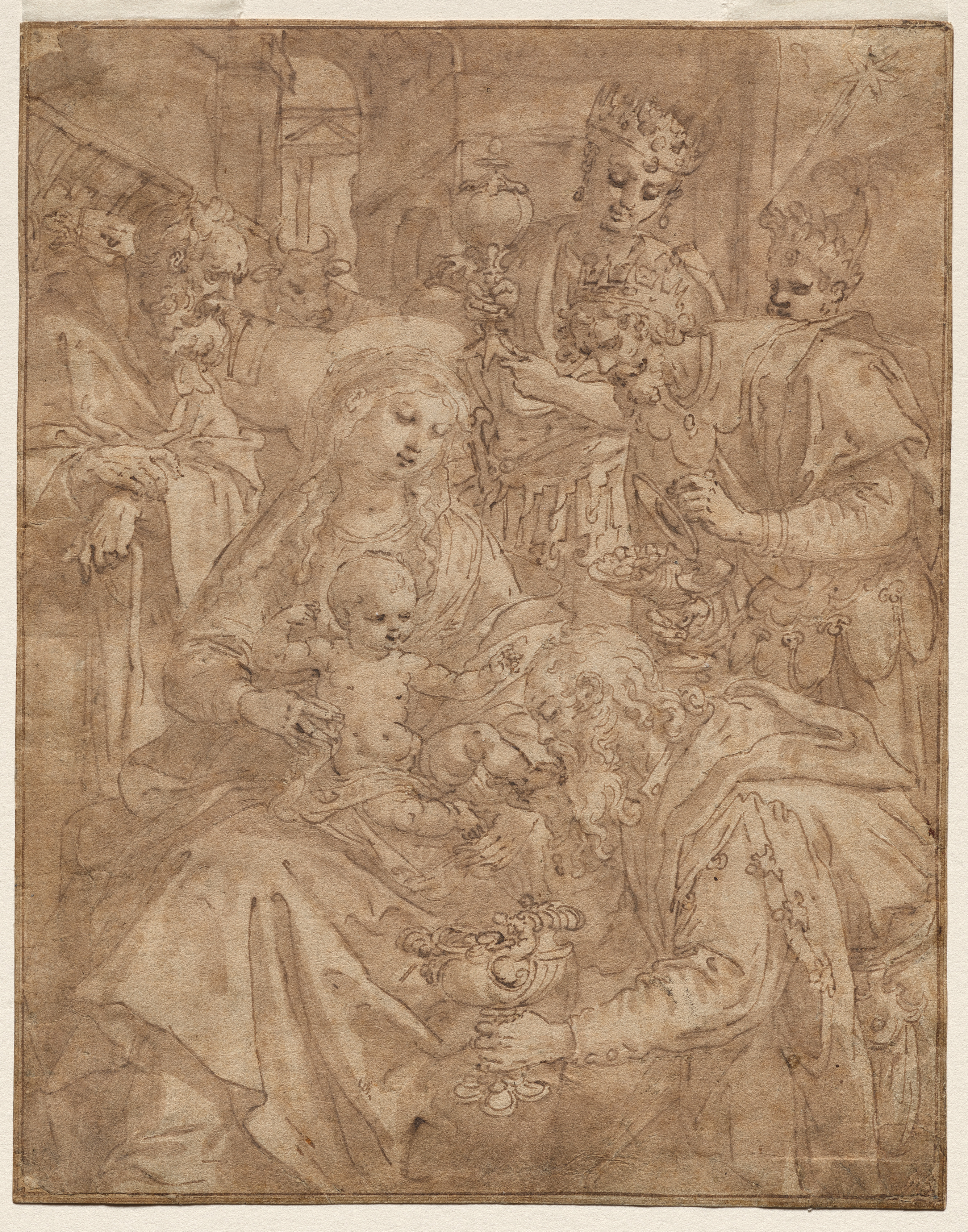
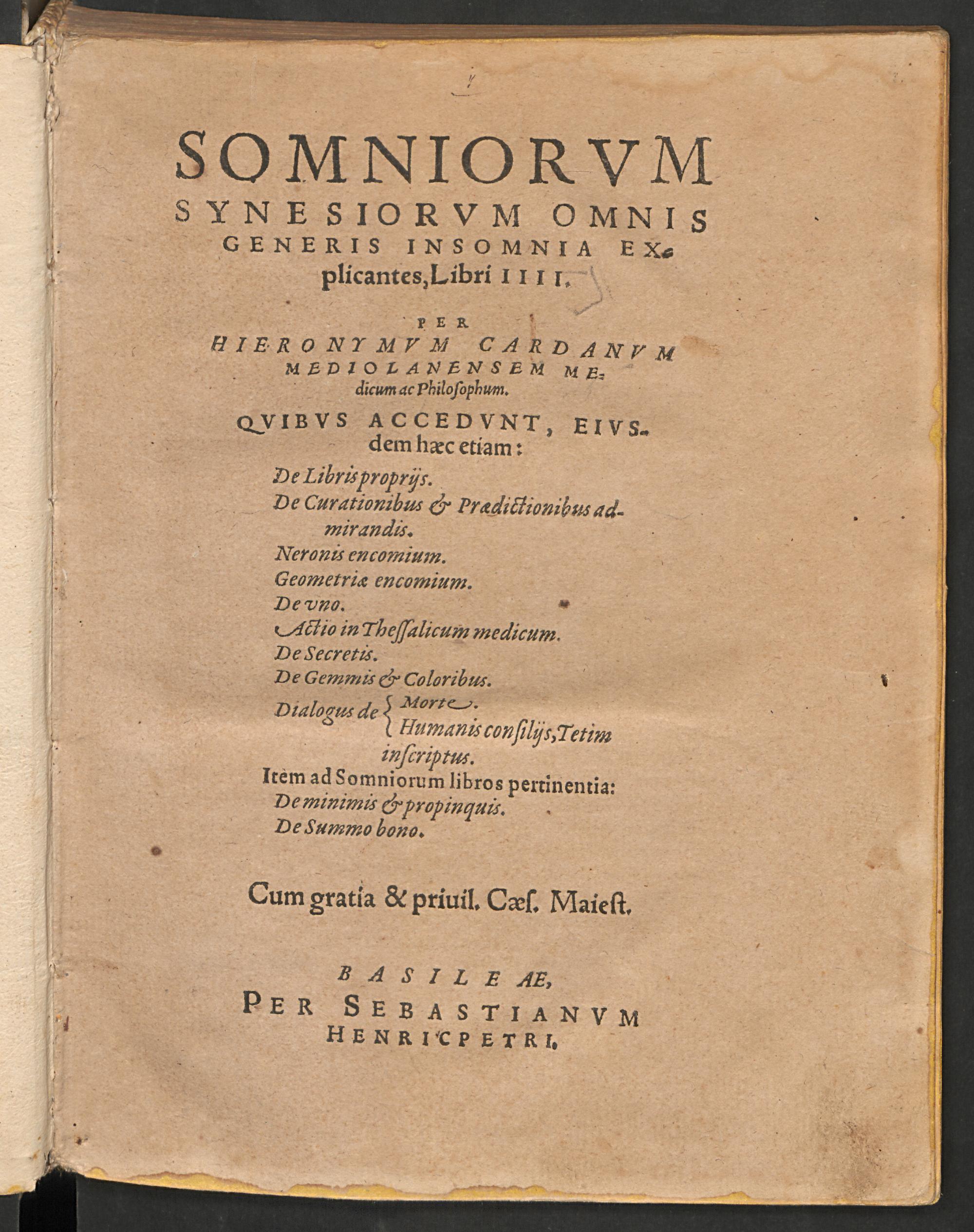
Within fifty years of 1633 982 Dead Blue Roller Hans Hoffmann (German, 1545/50–1591/92); Albrecht Dürer (German, 1471–1528)1583 Cleveland Museum of Art Henrici Cornelii Agrippae ab Nettesheym De incertitudine et vanitate scientiarum declamatio invectiva, ex postrema authoris recognitione Agrippa von Nettesheim, Heinrich Cornelius1584 Stiftung der Werke von C.G.Jung, Zürich The Sacrifice of Isaac Paolo Veronese1585 Museo del Prado Kichik Beg Wounded during Babur's Attack on Qalat, from a copy of the Baburnama (Book of Babur) Mughalc. 1590 The Art Institute of Chicago Lovers parting, page from a book of fables Unknownc. 1590–95 Cleveland Museum of Art Calligraphy: Preface to the Anvar-i Suhaili Unknownc. 1590 Cleveland Museum of Art Adoration of the Magi Maarten de Vos (Flemish, 1532–1603)c. 1590 Cleveland Museum of Art Somniorum synesiorum omnis generis insomnia explicantes, libri IIII : quibus accedunt, eiusdem haec etiam De libris propriis ... ; De curationibus et praedictionibus admirandis ; Neronis encomium ; Geometriae encomium Cardano, Girolamo1585 Stiftung der Werke von C.G.Jung, Zürich
Also at Metropolitan Museum of Art, New York, NY 677 Marble female figure Bastis Master2600–2400 BCE Metropolitan Museum of Art, New York, NY Relief Fragment with a Ship Under Sail Unknownca. 2465–2458 BCE Metropolitan Museum of Art, New York, NY Tomb Chapel of Raemkai: South Wall Unknownca. 2446–2389 BCE Metropolitan Museum of Art, New York, NY West wall of the chapel of the mastaba Kaemsenu with niches for Iretnub, Kaemsenu and Werdjedptah Unknownca. 2420–2250 BCE Metropolitan Museum of Art, New York, NY Design amulet, Cow and Calf on the Back, Device showing Antithetical Falcons Flanking an Ankh Sign over a Crouching Lion Unknownca. 2150–2100 B.C. Metropolitan Museum of Art, New York, NY Design Amulet, Pyramidal Back with Horizontal Piercing, Device showing Two Falcons Flanking what is meant to be an Ankh Sign Unknownca. 2150–2010 B.C. Metropolitan Museum of Art, New York, NY Design Amulet, Cow Nursing Calf and also a Kneeling Suckling Man Visible on Opposite Side on the Back, Device showing Antithetical Falcons with an Ankh Sign over a Lion Unknownca. 2150–2100 B.C. Metropolitan Museum of Art, New York, NY Design Amulet, Back in the Form of a Woman Suckling a Child, Device showing Two Lizards Head-to-tail Unknownca. 2100–2080 B.C. Metropolitan Museum of Art, New York, NY In the stacks Not yet checked 2
Passages in the library’s own holdings that name this maker. The model ranked them; nobody has checked that the name means this person.
Seven Discourses on Art · Joshua, Sir Reynolds
By this mode of reasoning Rembrandt has a higher place than Raffaelle. But a very little reflection will serve to show us that these particularities cannot be nature: for how can that be the nature of man, in which no two individuals are the same? It plainly appears that as a work is conducted under the influence of general ideas or partial it is principally to be considered as the effect of a good or a bad taste. As beauty therefore does not consist in taking what lies immediately before … 0.69 principles of art history · heinrich wolfflin
PAINTING 95 Rembrandt The great Ecce Homo (etching of 1650) is an analogous case. As is known, the schema of the composition dates back to a Cinquecentist, Lucas van Leyden. A house wall and a terrace before it, seen frontally; people who have taken up their stand side by side in rows on and in front of the terrace—how are we to get a baroque picture out of all that? We learn with Rembrandt that it is not the subject but the treatment which matters. While Lucas van Leyden exhausts … 0.68 Add a connection Propose a reading
Next Made in the seventeenth century, like Portrait of a Young Woman with a Fan.