Of These are claims by the holder and by Wikidata, read 2026-09-04, and join nothing until an editor confirms them.
Iconclass 9 61B(+53) 31D13 adolescent, young woman, maiden 41D221(HAT) 12EE13 representations ~ goddesses, demi-goddesses, heroines, etc. (Greek religion) 12FF13 representations ~ goddesses, demi-goddesses, heroines etc. (Roman religion) 96A23 Holder's headings Profiles , Women , Flowers Wikidata depicts woman , flower , leaf , shirt , hat , red hair , earring , necklace , Flora , Hendrickje Stoffels , chignon , skirt , branch , profile Close Flora — Rembrandt (Rembrandt van Rijn) ca. 1654
Also by Rembrandt (Rembrandt van Rijn) 8 Portrait of a Young Woman with a Fan Rembrandt (Rembrandt van Rijn)1633 Metropolitan Museum of Art, New York, NY The Last Supper, after Leonardo da Vinci Rembrandt (Rembrandt van Rijn)1634–35 Metropolitan Museum of Art, New York, NY Herman Doomer (ca. 1595–1650) Rembrandt (Rembrandt van Rijn)1640 Metropolitan Museum of Art, New York, NY The Toilet of Bathsheba Rembrandt (Rembrandt van Rijn)1643 Metropolitan Museum of Art, New York, NY Cottage near the Entrance to a Wood Rembrandt (Rembrandt van Rijn)1644 Metropolitan Museum of Art, New York, NY Cottage among Trees Rembrandt (Rembrandt van Rijn)ca. 1650 Metropolitan Museum of Art, New York, NY Aristotle with a Bust of Homer Rembrandt (Rembrandt van Rijn)1653 Metropolitan Museum of Art, New York, NY Reclining Female Nude Rembrandt (Rembrandt van Rijn)1658 Metropolitan Museum of Art, New York, NY
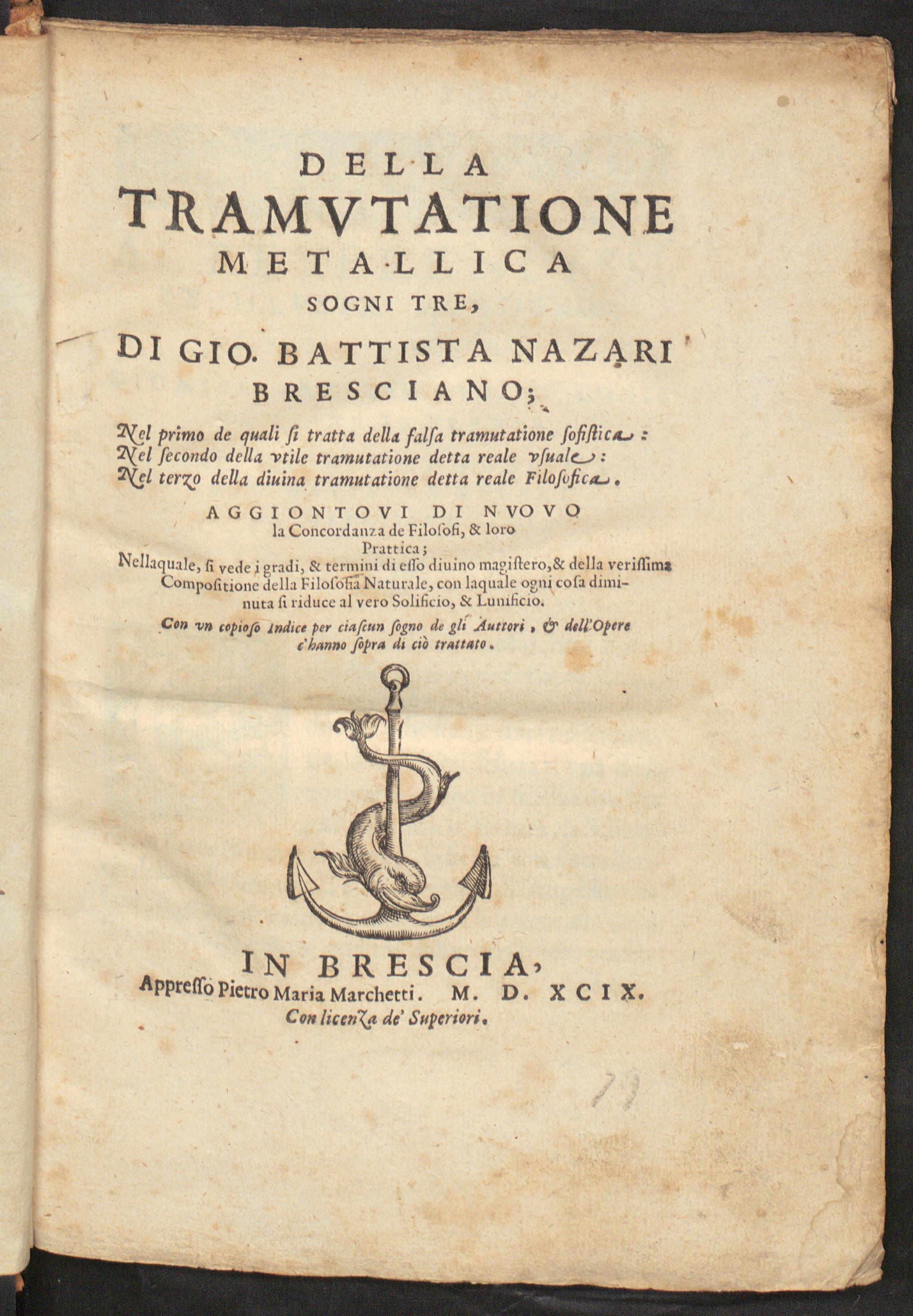
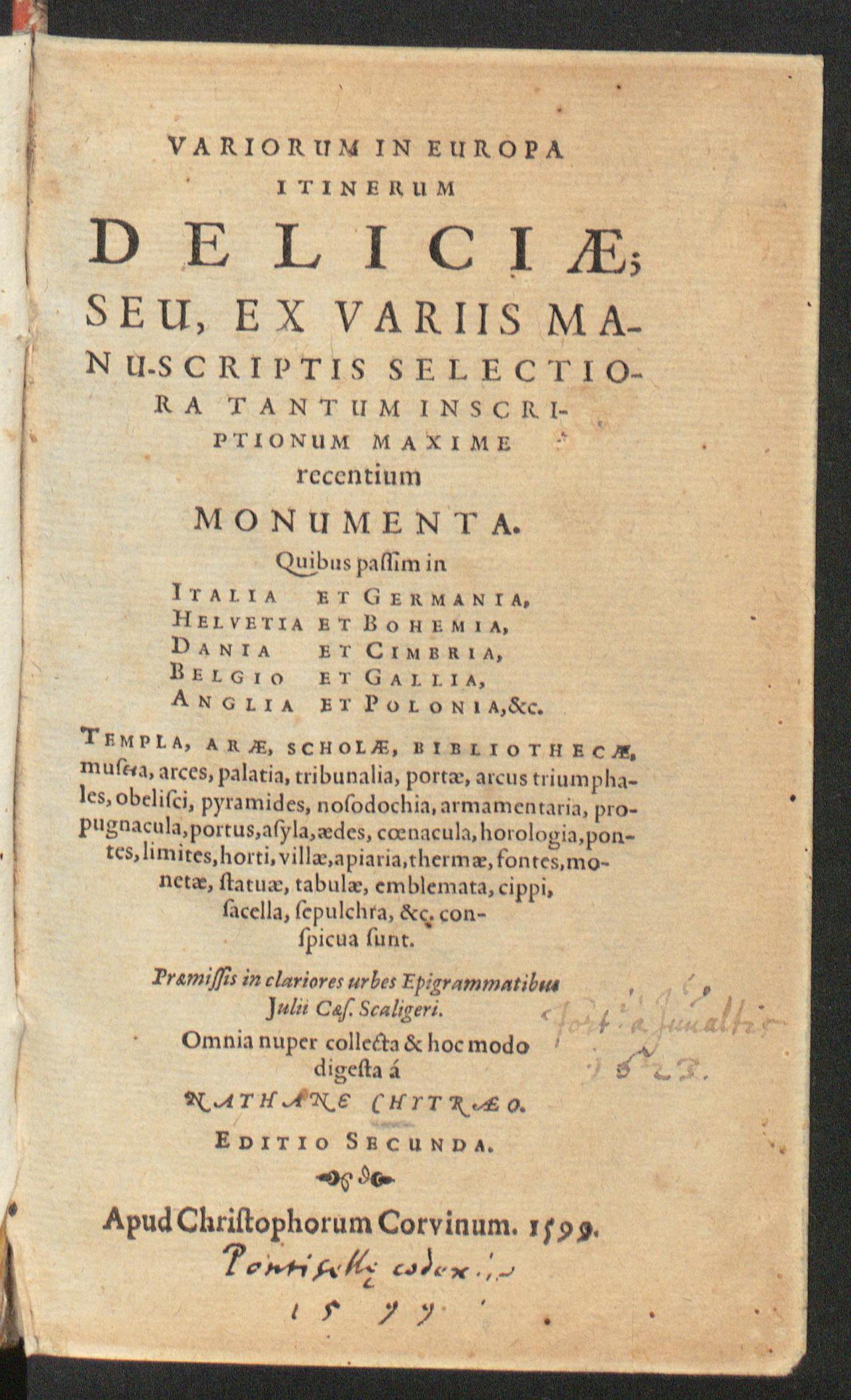
Within fifty years of ca. 1654 1040 Abraham's Sacrifice Annibale Carracci1599 Department of Paintings of the Louvre Wooded Landscape with Abraham and Isaac Jan Brueghel the Elder1599 National Museum of Western Art Flowers of the Four Seasons 四季花卉圖 Chen JiayanMing dynasty (1368–1644), dated 1599 The Art Institute of Chicago View of Toledo El Greco (Domenikos Theotokopoulos)ca. 1599–1600 Metropolitan Museum of Art, New York, NY Della tramutatione metallica sogni tre : nel primo de quali si tratta della falsa tramutatione sofistica: nel secondo della utile tramutatione detta reale usuale: nel terzo della divina tramutatione detta reale filosofica. Aggiontovi di nuovo la concordanza de filosofi, & loro prattica ... Con un copioso indice per ciascun sogno de gli auttori, & dell'opera c'hanno sopra di ciò trattato Nazari, Giovanni Battista1599 Stiftung der Werke von C.G.Jung, Zürich Variorum in Europa itinerum deliciae : seu, ex variis manu-scriptis selectiora tantum inscriptionum maxime recentium monumenta : quibus passim in Italia et Germania, Helvetia et Bohemia ... : templa, arae, scholae, bibliothecae ... &c. conspicua sunt Chyträus, Nathan1599 Stiftung der Werke von C.G.Jung, Zürich Guard Drawing His Sword Raphaeln.d. The Art Institute of Chicago Hercules and the Nemean Lion Unknownearly 17th century Metropolitan Museum of Art, New York, NY
Also at Metropolitan Museum of Art, New York, NY 682 Marble female figure Bastis Master2600–2400 BCE Metropolitan Museum of Art, New York, NY Relief Fragment with a Ship Under Sail Unknownca. 2465–2458 BCE Metropolitan Museum of Art, New York, NY Tomb Chapel of Raemkai: South Wall Unknownca. 2446–2389 BCE Metropolitan Museum of Art, New York, NY West wall of the chapel of the mastaba Kaemsenu with niches for Iretnub, Kaemsenu and Werdjedptah Unknownca. 2420–2250 BCE Metropolitan Museum of Art, New York, NY Design amulet, Cow and Calf on the Back, Device showing Antithetical Falcons Flanking an Ankh Sign over a Crouching Lion Unknownca. 2150–2100 B.C. Metropolitan Museum of Art, New York, NY Design Amulet, Pyramidal Back with Horizontal Piercing, Device showing Two Falcons Flanking what is meant to be an Ankh Sign Unknownca. 2150–2010 B.C. Metropolitan Museum of Art, New York, NY Design Amulet, Cow Nursing Calf and also a Kneeling Suckling Man Visible on Opposite Side on the Back, Device showing Antithetical Falcons with an Ankh Sign over a Lion Unknownca. 2150–2100 B.C. Metropolitan Museum of Art, New York, NY Design Amulet, Back in the Form of a Woman Suckling a Child, Device showing Two Lizards Head-to-tail Unknownca. 2100–2080 B.C. Metropolitan Museum of Art, New York, NY In the stacks Not yet checked 2
Passages in the library’s own holdings that name this maker. The model ranked them; nobody has checked that the name means this person.
Seven Discourses on Art · Joshua, Sir Reynolds
By this mode of reasoning Rembrandt has a higher place than Raffaelle. But a very little reflection will serve to show us that these particularities cannot be nature: for how can that be the nature of man, in which no two individuals are the same? It plainly appears that as a work is conducted under the influence of general ideas or partial it is principally to be considered as the effect of a good or a bad taste. As beauty therefore does not consist in taking what lies immediately before … 0.69 principles of art history · heinrich wolfflin
PAINTING 95 Rembrandt The great Ecce Homo (etching of 1650) is an analogous case. As is known, the schema of the composition dates back to a Cinquecentist, Lucas van Leyden. A house wall and a terrace before it, seen frontally; people who have taken up their stand side by side in rows on and in front of the terrace—how are we to get a baroque picture out of all that? We learn with Rembrandt that it is not the subject but the treatment which matters. While Lucas van Leyden exhausts … 0.68 Add a connection Propose a reading
Next Made in the seventeenth century, like Flora.