Of These are claims by the holder and by Wikidata, read 2026-09-04, and join nothing until an editor confirms them.
Iconclass 98 31A2421 head turned to the left 61B(+53) 31D14 adult man 48C2 48C24:61B(+52) 98B(HOMER) 98B(ARISTOTLE) Holder's headings Men , Portraits Wikidata depicts Aristotle , Homer , man , portrait , belt , statue , bust , robe Close Aristotle with a Bust of Homer — Rembrandt (Rembrandt van Rijn) 1653
Also by Rembrandt (Rembrandt van Rijn) 8 Portrait of a Young Woman with a Fan Rembrandt (Rembrandt van Rijn)1633 Metropolitan Museum of Art, New York, NY The Last Supper, after Leonardo da Vinci Rembrandt (Rembrandt van Rijn)1634–35 Metropolitan Museum of Art, New York, NY Herman Doomer (ca. 1595–1650) Rembrandt (Rembrandt van Rijn)1640 Metropolitan Museum of Art, New York, NY The Toilet of Bathsheba Rembrandt (Rembrandt van Rijn)1643 Metropolitan Museum of Art, New York, NY Cottage near the Entrance to a Wood Rembrandt (Rembrandt van Rijn)1644 Metropolitan Museum of Art, New York, NY Cottage among Trees Rembrandt (Rembrandt van Rijn)ca. 1650 Metropolitan Museum of Art, New York, NY Flora Rembrandt (Rembrandt van Rijn)ca. 1654 Metropolitan Museum of Art, New York, NY Reclining Female Nude Rembrandt (Rembrandt van Rijn)1658 Metropolitan Museum of Art, New York, NY
Within fifty years of 1653 1147 Sacrifice of Isaac Caravaggio1603 Uffizi Gallery Vanitas Still Life Jacques de Gheyn II1603 Metropolitan Museum of Art, New York, NY Zulaykha in her palace and as an old woman with Joseph, from a Panj Ganj (Five Treasures) of Abd al-Rahman Jami (Persian, 1414–1492); verso from a Panj Ganj of Abd al-Rahman Jami (Persian, 1414–1492), with two masnavis: Yusuf va Zulaykha (Joseph and Zulaykha) and Khirad-nama-i Iskandari (Alexander’s Book of Wisdom) Mushfiq (Indian, active early 1600s); Sultan 'Ali al-Mashadi (Iranian, 1430–1520)Text copied by Sultan-Ali Mashhadi (Persian, 1453–1520) for Badi al-Zaman Mirza of Herat
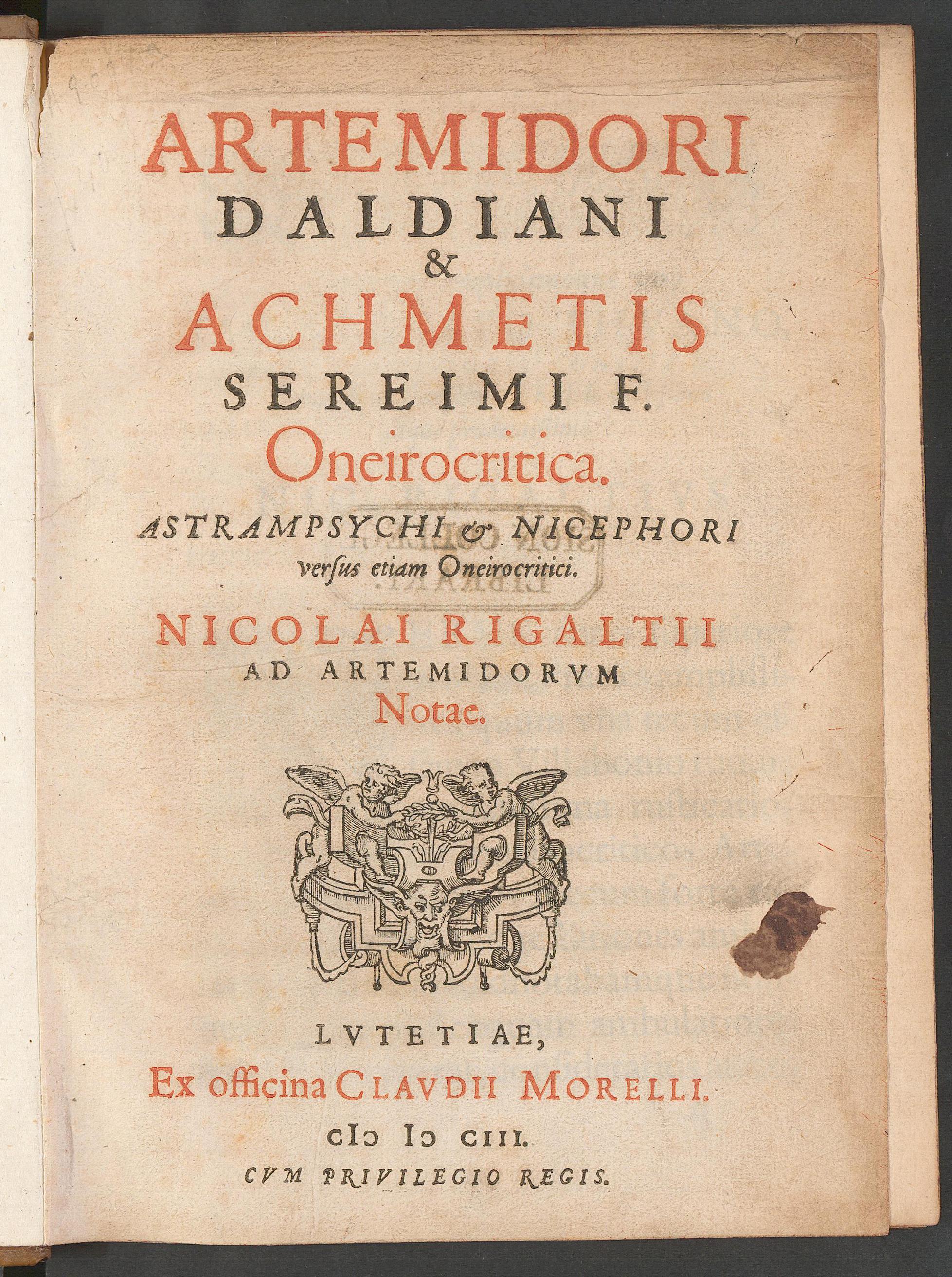
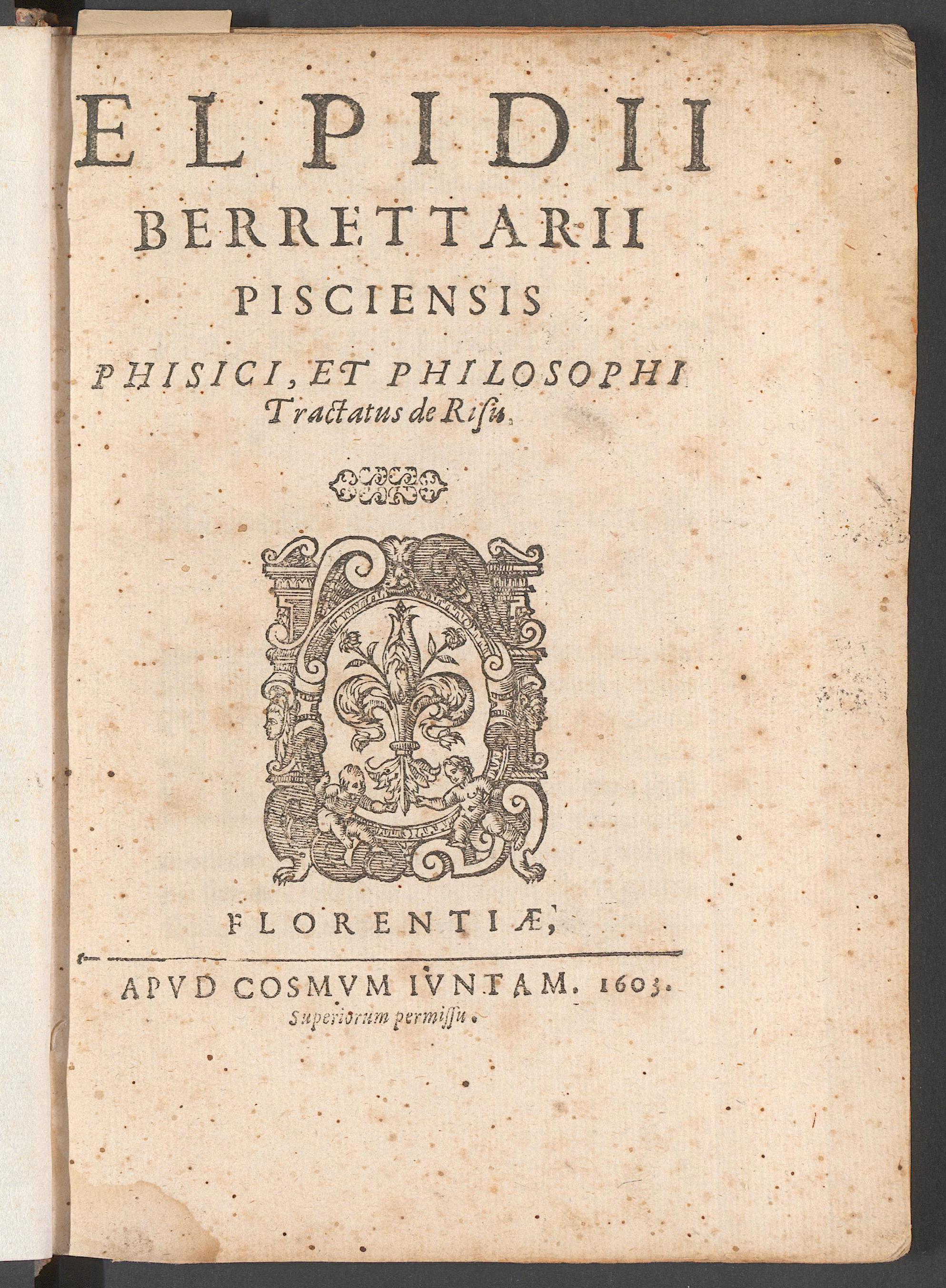
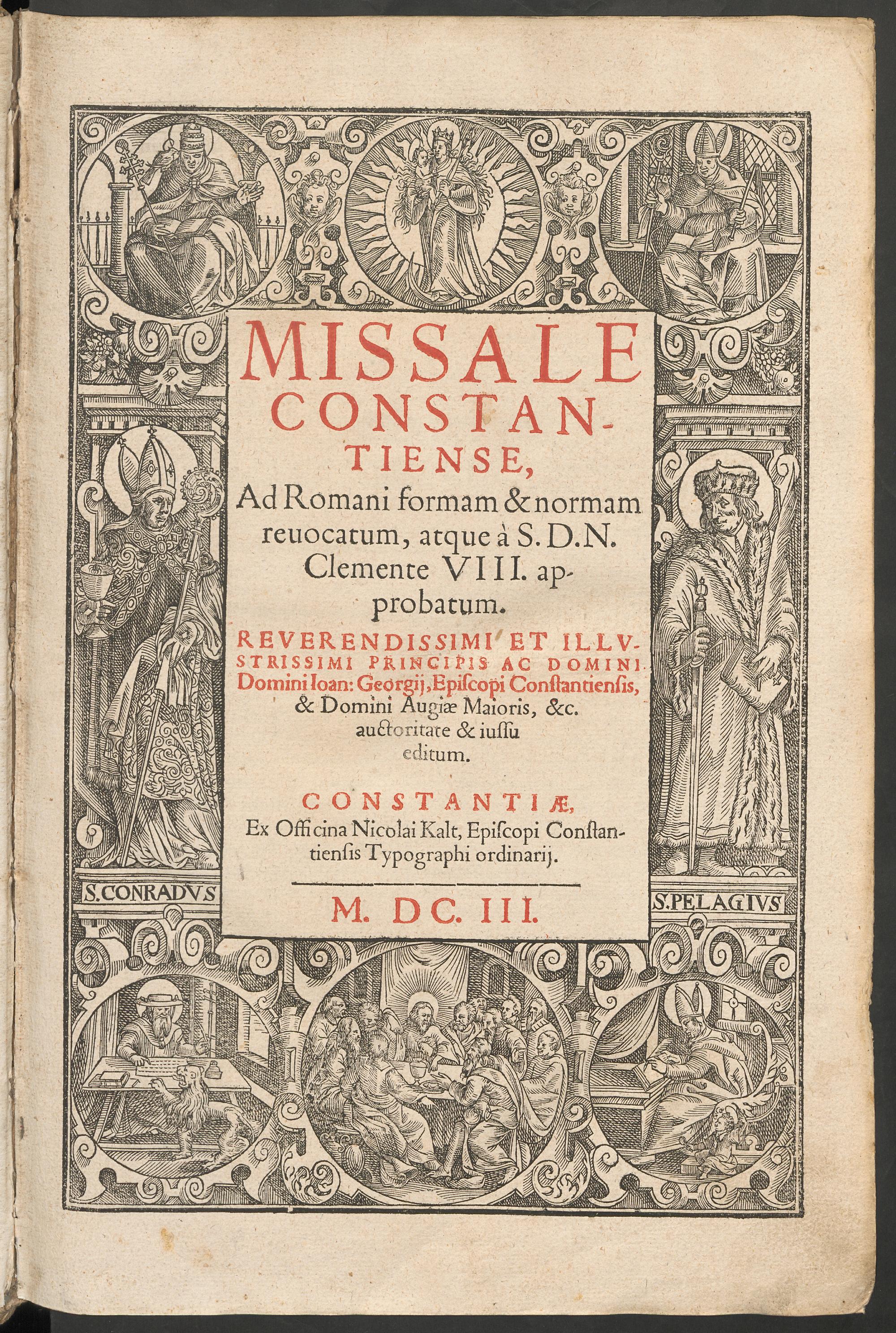
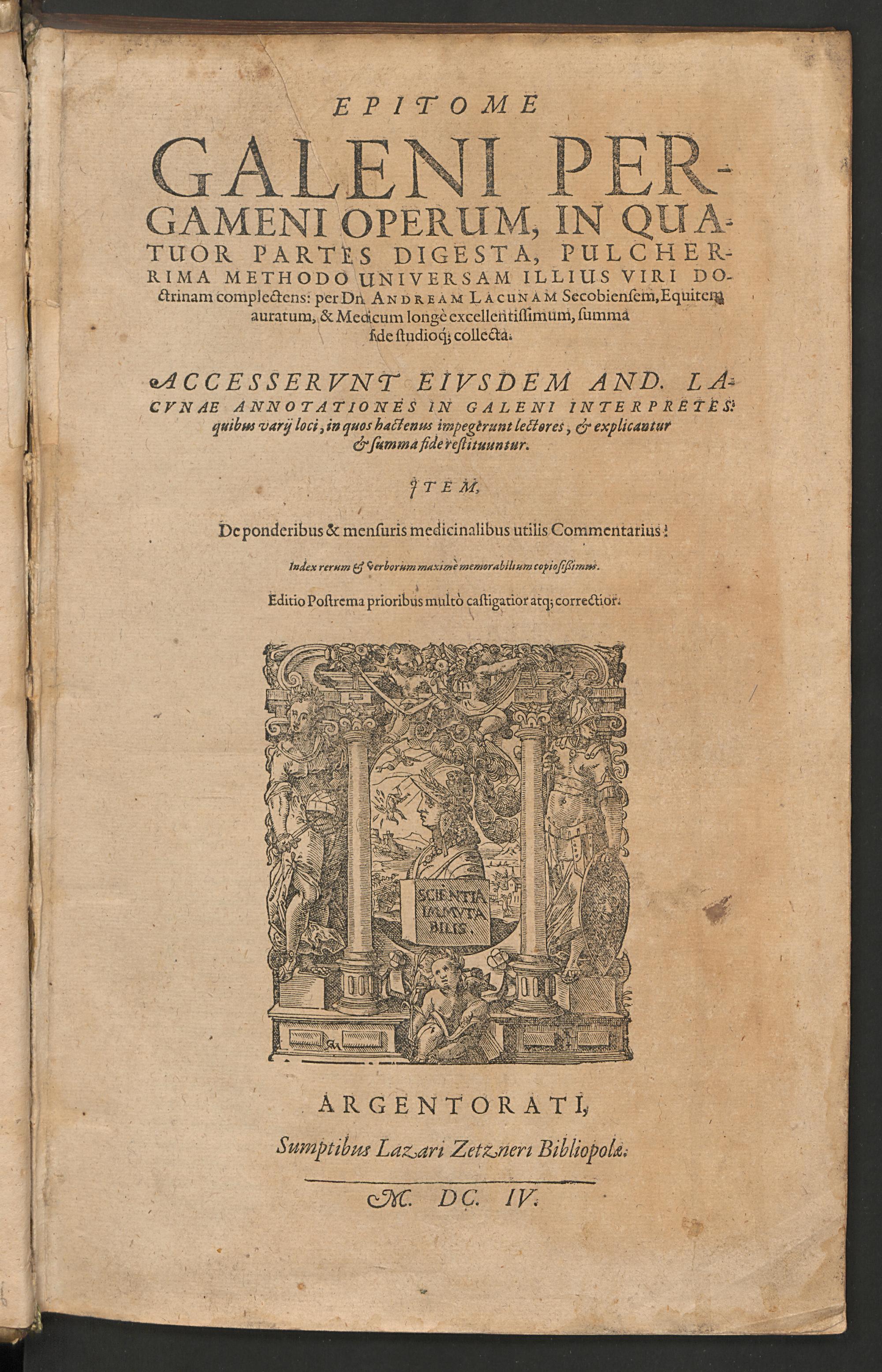
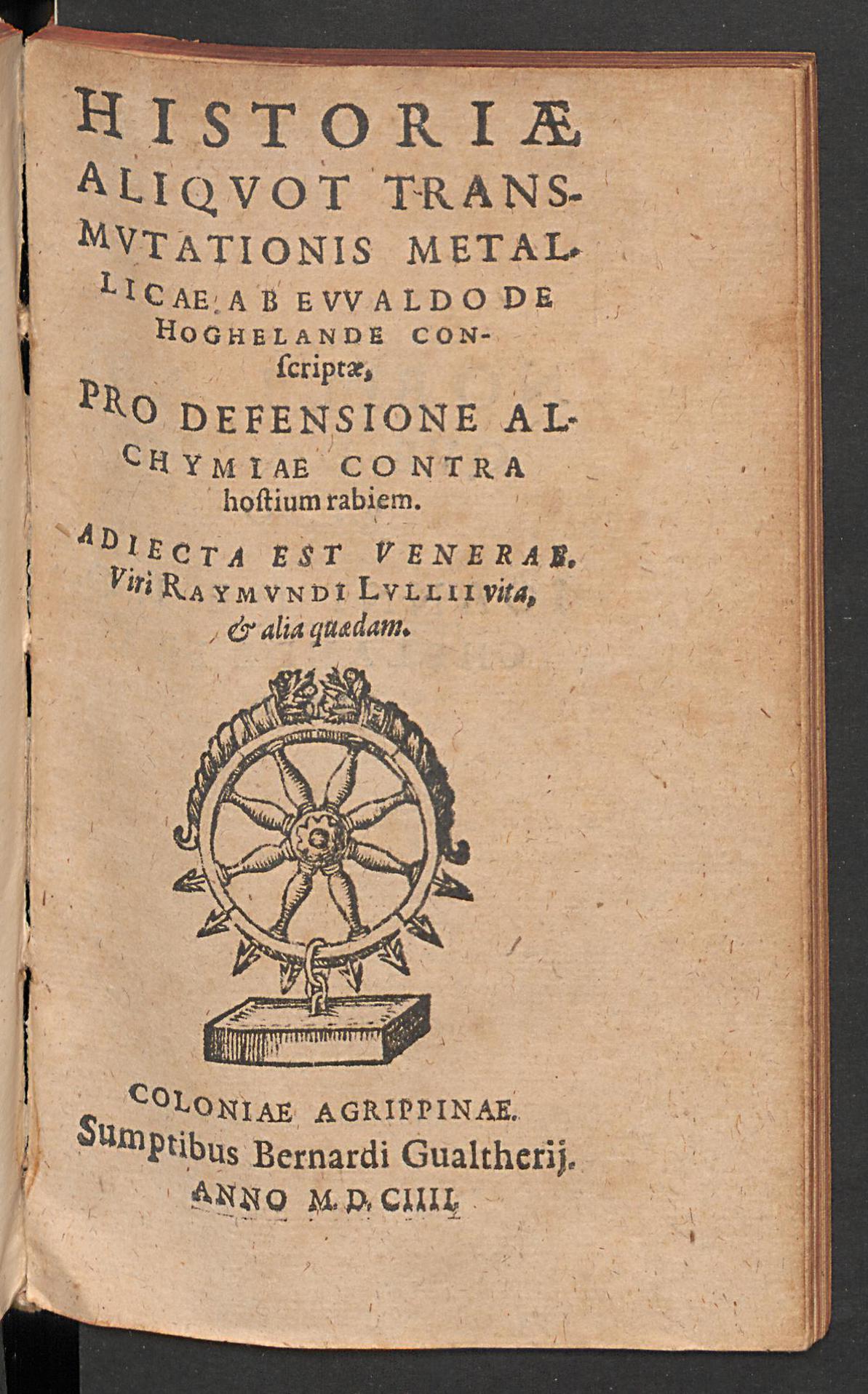
Painting, borders, and illumination by Mushfiq (Indian, active 1580s–early 1600s); Text copied in Herat; Painting, borders, and illuminations made in the Deccan for Mughal minister Abd al-Rahim the Khan Khanan Cleveland Museum of Art Artemidori Daldiani & Achmetis Sereimi F. Oneirocritica : Astrampsychi et Nicephori versus etiam Oneirocritici. Nicolai Rigaltii ad Artemidorum notae Muḥammad Ibn-Sīrīn1603 Stiftung der Werke von C.G.Jung, Zürich Elpidii Berrettarii ... Tractatus de risu Berrettari, Elpidio1603 Stiftung der Werke von C.G.Jung, Zürich Missale Constantiense ad Romani formam & normam revocatum, atque a ... Clemente VIII. approbatum ... Ioan. Georgii, episcopi Constantiensis, & domini Augiae Maioris, &c. auctoritate & iussu editum Unknown1603 Stiftung der Werke von C.G.Jung, Zürich Epitome Galeni Pergameni operum in quatuor partes digesta, pulcherrima methodo universam illius viri doctrinam complectens : accesserunt eiusdem And. Lacunae annotationes in Galeni interpretes quibus varii loci, in quos hactenus impegerunt lectores, & explicantur et summa fide restituuntur : item de ponderibus & mensuris medicinalibus utilis commentarius Galenus1604 Stiftung der Werke von C.G.Jung, Zürich, online Historiæ aliquot transmutationis metallicae ... pro defensione alchymiae contra hostium rabiem : adiecta est ... Raymundi Lullii vita, & alia quædam Hoghelande, Theobaldus van1604 Stiftung der Werke von C.G.Jung, Zürich, online
Also at Metropolitan Museum of Art, New York, NY 679 Marble female figure Bastis Master2600–2400 BCE Metropolitan Museum of Art, New York, NY Relief Fragment with a Ship Under Sail Unknownca. 2465–2458 BCE Metropolitan Museum of Art, New York, NY Tomb Chapel of Raemkai: South Wall Unknownca. 2446–2389 BCE Metropolitan Museum of Art, New York, NY West wall of the chapel of the mastaba Kaemsenu with niches for Iretnub, Kaemsenu and Werdjedptah Unknownca. 2420–2250 BCE Metropolitan Museum of Art, New York, NY Design amulet, Cow and Calf on the Back, Device showing Antithetical Falcons Flanking an Ankh Sign over a Crouching Lion Unknownca. 2150–2100 B.C. Metropolitan Museum of Art, New York, NY Design Amulet, Pyramidal Back with Horizontal Piercing, Device showing Two Falcons Flanking what is meant to be an Ankh Sign Unknownca. 2150–2010 B.C. Metropolitan Museum of Art, New York, NY Design Amulet, Cow Nursing Calf and also a Kneeling Suckling Man Visible on Opposite Side on the Back, Device showing Antithetical Falcons with an Ankh Sign over a Lion Unknownca. 2150–2100 B.C. Metropolitan Museum of Art, New York, NY Design Amulet, Back in the Form of a Woman Suckling a Child, Device showing Two Lizards Head-to-tail Unknownca. 2100–2080 B.C. Metropolitan Museum of Art, New York, NY In the stacks Not yet checked 2
Passages in the library’s own holdings that name this maker. The model ranked them; nobody has checked that the name means this person.
Seven Discourses on Art · Joshua, Sir Reynolds
By this mode of reasoning Rembrandt has a higher place than Raffaelle. But a very little reflection will serve to show us that these particularities cannot be nature: for how can that be the nature of man, in which no two individuals are the same? It plainly appears that as a work is conducted under the influence of general ideas or partial it is principally to be considered as the effect of a good or a bad taste. As beauty therefore does not consist in taking what lies immediately before … 0.69 principles of art history · heinrich wolfflin
PAINTING 95 Rembrandt The great Ecce Homo (etching of 1650) is an analogous case. As is known, the schema of the composition dates back to a Cinquecentist, Lucas van Leyden. A house wall and a terrace before it, seen frontally; people who have taken up their stand side by side in rows on and in front of the terrace—how are we to get a baroque picture out of all that? We learn with Rembrandt that it is not the subject but the treatment which matters. While Lucas van Leyden exhausts … 0.68 Add a connection Propose a reading
Next Made in the seventeenth century, like Aristotle with a Bust of Homer.