Of No subject recorded yet.
Close An écorché figure seen from behind, with an additional seated figure in the bottom left-hand corner. Line engraving by J. Tinney, 1743, after A. Vesalius, 1543. — Andreas Vesalius; John Tinney 1842
Also by Andreas Vesalius; John Tinney 3 A skeleton leaning on a spade. Line engraving by J. Tinney, 1743, after A. Vesalius, 1543. Andreas Vesalius; John Tinney1842 Wellcome Collection An écorché figure seen from the front. Line engraving by J. Tinney, 1743, after A. Vesalius, 1543. Andreas Vesalius; John Tinney1842 Wellcome Collection A skeleton leaning on an inscribed tombstone, resting his right hand on a skull. Line engraving by J. Tinney, 1743, after A. Vesalius, 1543. Andreas Vesalius; John Tinney1842 Wellcome Collection
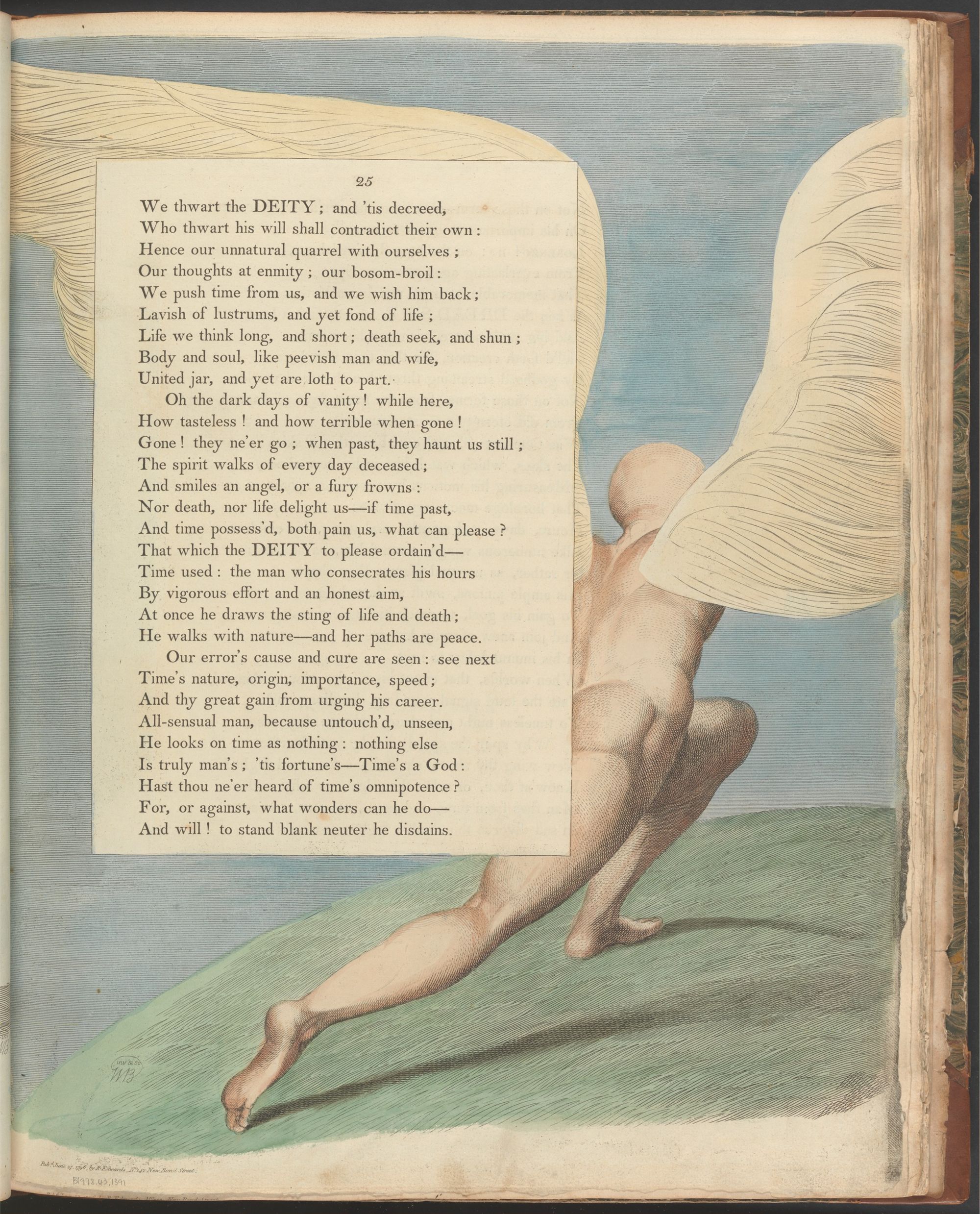
Within fifty years of 1842 3929 Sebastián Martínez y Pérez (1747–1800) Goya (Francisco de Goya y Lucientes)1792 Metropolitan Museum of Art, New York, NY Mark Pringle Sir William Beecheyc. 1797 The Art Institute of Chicago Two Elevations of a Palace Giuseppe Barberi, Italian, 1746–18091792-1795 Cooper Hewitt, Smithsonian Design Museum République Française Liberté Égalité Unknownca. 1792 Cooper Hewitt, Smithsonian Design Museum Design for Wall Decoration, Pompeiian Room, Palazzo Altieri, Rome Felice Giani, Italian, 1758–18231792 Cooper Hewitt, Smithsonian Design Museum Precinct of a Palace Giuseppe Barberi, Italian, 1746–18091792 Cooper Hewitt, Smithsonian Design Museum Memorial Structure Giuseppe Barberi, Italian, 1746–18091792-1795 Cooper Hewitt, Smithsonian Design Museum 'Behold him, when past by; what then is seen' (Page 25) William Blakeca. 1797 Yale Center for British Art
Also at Wellcome Collection 36 An alchemist stoking a furnace, surrounded by well dressed onlookers: a banquet takes place in the background. Etching by C. Murer, ca. 1600-1614. Christoph Murer1622 Wellcome Collection Farm workers under a tree are making a basket, a plough and other agricultural implements. Engraving by Wenceslaus Hollar after F. Cleyn. Francis Cleyn; Wenceslaus Hollar; Carnarvon, Elizabeth Dormer, Countess of, 1633-1678.[1654] Wellcome Collection An anatomy theatre with statues of the anatomists Vesalius and Spigelius; a corpse on a table in the background. Engraving, 1672. Isbrand van Diemerbroeck1672 Wellcome Collection Muscles of the face and neck. Engraving, 1686. Steven Blankaart; Govert Bidloo[1686] Wellcome Collection The base of the brain with part of the medulla oblongata, the blood vessels injected with wax, and the cerebellum (Table XII, figs 1-2), after Cowper in Ridley (1695); the foetal heart, the larynx and the viscera (Table XIII), after an etching by G. Vandergucht in Cheselden (1740) Etching by I. Basire, 1743. Isaac Basire; Robert James; Humphrey Ridley; William Cheselden; Gerard Vandergucht; William Cowper[1743] Wellcome Collection A human skeleton, seen from the front, resting the bones of his left forearm on a spade handle, after Vesalius. Engraving 1769, after Prevost, 1762, after a woodcut, 1543. Jean Le Rond d'Alembert; Denis Diderot; Andreas Vesalius; Benoît-Louis Prévost; Hinde, M., active 18th century[1769] Wellcome Collection A yellow iris (Iris variegata): flower and leaf. Coloured engraving by J. Sowerby, c. 1787, after himself. James Sowerby; William Curtis1787 Wellcome Collection A houseleek (Sempervivum arachnoideum): flowering plant. Coloured engraving, c. 1788. William Curtis1788 Wellcome Collection Add a connection Propose a reading
Next Made in the nineteenth century, like An écorché figure seen from behind, with an additional seated figure in the bottom left-hand corner. Line engraving by J. Tinney, 1743, after A. Vesalius, 1543..