Christ Preaching (The Hundred Guilder Print), Rembrandt Harmensz van Rijn, Dutch, 1606–1669

Seen

Not described yet.


Of

No subject recorded yet.


Means

No reading yet.


Rights

Credit
Gift of Mrs. Leo Wallerstein
Licence
CC0-1.0
Evidence
api.si.edu openaccess v1.0: content.descriptiveNonRepeating.metadata_usage.access=CC0 on record chndm_1963-43-1 (read 2026-09-01)
Record
https://collection.cooperhewitt.org/view/objects/asitem/id/135183
Christ Preaching (The Hundred Guilder Print), Rembrandt Harmensz van Rijn, Dutch, 1606–1669
Christ Preaching (The Hundred Guilder Print) — Rembrandt Harmensz van Rijn, Dutch, 1606–1669ca. 1649

Also by Rembrandt Harmensz van Rijn, Dutch, 1606–1669

1
Landscape with an Obelisk, Rembrandt Harmensz van Rijn, Dutch, 1606–1669
Landscape with an ObeliskRembrandt Harmensz van Rijn, Dutch, 1606–1669ca. 1650Cooper Hewitt, Smithsonian Design Museum

Within fifty years of ca. 1649

1047
Also at Cooper Hewitt, Smithsonian Design Museum

9532
Tiraz fragment, Unknown
Tiraz fragmentUnknownca. 1000Cooper Hewitt, Smithsonian Design Museum
Textile, Unknown
TextileUnknown700–1000Cooper Hewitt, Smithsonian Design Museum
Textile, Unknown
TextileUnknown500–1000Cooper Hewitt, Smithsonian Design Museum
Textile, Unknown
TextileUnknown1000–1450Cooper Hewitt, Smithsonian Design Museum
Vessel, Unknown
VesselUnknown500–1000Cooper Hewitt, Smithsonian Design Museum
Vessel, Unknown
VesselUnknown500–1000Cooper Hewitt, Smithsonian Design Museum
Textile, Unknown
TextileUnknown1100–1400Cooper Hewitt, Smithsonian Design Museum
Textile, Unknown
TextileUnknown1100–1500Cooper Hewitt, Smithsonian Design Museum

Similar picturesFound by visual likeness

8 pictures

Visual resemblances suggested by the model. A match does not establish a shared subject or historical connection.

Christ Preaching ('La Petite Tombe'), Rembrandt van Rijn (Dutch, 1606–1669)
Christ Preaching ('La Petite Tombe')Rembrandt van Rijn (Dutch, 1606–1669)c. 1652Cleveland Museum of Art
0.91
Adoration of the Shepherds, Polidoro da Caravaggio
Adoration of the ShepherdsPolidoro da Caravaggion.d.The Art Institute of Chicago
0.89
The Presentation in the Temple, Rembrandt van Rijn (Dutch, 1606–1669)
The Presentation in the TempleRembrandt van Rijn (Dutch, 1606–1669)c. 1654Cleveland Museum of Art
0.88
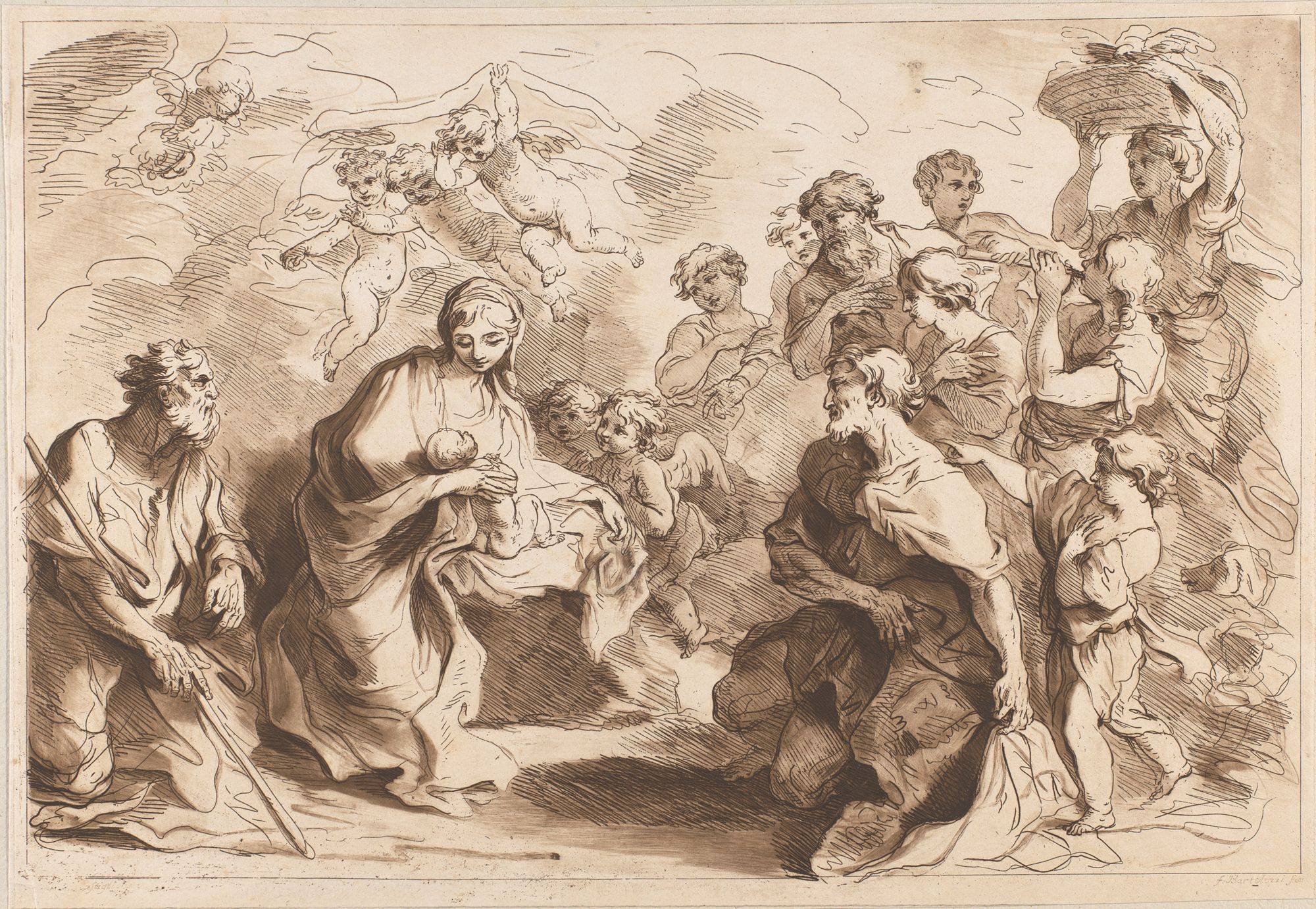
The Adoration of the Shepherds, Francesco Bartolozzi
The Adoration of the ShepherdsFrancesco Bartolozzi1765Yale Center for British Art
0.88
Drawing, François Verdier, French, 1651 - 1730
DrawingFrançois Verdier, French, 1651 - 1730ca. 1700Cooper Hewitt, Smithsonian Design Museum
0.88
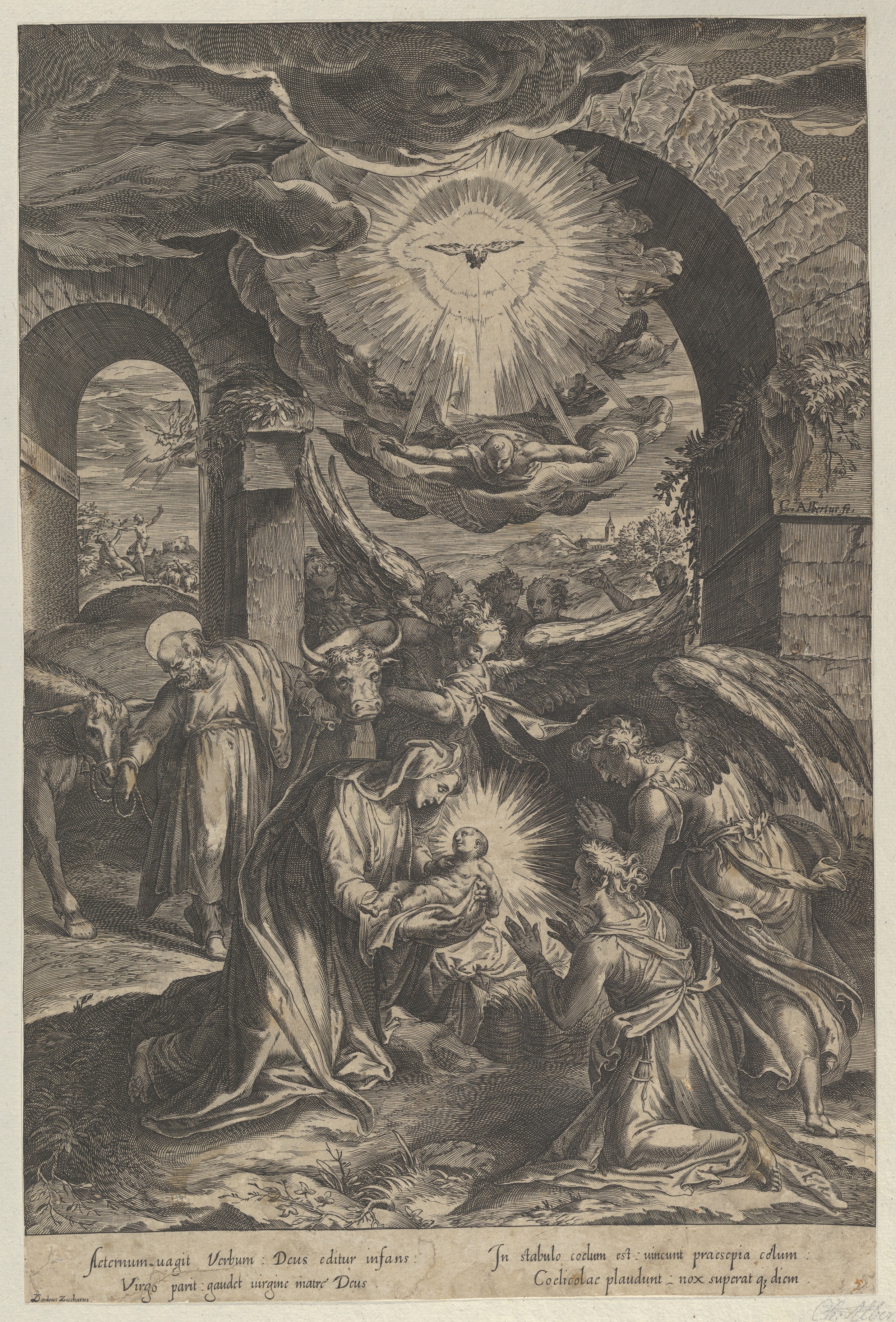
The Birth of Christ, Cherubino Alberti (Zaccaria Mattia)
The Birth of ChristCherubino Alberti (Zaccaria Mattia)1570–1615Metropolitan Museum of Art, New York, NY
0.87
The Proverbs: Two Heads are Better than One or Poor Folly, Francisco de Goya (Spanish, 1746–1828)
The Proverbs: Two Heads are Better than One or Poor FollyFrancisco de Goya (Spanish, 1746–1828)1816–1823 (printed c. 1863)Cleveland Museum of Art
0.86
The Strolling Musicians, Rembrandt van Rijn (Dutch, 1606–1669)
The Strolling MusiciansRembrandt van Rijn (Dutch, 1606–1669)c. 1635Cleveland Museum of Art
0.86

In the stacks

Not yet checked
2

Passages in the library’s own holdings that name this maker. The model ranked them; nobody has checked that the name means this person.

  1. Seven Discourses on Art · Joshua, Sir Reynolds

    By this mode of reasoning Rembrandt has a higher place than Raffaelle. But a very little reflection will serve to show us that these particularities cannot be nature: for how can that be the nature of man, in which no two individuals are the same? It plainly appears that as a work is conducted under the influence of general ideas or partial it is principally to be considered as the effect of a good or a bad taste. As beauty therefore does not consist in taking what lies immediately before
    0.69
  2. principles of art history · heinrich wolfflin

    PAINTING 95 Rembrandt The great Ecce Homo (etching of 1650) is an analogous case. As is known, the schema of the composition dates back to a Cinquecentist, Lucas van Leyden. A house wall and a terrace before it, seen frontally; people who have taken up their stand side by side in rows on and in front of the terrace—how are we to get a baroque picture out of all that? We learn with Rembrandt that it is not the subject but the treatment which matters. While Lucas van Leyden exhausts
    0.68

Next

Made in the seventeenth century, like Christ Preaching (The Hundred Guilder Print).

0:00–0:00