Of
These are claims by the holder and by Wikidata, read 2026-09-04, and join nothing until an editor confirms them.
- Holder's headings
- Human Figures, Bridges, Hats, Trees, Rain
 Spring Rain at Tsuchiyama, from the series Fifty-three Stations of the Tōkaidō — Utagawa Hiroshige1834–35
Also by Utagawa Hiroshige
18 RoseUtagawa HiroshigeMetropolitan Museum of Art, New York, NY
 MochizukiUtagawa HiroshigeMetropolitan Museum of Art, New York, NY
 Morning Cherries at YoshiwaraUtagawa HiroshigeMetropolitan Museum of Art, New York, NY
 Weeping CherryUtagawa HiroshigeMetropolitan Museum of Art, New York, NY
 Small View of YedoUtagawa Hiroshige1817–58Metropolitan Museum of Art, New York, NY
 Boat on the SumidaUtagawa Hiroshige1817–58Metropolitan Museum of Art, New York, NY
 Mishima: Morning Mist (Mishima, asagiri), from the series "Fifty-three Stations of the Tokaido Road (Tokaido gojusan tsugi no uchi)," also known as the Hoeido TokaidoUtagawa Hiroshigec. 1833/34The Art Institute of Chicago
 Kanbara: Evening Snow (Kanbara, yoru no yuki), from the series "Fifty-three Stations of the Tokaido (Tokaido gojusan tsugi no uchi)," also known as the Hoeido TokaidoUtagawa Hiroshigec. 1833/34The Art Institute of Chicago
Within fifty years of 1834–35
3723 Pathfinder IllustrationJakob Ernst Marcusn.d.The Art Institute of Chicago
 Le calendrier de la cour : tiré des ephémérides, pour l'année bissextile mil sept-cent quatre-vingt-quatre : contenant le lieu du soleil, son lever, son coucher, sa déclinaison: le lever de la lune & son coucher, &c. : avec la naissance des rois, reines, princes & princesses de l'Europe imprimé pour la famille royale et maison de sa MajestéLa Veuve Hérissant1784Metropolitan Museum of Art, New York, NY
 TextileUnknownca. 1784Cooper Hewitt, Smithsonian Design Museum
 Salesman's sample bookUnknown1784Cooper Hewitt, Smithsonian Design Museum
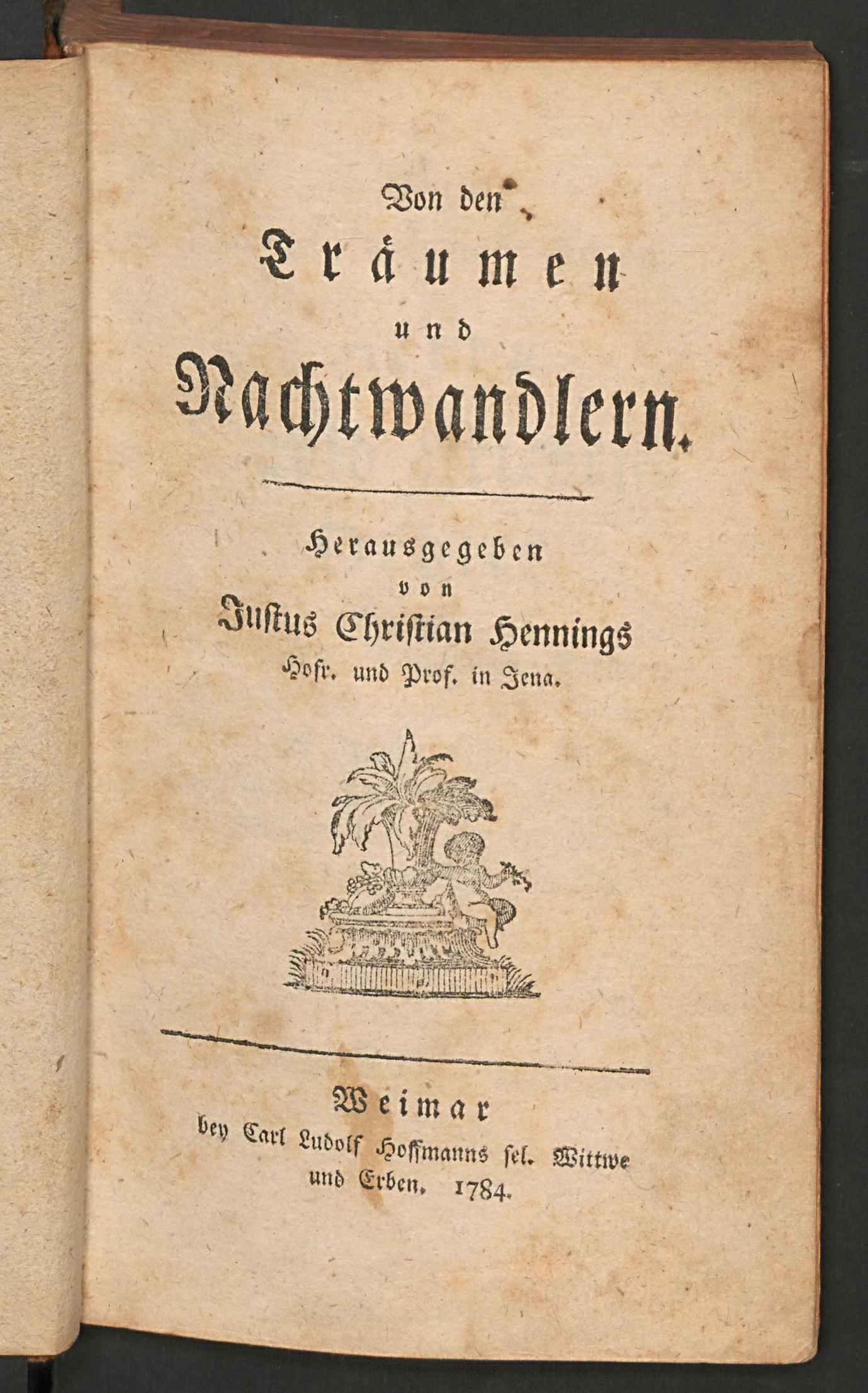 Von den Träumen und NachtwandlernUnknown1784Stiftung der Werke von C.G.Jung, Zürich, B Qa 1
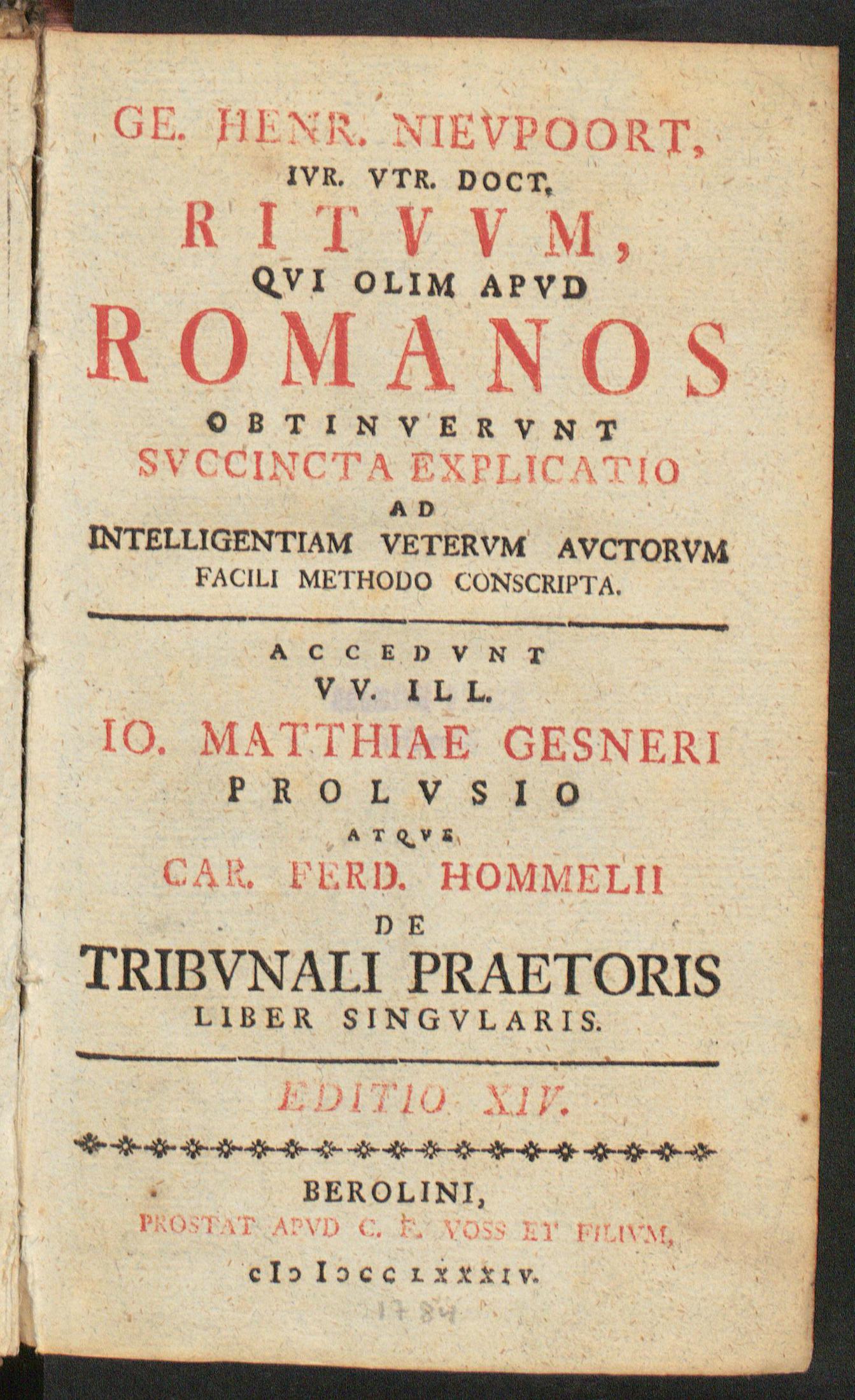 Ge. Henr. Nievpoort ... Rituum qui olim apud Romanos obtinuerunt succincta explicatio ad intelligentiam veterum auctorum facili methodo conscripta : accedunt ... Ioanne Matthiae Gesneri prolusio. atque Caroli Ferdinandi Hommelii de tribunali praetoris liber singularisNieupoort, Guillaume Henri1784Stiftung der Werke von C.G.Jung, Zürich
 WoodblockSwaislands Fabric Printing Workslate 18th centuryMetropolitan Museum of Art, New York, NY
 WoodblockSwaislands Fabric Printing Workslate 18th centuryMetropolitan Museum of Art, New York, NY
Also at Metropolitan Museum of Art, New York, NY
499 Marble female figureBastis Master2600–2400 BCEMetropolitan Museum of Art, New York, NY
 Relief Fragment with a Ship Under SailUnknownca. 2465–2458 BCEMetropolitan Museum of Art, New York, NY
 Tomb Chapel of Raemkai: South WallUnknownca. 2446–2389 BCEMetropolitan Museum of Art, New York, NY
 West wall of the chapel of the mastaba Kaemsenu with niches for Iretnub, Kaemsenu and WerdjedptahUnknownca. 2420–2250 BCEMetropolitan Museum of Art, New York, NY
 Design amulet, Cow and Calf on the Back, Device showing Antithetical Falcons Flanking an Ankh Sign over a Crouching LionUnknownca. 2150–2100 B.C.Metropolitan Museum of Art, New York, NY
 Design Amulet, Pyramidal Back with Horizontal Piercing, Device showing Two Falcons Flanking what is meant to be an Ankh SignUnknownca. 2150–2010 B.C.Metropolitan Museum of Art, New York, NY
 Design Amulet, Cow Nursing Calf and also a Kneeling Suckling Man Visible on Opposite Side on the Back, Device showing Antithetical Falcons with an Ankh Sign over a LionUnknownca. 2150–2100 B.C.Metropolitan Museum of Art, New York, NY
 Design Amulet, Back in the Form of a Woman Suckling a Child, Device showing Two Lizards Head-to-tailUnknownca. 2100–2080 B.C.Metropolitan Museum of Art, New York, NY
Next
Utagawa Hiroshige made Spring Rain at Tsuchiyama, from the series Fifty-three Stations of the Tōkaidō, and made these too.
- Arai, from the series "Fifty-three Stations of the Tokaido (Tokaido gojusan tsugi)," also known as the Tokaido with Poem (Kyoka iri Tokaido)1832
- Hamamatsu, from the series "Fifty-three Stations of the Tokaido (Tokaido gojusan tsugi)," also known as the Tokaido with Poem (Kyoka iri Tokaido)1832
- Maisaka: The Ferry at Imagiri (Maisaka, Imagiri funawatashi), from the series "Fifty-three Stations of the Tokaido (Tokaido gojusan tsugi)," also known as the Tokaido with Poem (Kyoka iri Tokaido)1832
- Mitsuke: Ferries Crossing the Tenryu River (Mitsuke, Tenryugawa funawatashi), from the series "Fifty-three Stations of the Tokaido (Tokaido gojusan tsugi)," also known as the Tokaido with Poem (Kyoka iri Tokaido)1832
Made in the nineteenth century, like Spring Rain at Tsuchiyama, from the series Fifty-three Stations of the Tōkaidō.


