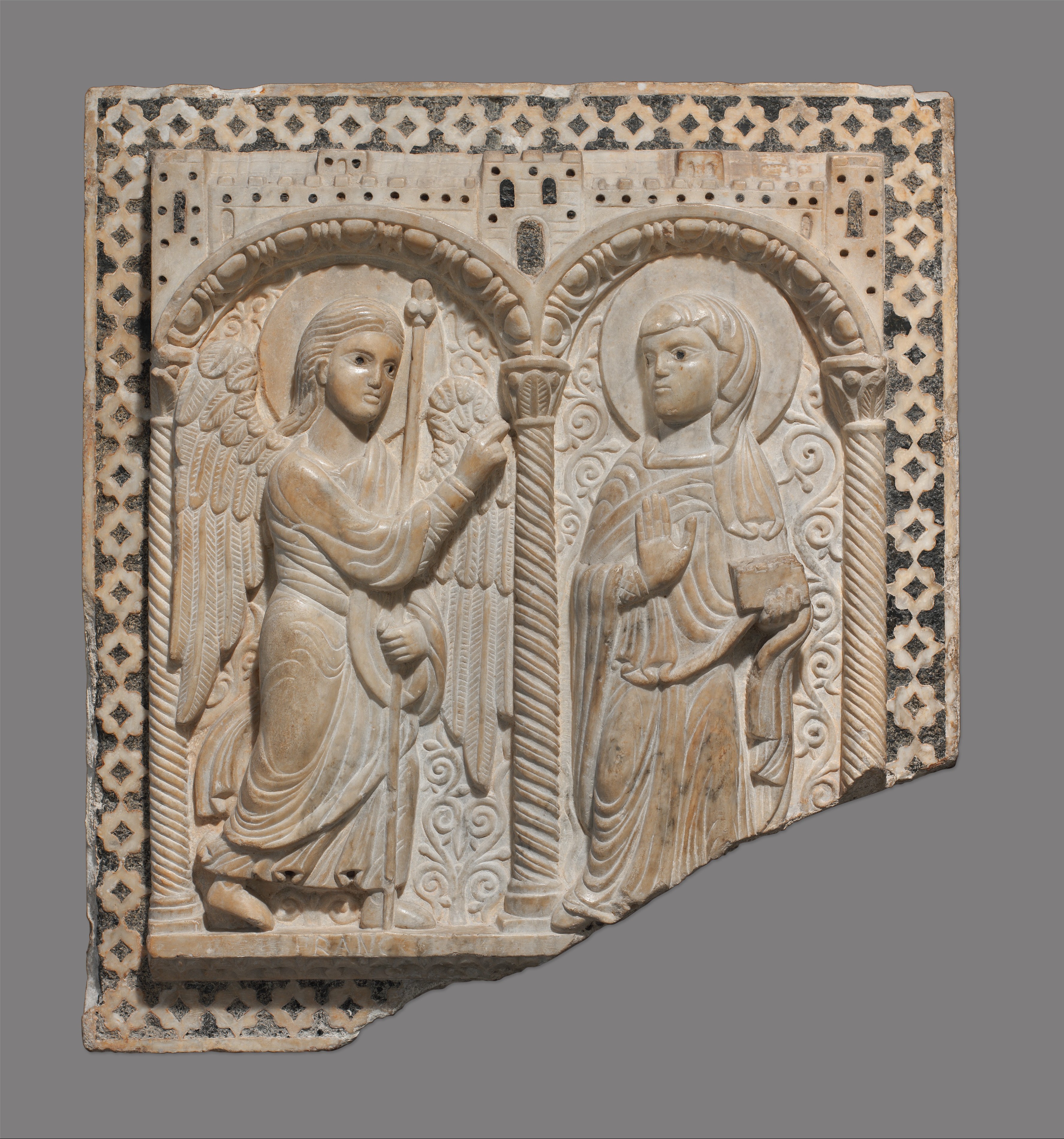
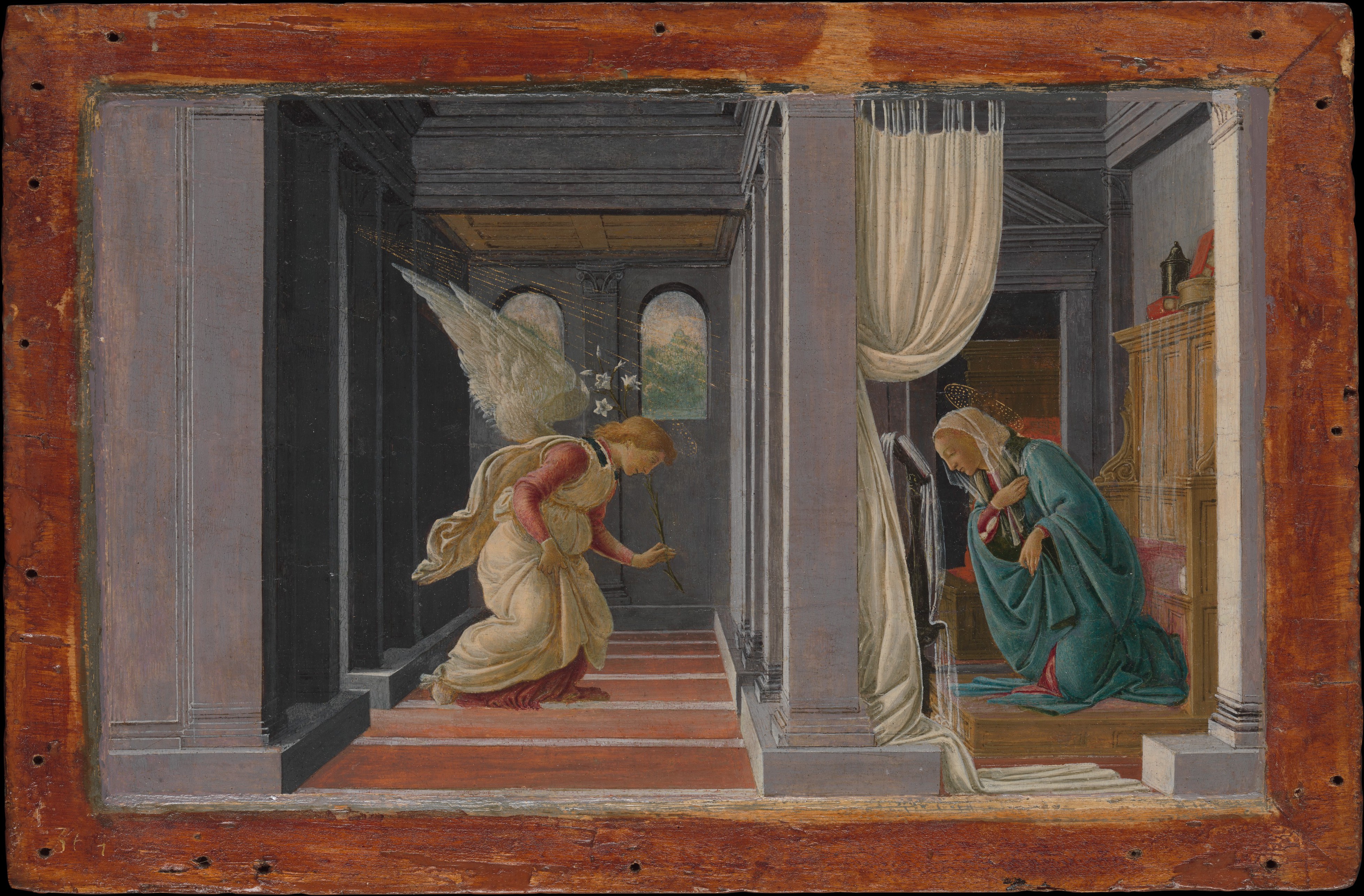
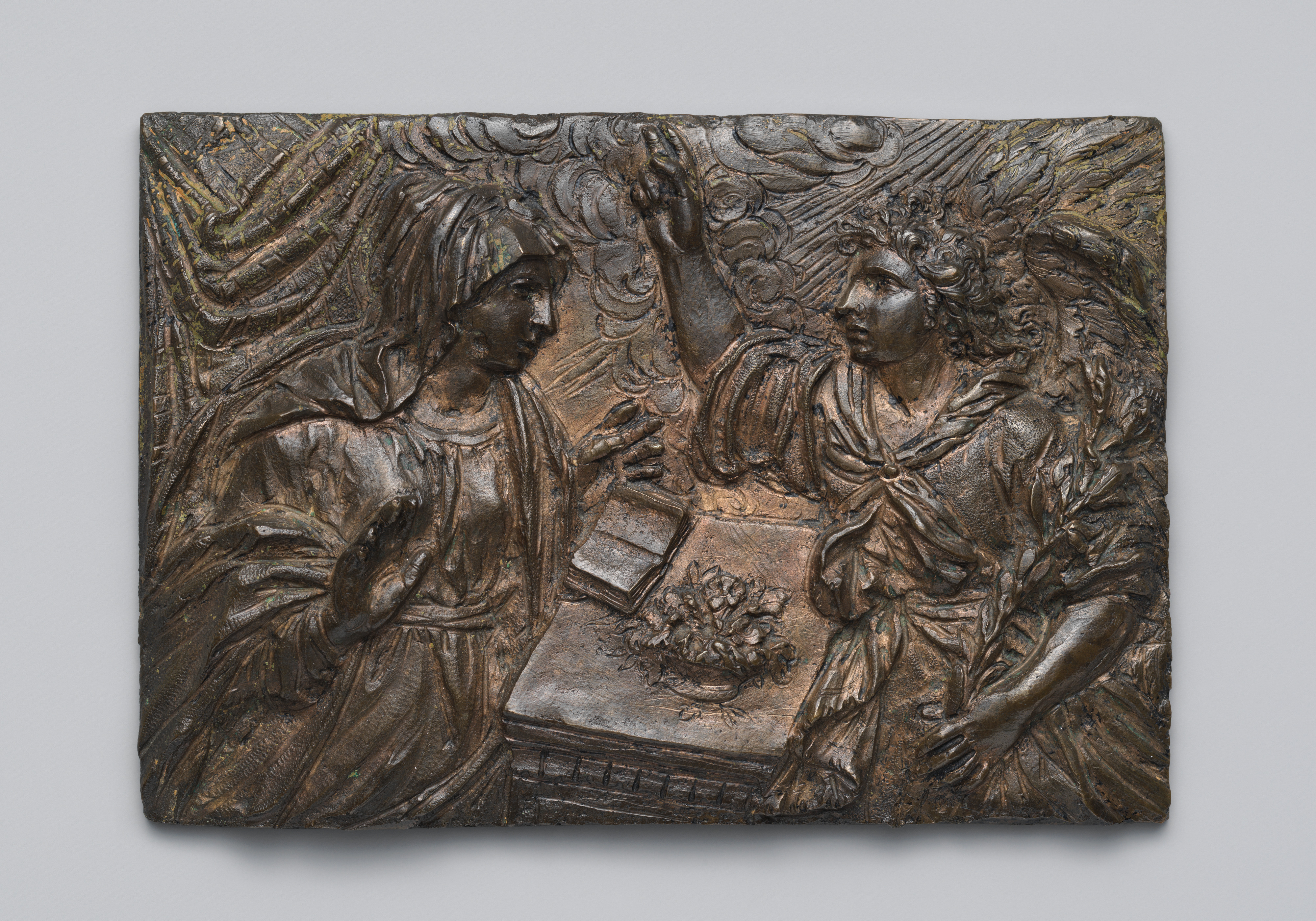
Annunciation Triptych (Merode Altarpiece), Robert Campin

The AnnunciationLuke 1:26-38

10 hands · 1177–1887

And in the sixth month, the angel Gabriel was sent from God into a city of…Luke 1:26

  1. Relief with the Annunciation, Unknownca. 1180–1200Unknown
  2. Shrine of the Virgin, Unknownca. 1300Unknown
  3. The Hours of Jeanne d'Evreux, Queen of France, Jean Pucelleca. 1324–28Jean Pucelle
  4. Annunciation Triptych (Merode Altarpiece), Robert Campinca. 1427–32Robert CampinThis record
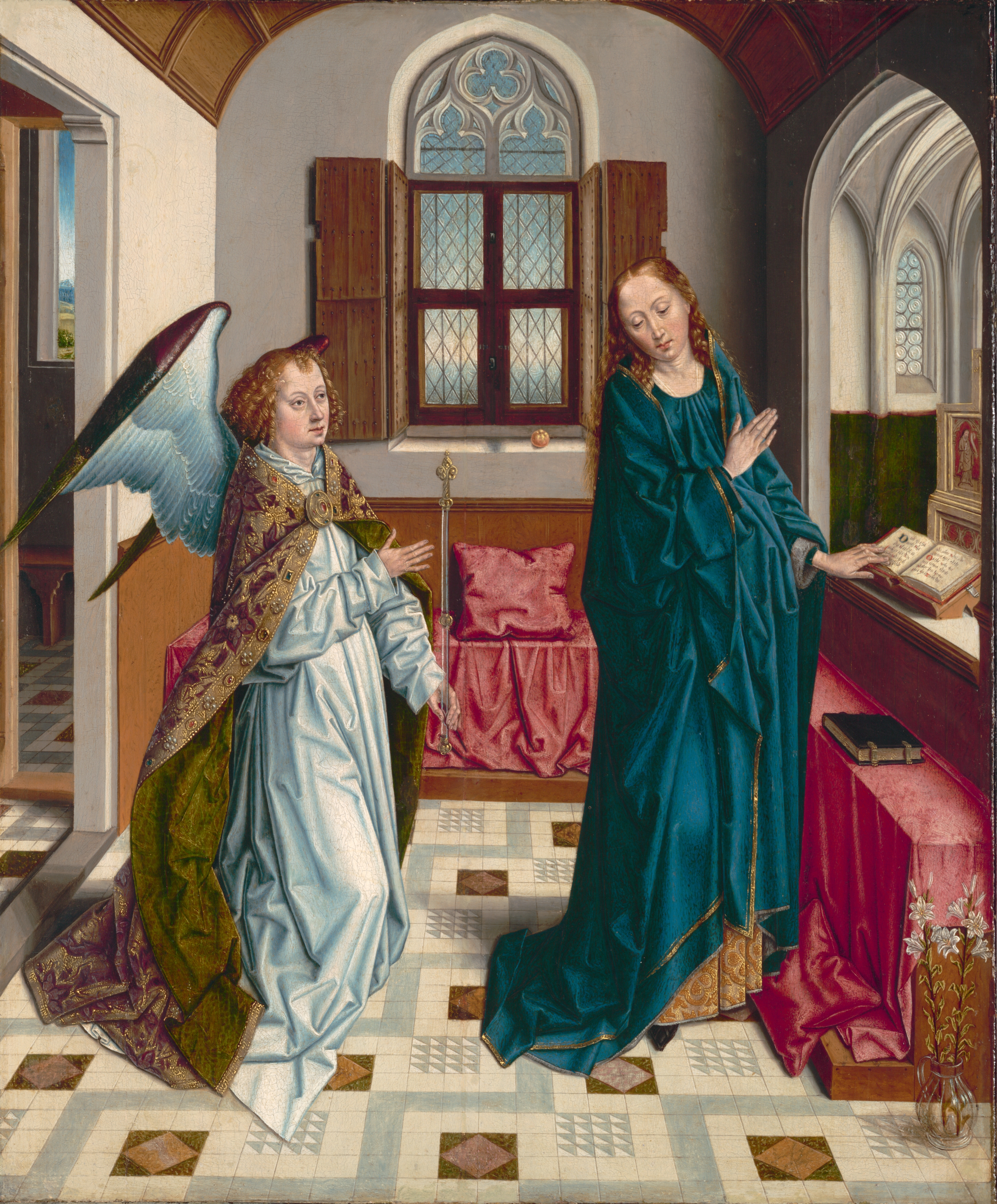
  5. The Annunciation, Albert Bouts (Netherlandish, 1451/55–1549)c. 1480Albert Bouts (Netherlandish, 1451/55–1549)
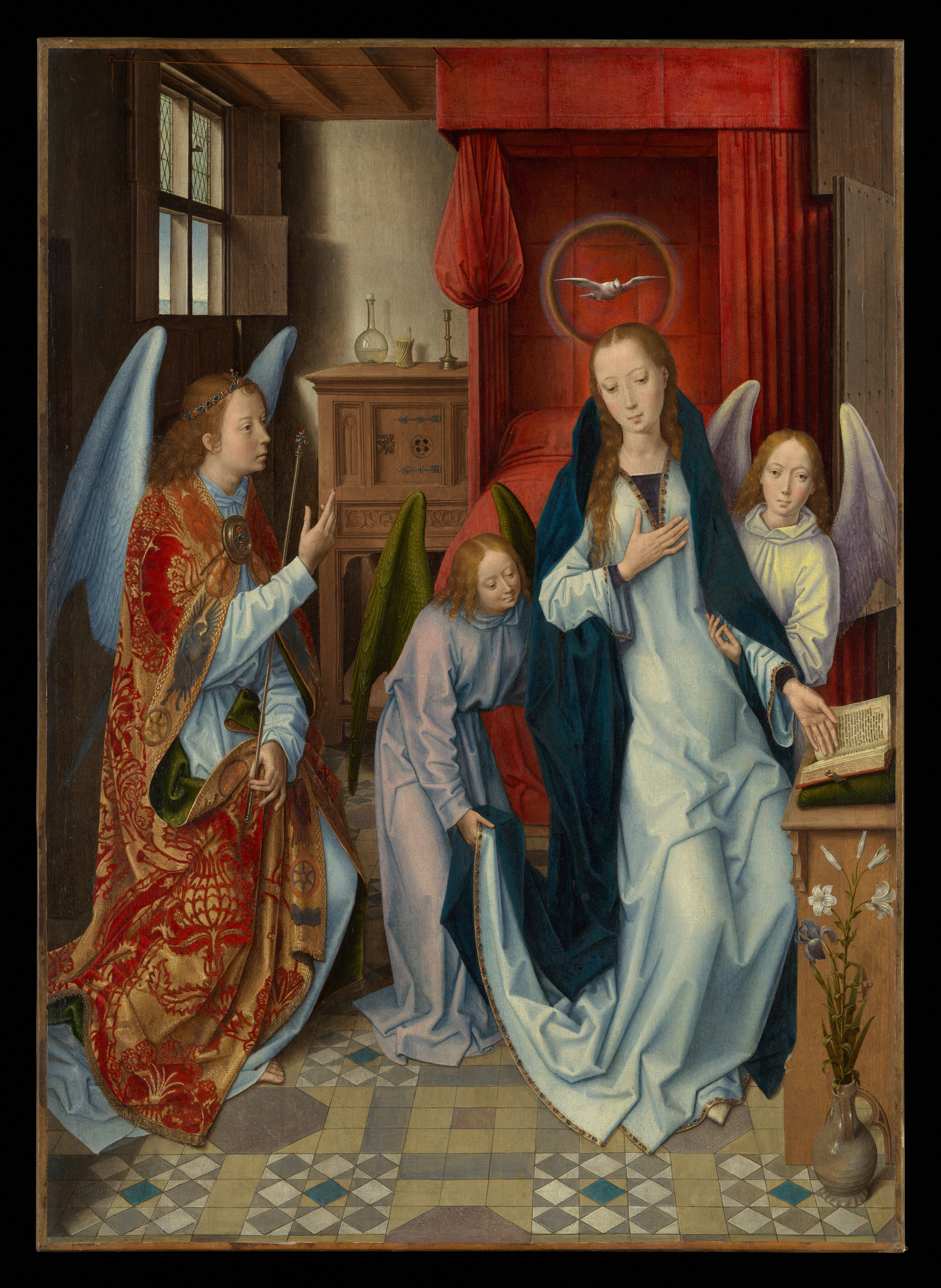
  6. The Annunciation, Hans Memling1480–89Hans Memling
  7. The Annunciation, Botticelli (Alessandro di Mariano Filipepi)ca. 1490Botticelli (Alessandro di Mariano Filipepi)
  8. Christ Is Born as Man's Redeemer (Episode from the Story of the Redemption of Man), Unknown1500–1520Unknown
  9. Annunciation, Niccolò Roccatagliataearly 17th centuryNiccolò Roccatagliata
  10. The Annunciation, George Hitchcock1887George Hitchcock

What it depicts

Luke 1:26-38Opened by a notation lookup, not by an editor. Iconclass 73A5 glosses this subject as “the announcement of Christ's birth (Luke 1:26-38)”, and this library reads the Douay-Rheims, where the passage stands at Luke 1:26-38. Named the Annunciation by Abe Garcia, 2026-09-07. The gloss above is accurate and nobody searches for it; the picture tradition has one name for this subject and that is the name the page carries.

26And in the sixth month, the angel Gabriel was sent from God into a city of Galilee, called Nazareth,

27To a virgin espoused to a man whose name was Joseph, of the house of David; and the virgin’s name was Mary.

28And the angel being come in, said unto her: Hail, full of grace, the Lord is with thee: blessed art thou among women.

29Who having heard, was troubled at his saying, and thought with herself what manner of salutation this should be.

30And the angel said to her: Fear not, Mary, for thou hast found grace with God.

31Behold thou shalt conceive in thy womb, and shalt bring forth a son; and thou shalt call his name Jesus.

32He shall be great, and shall be called the Son of the most High; and the Lord God shall give unto him the throne of David his father; and he shall reign in the house of Jacob for ever.

33And of his kingdom there shall be no end.

34And Mary said to the angel: How shall this be done, because I know not man?

35And the angel answering, said to her: The Holy Ghost shall come upon thee, and the power of the most High shall overshadow thee. And therefore also the Holy which shall be born of thee shall be called the Son of God.

36And behold thy cousin Elizabeth, she also hath conceived a son in her old age; and this is the sixth month with her that is called barren:

37Because no word shall be impossible with God.

38And Mary said: Behold the handmaid of the Lord; be it done to me according to thy word. And the angel departed from her.

Read it in Luke


Seen

Not yet checked

Suggested by an AI model, 2026-09-08 (hf.co/mradermacher/iconclass-vlm-GGUF:Q4_K_M), asked “Generate Iconclass labels for this image”. No one has checked these against the picture yet.

Iconclass
12B634E39

Of

The subjects are the library’s own joins, each marked with who made it. The other rows are claims by the holder and by Wikidata, read 2026-09-04, and join nothing until an editor confirms them.

Subject
The AnnunciationLuke 1:26-38joined by Abe Garcia
Iconclass
7311D3121'Vera Icon', held up by Veronica61B(+55)41A211Gangels11(+5):61B73A52241A725I144square, place, circus, etc.49N11(+5)Christian religion (+ donor(s), supplicant(s), whether or not with patron saint(s))73B72173A4241
Holder's headings
Interiors, Men, Women, Reading, Saint Joseph, Virgin Mary, Archangel Gabriel, Annunciation
Wikidata depicts
Mary, Annunciation, reading, angel, mousetrap

Means

No reading yet.


Rights

Credit
The Cloisters Collection, 1956
Licence
CC0-1.0
Evidence
metmuseum.org collection api v1: isPublicDomain=true on object 470304 (read 2026-08-27)
Record
https://www.metmuseum.org/art/collection/search/470304
Annunciation Triptych (Merode Altarpiece), Robert Campin
Annunciation Triptych (Merode Altarpiece) — Robert Campinca. 1427–32

How this join was made

Metropolitan Museum of Art, New York, NY gives this object the Iconclass notation73 11D3121 61B(+55) 41A2 11G 11(+5):61B 73A522 41A7 25I144 49N 11(+5) 73B721 73A4241, and the library's map reads that notation as Luke 1:26-38. An editor has checked the picture against the passage and confirmed it.

Campin's Merode Altarpiece. The centre panel is the Annunciation in a Flemish room, Mary reading and the angel entering, which is what Iconclass 73A522 names: the Annunciation with Mary sitting.

Within fifty years of ca. 1427–32

83
The Nativity in a Historiated Initial "P" from a Choir Book, Master of the Brussels Initials
The Nativity in a Historiated Initial "P" from a Choir BookMaster of the Brussels Initialsc. 1390The Art Institute of Chicago
The Annunciation, Unknown
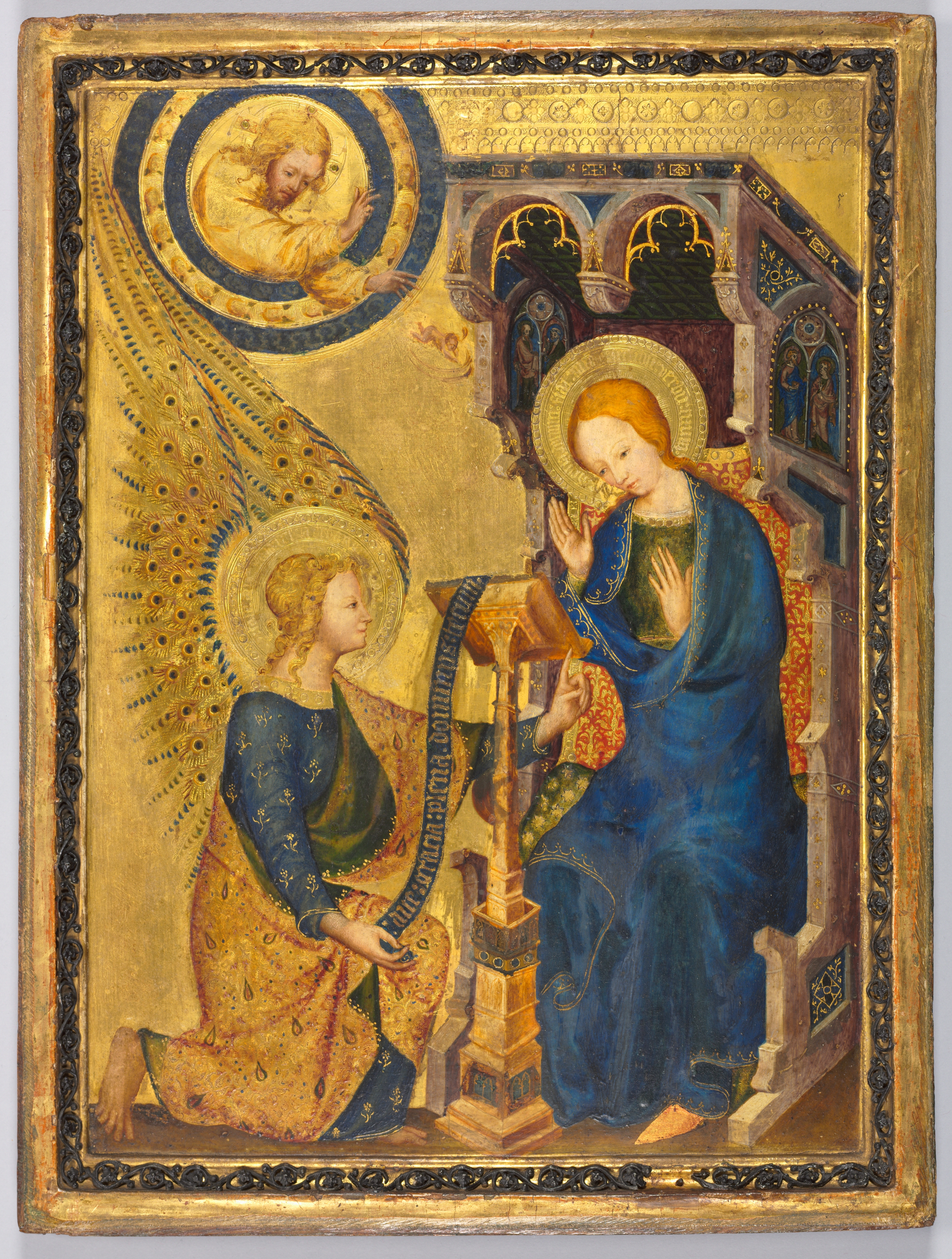
The AnnunciationUnknown1380sCleveland Museum of Art
Speculum Humanae Salvationis, English
from the Abbey of Great Missenden
Speculum Humanae SalvationisEnglish from the Abbey of Great Missenden1382/1406The Art Institute of Chicago
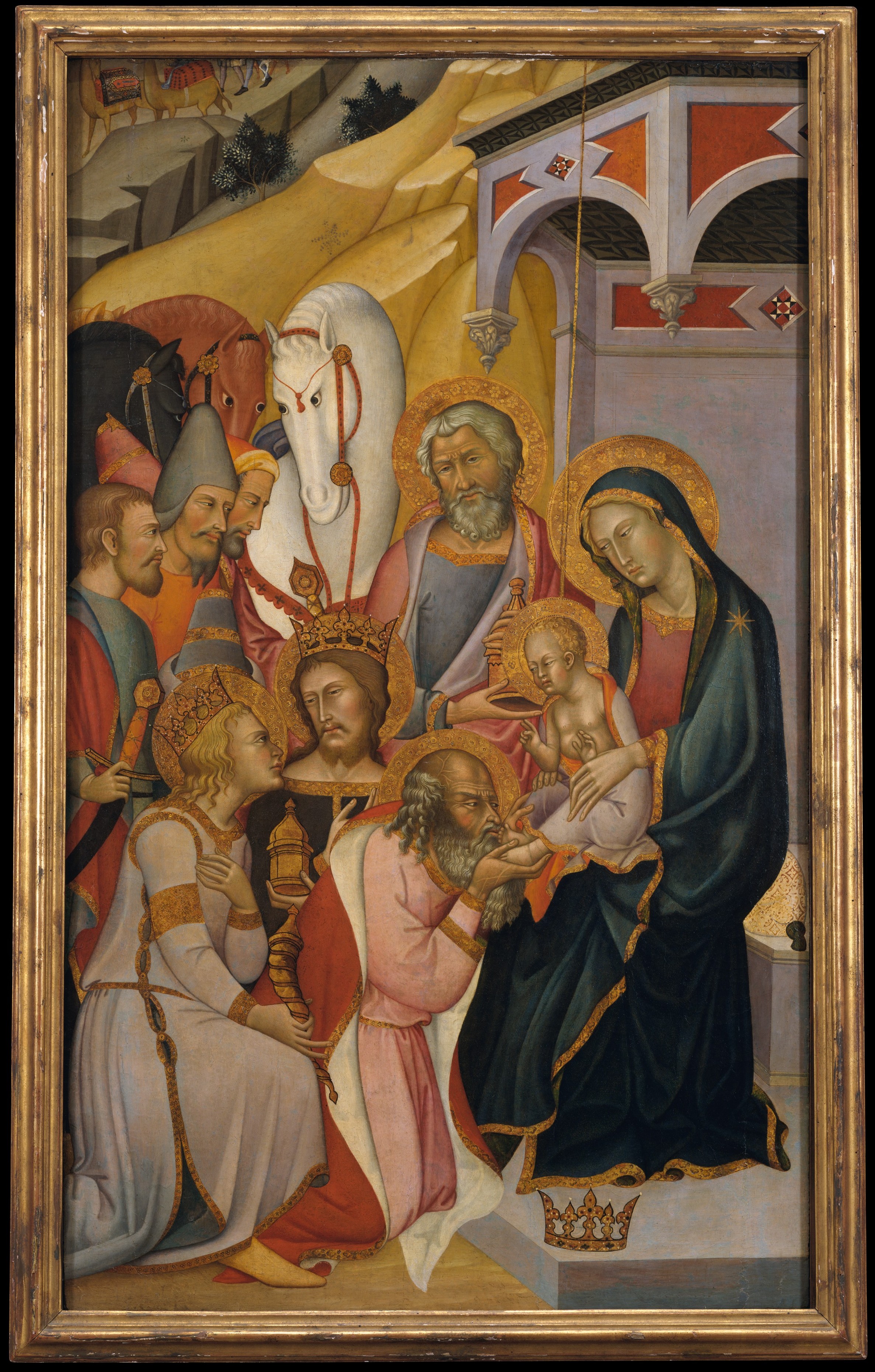
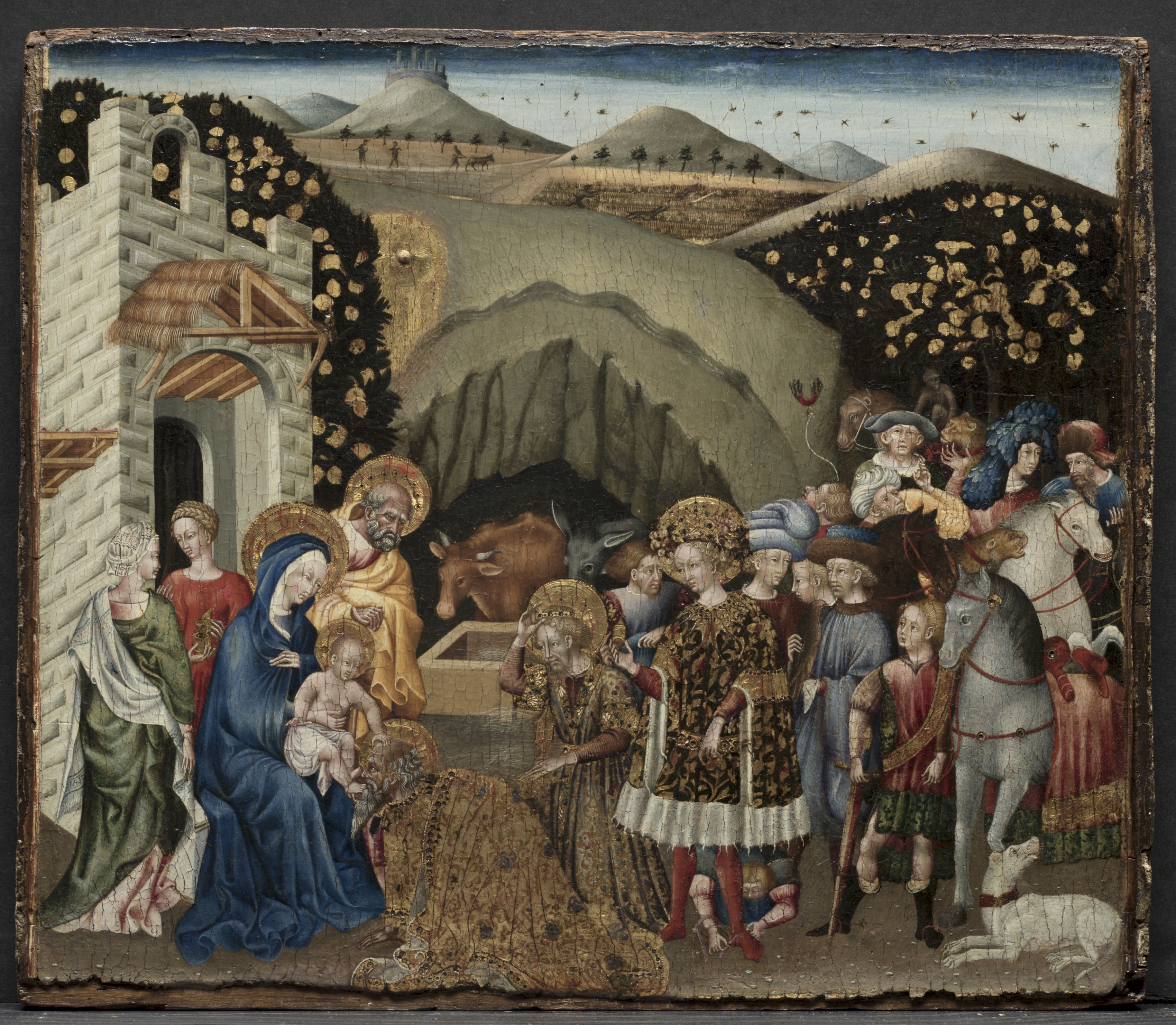
The Adoration of the Magi, Bartolo di Fredi
The Adoration of the MagiBartolo di Fredica. 1390Metropolitan Museum of Art, New York, NY
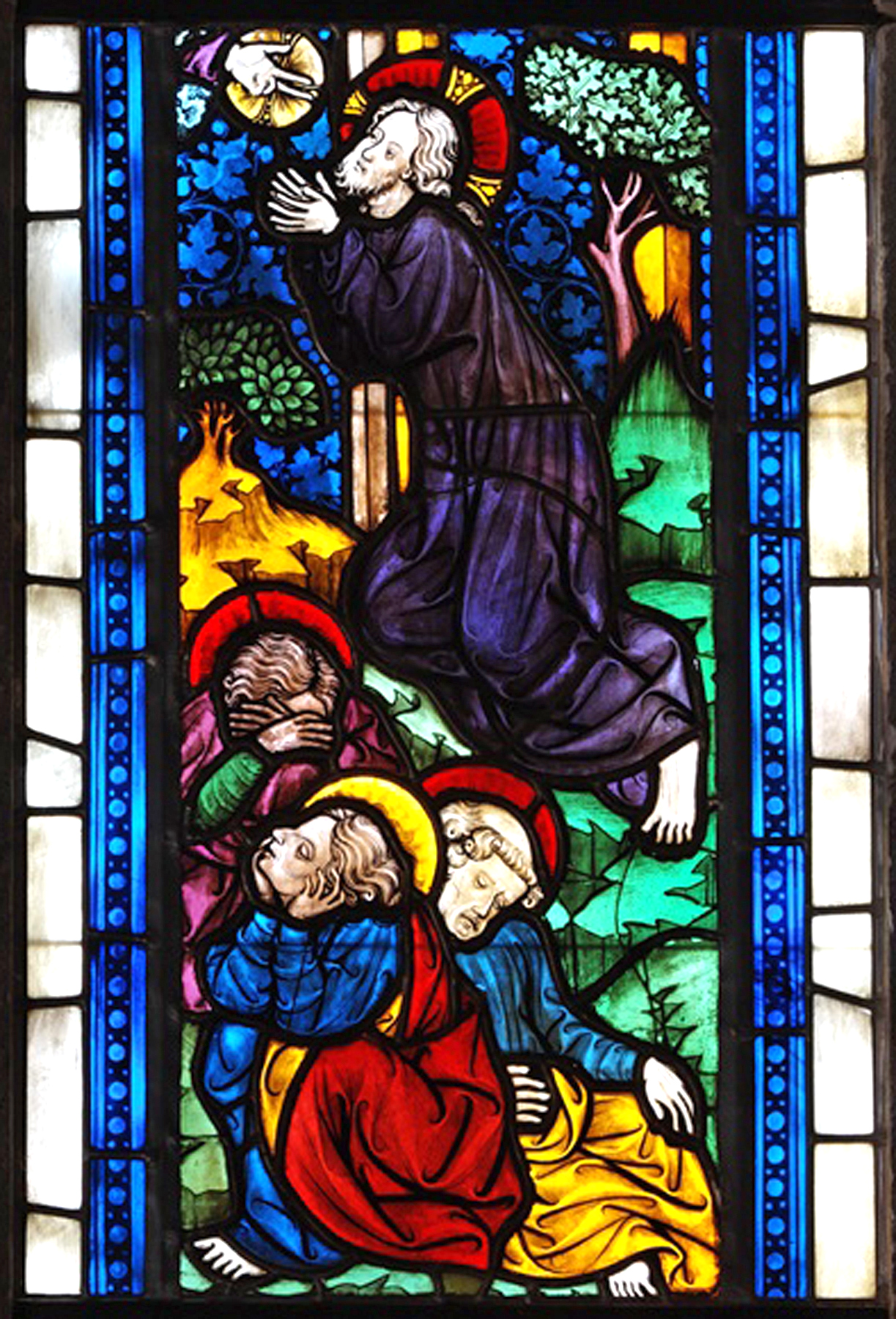
The Agony in the Garden, Unknown
The Agony in the GardenUnknownca. 1390Metropolitan Museum of Art, New York, NY
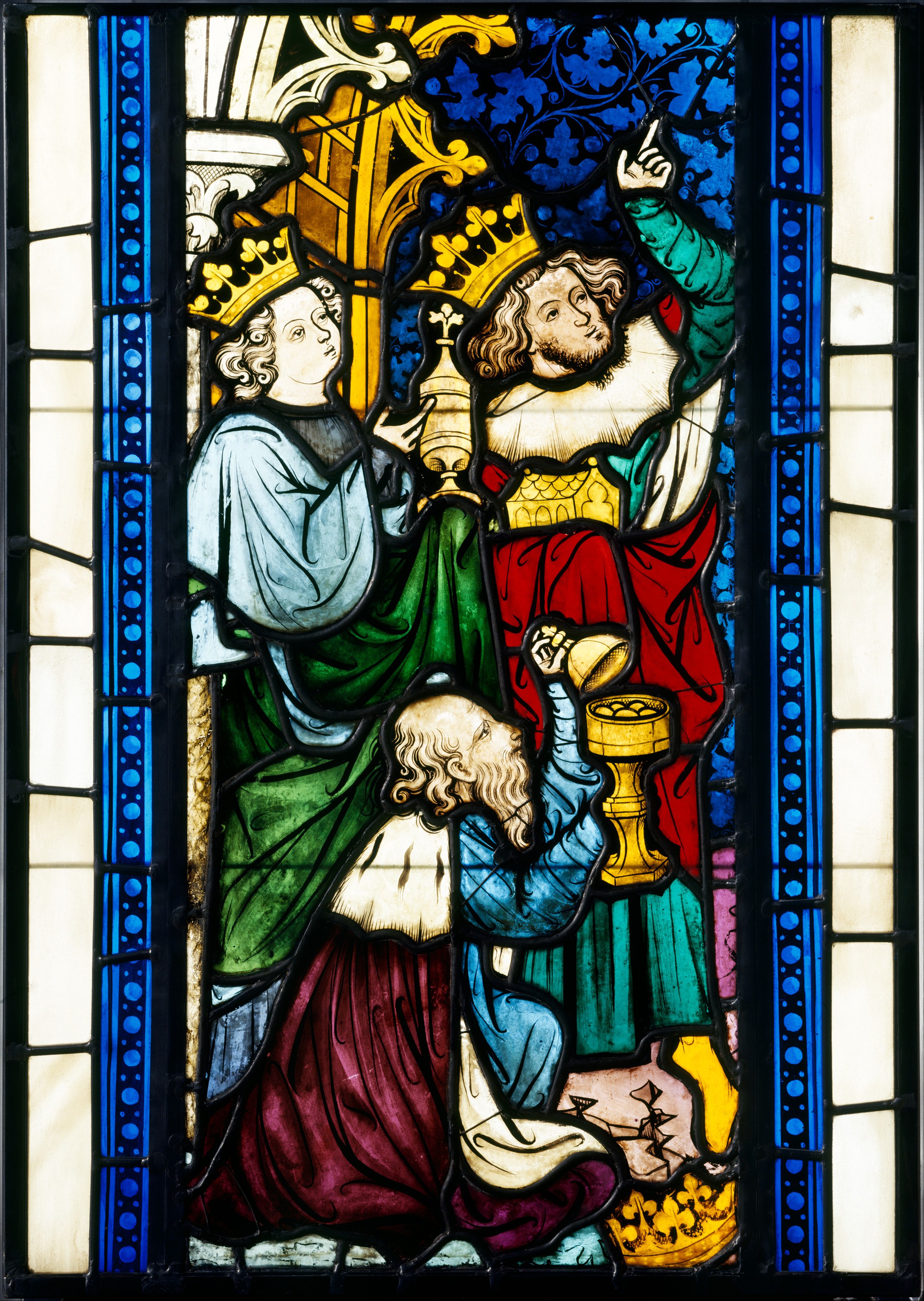
Adoration of the Magi from Seven Scenes from the Life of Christ, Unknown
Adoration of the Magi from Seven Scenes from the Life of ChristUnknownca. 1390Metropolitan Museum of Art, New York, NY
Corpus of Christ, from the Altarpiece of the Crucifixion, Jacques de Baerze
Corpus of Christ, from the Altarpiece of the CrucifixionJacques de Baerze1391–99The Art Institute of Chicago
A Medieval Bakery, from the Book of Problems of Pseudo-Aristotle, translated into the French by Évrart de Conty, Master of the Second Roman de la Rose of the Duke of Berry,
A Medieval Bakery, from the Book of Problems of Pseudo-Aristotle, translated into the French by Évrart de ContyMaster of the Second Roman de la Rose of the Duke of Berry,ca. 1400Metropolitan Museum of Art, New York, NY

Also at Metropolitan Museum of Art, New York, NY

739
Marble female figure, Bastis Master
Marble female figureBastis Master2600–2400 BCEMetropolitan Museum of Art, New York, NY
Relief Fragment with a Ship Under Sail, Unknown
Relief Fragment with a Ship Under SailUnknownca. 2465–2458 BCEMetropolitan Museum of Art, New York, NY
Tomb Chapel of Raemkai: South Wall, Unknown
Tomb Chapel of Raemkai: South WallUnknownca. 2446–2389 BCEMetropolitan Museum of Art, New York, NY
West wall of the chapel of the mastaba Kaemsenu with niches for Iretnub, Kaemsenu and Werdjedptah, Unknown
West wall of the chapel of the mastaba Kaemsenu with niches for Iretnub, Kaemsenu and WerdjedptahUnknownca. 2420–2250 BCEMetropolitan Museum of Art, New York, NY
Design amulet, Cow and Calf on the Back, Device showing Antithetical Falcons Flanking an Ankh Sign over a Crouching Lion, Unknown
Design amulet, Cow and Calf on the Back, Device showing Antithetical Falcons Flanking an Ankh Sign over a Crouching LionUnknownca. 2150–2100 B.C.Metropolitan Museum of Art, New York, NY
Design Amulet, Pyramidal Back with Horizontal Piercing, Device showing Two Falcons Flanking what is meant to be an Ankh Sign, Unknown
Design Amulet, Pyramidal Back with Horizontal Piercing, Device showing Two Falcons Flanking what is meant to be an Ankh SignUnknownca. 2150–2010 B.C.Metropolitan Museum of Art, New York, NY
Design Amulet, Cow Nursing Calf and also a Kneeling Suckling Man Visible on Opposite Side on the Back, Device showing Antithetical Falcons with an Ankh Sign over a Lion, Unknown
Design Amulet, Cow Nursing Calf and also a Kneeling Suckling Man Visible on Opposite Side on the Back, Device showing Antithetical Falcons with an Ankh Sign over a LionUnknownca. 2150–2100 B.C.Metropolitan Museum of Art, New York, NY
Design Amulet, Back in the Form of a Woman Suckling a Child, Device showing Two Lizards Head-to-tail, Unknown
Design Amulet, Back in the Form of a Woman Suckling a Child, Device showing Two Lizards Head-to-tailUnknownca. 2100–2080 B.C.Metropolitan Museum of Art, New York, NY

Similar picturesFound by visual likeness

6 pictures

Visual resemblances suggested by the model. A match does not establish a shared subject or historical connection.

Madonna and Child Enthroned with Saints, Raphael (Raffaello Sanzio or Santi)
Madonna and Child Enthroned with SaintsRaphael (Raffaello Sanzio or Santi)ca. 1504Metropolitan Museum of Art, New York, NY
0.85
The Annunciation, Albert Bouts (Netherlandish, 1451/55–1549)
The AnnunciationAlbert Bouts (Netherlandish, 1451/55–1549)c. 1480Cleveland Museum of Art
0.85
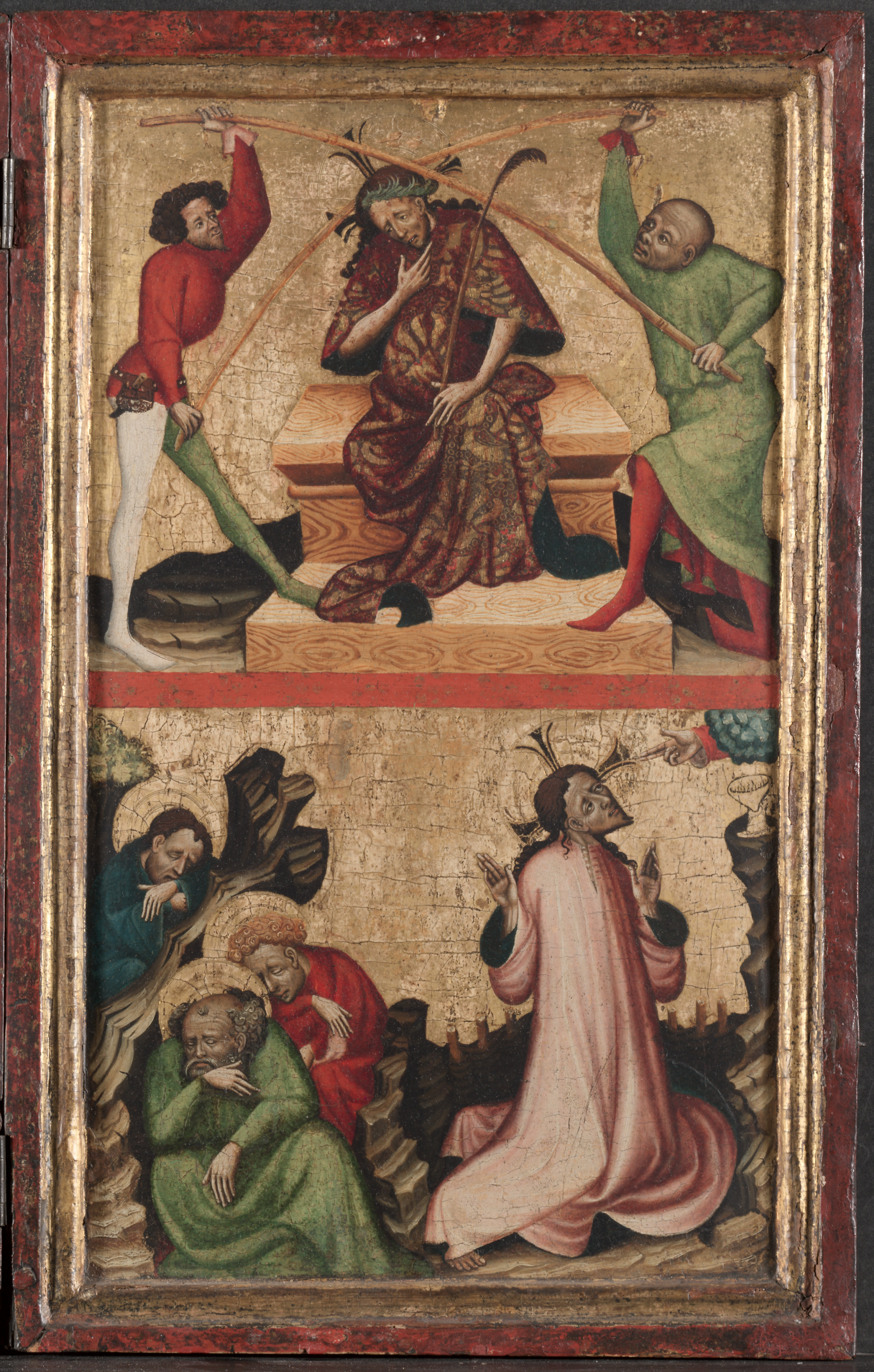
Saint Remigius Replenishing the Barrel of Wine; (interior) Saint Remigius and the Burning Wheat, Swiss Painter
Saint Remigius Replenishing the Barrel of Wine; (interior) Saint Remigius and the Burning WheatSwiss Painterca. 1500–1505Metropolitan Museum of Art, New York, NY
0.84
The Adoration of the Magi, Giovanni di Paolo (Italian, c. 1403–1482)
The Adoration of the MagiGiovanni di Paolo (Italian, c. 1403–1482)1440–45Cleveland Museum of Art
0.83
The Annunciation, Hans Memling
The AnnunciationHans Memling1480–89Metropolitan Museum of Art, New York, NY
0.83

Connections

Depicts

  • The AnnunciationCampin's Merode Altarpiece. The centre panel is the Annunciation in a Flemish room, Mary reading and the angel entering, which is what Iconclass 73A522 names: the Annunciation with Mary sitting.

Next

Made in the fifteenth century, like Annunciation Triptych (Merode Altarpiece).

0:00–0:00