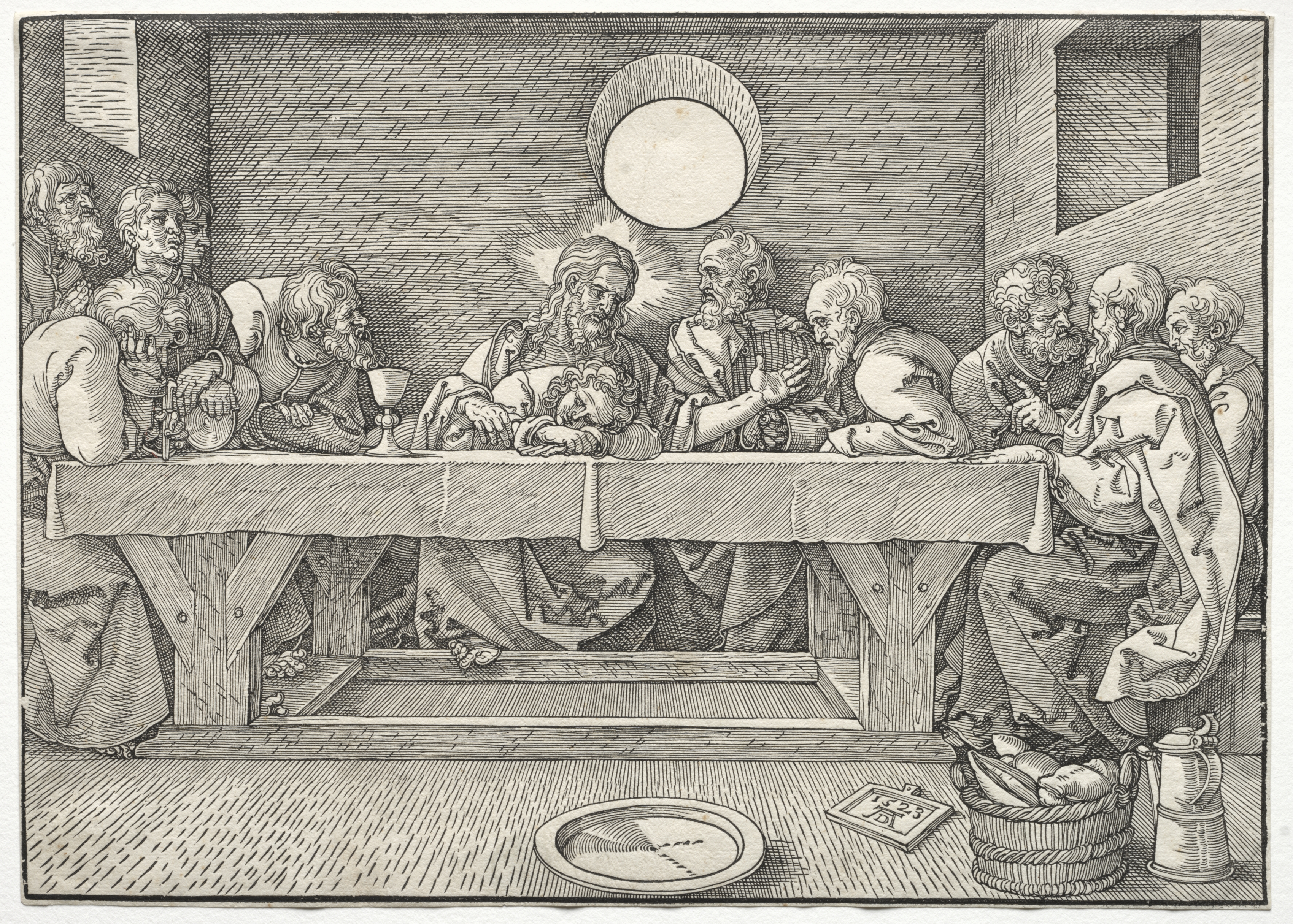
The Last Supper, Albrecht Dürer (German, 1471–1528)

Seen

Not described yet.


Of

These are claims by the holder and by Wikidata, read 2026-09-17, and join nothing until an editor confirms them.

Wikidata depicts
Last Supper

Means

No reading yet.


Rights

Credit
Norman O. Stone and Ella A. Stone Memorial Fund
Licence
CC0-1.0
Evidence
openaccess-api.clevelandart.org: share_license_status=CC0 on artwork 143096 (read 2026-09-16)
Record
https://clevelandart.org/art/1966.9
The Last Supper, Albrecht Dürer (German, 1471–1528)
The Last Supper — Albrecht Dürer (German, 1471–1528)1523

Also by Albrecht Dürer (German, 1471–1528)

15
The Promenade, Albrecht Dürer (German, 1471–1528)
The PromenadeAlbrecht Dürer (German, 1471–1528)c. 1497Cleveland Museum of Art
The Large Passion:  The Crucifixion, Albrecht Dürer (German, 1471–1528)
The Large Passion: The CrucifixionAlbrecht Dürer (German, 1471–1528)c. 1497–1500Cleveland Museum of Art
Hercules at the Crossroad, Albrecht Dürer (German, 1471–1528)
Hercules at the CrossroadAlbrecht Dürer (German, 1471–1528)c. 1498Cleveland Museum of Art
The Virgin and Child with a Monkey, Albrecht Dürer (German, 1471–1528)
The Virgin and Child with a MonkeyAlbrecht Dürer (German, 1471–1528)c. 1498Cleveland Museum of Art
The Four Horsemen, from The Apocalypse, Albrecht Dürer (German, 1471–1528)
The Four Horsemen, from The ApocalypseAlbrecht Dürer (German, 1471–1528)c. 1498Cleveland Museum of Art
Saint Eustace, Albrecht Dürer (German, 1471–1528)
Saint EustaceAlbrecht Dürer (German, 1471–1528)c. 1501Cleveland Museum of Art
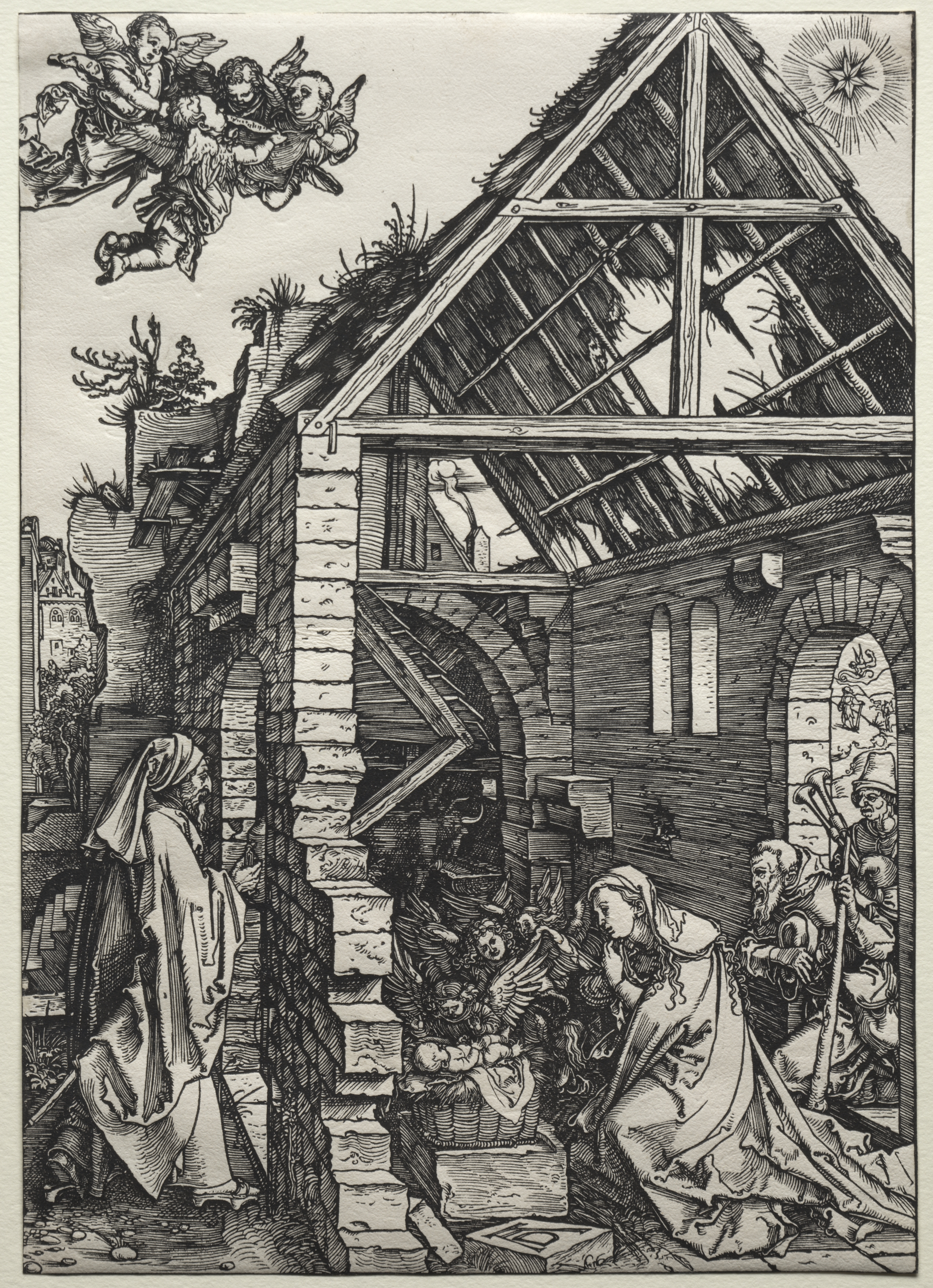
The Nativity, Albrecht Dürer (German, 1471–1528)
The NativityAlbrecht Dürer (German, 1471–1528)c. 1502–3Cleveland Museum of Art
The Flight into Egypt, Albrecht Dürer (German, 1471–1528)
The Flight into EgyptAlbrecht Dürer (German, 1471–1528)c. 1503–5Cleveland Museum of Art

Within fifty years of 1523

382
Studiolo from the Ducal Palace in Gubbio, Francesco di Giorgio Martini
Studiolo from the Ducal Palace in GubbioFrancesco di Giorgio Martinica. 1478–82Metropolitan Museum of Art, New York, NY
Phaeton Driving the Chariot of Phoebus, Northern Italian
Phaeton Driving the Chariot of PhoebusNorthern Italian1475–1500The Art Institute of Chicago
Left side of a double-page album folio: Outside a Royal Encampment (recto) and Calligraphy, Persian Verses (verso), Bihzad (Iranian, active 1470–1506)
Left side of a double-page album folio: Outside a Royal Encampment (recto) and Calligraphy, Persian Verses (verso)Bihzad (Iranian, active 1470–1506)c. 1485Cleveland Museum of Art
Madonna and Child, Vincenzo Foppa
Madonna and ChildVincenzo Foppaca. 1480Metropolitan Museum of Art, New York, NY
Crucified Christ, Unknown
Crucified ChristUnknownc. 1480–1500Cleveland Museum of Art
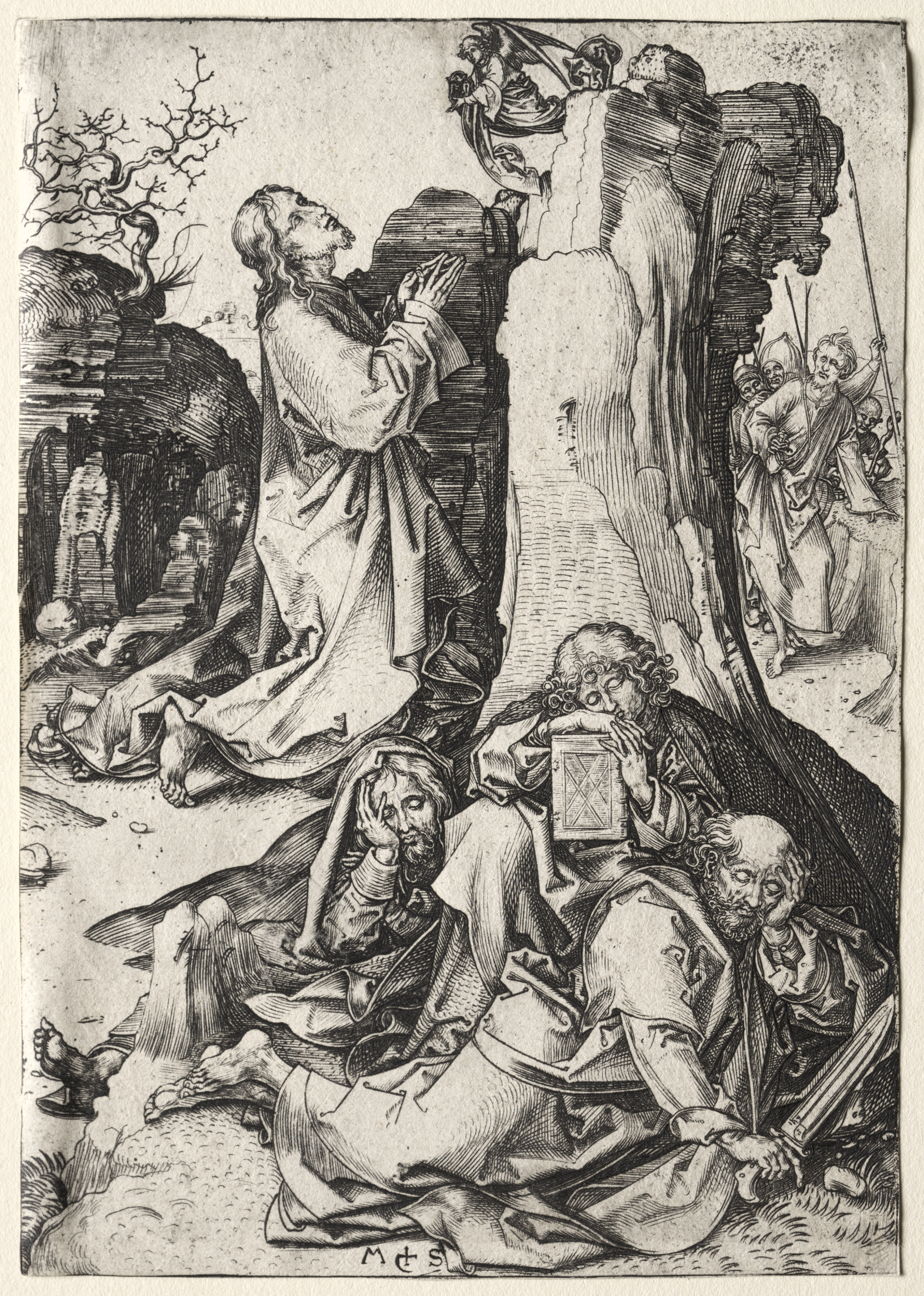
The Passion: The Agony in the Garden, Martin Schongauer (German, c. 1450–1491)
The Passion: The Agony in the GardenMartin Schongauer (German, c. 1450–1491)c. 1480Cleveland Museum of Art
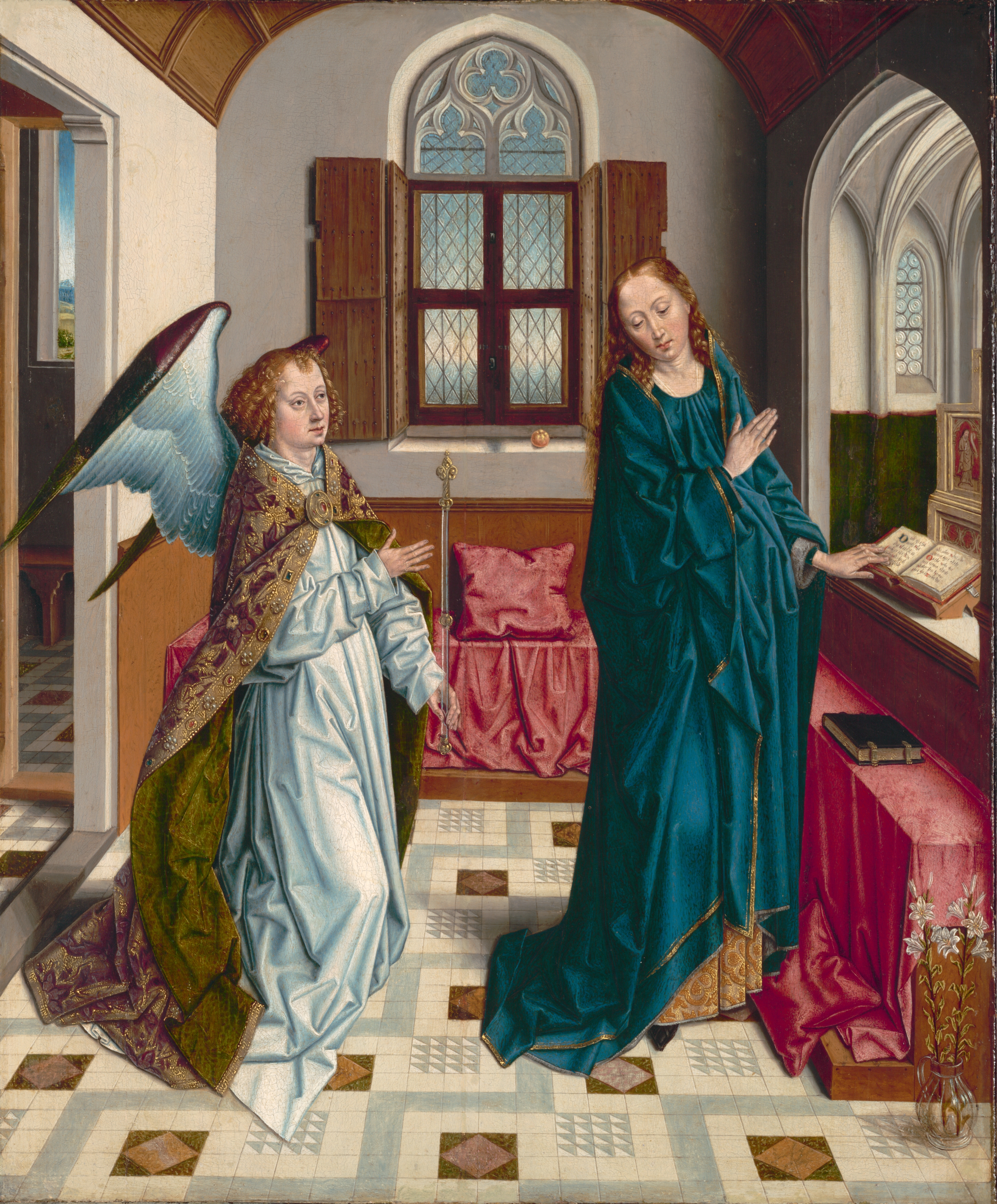
The Annunciation, Albert Bouts (Netherlandish, 1451/55–1549)
The AnnunciationAlbert Bouts (Netherlandish, 1451/55–1549)c. 1480Cleveland Museum of Art
A Bear Walking, Leonardo da Vinci
A Bear WalkingLeonardo da Vincica. 1482–85Metropolitan Museum of Art, New York, NY

Also at Cleveland Museum of Art

552
Relief of Nyankhnesut Seated, Unknown
Relief of Nyankhnesut SeatedUnknownc. 2311–2281 BCECleveland Museum of Art
Stele of Shemai, Unknown
Stele of ShemaiUnknownc. 1960–1916 BCECleveland Museum of Art
Relief of Hatshepsut or Tuthmosis III, Unknown
Relief of Hatshepsut or Tuthmosis IIIUnknown1479–1425 BCECleveland Museum of Art
Talatat: Portrait of Nefertiti, Unknown
Talatat: Portrait of NefertitiUnknownc. 1353–1347 BCECleveland Museum of Art
Talatat: Portrait of Nefertiti, Unknown
Talatat: Portrait of NefertitiUnknownc. 1353–1347 BCECleveland Museum of Art
Talatat: Nefertiti Offers to the Aten, Unknown
Talatat: Nefertiti Offers to the AtenUnknown1353–1347 BCECleveland Museum of Art
Tomb Relief of the Chief Physician Amenhotep and Family, Unknown
Tomb Relief of the Chief Physician Amenhotep and FamilyUnknownc. 1279–1257 BCECleveland Museum of Art
Stele of the High Priest of Ptah, Shedsunefertem, Unknown
Stele of the High Priest of Ptah, ShedsunefertemUnknown945–924 BCECleveland Museum of Art

Similar picturesFound by visual likeness

8 pictures

Visual resemblances suggested by the model. A match does not establish a shared subject or historical connection.

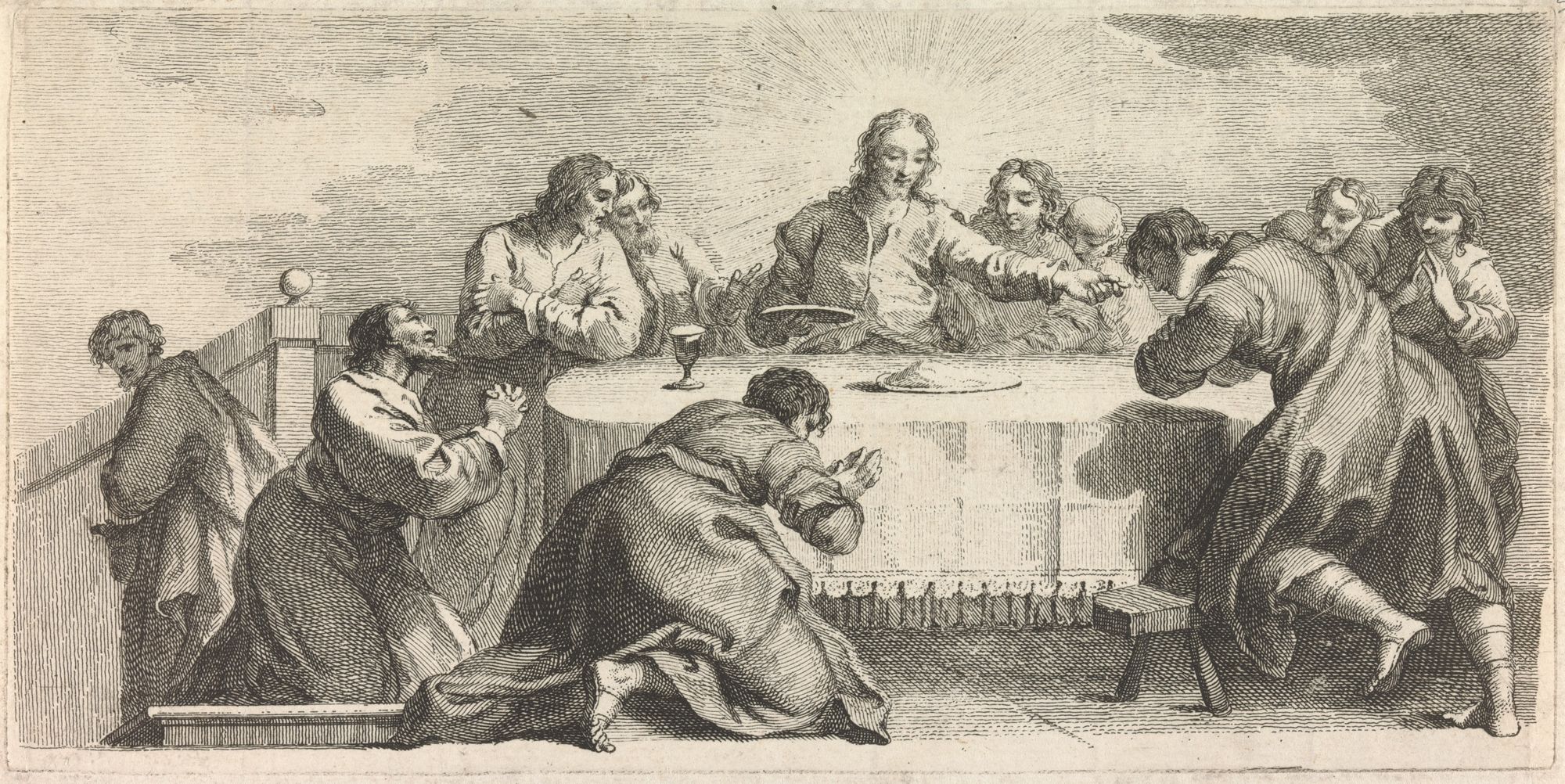
The Last Supper, Albrecht Dürer (German, 1471–1528)
The Last SupperAlbrecht Dürer (German, 1471–1528)1510Cleveland Museum of Art
0.91
The Last Supper, Francesco Bartolozzi
The Last SupperFrancesco BartolozziundatedYale Center for British Art
0.90
Backgammon Players, Lucas Emil Vorsterman
Backgammon PlayersLucas Emil Vorstermanc. 1630The Art Institute of Chicago
0.88
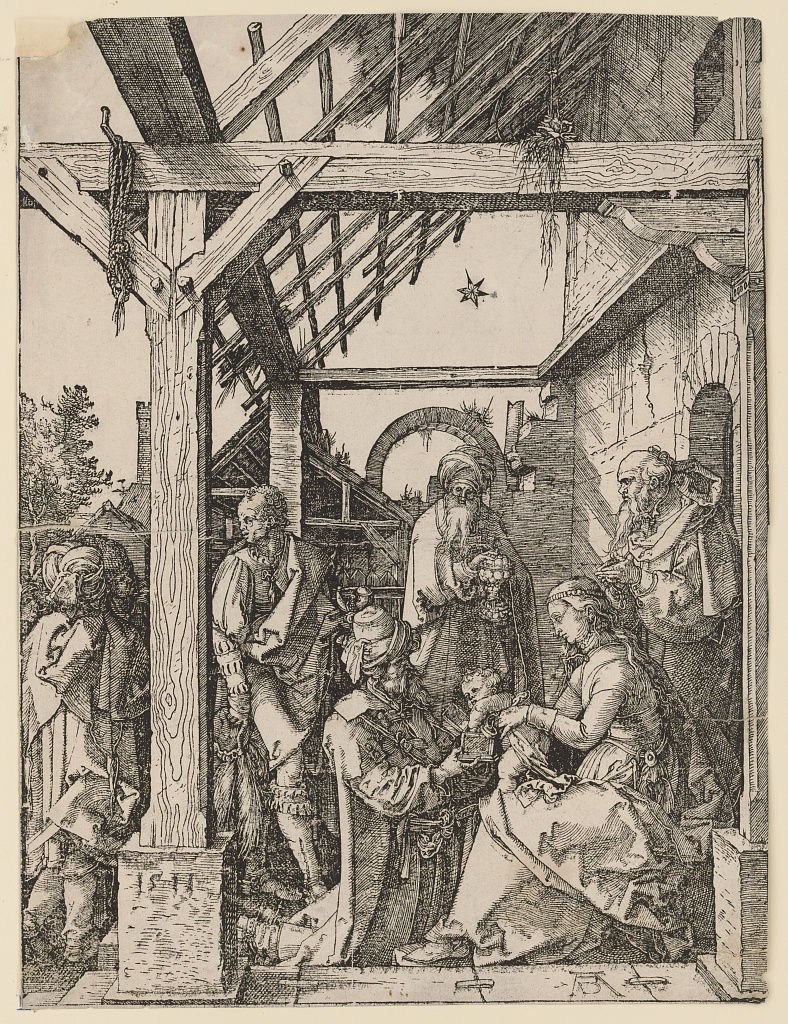
[Adoration of the Magi] / AD [monogram]., Dürer, Albrecht, 1471-1528, artist
[Adoration of the Magi] / AD [monogram].Dürer, Albrecht, 1471-1528, artist[Nuremberg], [1511]Library of Congress
0.87
The Destruction of Bel and his Temple, Martin Van Heemskerk, Netherlandish, 1498 - 1574
The Destruction of Bel and his TempleMartin Van Heemskerk, Netherlandish, 1498 - 15741556Cooper Hewitt, Smithsonian Design Museum
0.85
Christ Preaching ('La Petite Tombe'), Rembrandt van Rijn (Dutch, 1606–1669)
Christ Preaching ('La Petite Tombe')Rembrandt van Rijn (Dutch, 1606–1669)c. 1652Cleveland Museum of Art
0.85
The Nativity, Albrecht Dürer (German, 1471–1528)
The NativityAlbrecht Dürer (German, 1471–1528)c. 1502–3Cleveland Museum of Art
0.85
The Presentation of Christ in the Temple, Albrecht Dürer (German, 1471–1528)
The Presentation of Christ in the TempleAlbrecht Dürer (German, 1471–1528)c. 1504–1505Cleveland Museum of Art
0.85

In the stacks

Not yet checked
4

Passages in the library’s own holdings that name this maker. The model ranked them; nobody has checked that the name means this person.

  1. Vision and Design · Roger Fry

    Drawing still retained something of the blunt, almost brutal frankness of statement, together with the sense of the characteristic which marked its earlier period. And it is perhaps this inheritance of Gothic directness of statement, this Gothic realism, that accounts for what is ultimately of most value in Dürer’s work. There exists in the Kunsthistorisches Akademie at Vienna a painting of a man, dated 1394, which shows how much of Dürer’s portraiture was already implicit in the Nuremberg school. In this remarkable work, executed, if we may trust the date,
    0.73
  2. Vision and Design · Roger Fry

    What, then, lies at the root of Dürer’s art is this Gothic sense of the characteristic, already menaced by the professional bravura of the late Gothic craftsman. The superstructure is what Dürer’s industry and intellectual acquisitiveness, acting in the peculiar conditions of his day, brought forth. It is in short what distinguishes him as the pioneer of the Renaissance in Germany. This new endeavour was in two directions, one due mainly to the trend of native ideas, the other to Italian influence. The former was concerned mainly with a new
    0.72
  3. The Bases of Design · Walter Crane

    Up to the end of the fifteenth century the Gothic and ornamental feeling is still dominant in the treatment of the design of woodcuts in books, and most instructive and suggestive they are in simplicity of method and line, and directness of expression. Characteristic German work of Gothic feeling and considerable graphic force is seen in the woodcuts of the Nuremberg Chronicle (1493) designed by Michael Wolgemuth, the master of Albert Dürer. In these vigorous cuts we may plainly see the tradition of that Gothic feeling and style of graphic
    0.72
  4. principles of art history · heinrich wolfflin

    Dürer patterns do not coincide with objective facts, but for all that, they are lines, clear, ornamental patterns which are intended to be seen for themselves, which do not merely assert themselves in the impression of the whole but can hold their own even at the closest range. Therein lies the difference from the painterly foliage painting of the seventeenth century. If we wish to speak of premonitions of the painterly style, we shall find them rather in the fifteenth century than in the sixteenth. We find there, indeed, in
    0.71

Next

Albrecht Dürer (German, 1471–1528) made The Last Supper, and made these too.

Made in the sixteenth century, like The Last Supper.

0:00–0:00