medium
gum tempera 12 works · 1520 to 1755 · aat:300015065
20 of 442 ids checked against the materials Wikidata records named a different concept (4.5%), read 2026-09-08
gum tempera Cleveland Museum of Art12 as in Gum tempera, ink, and gold on paper , gum tempera, ink, and gold on paper , Gum tempera and gold on paper , gum tempera and gold on paper and 2 more Page from the Panj Ganj (Five Treasures) of Abd al-Rahman Jami (Persian, 1414–1492), with two Persian masnavis (narrative poems): Yusuf va Zulaykha (Joseph and Zulaykha) and Subhat al-abrar (Rosary of the Righteous) Mushfiq (Indian, active early 1600s); others (Indian)Text c. 1500–1520; painting, borders, and illuminations added 1603–7
Text copied by Sultan-Ali Mashhadi (Persian, active early 1500s) for Badi al-Zaman Mirza, ruler of Herat
Painted insets and borders by Mushfiq (Indian, active 1580s–early 1600s)
Text copied in Herat
Painting, borders, and illuminations made in the Deccan for Mughal minister Abd al-Rahim the Khan Khanan Cleveland Museum of Art Page from a Panj Ganj (Five Treasures) of Abd al-Rahman Jami (Persian, 1414–1492), with two Persian
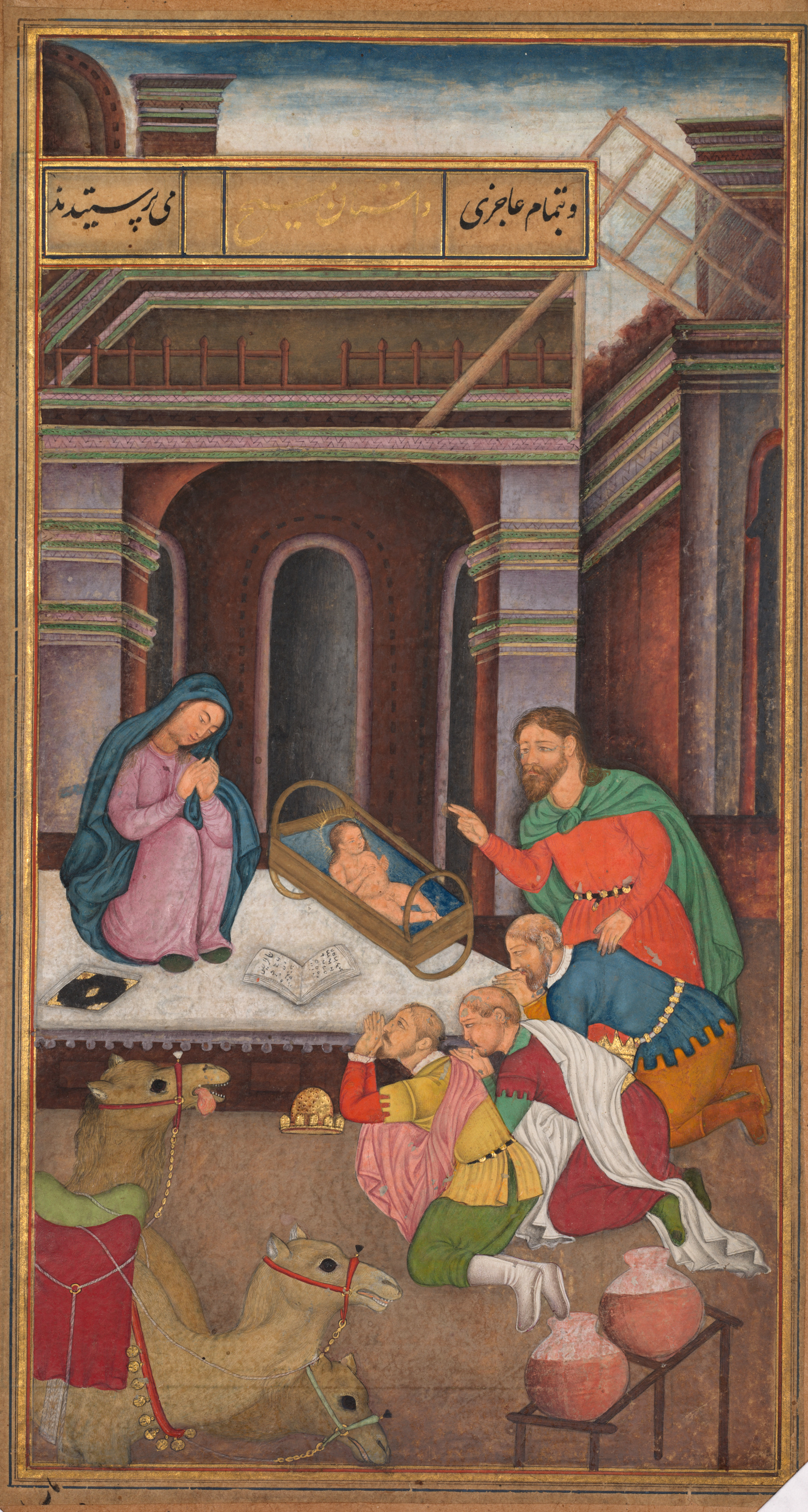
masnavis: Yusuf va Zulaykha (Joseph and Zulaykha) and Subhat al-abrar (Rosary of the Righteous) (verso) Mushfiq (Indian, active early 1600s); others (Indian)1520–1607 Cleveland Museum of Art The Parrot Addresses Khujasta at the Beginning of the Seventh Night, from a Tuti-nama (Tales of a Parrot) Unknownc. 1560 Cleveland Museum of Art Lovers parting, page from a book of fables Unknownc. 1590–95 Cleveland Museum of Art Calligraphy: Preface to the Anvar-i Suhaili Unknownc. 1590 Cleveland Museum of Art The Adoration of the Magi, from a Mirror of Holiness (Mir’at al-quds) of Father Jerome Xavier Unknown1602–4 Cleveland Museum of Art Zulaykha in her palace and as an old woman with Joseph, from a Panj Ganj (Five Treasures) of Abd al-Rahman Jami (Persian, 1414–1492); verso from a Panj Ganj of Abd al-Rahman Jami (Persian, 1414–1492), with two masnavis: Yusuf va Zulaykha (Joseph and Zulaykha) and Khirad-nama-i Iskandari (Alexander’s Book of Wisdom) Mushfiq (Indian, active early 1600s); Sultan 'Ali al-Mashadi (Iranian, 1430–1520)Text copied by Sultan-Ali Mashhadi (Persian, 1453–1520) for Badi al-Zaman Mirza of Herat
Painting, borders, and illumination by Mushfiq (Indian, active 1580s–early 1600s); Text copied in Herat; Painting, borders, and illuminations made in the Deccan for Mughal minister Abd al-Rahim the Khan Khanan Cleveland Museum of Art Portrait of Raja Jagat Singh of Nurpur (reigned 1618–46) Bichitr (Indian, active c. 1615–50)probably 1619 Cleveland Museum of Art Portrait of Murad Bakhsh (1624–61) Balchand (Indian, active 1595–c. 1650)c. 1635; borders c. 1700s Cleveland Museum of Art Stone sculptures in a Shiva temple Unknownc. 1710 Cleveland Museum of Art Still Life: Bouquet of Flowers Emerging from the Grass Unknownc. 1750 Cleveland Museum of Art Princess and attendant in trompe l’oeil window Aqil Khan (Indian, active mid-1700s)c. 1765 Cleveland Museum of Art