Frieze with Eight Putti, Polidoro da Caravaggio

Seen

Not described yet.


Of

No subject recorded yet.


Means

No reading yet.


Rights

Credit
The Leonora Hall Gurley Memorial Collection. CC0.
Licence
CC0-1.0
Evidence
api.artic.edu artworks api: is_public_domain=true on artwork 4289 (read 2026-09-01)
Record
https://www.artic.edu/artworks/4289
IIIF
manifest
Frieze with Eight Putti, Polidoro da Caravaggio
Frieze with Eight Putti — Polidoro da Caravaggion.d.

Also by Polidoro da Caravaggio

6
Battle of the Amazons, Polidoro da Caravaggio
Battle of the AmazonsPolidoro da Caravaggion.d.The Art Institute of Chicago
Woman Turning Left; Male Nude Blowing Trumpet, Polidoro da Caravaggio
Woman Turning Left; Male Nude Blowing TrumpetPolidoro da Caravaggion.d.The Art Institute of Chicago
Perseus with the Head of Medusa, Turning Phineus and his Followers to Stone, Polidoro da Caravaggio
Perseus with the Head of Medusa, Turning Phineus and his Followers to StonePolidoro da Caravaggio1567The Art Institute of Chicago
Flight of Celia, Polidoro da Caravaggio
Flight of CeliaPolidoro da Caravaggion.d.The Art Institute of Chicago
Adoration of the Shepherds, Polidoro da Caravaggio
Adoration of the ShepherdsPolidoro da Caravaggion.d.The Art Institute of Chicago
Two Roman Warriors with She-Wolf, Romulus, and Remus, Polidoro da Caravaggio
Two Roman Warriors with She-Wolf, Romulus, and RemusPolidoro da Caravaggion.d.The Art Institute of Chicago

Within fifty years of n.d.

394
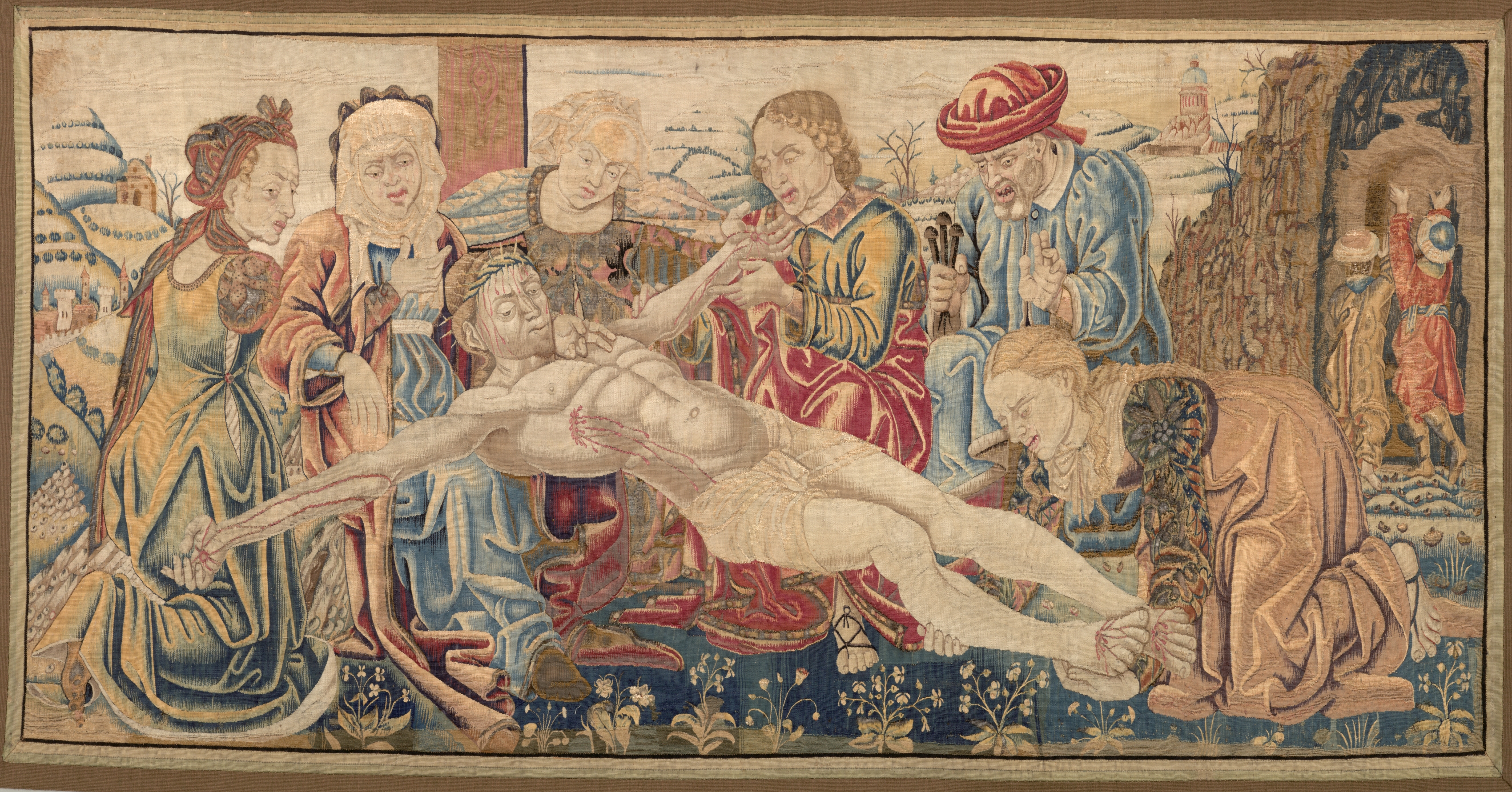
Altar Frontal with the Lamentation, Cosimo Tura (Italian, c. 1430–1495); Rubinetto de Francia (Italian, active 1457–1483)
Altar Frontal with the LamentationCosimo Tura (Italian, c. 1430–1495); Rubinetto de Francia (Italian, active 1457–1483)c. 1474Cleveland Museum of Art
Christ Carrying the Cross, Martin Schongauer (German, c. 1450–1491)
Christ Carrying the CrossMartin Schongauer (German, c. 1450–1491)1475–90Cleveland Museum of Art
Battle of the Nudes, Antonio del Pollaiuolo (Italian, 1431/32–1498)
Battle of the NudesAntonio del Pollaiuolo (Italian, 1431/32–1498)1470s–80sCleveland Museum of Art
Virgin and Child with an Apple, Martin Schongauer (German, c. 1450–1491)
Virgin and Child with an AppleMartin Schongauer (German, c. 1450–1491)c. 1475Cleveland Museum of Art
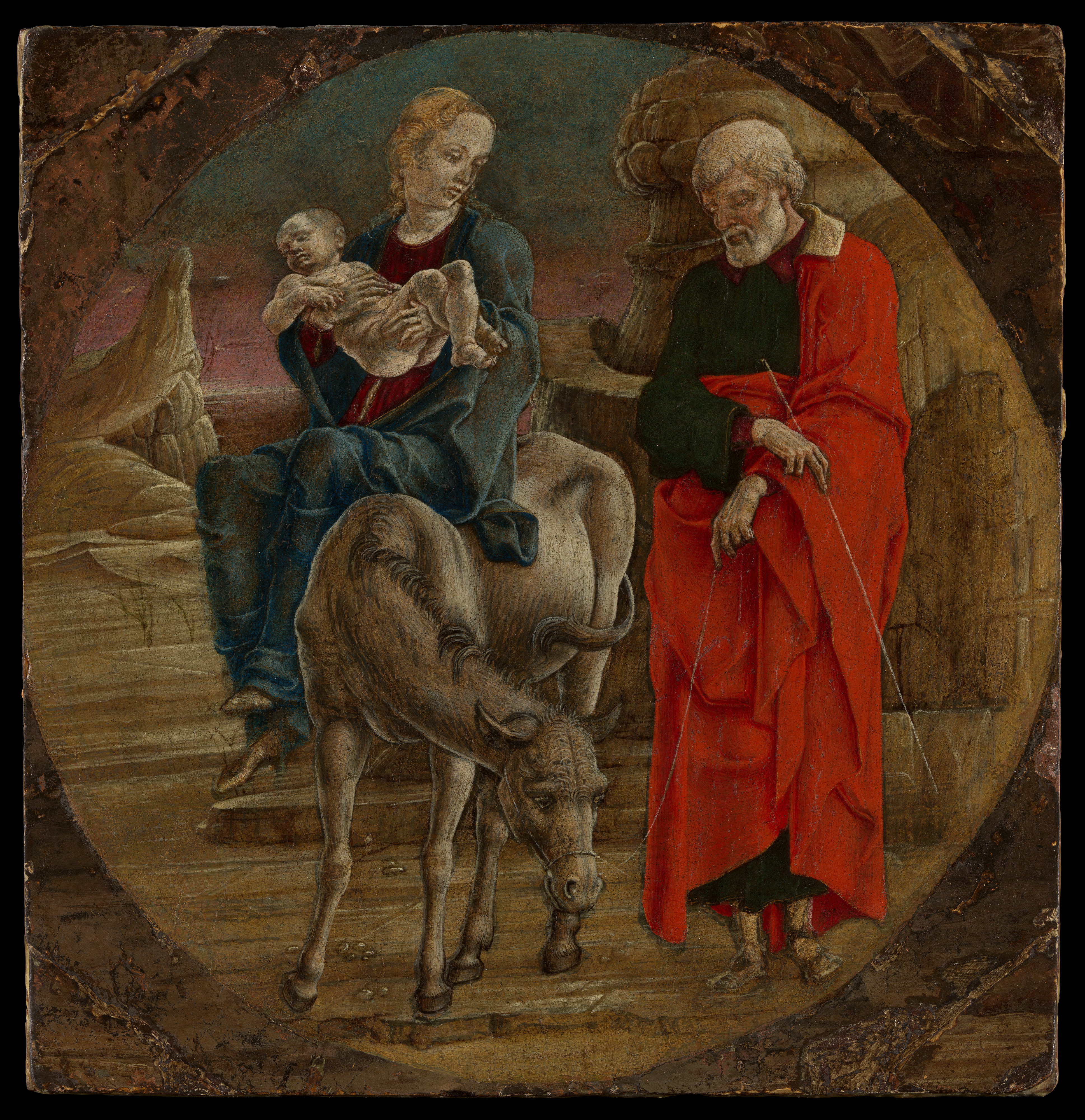
The Flight into Egypt, Cosmè Tura (Cosimo di Domenico di Bonaventura)
The Flight into EgyptCosmè Tura (Cosimo di Domenico di Bonaventura)1470sMetropolitan Museum of Art, New York, NY
Two Putti with Lamb, School of Leonardo da Vinci
Two Putti with LambSchool of Leonardo da Vincin.d.The Art Institute of Chicago
The Adoration of the Magi, Joos van Wassenhove
The Adoration of the MagiJoos van Wassenhove1472–74Metropolitan Museum of Art, New York, NY
De Re Militari (On the Military Arts), Roberto Valturio
De Re Militari (On the Military Arts)Roberto Valturio1472Metropolitan Museum of Art, New York, NY

Also at The Art Institute of Chicago

772
Statuette of a Female Figure, Ancient Greek
Statuette of a Female FigureAncient GreekEarly Bronze Age, 2600–2400 BCEThe Art Institute of Chicago
Ring with a Scarab Bezel, Ancient Egyptian
Ring with a Scarab BezelAncient EgyptianSecond Intermediate Period, Dynasty 15 (about 1650–1550 BCE)The Art Institute of Chicago
Fragment of a Stela of Neferhotep, Ancient Egyptian
Fragment of a Stela of NeferhotepAncient EgyptianNew Kingdom, mid-Dynasty 19, about 1240-1195 BCEThe Art Institute of Chicago
Funerary Papyrus of Tayuhenutmut, Ancient Egyptian
Funerary Papyrus of TayuhenutmutAncient EgyptianThird Intermediate Period, probably Dynasty 21 (about 1069-945 BCE)The Art Institute of Chicago
Cauldron, China
CauldronChinaWestern Zhou dynasty (1046–771 BC ), early 9th century BCThe Art Institute of Chicago
Coffin and Mummy of Paankhaenamun, Ancient Egyptian
Coffin and Mummy of PaankhaenamunAncient EgyptianThird Intermediate Period, Dynasty 22, reign of Osorkon I (about 924–889 BCE)The Art Institute of Chicago
Relief Showing the Head of a Winged Genius, Neo-Assyrian
Relief Showing the Head of a Winged GeniusNeo-AssyrianNeo–Assyrian Period, reign of King Ashurnasirpal II (883–859 BCE)The Art Institute of Chicago
Altar, Ancient Greek
AltarAncient GreekGeometric Period (800–600 BCE)The Art Institute of Chicago

Similar picturesFound by visual likeness

8 pictures

Visual resemblances suggested by the model. A match does not establish a shared subject or historical connection.

Battle of the Amazons, Polidoro da Caravaggio
Battle of the AmazonsPolidoro da Caravaggion.d.The Art Institute of Chicago
0.87
Last Supper, Raphael
Last SupperRaphaeln.d.The Art Institute of Chicago
0.86
Young Spartan Girls Challenging Boys, Hilaire Germain Edgar Degas
Young Spartan Girls Challenging BoysHilaire Germain Edgar Degasc. 1860The Art Institute of Chicago
0.84
Three Nude men, Giuseppe Bernardino Bison, Italian, 1762 - 1844
Three Nude menGiuseppe Bernardino Bison, Italian, 1762 - 1844late 18th centuryCooper Hewitt, Smithsonian Design Museum
0.84
Three Heads and Other Sketches (verso), Nicolas Poussin (French, 1594–1665)
Three Heads and Other Sketches (verso)Nicolas Poussin (French, 1594–1665)1643–44Cleveland Museum of Art
0.84
Bacchanales:  Nymph Supported by Two Satyrs, Jean-Honoré Fragonard (French, 1732–1806)
Bacchanales: Nymph Supported by Two SatyrsJean-Honoré Fragonard (French, 1732–1806)1763Cleveland Museum of Art
0.84
Perseus with the Head of Medusa, Turning Phineus and his Followers to Stone, Polidoro da Caravaggio
Perseus with the Head of Medusa, Turning Phineus and his Followers to StonePolidoro da Caravaggio1567The Art Institute of Chicago
0.84
Figure Studies for the Sistine Ceiling (verso), Michelangelo Buonarroti (Italian, 1475–1564)
Figure Studies for the Sistine Ceiling (verso)Michelangelo Buonarroti (Italian, 1475–1564)1510–11Cleveland Museum of Art
0.84

In the stacks

Not yet checked
1

Passages in the library’s own holdings that name this maker. The model ranked them; nobody has checked that the name means this person.

  1. Vision and Design · Roger Fry

    But here we come to another curious want of correspondence between art and life, for in art we have a violent revolution, followed by a bitter internecine struggle among artists. This revolution was inaugurated by Caravaggio, who first discovered the surprising emotional possibilities of chiaroscuro and who combined with this a new idea of realism--realism in the modern sense, viz., the literal acceptance of what is coarse, common, squalid or undistinguished in life--realism in the sense of the novelists of Zola’s time. To Caravaggio’s influence we might trace not only
    0.69

Next

Made in the sixteenth century, like Frieze with Eight Putti.

0:00–0:00