Of These are claims by the holder and by Wikidata, read 2026-09-04, and join nothing until an editor confirms them.
Holder's headings Astronomy Close Automaton clock in the form of Urania, Muse of Astronomy — Paullus Schiller ca. 1620–30
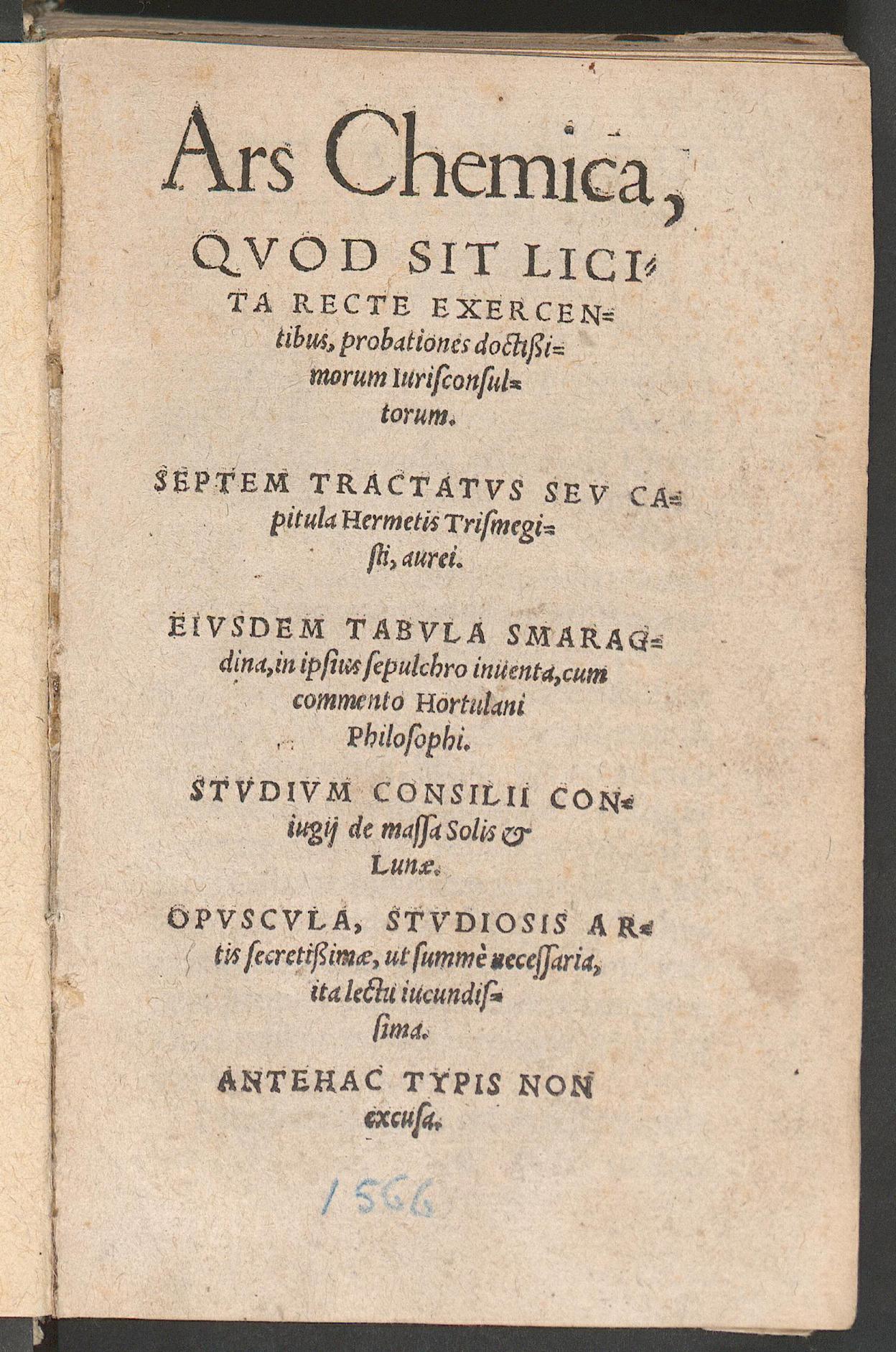
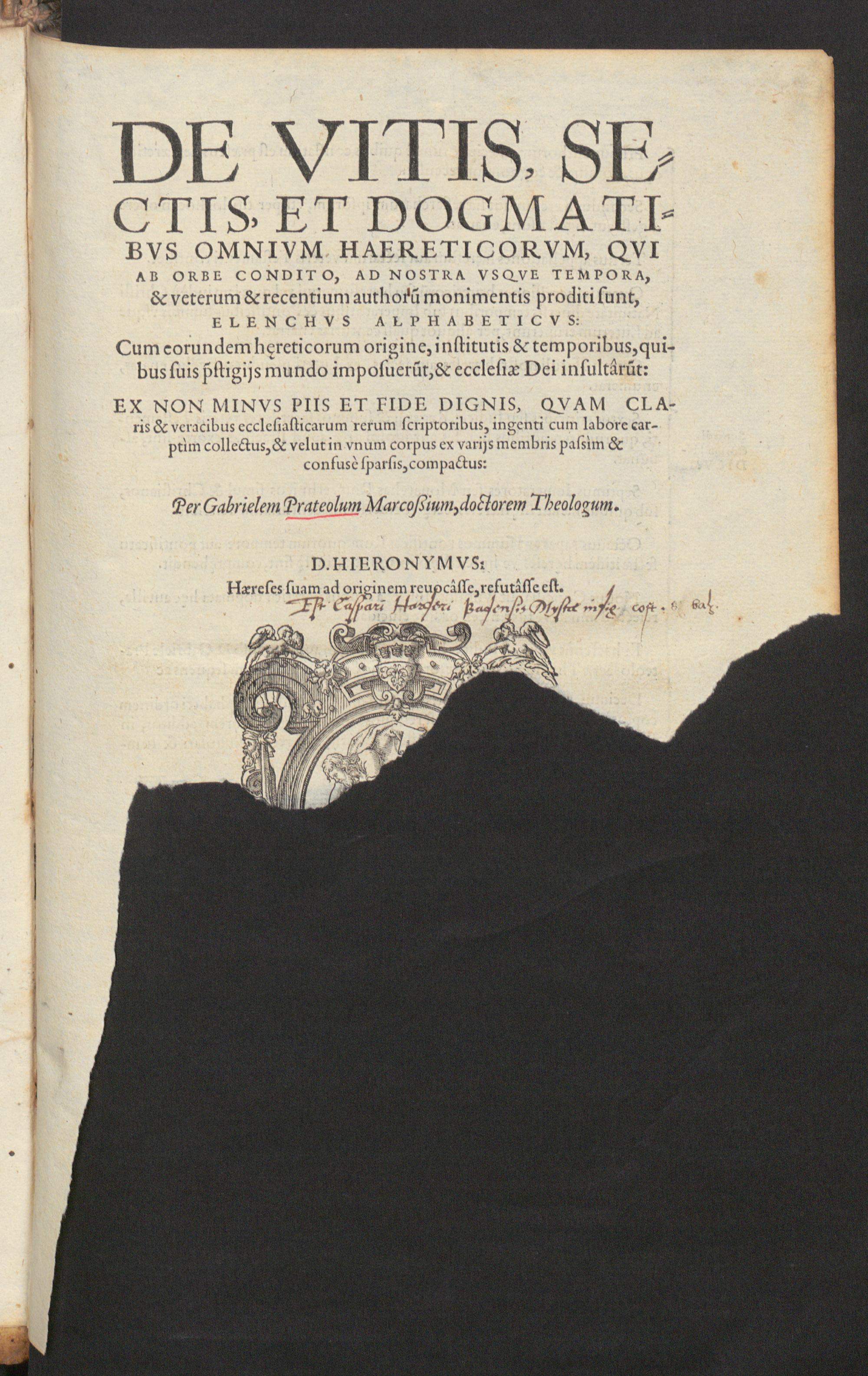
Within fifty years of ca. 1620–30 892 Christ Healing the Blind El Greco (Domenikos Theotokopoulos)ca. 1570 Metropolitan Museum of Art, New York, NY Ars chemica, quod sit licita recte exercentibus, probationes doctissimorum iurisconsultorum. Septem tractatus seu capitula Hermetis Trismegisti, aurei. Eiusdem Tabula Smaragdina, in ipsius sepulchro inventa, cum commento Hortulani Philosophi. Studium consilii coniugii de massa solis et lunae Hermes1566 Stiftung der Werke von C.G.Jung, Zürich Adoration of the Shepherds Cornelis Cort (Dutch, 1533–1578); Taddeo Zuccaro (Italian, 1529–1566)1567 Cleveland Museum of Art Perseus with the Head of Medusa, Turning Phineus and his Followers to Stone Polidoro da Caravaggio1567 The Art Institute of Chicago Fish Market Joachim Beuckelaer1568 Metropolitan Museum of Art, New York, NY Astronomical table clock Jeremias Metzger1568 Metropolitan Museum of Art, New York, NY Plate XIV, from the "Exercitatio Alphabetica" Clément Perret, 1569/71–?1568–69 Cooper Hewitt, Smithsonian Design Museum De vitis, sectis, et dogmatibus omnium haereticorum, qui ab orbe condito, ad nostra usque tempora, & veterum & recentium authorum monimentis proditi sunt, elenchus alphabeticus ... Du Préau, Gabriel1569 Stiftung der Werke von C.G.Jung, Zürich
Also at Metropolitan Museum of Art, New York, NY 673 Marble female figure Bastis Master2600–2400 BCE Metropolitan Museum of Art, New York, NY Relief Fragment with a Ship Under Sail Unknownca. 2465–2458 BCE Metropolitan Museum of Art, New York, NY Tomb Chapel of Raemkai: South Wall Unknownca. 2446–2389 BCE Metropolitan Museum of Art, New York, NY West wall of the chapel of the mastaba Kaemsenu with niches for Iretnub, Kaemsenu and Werdjedptah Unknownca. 2420–2250 BCE Metropolitan Museum of Art, New York, NY Design amulet, Cow and Calf on the Back, Device showing Antithetical Falcons Flanking an Ankh Sign over a Crouching Lion Unknownca. 2150–2100 B.C. Metropolitan Museum of Art, New York, NY Design Amulet, Pyramidal Back with Horizontal Piercing, Device showing Two Falcons Flanking what is meant to be an Ankh Sign Unknownca. 2150–2010 B.C. Metropolitan Museum of Art, New York, NY Design Amulet, Cow Nursing Calf and also a Kneeling Suckling Man Visible on Opposite Side on the Back, Device showing Antithetical Falcons with an Ankh Sign over a Lion Unknownca. 2150–2100 B.C. Metropolitan Museum of Art, New York, NY Design Amulet, Back in the Form of a Woman Suckling a Child, Device showing Two Lizards Head-to-tail Unknownca. 2100–2080 B.C. Metropolitan Museum of Art, New York, NY In the stacks Not yet checked 1
Passages in the library’s own holdings that name this maker. The model ranked them; nobody has checked that the name means this person.
Psychological Types · C. G. Jung
It is evident that Schiller in his personal life had a profound sense of this conflict, and that it was just this antagonism in himself which begat a longing to seek that coherence and uniformity which should bring deliverance to the wasting and enslaved functions and a restoration of harmonious life. This is also the impelling motive in Wagner's Parstfal, where it receives symbolical expression in the restitution of the missing spear and the healing of the wound. What Wagner attempted to say in artistic, symbolical expression Schiller laboured to … 0.68 Add a connection Propose a reading
Next Made in the seventeenth century, like Automaton clock in the form of Urania, Muse of Astronomy.