Of
No subject recorded yet.
 Vita del Tintoretto — Carlo Ridolfi1642
Within fifty years of 1642
1063 SaturnHendrik Goltzius after Polidoro da Caravaggio1592National Gallery of Art
 NeptuneHendrik Goltzius after Polidoro da Caravaggioprobably 1592National Gallery of Art
 PlutoHendrik Goltzius after Polidoro da Caravaggioprobably 1592National Gallery of Art
 VulcanHendrik Goltzius after Polidoro da Caravaggioprobably 1592National Gallery of Art
 Sol or ApolloHendrik Goltzius after Polidoro da Caravaggioprobably 1592National Gallery of Art
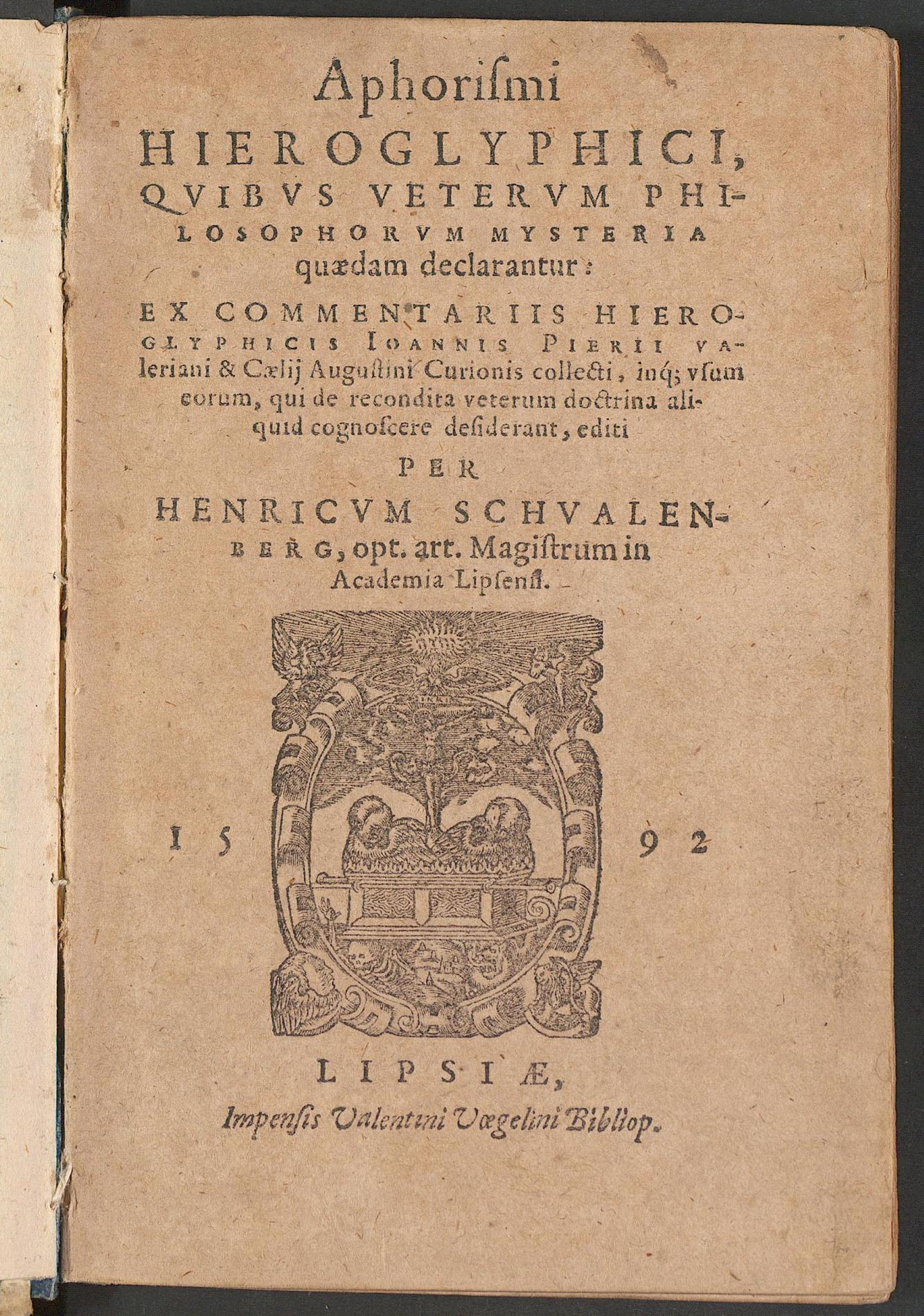 Aphorismi hieroglyphici : quibus veterum philosophorum mysteria quaedam declarantur: ex commentariis hieroglyphicis Ioannis Pierii Valeriani & Caelii Augustini Curionis collecti, inq. usum eorum, qui de recondita veterum doctrina aliquid cognoscere desiderantValeriano, Pierio1592Stiftung der Werke von C.G.Jung, Zürich
 Page from Emblemata nobilitate et vulgo scitu digna (Noble Ornament)Johann Theodor de Bry, German, 1561 - 16231593Cooper Hewitt, Smithsonian Design Museum
 Plate 12, Femina Veneta (Venetian Woman), Diversarum Nationum Ornatus Cum Suis IconibusAlessandro Fabri, Italian, active late 16th century1593Cooper Hewitt, Smithsonian Design Museum
Also at Metropolitan Museum of Art, New York, NY
673 Marble female figureBastis Master2600–2400 BCEMetropolitan Museum of Art, New York, NY
 Relief Fragment with a Ship Under SailUnknownca. 2465–2458 BCEMetropolitan Museum of Art, New York, NY
 Tomb Chapel of Raemkai: South WallUnknownca. 2446–2389 BCEMetropolitan Museum of Art, New York, NY
 West wall of the chapel of the mastaba Kaemsenu with niches for Iretnub, Kaemsenu and WerdjedptahUnknownca. 2420–2250 BCEMetropolitan Museum of Art, New York, NY
 Design amulet, Cow and Calf on the Back, Device showing Antithetical Falcons Flanking an Ankh Sign over a Crouching LionUnknownca. 2150–2100 B.C.Metropolitan Museum of Art, New York, NY
 Design Amulet, Pyramidal Back with Horizontal Piercing, Device showing Two Falcons Flanking what is meant to be an Ankh SignUnknownca. 2150–2010 B.C.Metropolitan Museum of Art, New York, NY
 Design Amulet, Cow Nursing Calf and also a Kneeling Suckling Man Visible on Opposite Side on the Back, Device showing Antithetical Falcons with an Ankh Sign over a LionUnknownca. 2150–2100 B.C.Metropolitan Museum of Art, New York, NY
 Design Amulet, Back in the Form of a Woman Suckling a Child, Device showing Two Lizards Head-to-tailUnknownca. 2100–2080 B.C.Metropolitan Museum of Art, New York, NY
Next
Made in the seventeenth century, like Vita del Tintoretto.