The Old Man at the Frontier Loses His Horse
Huainanzi, chapter 18 (人間訓), presented to Emperor Wu of Han, 139 BCE; Chinese text from Wikisource; English translation made for this edition
The Old Man at the Frontier Loses His Horse
In former times there was a man of Song who loved the good, and for three generations his household never wavered in it. For no reason, their black cow gave birth to a white calf. They asked the master about it, and the master said, "This is an auspicious sign. Offer it to the ghosts and spirits."
A year later the father went blind, for no reason. The cow gave birth to another white calf, and the father sent his son to ask the master again. The son said, "The last time we listened to the master, you lost your sight. Now you want to ask him again. Why?" The father said, "The words of a sage go against you first and agree with you after. The matter is not finished. Go and ask him again." The son asked the master again, and the master said, "This is an auspicious sign. Offer it again to the ghosts and spirits." The son went home and reported to his father, and the father said, "Do as the master says."
A year later the son, too, went blind, for no reason.
After that, Chu attacked Song and laid siege to its city. In that time people traded children with one another to eat, and split bones for firewood. The able-bodied men died, and the old, the sick and the children all went up on the walls and held them, and did not come down. The king of Chu was enraged, and when the city fell, everyone who had defended the walls was put to the sword. This family alone, because father and son were blind, had not gone up on the walls. When the armies withdrew and the siege was lifted, father and son could both see again.
Fortune and misfortune turn and give rise to each other, and how they change is hard to see.
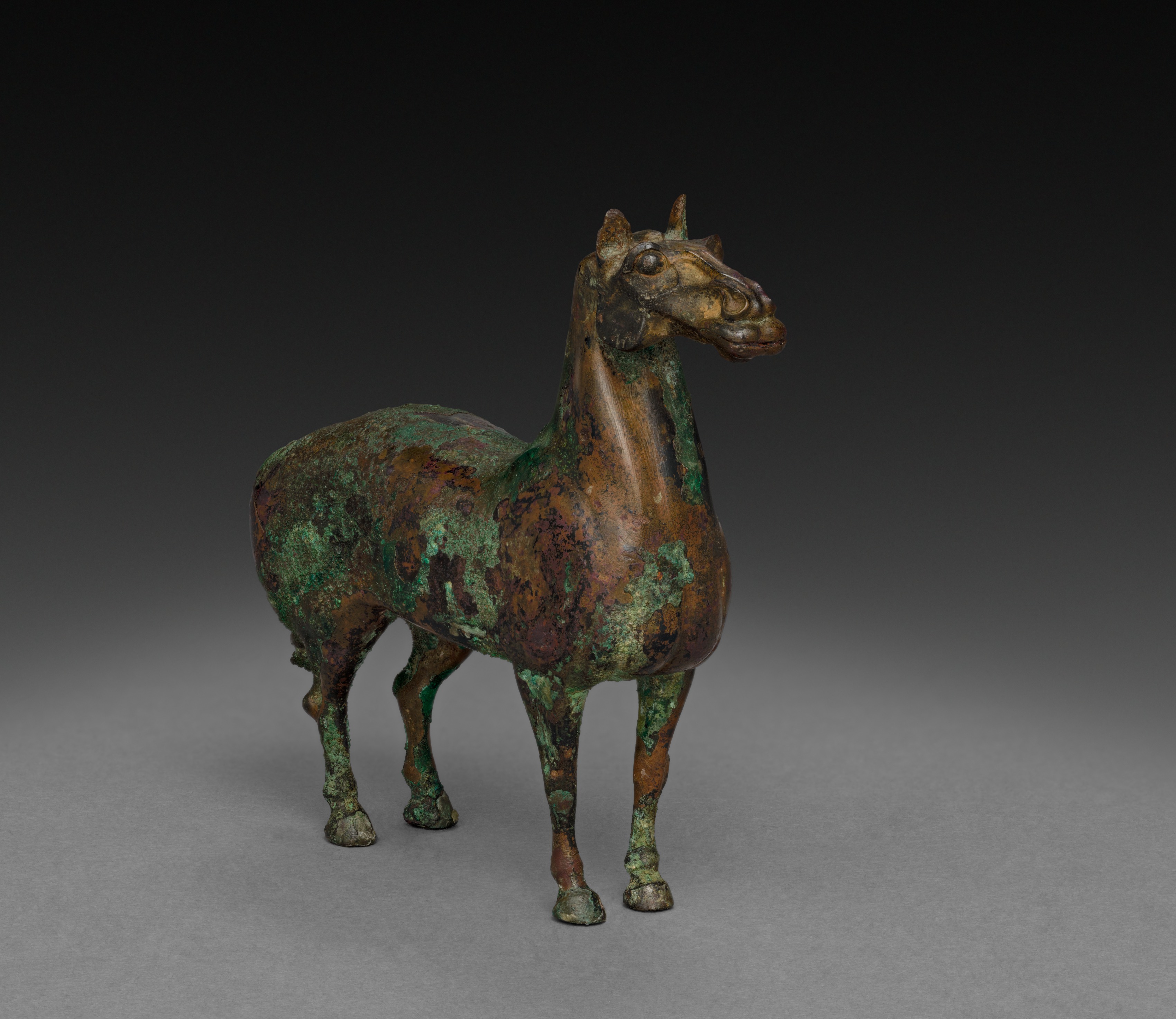
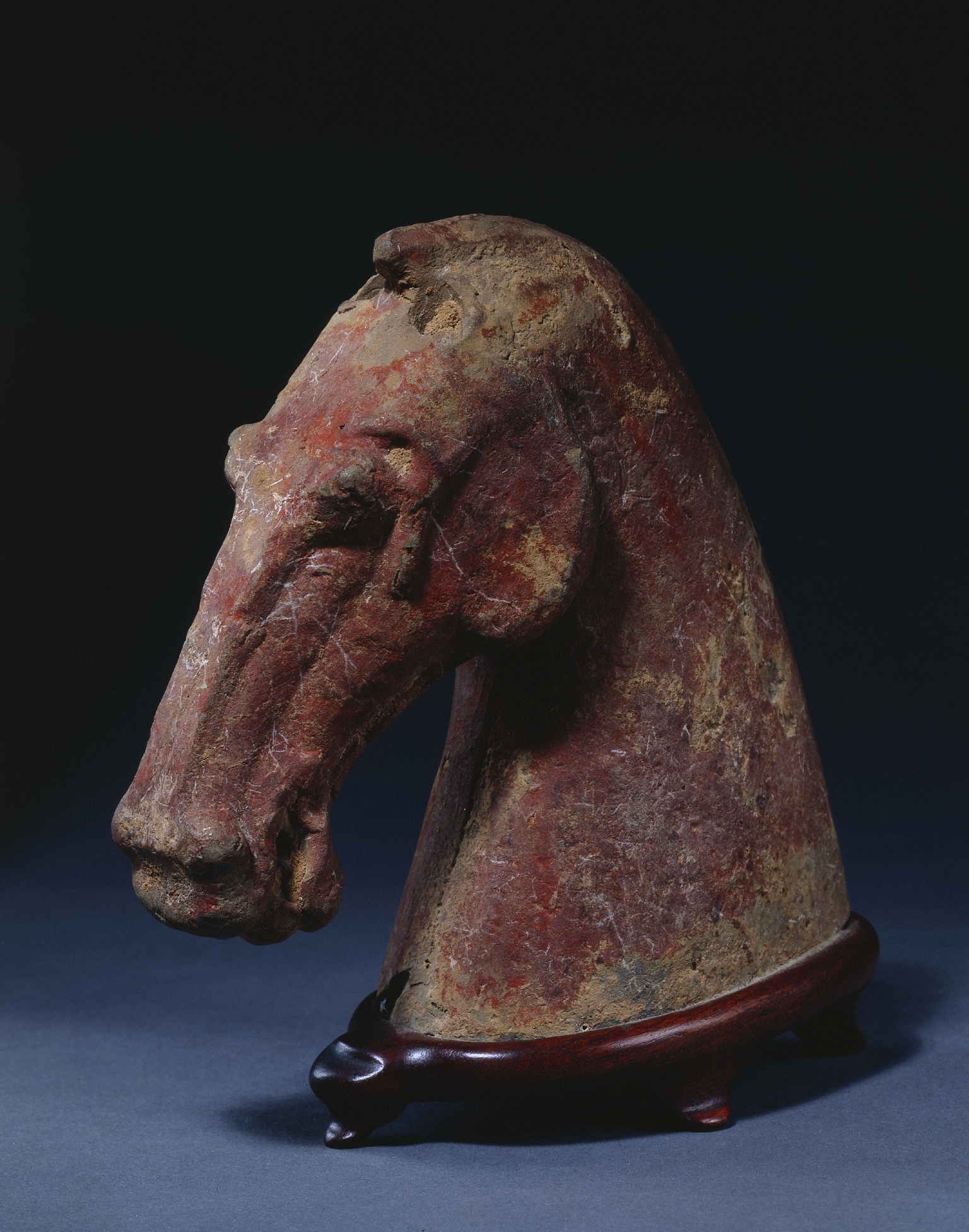
Among the people who lived near the frontier there was a man skilled in reading signs. For no reason, his horse ran off into the land of the Hu. Everyone came to console him. His father said, "Why should this not become fortune?"
Some months later the horse came home leading fine horses of the Hu. Everyone came to congratulate him. His father said, "Why could this not become misfortune?"
Now the house was rich in good horses, and the son loved to ride. He fell and broke his thigh. Everyone came to console him. His father said, "Why should this not become fortune?"
A year later the Hu came across the frontier in force. The able-bodied men drew their bows and fought, and of the people near the frontier, nine in ten died. This son alone was spared, because he was lame, and father and son came through together.
So fortune becomes misfortune, and misfortune becomes fortune. Its transformations cannot be followed to their end, and its depths cannot be fathomed.
人間訓
昔者,宋人好善者,三世不解。家無故而黑牛生白犢,以問先生,先生曰:「此吉祥,以饗鬼神。」居一年,其父無故而盲,牛又復生白犢,其父又復使其子以問先生。其子曰:「前聽先生言而失明,今又復問之,奈何?」其父曰:「聖人之言,先忤而後合。其事未究,固試往復問之。」其子又復問先生,先生曰:「此吉祥也,復以饗鬼神。」歸致命其父,其父曰:「行先生之言也。」居一年,其子又無故而盲。其後楚攻宋,圍其城。當此之時,易子而食,析骸而炊,丁壯者死,老病童兒皆上城,牢守而不下。楚王大怒,城已破,諸城守者皆屠之。此獨以父子盲之故,得無乘城。軍罷圍解,則父子俱視。夫禍福之轉而相生,其變難見也。
近塞上之人有善術者,馬無故亡而入胡,人皆弔之。其父曰:「此何遽不為福乎!」居數月,其馬將胡駿馬而歸,人皆賀之。其父曰:「此何遽不能為禍乎!」家富良馬,其子好騎,墮而折其髀,人皆弔之。其父曰:「此何遽不為福乎!」居一年,胡人大入塞,丁壯者引弦而戰,近塞之人,死者十九,此獨以跛之故,父子相保。故福之為禍,禍之為福,化不可極,深不可測也。