Design in the Age of New Mediums
How new tools keep remaking design work, and what design thinking is.
Workhorse Collective
NameAbraham GarciaEmailabe@wrkhrs.co
ART 418 · Fall 2026
MeetsMon + Wed, 1:30 to 2:50TodaySession 03 · 08.31.2026
 meaninglayer.com/course/business-of-design
Session 03

Today you set up your repository, then we look at how new tools have changed design work.
01 · The repo
GitHub Desktop, hands on. Your repository goes up and your personal statement is its first commit. The statement itself is turned in on Blackboard.
02 · How we got here
A short history of the field as a dialogue between designers and their technology, and two schools of thought, disegno and the Bauhaus, arguing over whether the head and the hand are one job.
03 · Design thinking
What the phrase means, where it came from, and where this course sits inside it. On Wednesday you use it to state your first problem.
The Repo
TWENTY-FIVE MINUTES, TOGETHER.
GITHUB DESKTOP, NO TERMINAL.
GITHUB DESKTOP, NO TERMINAL.
First: an account
01
Sign up
github.com, free account. Pick a username you'd put on a resume; this becomes a public address for your work.
You getA home for every project
this semester and after
this semester and after
02
Install
GitHub Desktop, from desktop.github.com. Sign in with the account you just made. No terminal required.
You getGit with buttons
03
Learn the save
Saving to git is two moves: commit, a named save of what changed and why, then push, which copies it to GitHub.
You getVersions with reasons
attached, backed up
attached, backed up
COMMIT = SAVE WITH A REASON. PUSH = BACK IT UP.
Stand up your repo
01
Create
Sign in to GitHub Desktop. New repository: art418-<lastname>. Initialize with a README.
You getA folder git watches
02
Commit
Drag your personal statement in. Commit it: "personal statement, first pass." Say what happened, never "update."
You getA log entry
The first version of record
The first version of record
03
Publish
Push to GitHub, private. Add me as a collaborator so I can see your work.
You getA backup
Every version, kept
Every version, kept
04
Log
Add LOG.md, one line about today. The log holds what a commit message can't: decisions, and what the machine did.
You getA record of judgment
Graded from October 19
Graded from October 19
EVERYTHING IS TURNED IN ON BLACKBOARD. THE REPO KEEPS EVERY VERSION OF YOUR WORK.
You just adopted a medium that didn't belong to designers ten years ago.
How We Got Here
THE FIELD KEEPS BEING REMADE BY ITS TOOLS.
THERE IS GREAT GRAPHIC DESIGN IN EVERY ONE OF THESE ERAS.
THERE IS GREAT GRAPHIC DESIGN IN EVERY ONE OF THESE ERAS.
The printed page
1400s to 1560s
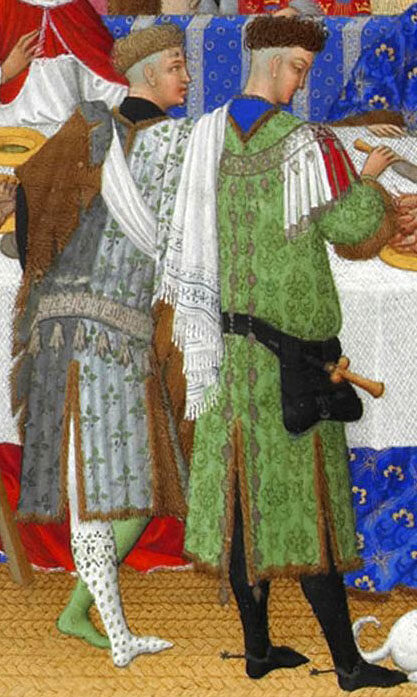
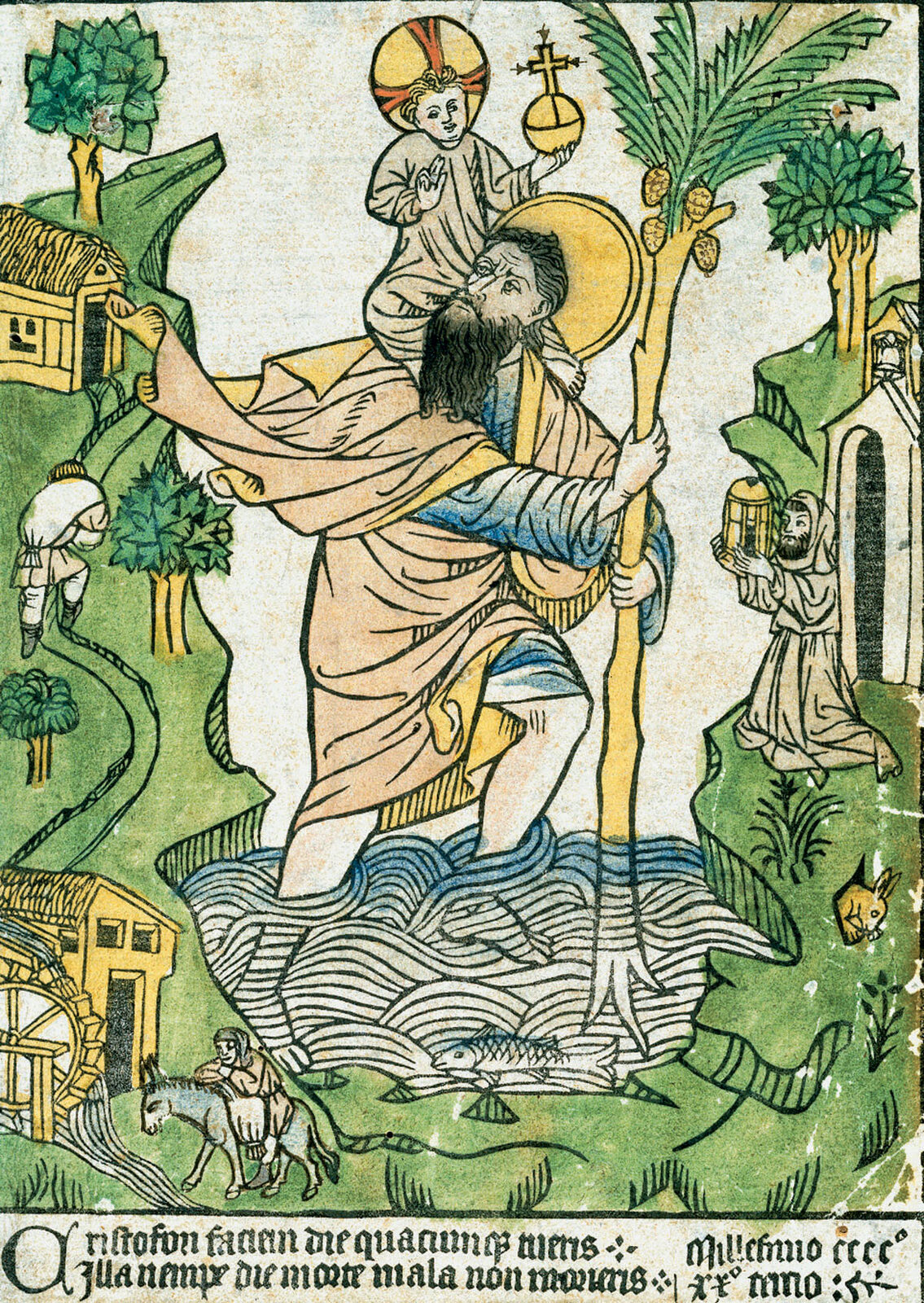
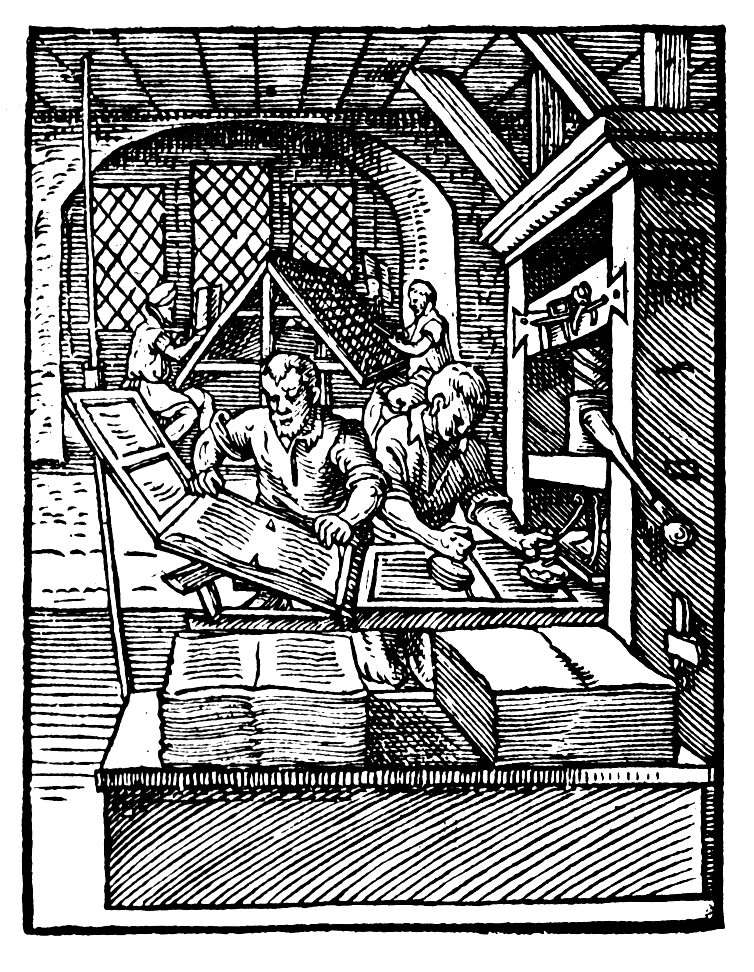
The woodcut is the first mass-produced image; the illuminated manuscript is a one-off luxury object. Movable type industrializes the word, and printing settles into trades: composing, engraving, presswork.
LIMBOURG BROTHERS, TRES RICHES HEURES, C. 1412 · SAINT CHRISTOPHER WOODCUT, 1423, THE EARLIEST DATED EUROPEAN PRINT · JOST AMMAN, PRINT SHOP WOODCUT, 1568
Disegno
Italy names the split before the machines exist: disegno.
ItaliandisegnoDrawing, and design. The plan made before the work.
Disegno
1500s to 1560s
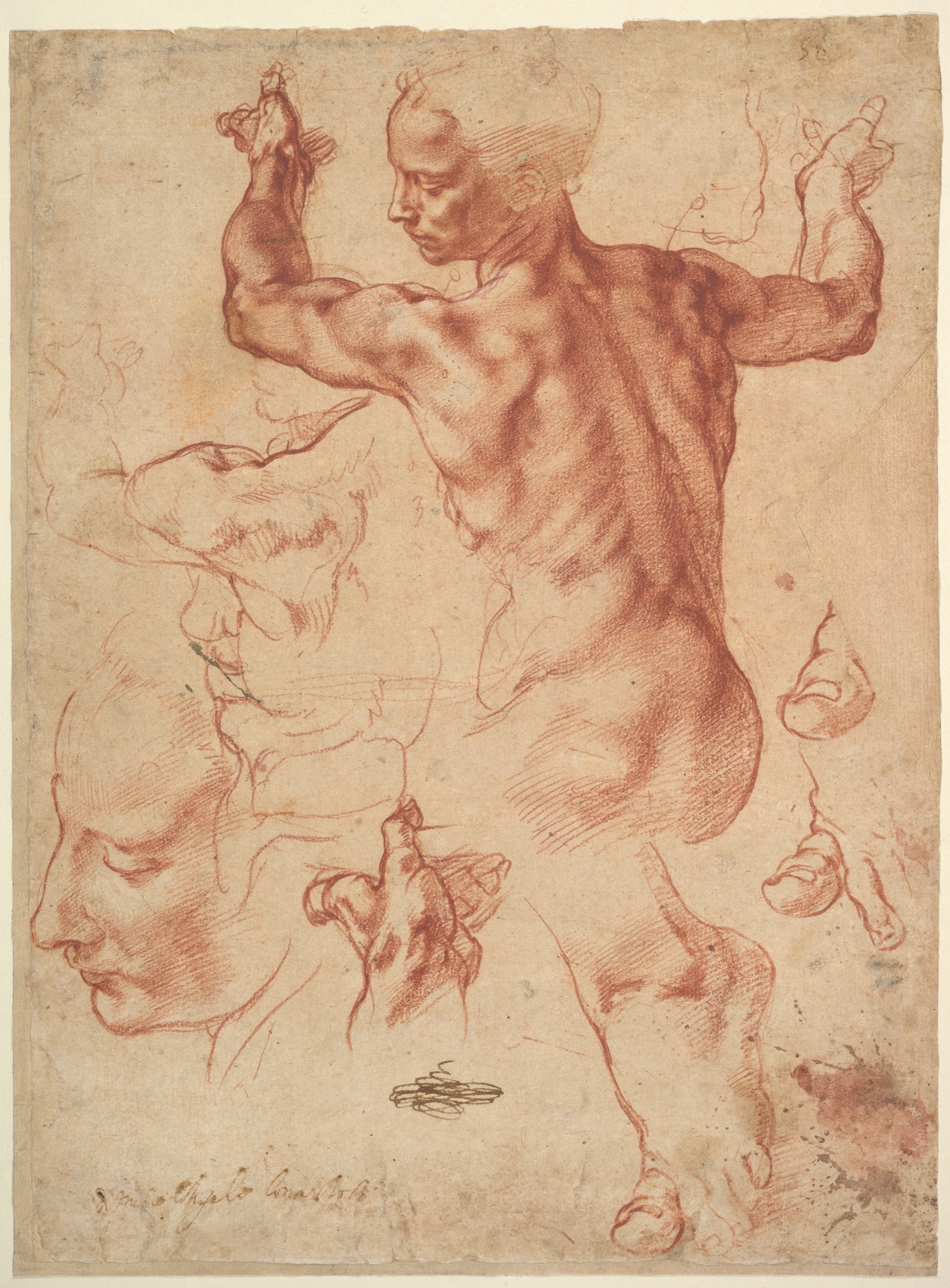
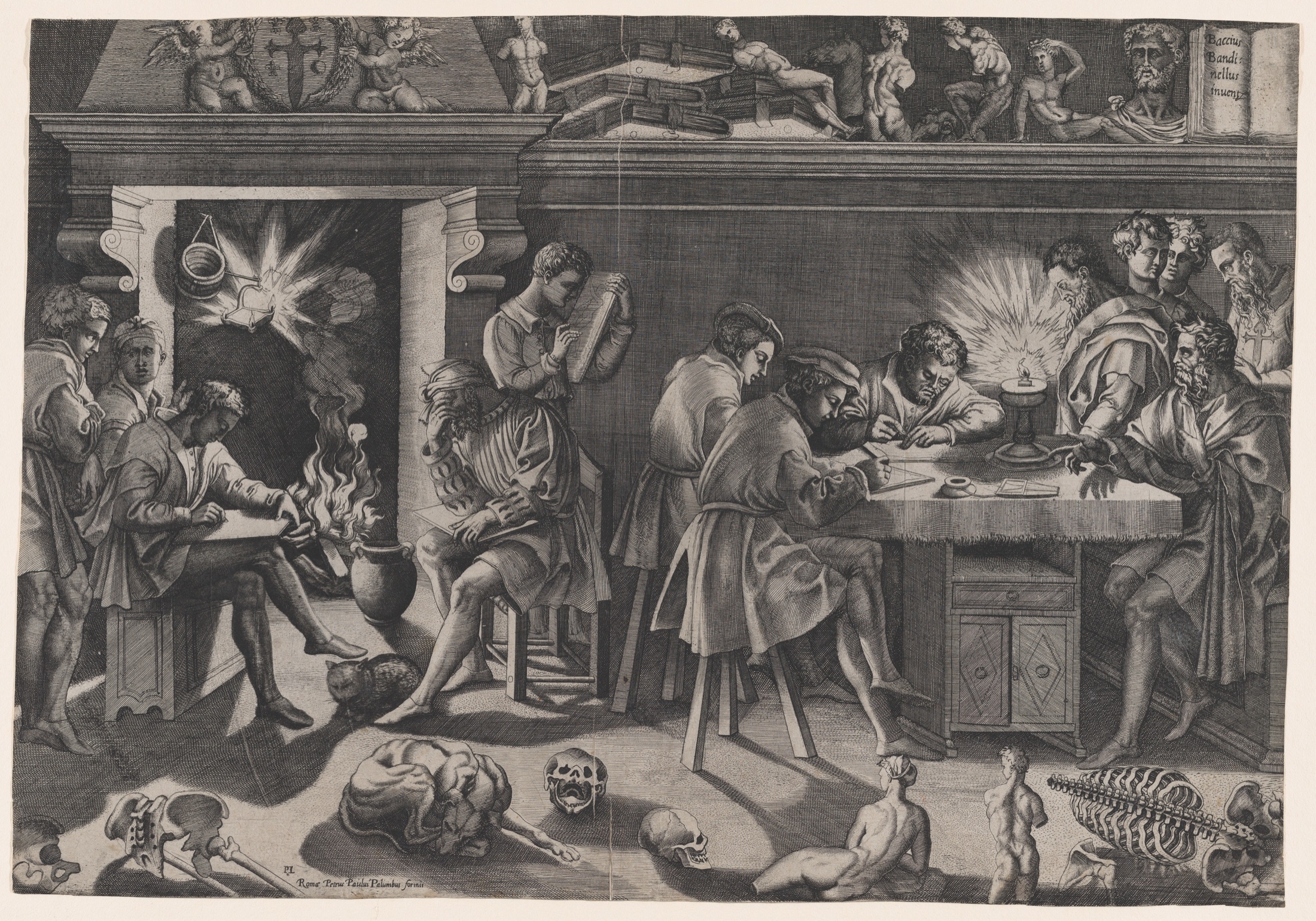
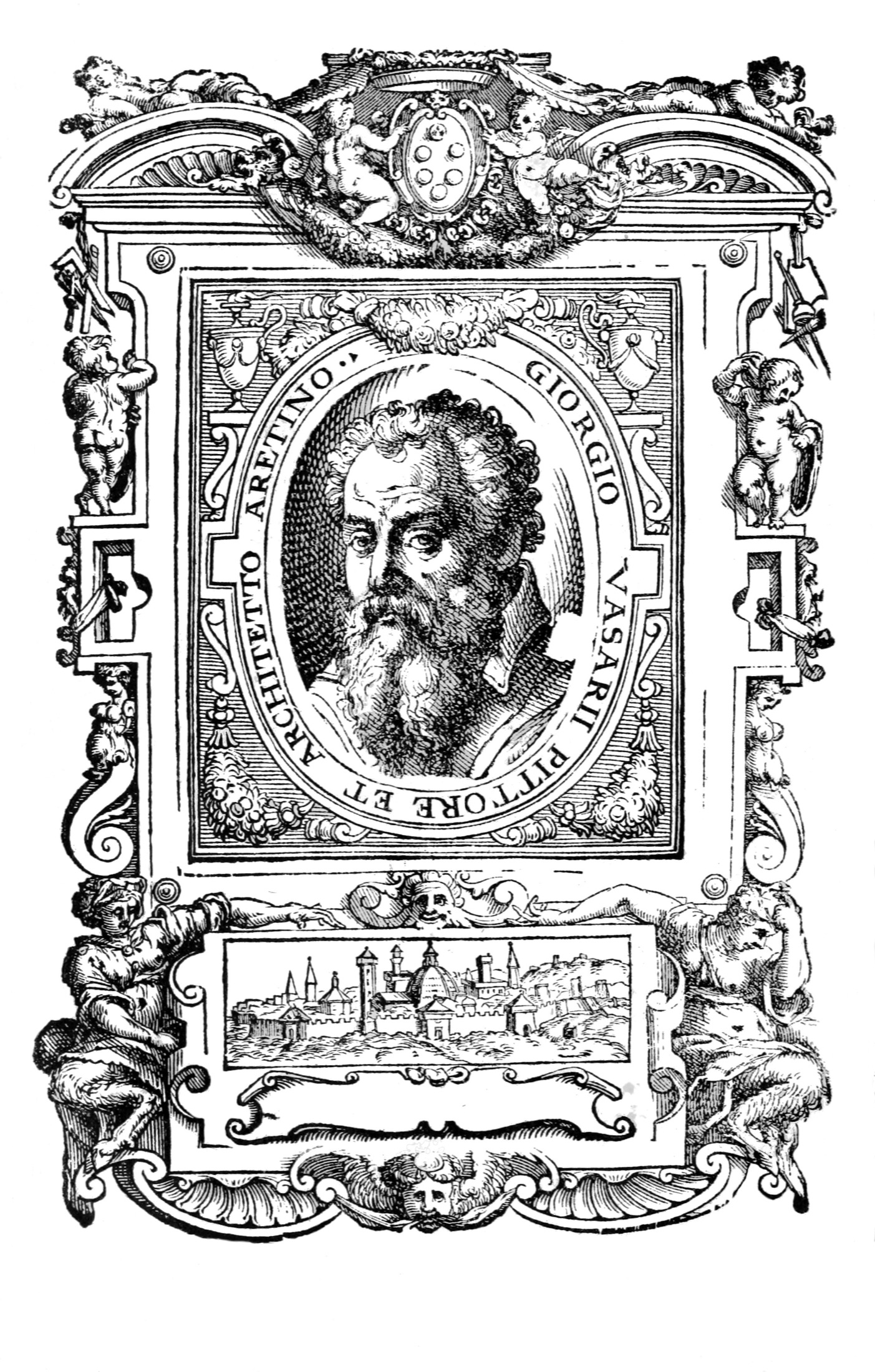
This is what disegno looks like. Michelangelo works the whole fresco out in red chalk before a brush touches plaster: the design exists on paper first, and assistants can execute from it. In Vico's engraving, an academy at work: students drawing by lamplight, learning to think on paper. Vasari writes the drawings and the drawers into history.
MICHELANGELO, STUDIES FOR THE LIBYAN SIBYL, C. 1510, THE MET · ENEA VICO, THE ACADEMY OF BACCIO BANDINELLI, C. 1544, THE MET · GIORGIO VASARI, PORTRAIT PLATE FROM THE LIVES, 1568
The type founders
1700s
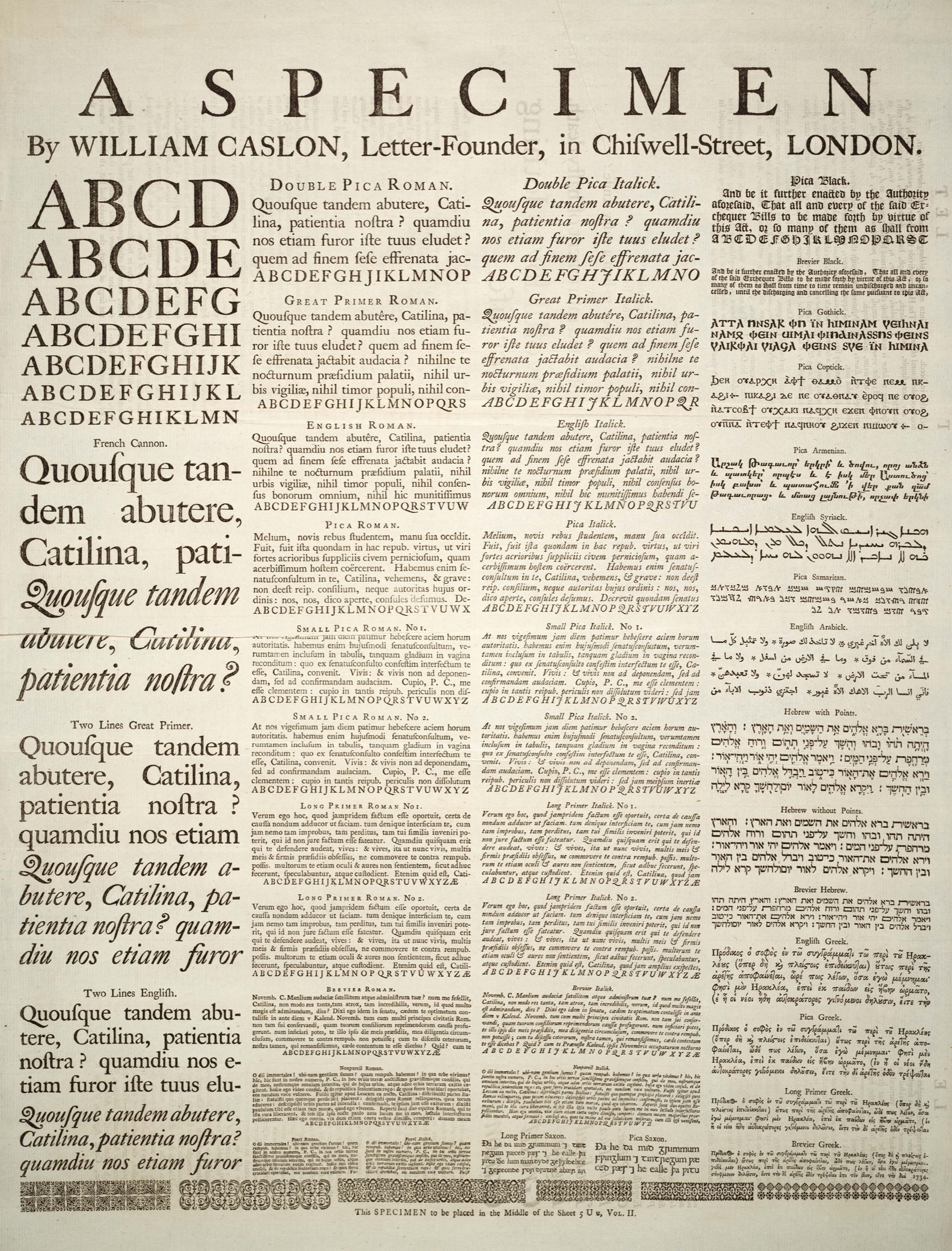
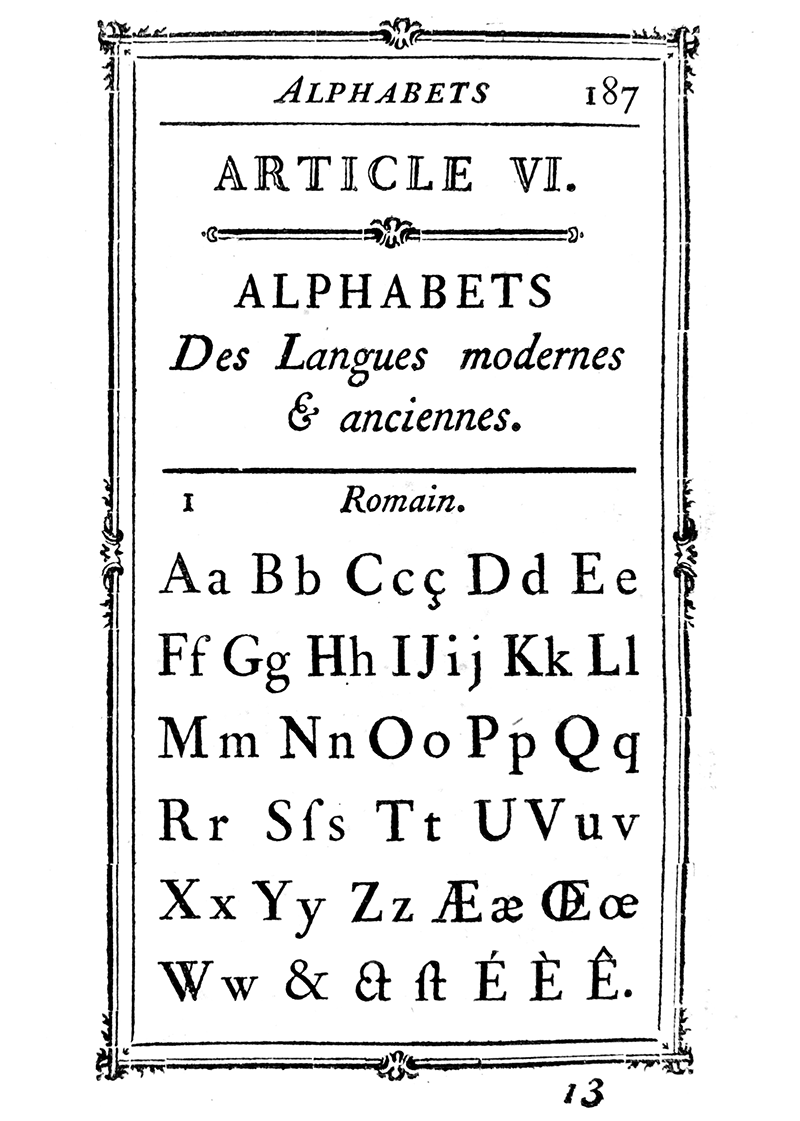
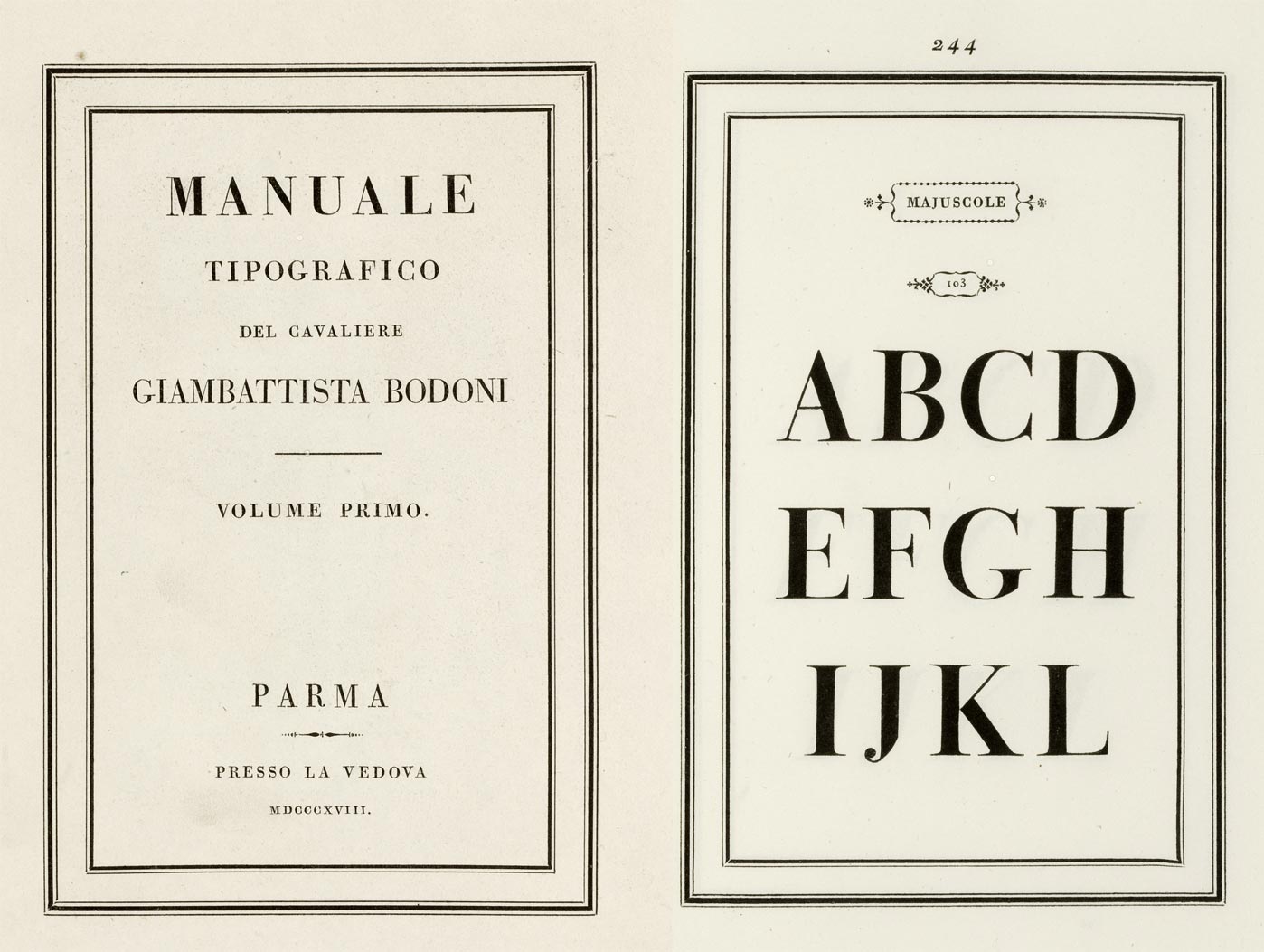
Design becomes a product you can buy. Caslon's specimen sheet is a catalog: letterforms designed once, cast in metal, sold to printers everywhere. Fournier invents the point system so type from different founders can work together, and Bodoni's Manuale is a designer publishing his own life's work as the artifact.
WILLIAM CASLON, SPECIMEN SHEET, 1734 · PIERRE-SIMON FOURNIER, MANUEL TYPOGRAPHIQUE, 1766 · GIAMBATTISTA BODONI, MANUALE TIPOGRAFICO, 1818
Mass production
1814 to 1890s
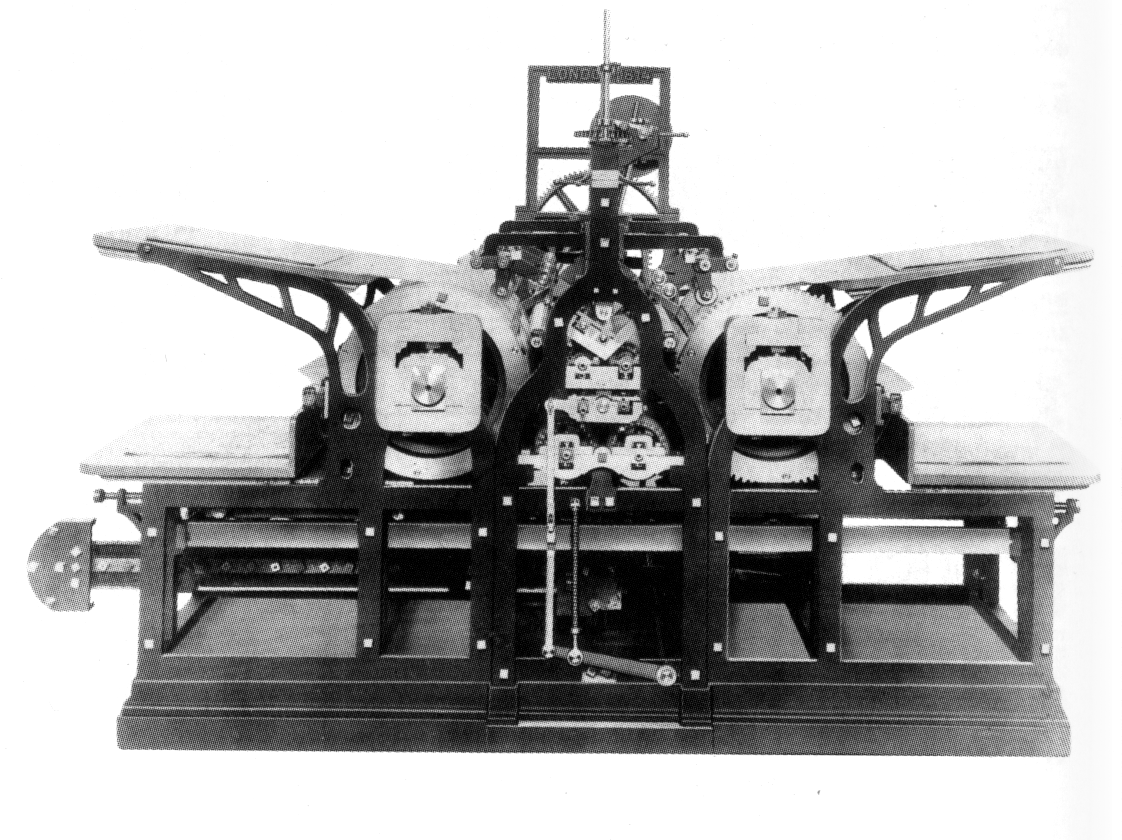
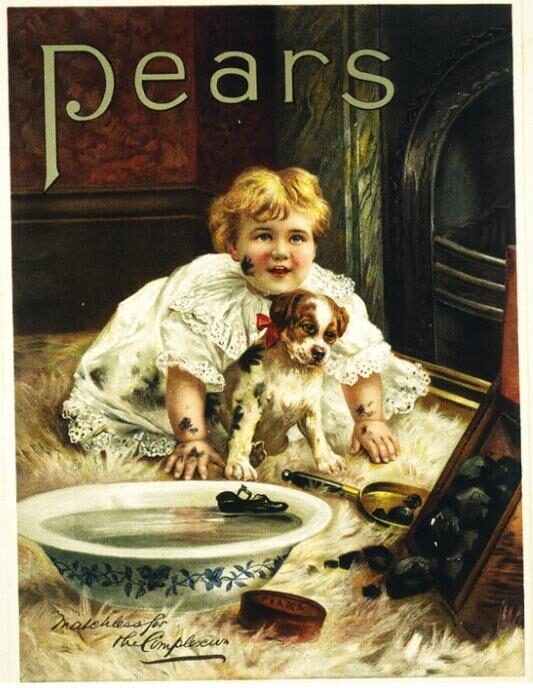
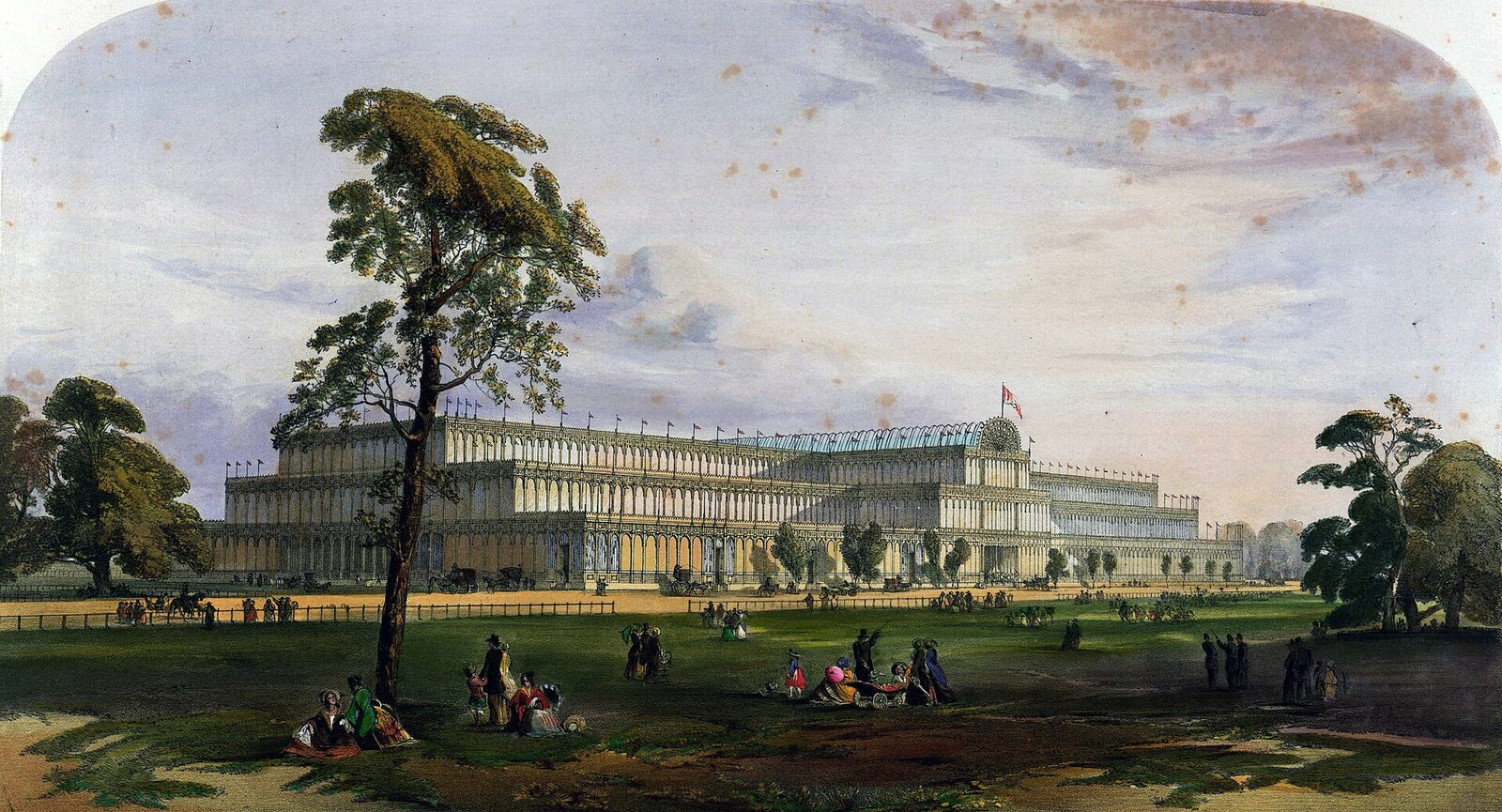
The steam press, lithography, and machine typesetting make print cheap and fast. Victorian manufacturing imitates handmade luxury at mass prices, and printed advertising becomes an industry with its own artists.
KOENIG STEAM PRESS, 1814 · PEARS SOAP CHROMOLITHOGRAPH, C. 1900, AFTER MILLAIS · CRYSTAL PALACE, GREAT EXHIBITION OF 1851
Arts and Crafts, and the poster
1880s to 1900s
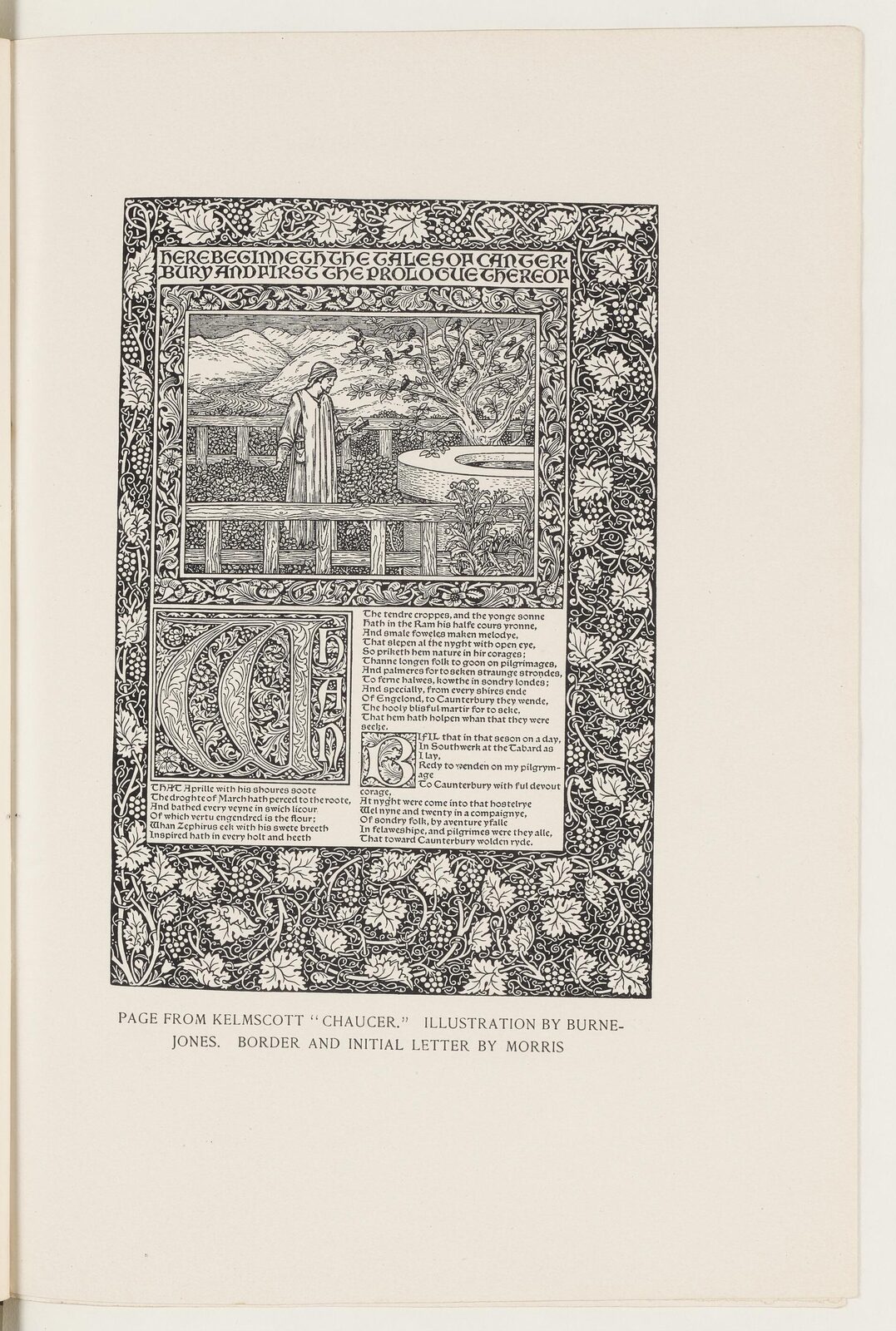
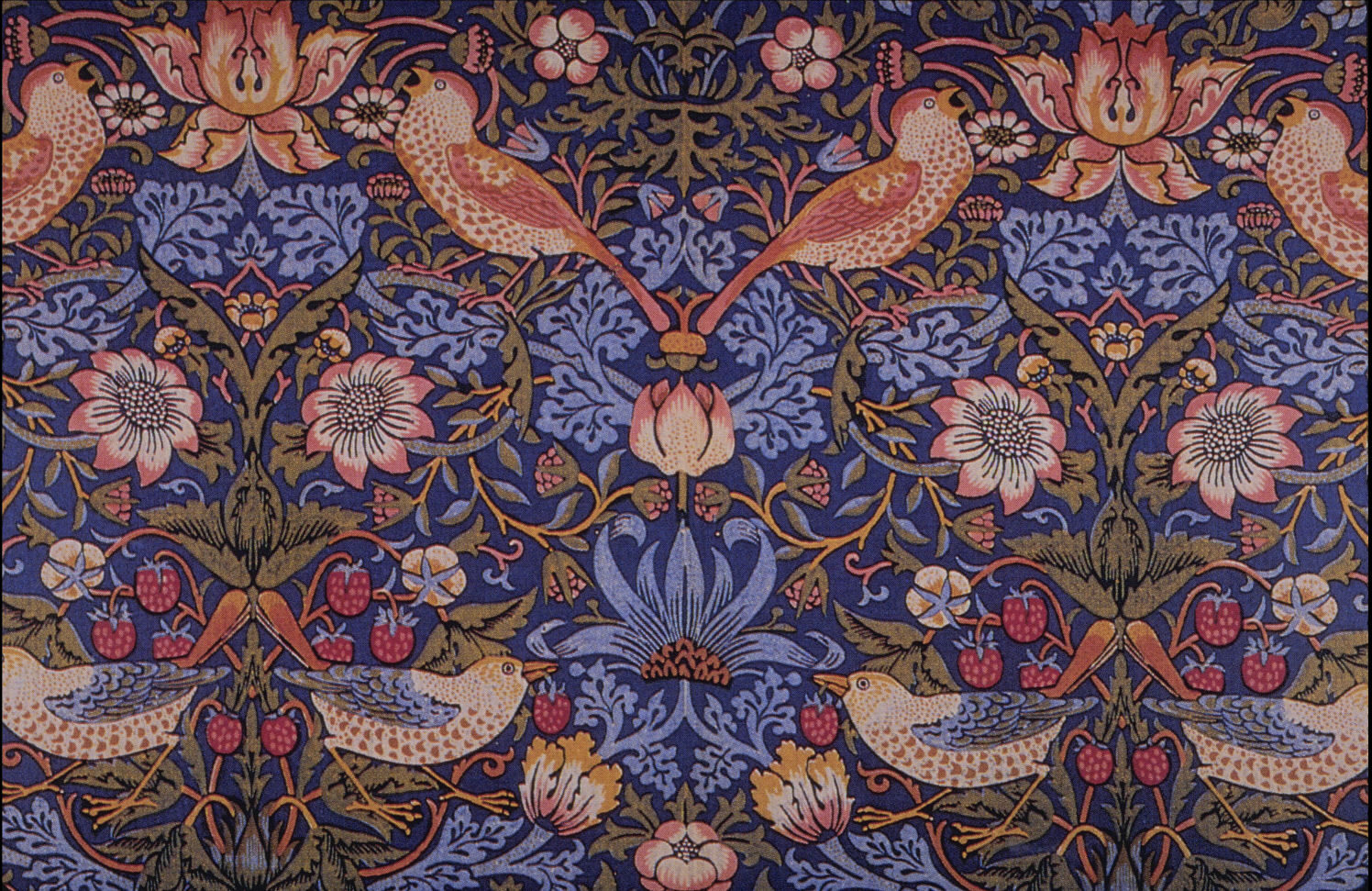
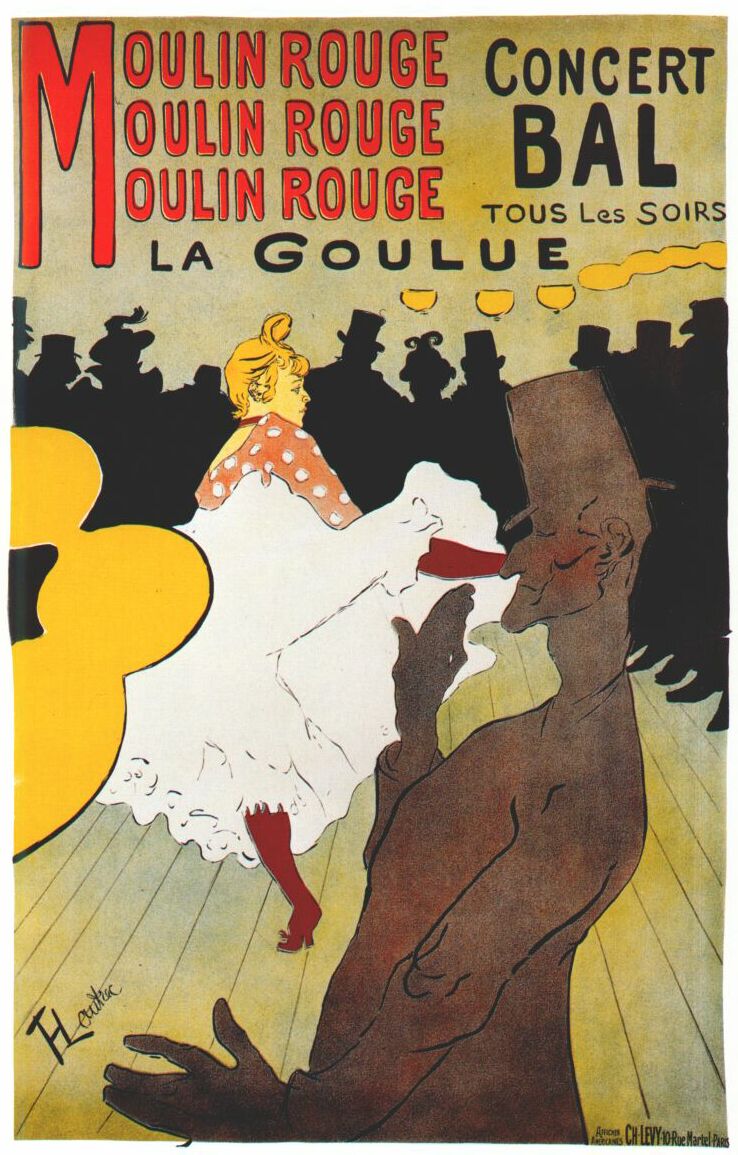
William Morris rejects machine production and returns to hand work: Kelmscott cuts its own type and prints on handmade paper. In the same decade, color lithography makes the poster a painter's medium.
KELMSCOTT CHAUCER, MORRIS AND BURNE-JONES, 1896 · MORRIS, STRAWBERRY THIEF, 1883 · TOULOUSE-LAUTREC, MOULIN ROUGE: LA GOULUE, 1891 · MORRIS'S BOOKS ARE IN OUR OPEN LIBRARY
The avant-garde
1909 to 1923
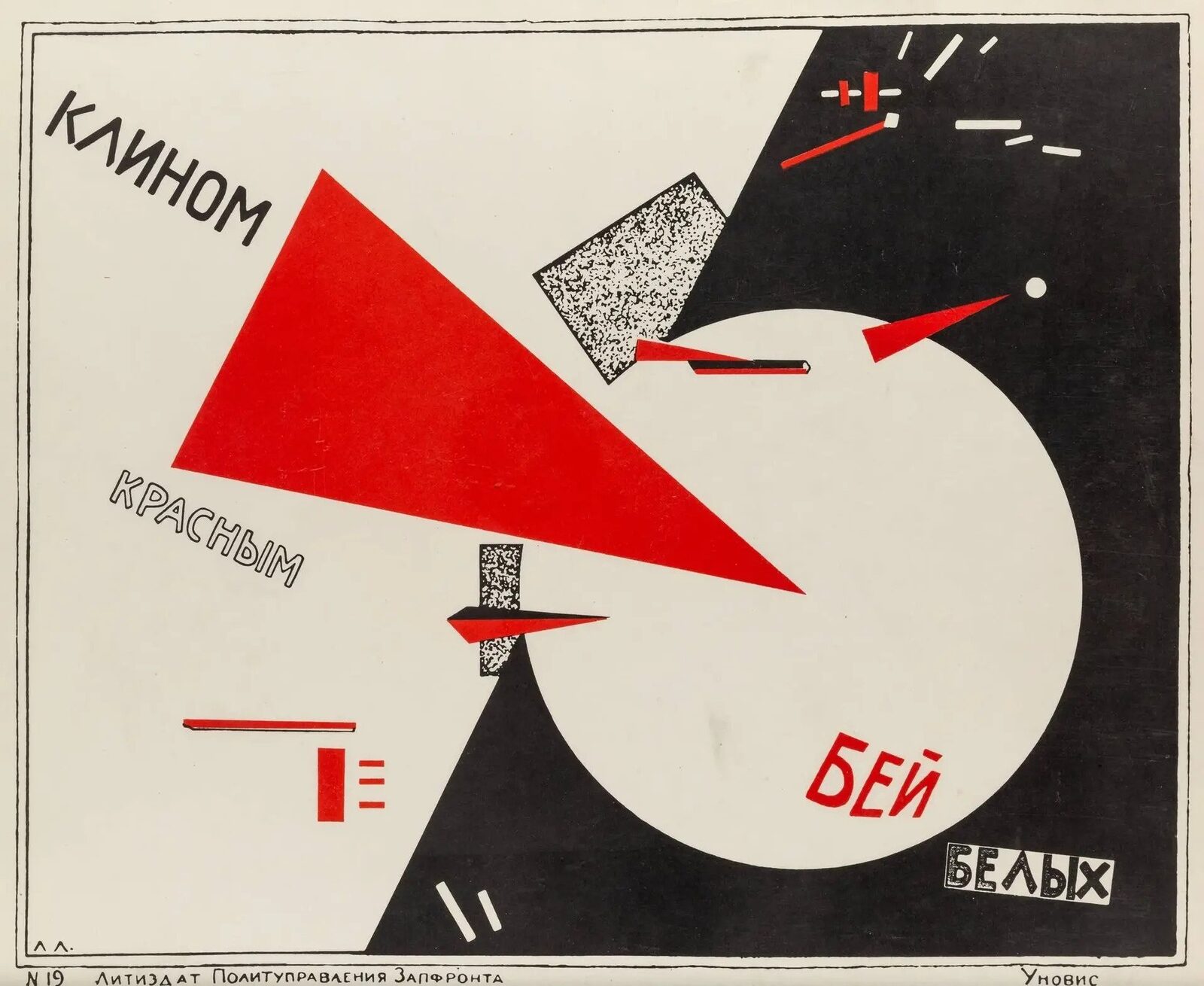
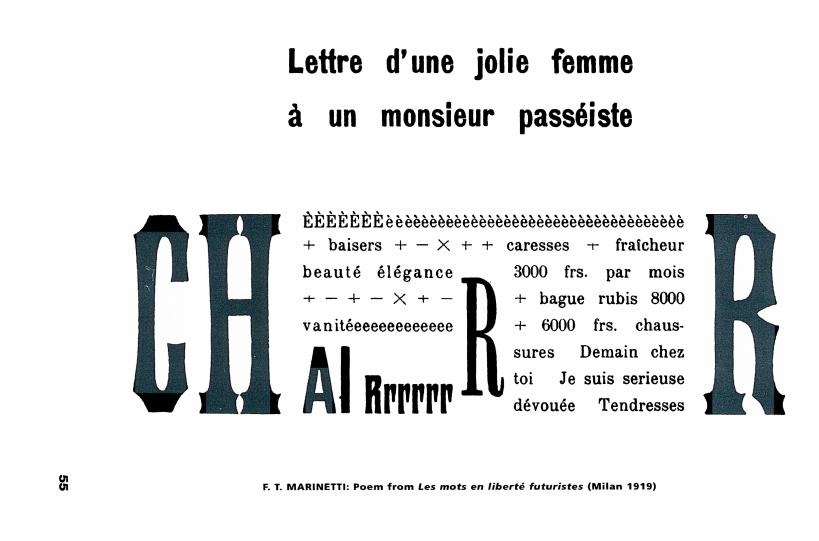
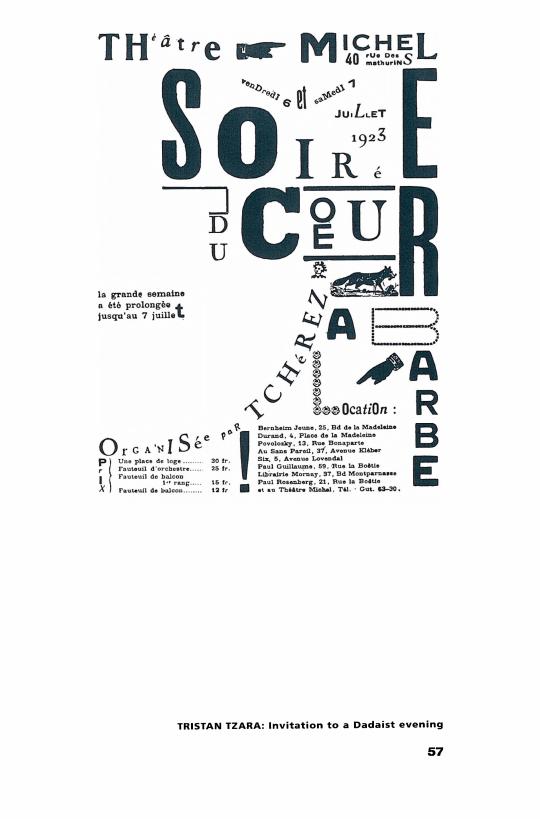
Futurists, Dadaists, and Constructivists treat the printed page as a composition. The experiments come from outside the printing trades: painters and poets setting type themselves.
EL LISSITZKY, BEAT THE WHITES WITH THE RED WEDGE, 1920 · F.T. MARINETTI, LES MOTS EN LIBERTE FUTURISTES, 1919 · TRISTAN TZARA, DADAIST EVENING INVITATION, 1923 · PLATES FROM TSCHICHOLD, THE NEW TYPOGRAPHY
Bauhaus
1919 to 1933
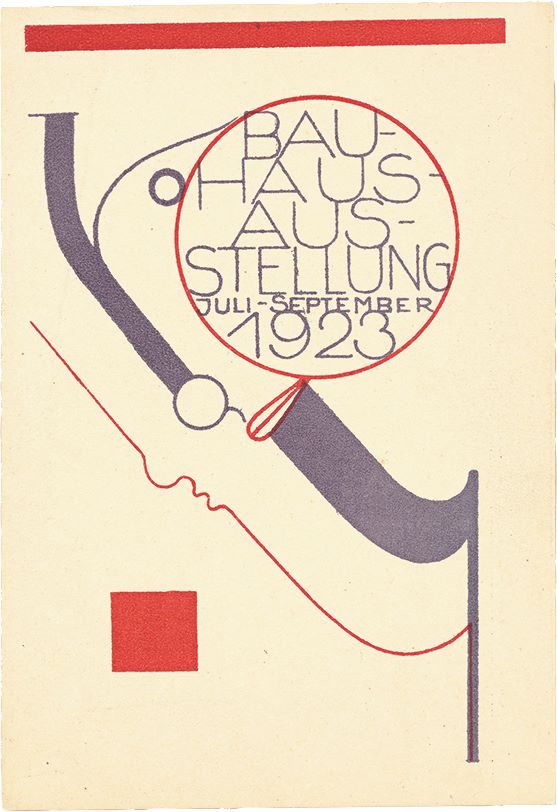
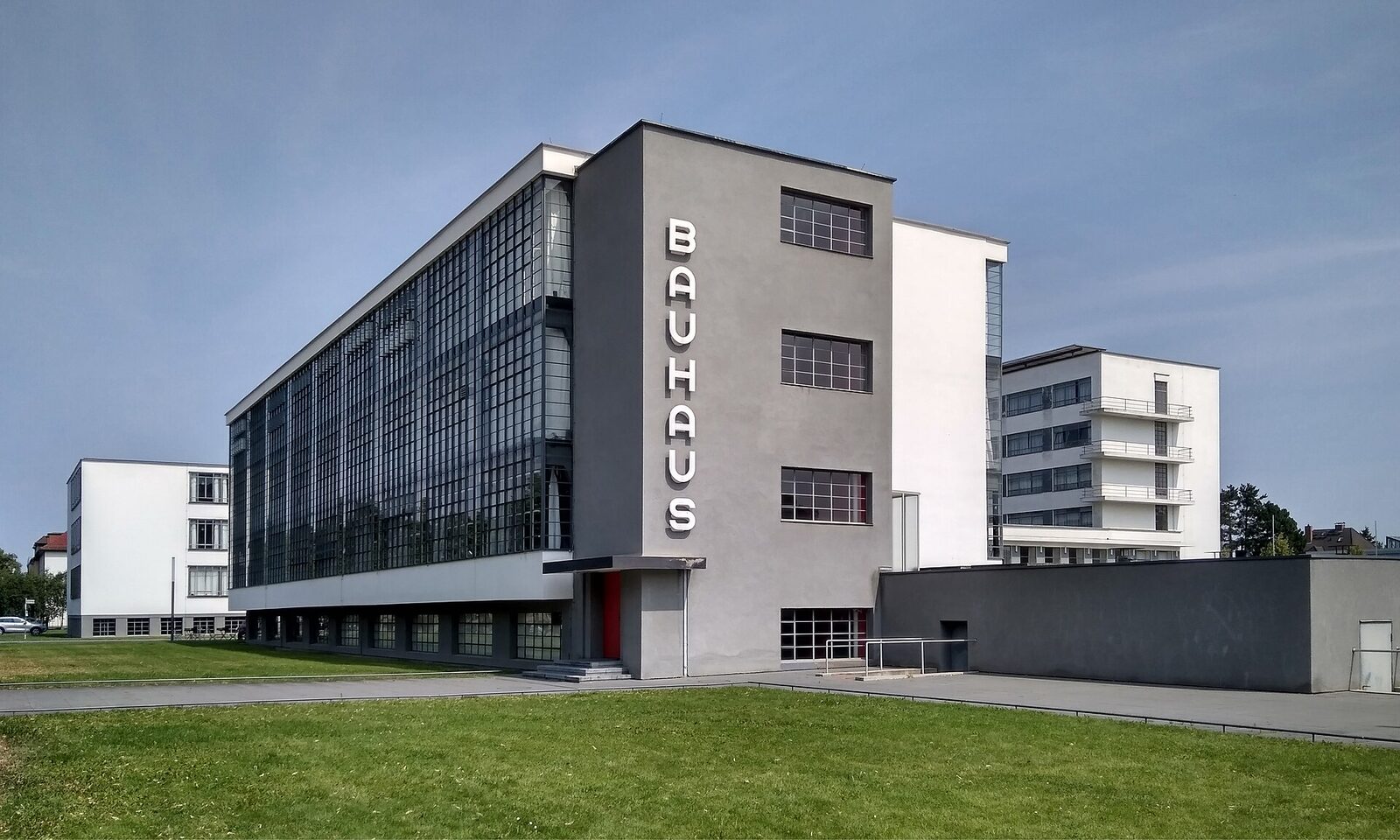
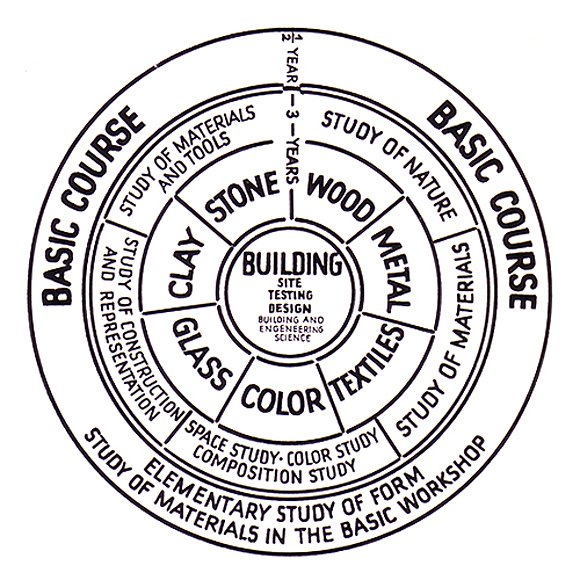
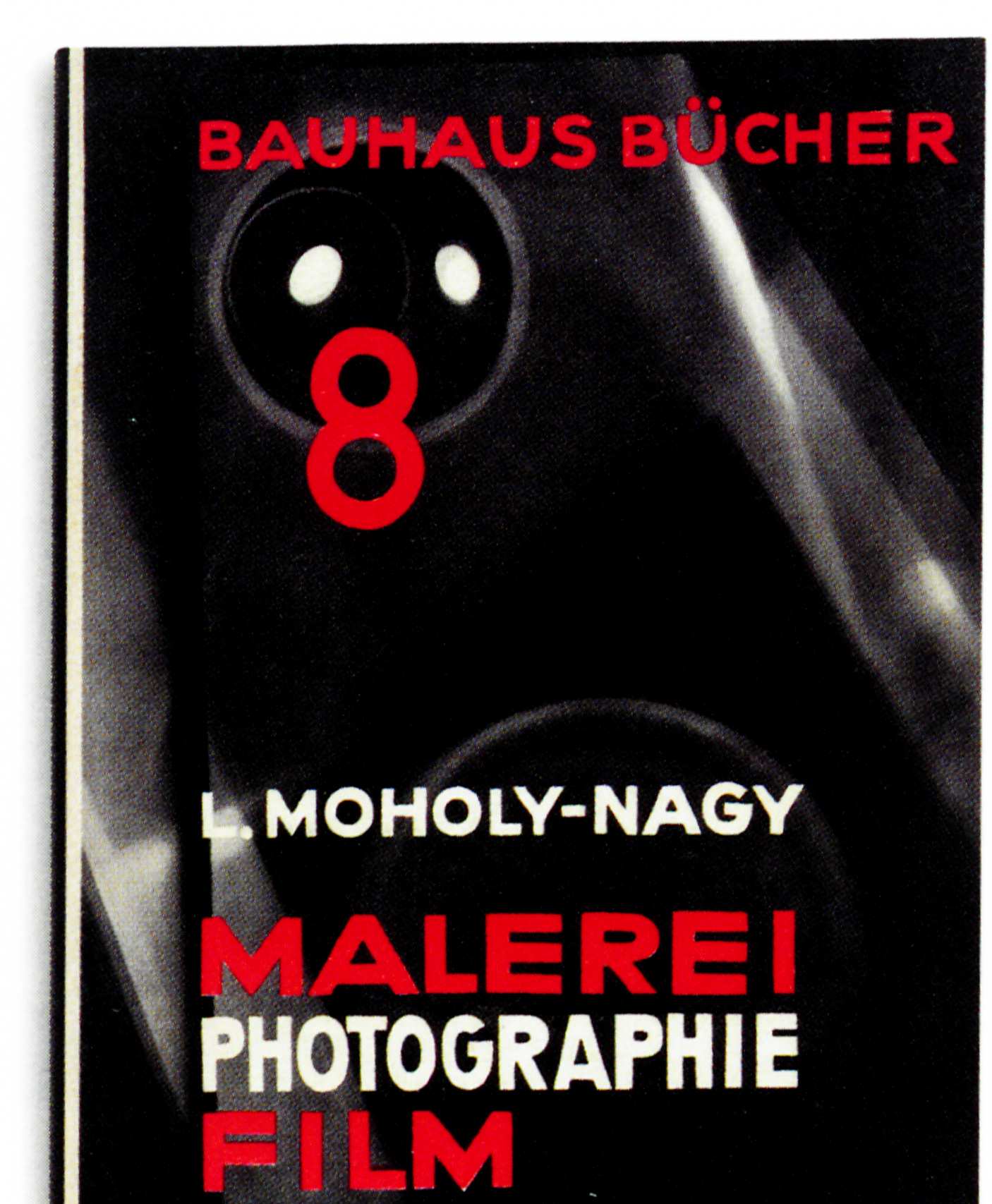
The counter-school to the academy tradition. Art and craft are taught as one activity, in workshops, at the machine: masters of form teach beside masters of craft. Gropius drew the curriculum as rings: every student starts in the basic course, works through the material workshops, and ends at building. The ideas in this diagram are still most of what design school teaches.
OSKAR SCHLEMMER, BAUHAUS EXHIBITION POSTCARD, 1923 · GROPIUS, BAUHAUS DESSAU, 1926 · GROPIUS, BAUHAUS CURRICULUM DIAGRAM, 1922 · MOHOLY-NAGY, MALEREI PHOTOGRAPHIE FILM, 1925
Abstraction goes to work
1921 to 1925
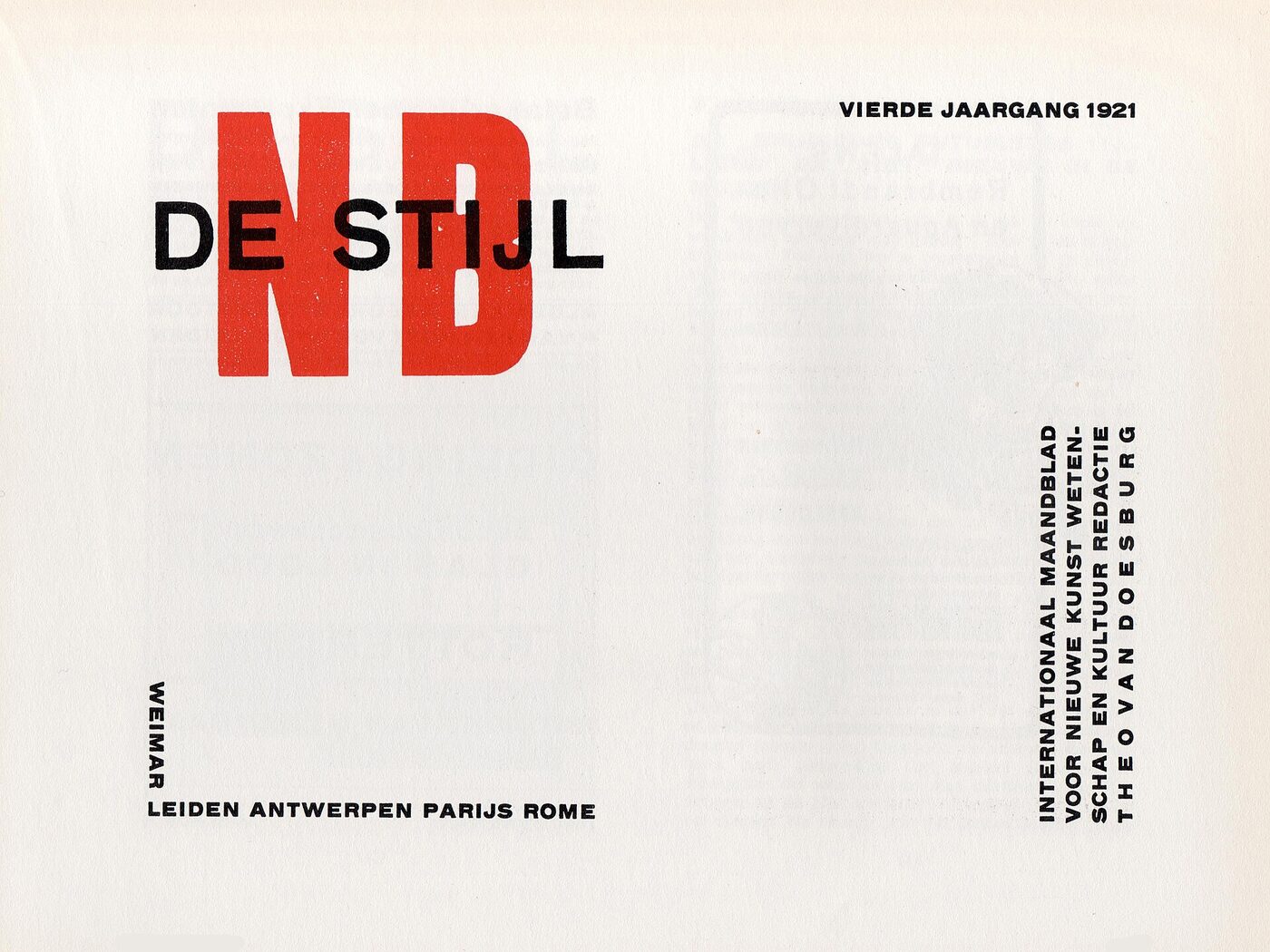
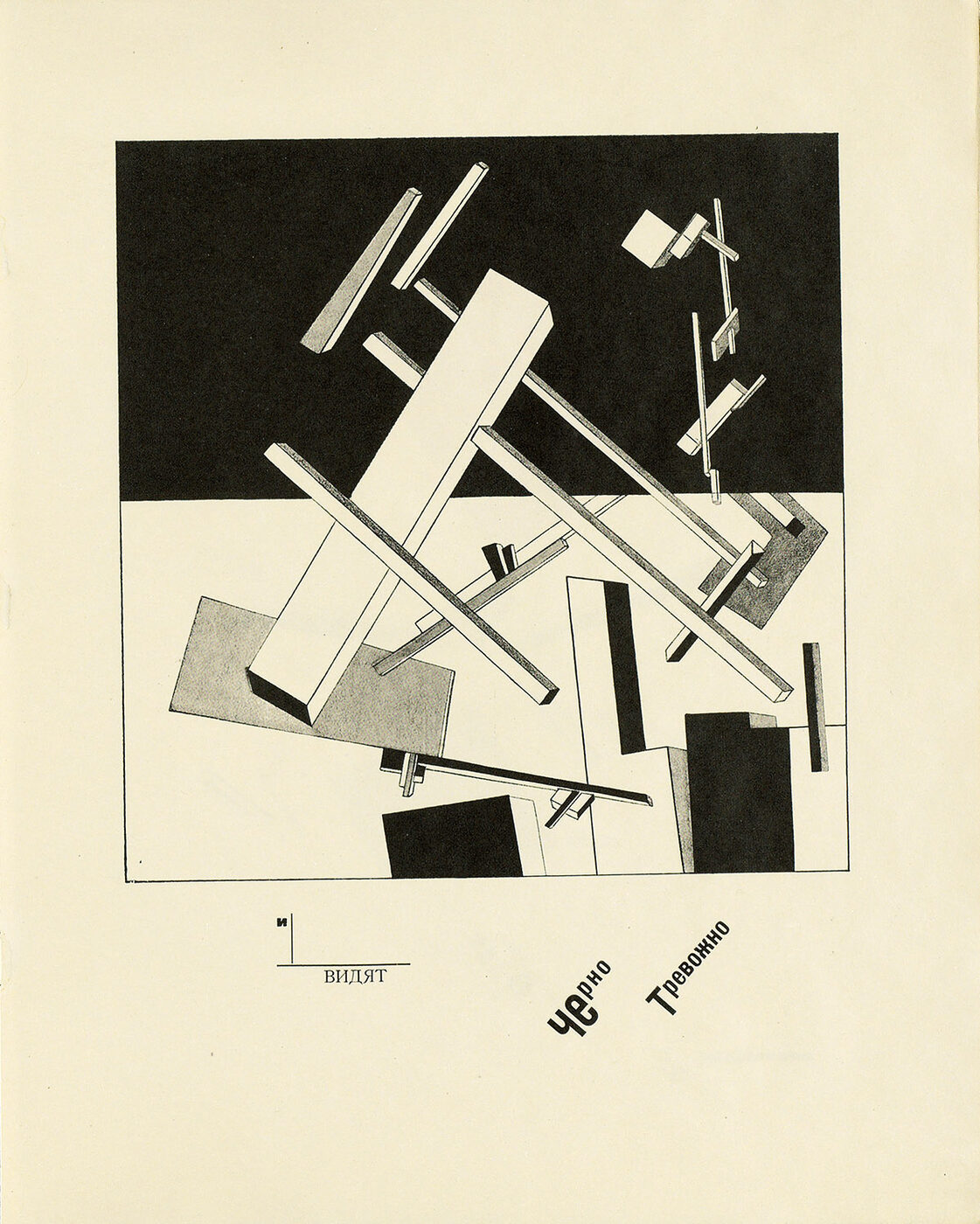
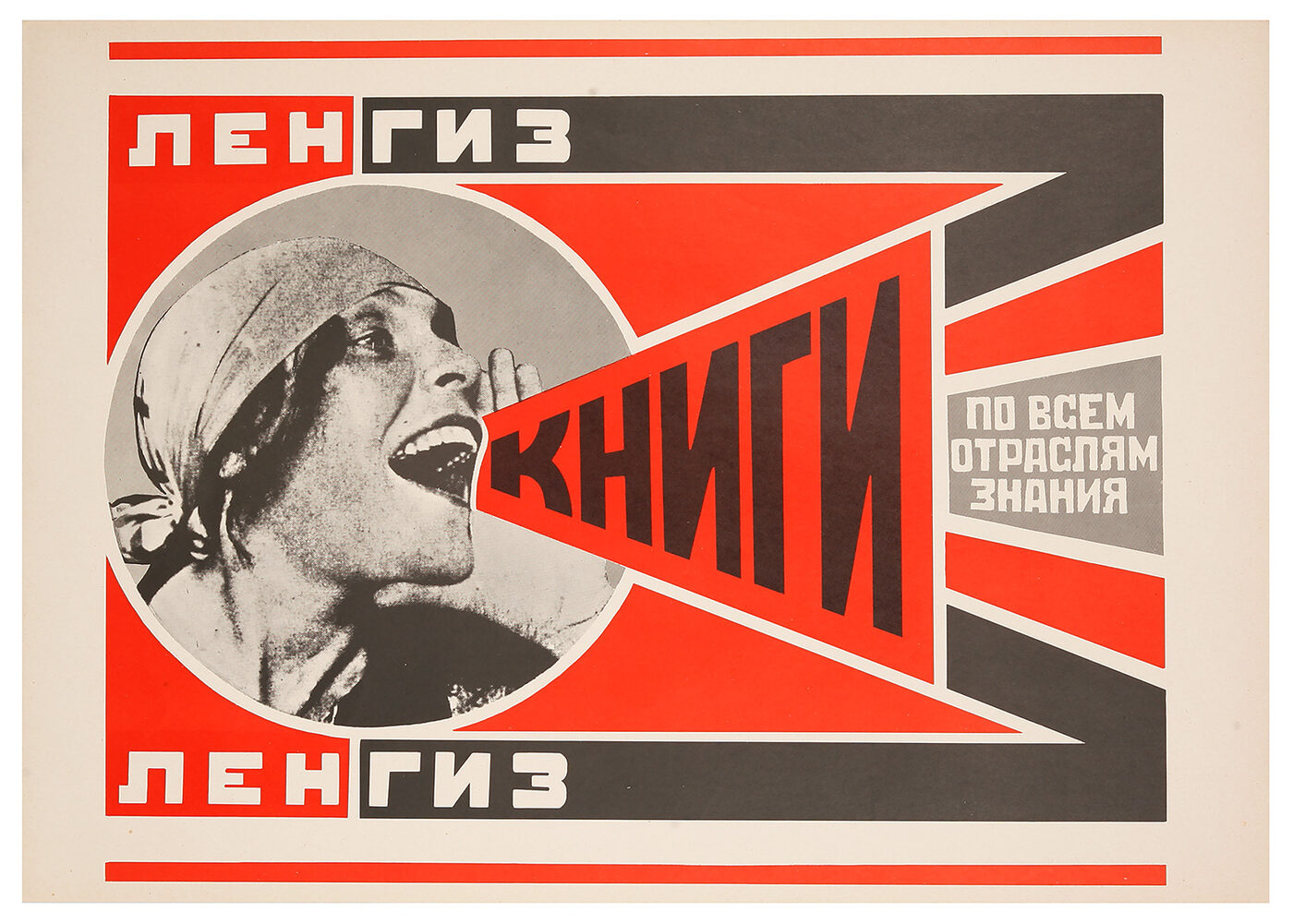
Designers take abstraction to printed matter. They believe abstract form can work as a universal language: no ornament, no national style, no illustration standing between the message and the reader. Type set on the diagonal carries energy, asymmetry directs the eye, and the page is composed the way a painting is, but printed in the thousands.
THEO VAN DOESBURG, DE STIJL JOURNAL COVER, 1921 · EL LISSITZKY, ABOUT TWO SQUARES, 1922 · ALEXANDER RODCHENKO, BOOKS (LENGIZ) POSTER, 1924, WITH LILYA BRIK
The New Typography
1928
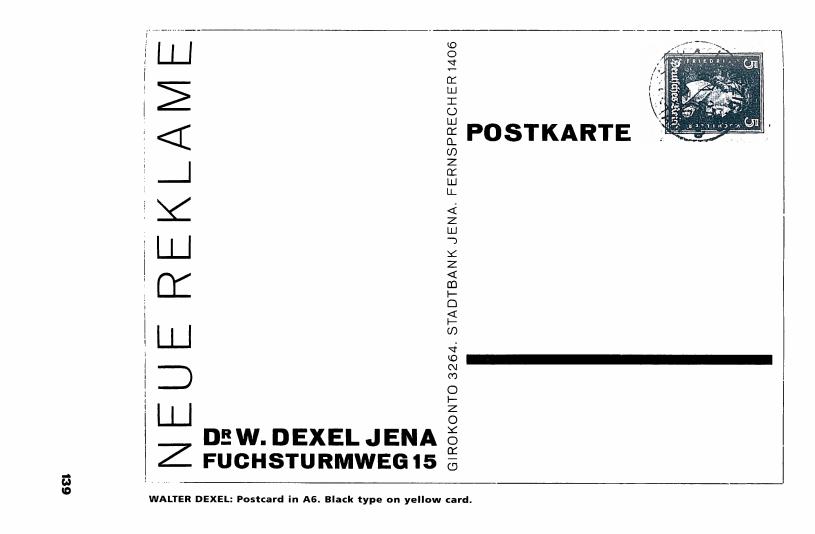
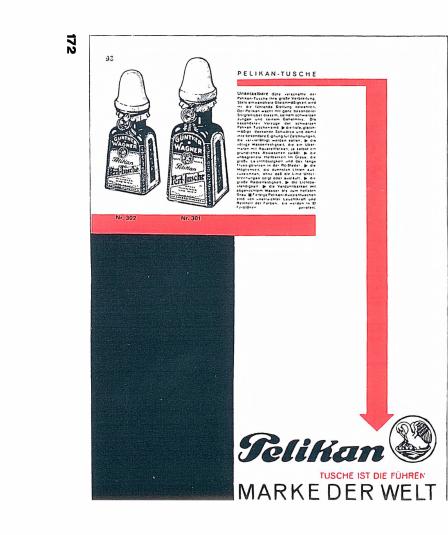
Jan Tschichold writes the movement down as working rules: asymmetric layout, sans serif type, whitespace as a compositional element. He turns the avant-garde experiments into a method any printer can follow.
PLATES FROM JAN TSCHICHOLD, DIE NEUE TYPOGRAPHIE, 1928 · WALTER DEXEL POSTCARD · PELIKAN CATALOG PAGE · THE FULL BOOK IS IN OUR OPEN LIBRARY
"The essence of the New Typography is clarity."
Die neue Typographie, 1928. The full book
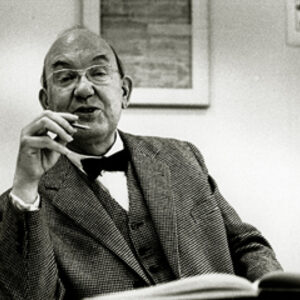 Jan Tschichold1902 to 1974German typographer. Wrote the avant-garde's experiments down as rules.
The International Style
1950s to 1970s
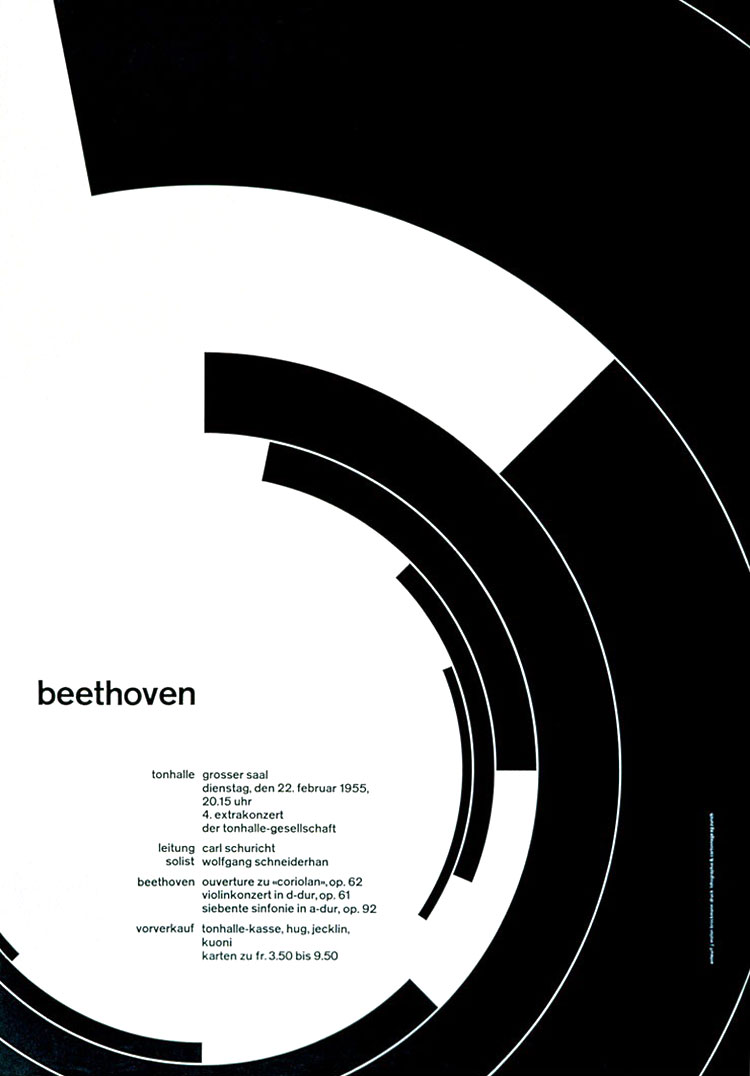
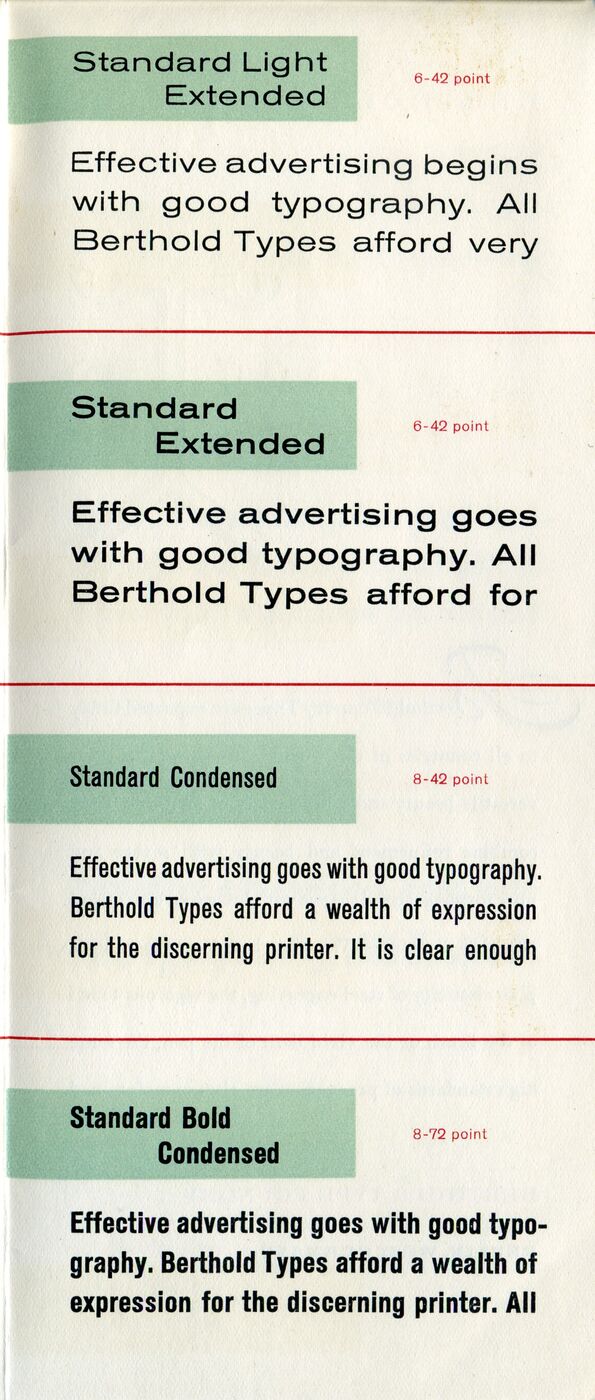
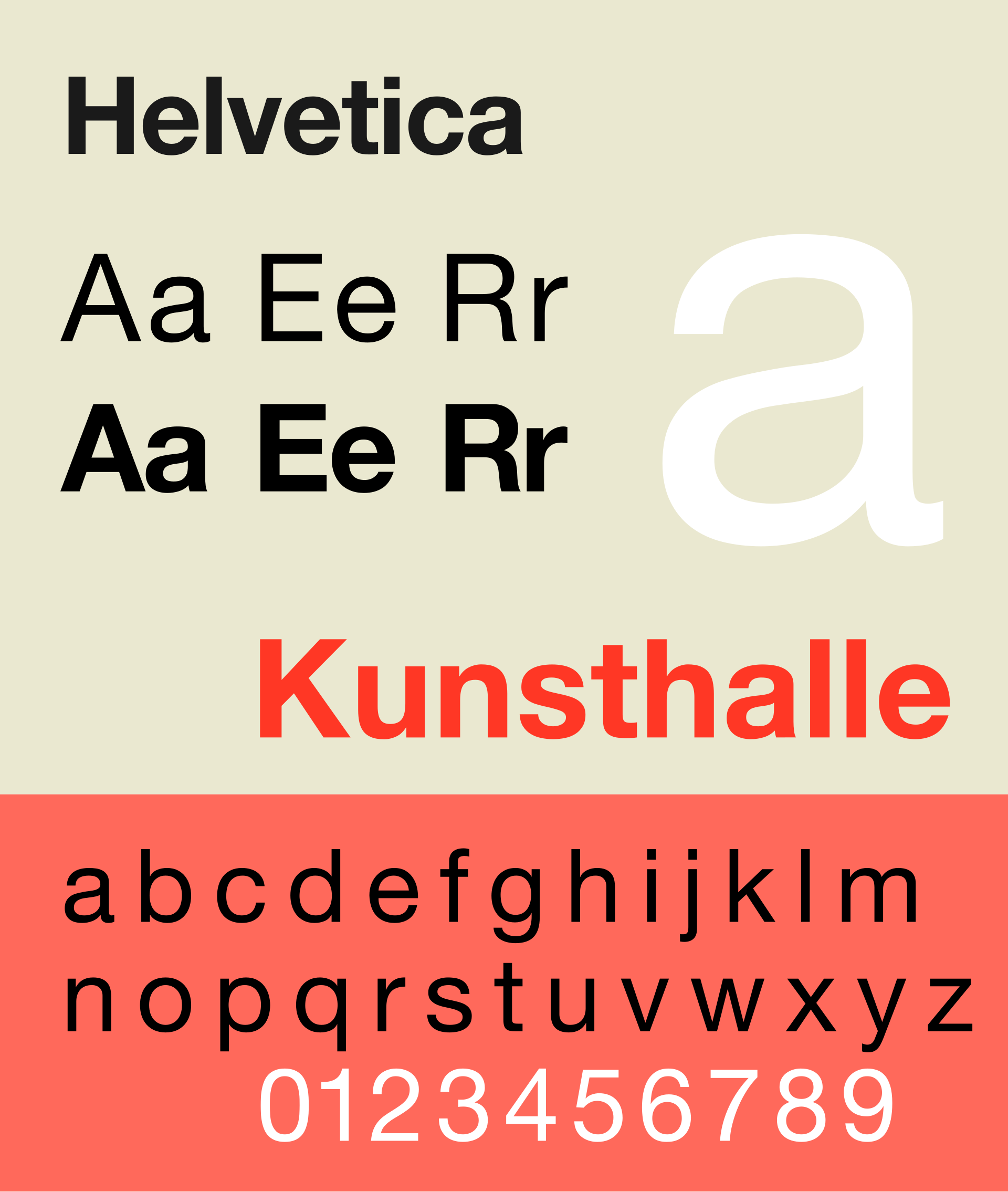
Grids, objectivity, sans serif type. Swiss designers turn design into a rigorous, repeatable practice, and corporate identity work is built on it for decades.
JOSEF MULLER-BROCKMANN, BEETHOVEN POSTER, 1955 · AKZIDENZ GROTESK SPECIMEN, BERTHOLD · HELVETICA SPECIMEN, 1957
Postmodernism
Theory breaks the modernist certainty.
The 1968 crisis
Vietnam, civil rights, urban upheaval. Young designers see modernist rationalism as the style of the corporate machine and go looking for alternatives.
Theory enters design
Semiotics, cultural criticism, and postmodernism reach design education. Students and teachers start questioning the values and hierarchy of the profession.
Punk and new wave
Torn paper, ransom-note lettering, photocopied flyers. Weingart in Basel, then Cranbrook and CalArts, push typography past the Swiss rules.
Meanwhile, in the office
Wild: designers were reading Derrida while "these pale gray machines that made awkward looking typography were multiplying in their offices."
Through all of this, design and design production are still two separate jobs.
Desktop publishing
1984 to 1995
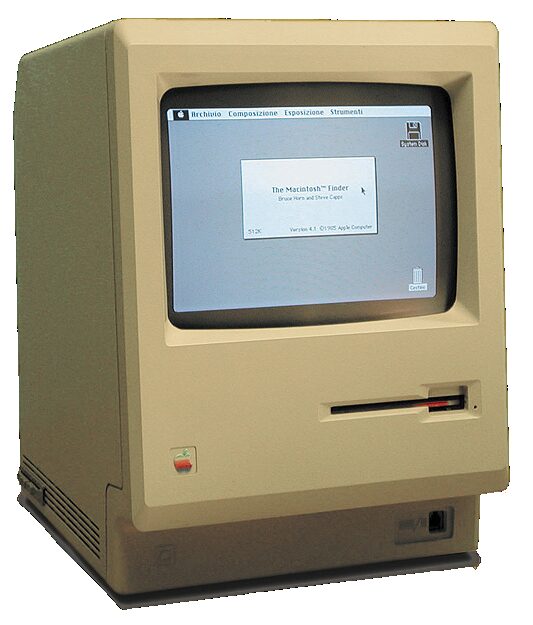
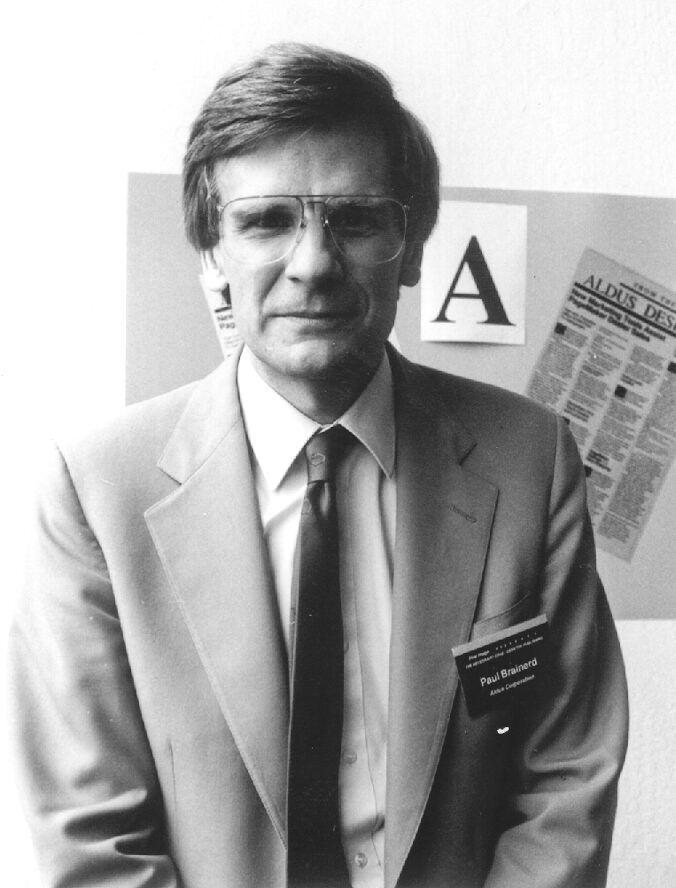
Macintosh, PageMaker, PostScript. Production becomes synonymous with design as designers are asked to do more. The production department goes away.
APPLE MACINTOSH 128K, 1984 · PAUL BRAINERD, ALDUS CORP., WITH PAGEMAKER, 1985 · THE PHRASE "DESKTOP PUBLISHING" IS BRAINERD'S
EMIGRE NO. 39
1996
1996
Reading
Lorraine Wild, "That Was Then, and This Is Now"
Why it's here
Your Session 2 reading, in its original pages: the field arguing with itself, in 1996, about what the computer had done to it. Full text at emigre.com
Her historical point: the graphic designer's identity "was only constructed after printing and typesetting technologies isolated the activity of planning and form-giving from... the actual production of printed matter." Arrow up and down to page through.
Web 1.0
1995 to 2004
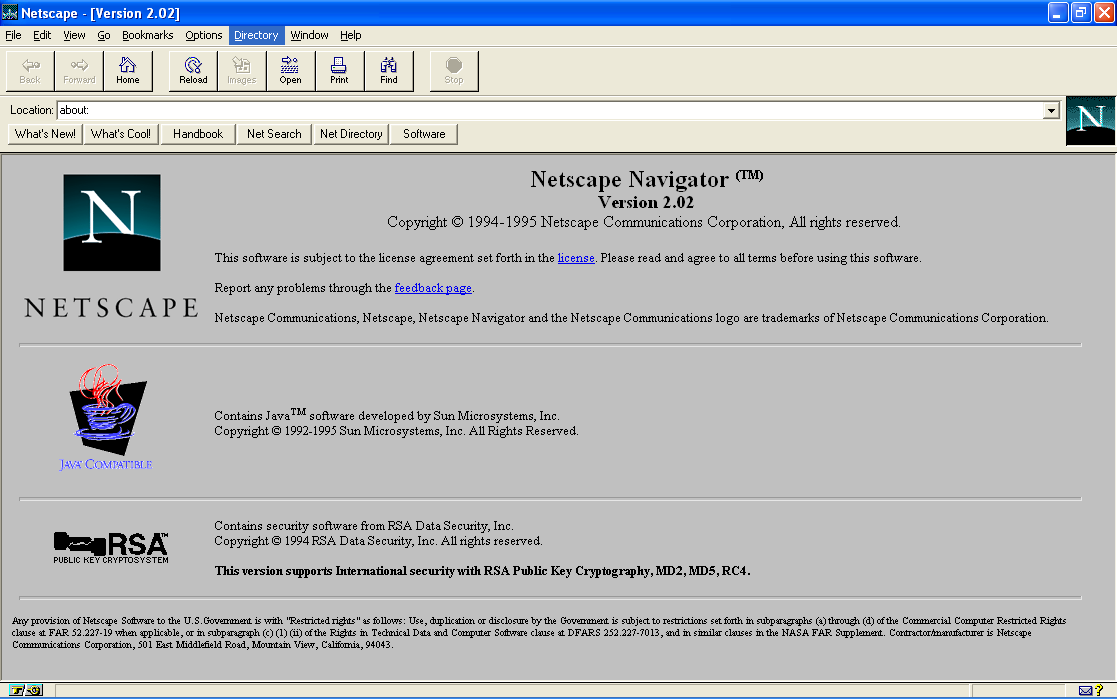
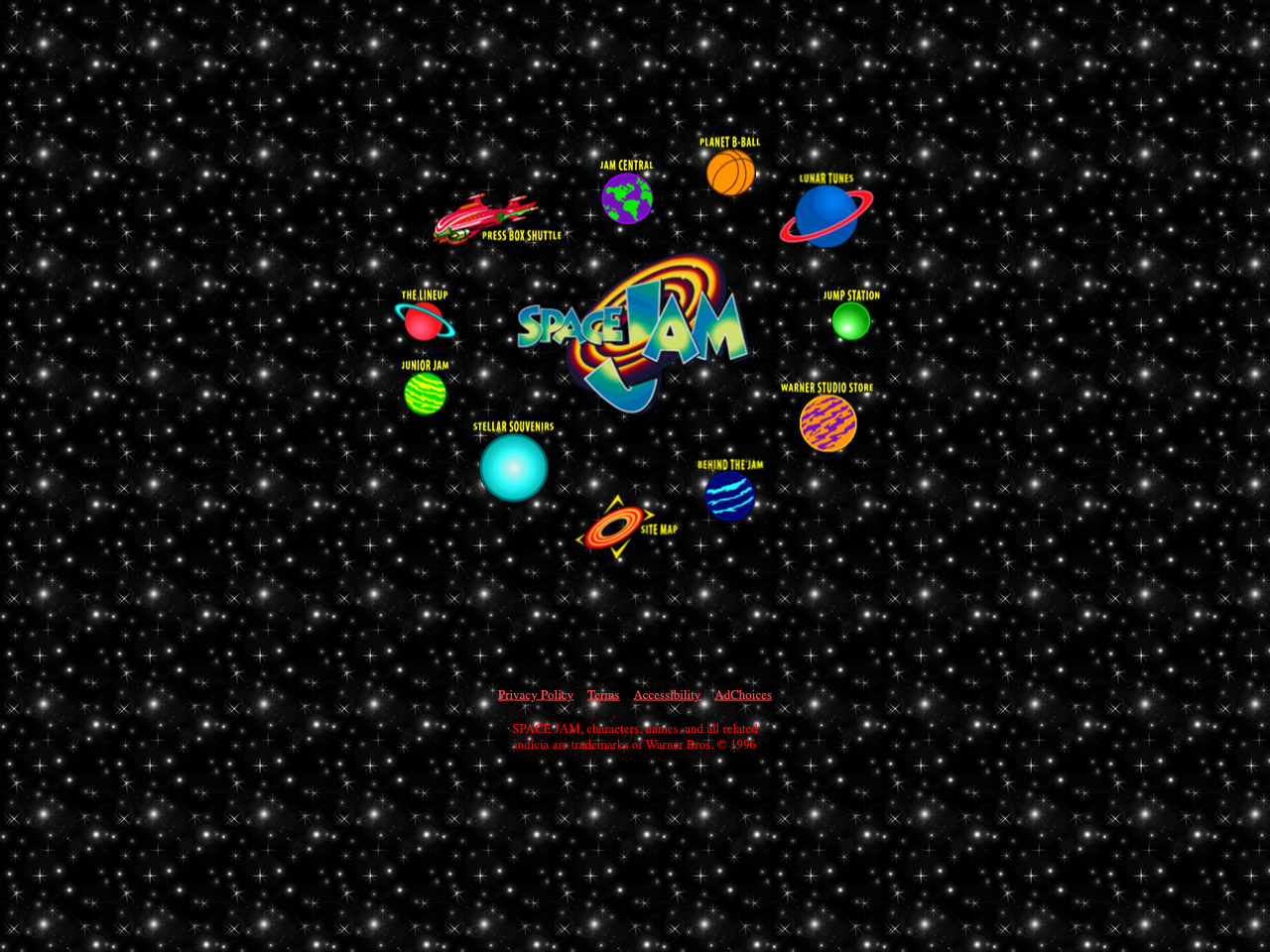
The browser turns the screen into a page anyone can publish. HTML tables, GIFs, then Flash. The experimental approach moves to the web, where the only limiting factor is the technology itself.
NETSCAPE NAVIGATOR 2, 1995 · SPACEJAM.COM, WARNER BROS., 1996, STILL LIVE AT /1996 · MOST OF THIS ERA'S WORK IS ALREADY LOST
Web 2.0
2004 to 2015
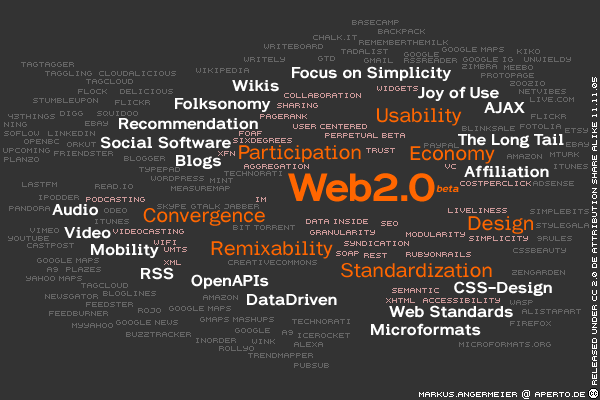
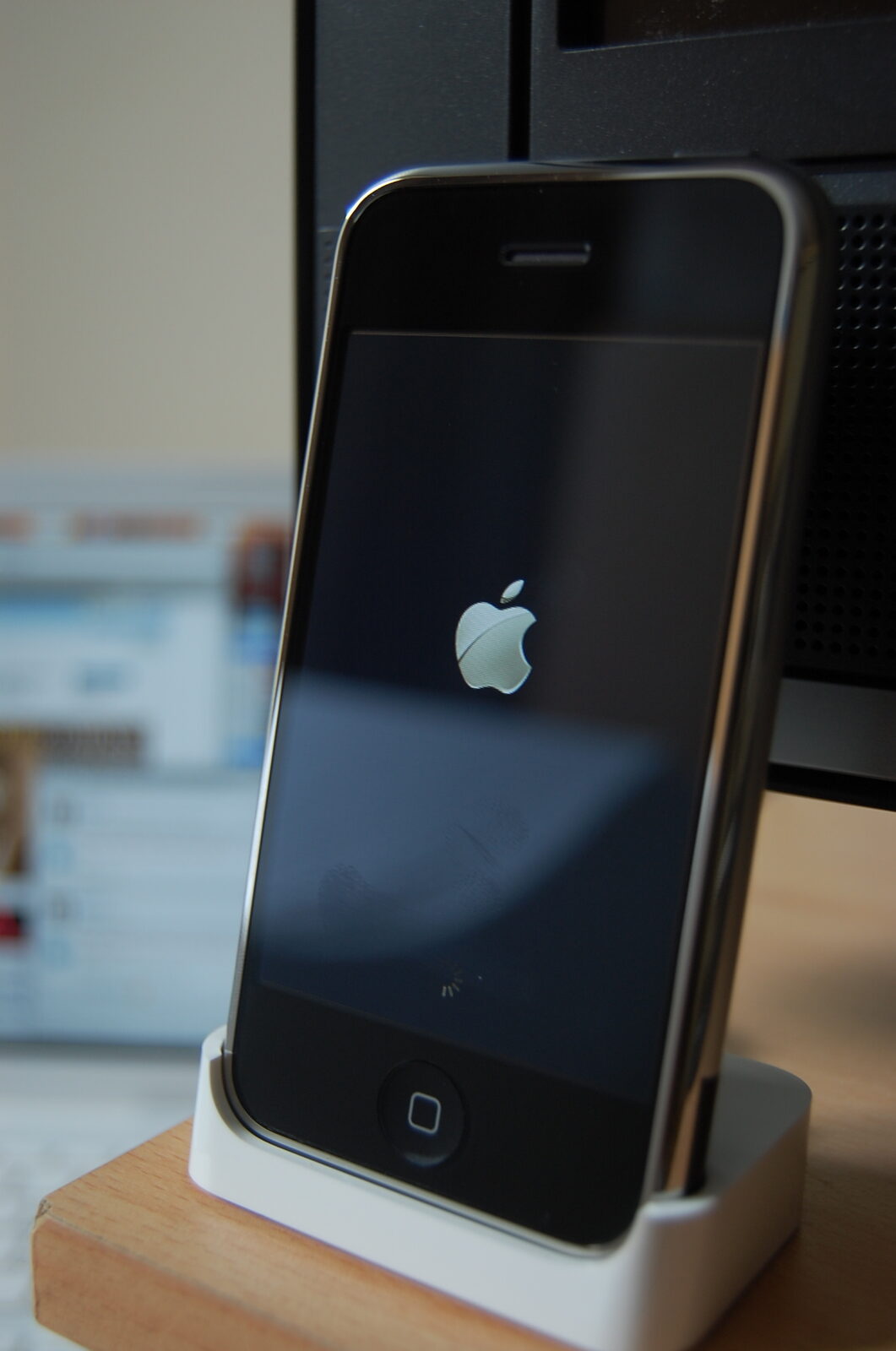
Broadband, web standards, and then the smartphone. Publishing moves onto platforms, the feed replaces the page, and design work consolidates into products, apps, and systems.
WEB 2.0 MEME MAP, MARKUS ANGERMEIER, 2005, CC BY-SA · APPLE IPHONE, 2007
The 2000s
Design works to legitimize itself.
More rigorous methods
Design leaders push methods and process to counter the view that the work is just "art." Words like "intuition" and "style" are deemed too flimsy for the new era.
The seat at the table
It works. Design gets into the boardroom, and the field fills up with people, practices, and policies that reflect the structure of corporate culture.
Knowledge workers
Designers are now knowledge workers. Process, systems, and governance define the job, and the call goes out for more technically focused workers and fewer tinkerers.
What it cost
Real influence and real salaries. Also a generation of younger designers with very little knowledge of the experimental era that came before.
Now
AI is taking over design production. What it leaves to you is deciding which problem to solve, for whom, and why.
Design Thinking
YOU HAVE HEARD THE PHRASE. HERE IS WHAT IT MEANS.
Design Thinking
The way designers work on problems spread to business, and then to everyone.
The claim
What design thinking actually claims.
The frame is a choice
The way you state the problem determines which answers you can reach. Choosing the frame is design work.
People first
Understand what people actually do before generating ideas about what to make for them.
Diverge on purpose
Hold many options open longer than feels comfortable. The first good idea is rarely the best one.
Prototype to learn
Make the cheap version early. It is far cheaper to be wrong in a prototype than in the shipped thing.
Your reading
You've already read this. Davis just never says "design thinking."
Maslow's pyramid
People first, drawn as a diagram. Know which need the work speaks to before you decide what to make.
Insight
Observation plus the conclusion you draw from it.
Segmentation
"For whom is this a problem?" Choosing the audience is choosing the frame.
The grandfather
"I want to know what they think." The whole first diamond in seven words.
Insight, worked
01
Observation
Gladwell says it takes 10,000 hours of practice to master something.
What it isA fact you can point to.
02
Insight
From a beginning writer's perspective, that means insecurity, a mountain of rewrites, and the temptation to quit.
What it isThe conclusion he drew from it, from the writer's side.
03
Concept
Behind every great speech, book, or script is a pile of revisions. New writers know the finished version, not the process.
What it isThe idea the insight makes possible.
04
Execution
Show the phases famous lines went through to get to what we recognize.
What it isThe thing you make. It comes last.
INFORMATION COLLECTED + DATA INTERPRETED = INSIGHTS THAT INSPIRE CONCEPTS THAT INSPIRE EXECUTIONS. DAVIS, CH. 1. HIS EXAMPLE, GOTHAM WRITERS WORKSHOP.
Maslow's hierarchy of needs
Self-actualizationBecoming who you could be
EsteemStatus, respect, confidence
Love and belongingBeing part of something
SafetySecurity, stability, health
PhysiologicalAir, food, water, sleep
"The person buying the whitening toothpaste may really be out to brush away self-consciousness."
Davis, ch. 1 · Maslow, "A Theory of Human Motivation," 1943
The product promises a whiter smile. The need underneath is what the work has to speak to.
Two questions for your project: which need is your audience at, and which one is the product talking to right now?
Two questions for your project: which need is your audience at, and which one is the product talking to right now?
MASLOW, "A THEORY OF HUMAN MOTIVATION," 1943. DAVIS USES IT TO FIND WHAT A PURCHASE IS ACTUALLY FOR.
The double diamond
01
Discover
Diverge. Learn everything about the situation before deciding what it is.
This courseThe research weeks
Starts Wednesday
Starts Wednesday
02
Define
Converge. Frame the problem. The move most people skip entirely.
This courseThe audience · Sep 9
Problem statement · Sep 14
Problem statement · Sep 14
03
Develop
Diverge again. Many answers, explored on purpose.
This courseExplorations · Oct
The brand · Nov 4
The brand · Nov 4
04
Deliver
Converge. Ship the answer.
This courseThe brand book
The landing page · Dec 2
The landing page · Dec 2
NOBODY BUILDS THE PRODUCT. YOU BUILD THE ARGUMENT THAT COULD SELL IT.
"How do we build a better alarm clock?" already names the answer. "Why do people wake up badly?" asks about the problem.
A warning
Run as a one-day workshop with sticky notes, design thinking earned a bad name.
Your first audience does not have to be right. It has to be one you can argue for.
Before you leave
The work between now and Wednesday.
Today, before the door
Your statement is turned in on Blackboard. Check that it went through before you leave. Then finish Davis chapter 1, Segmentation to the end, 12 pages.
Wednesday · Sep 2
Discovery Workshop. Read Brown, "Discovery Defined," 16 pages. Bring your personal statement: the research starts from the worlds it names.
Sep 9, then Sep 14
The audience first: three audiences, a paragraph each. What problem it solves, what they use today, what that costs them, which one you lean to. The problem statement follows on Sep 14.
Sep 21
The pitch, recorded: your problem, your audience, and your ideas for the brand.