Aesthetics and the Moodboard
How to see it, how to say it, and how to show it to a client.
Workhorse Collective
ART 418 · Fall 2026
 wrkhrs.co
Today.
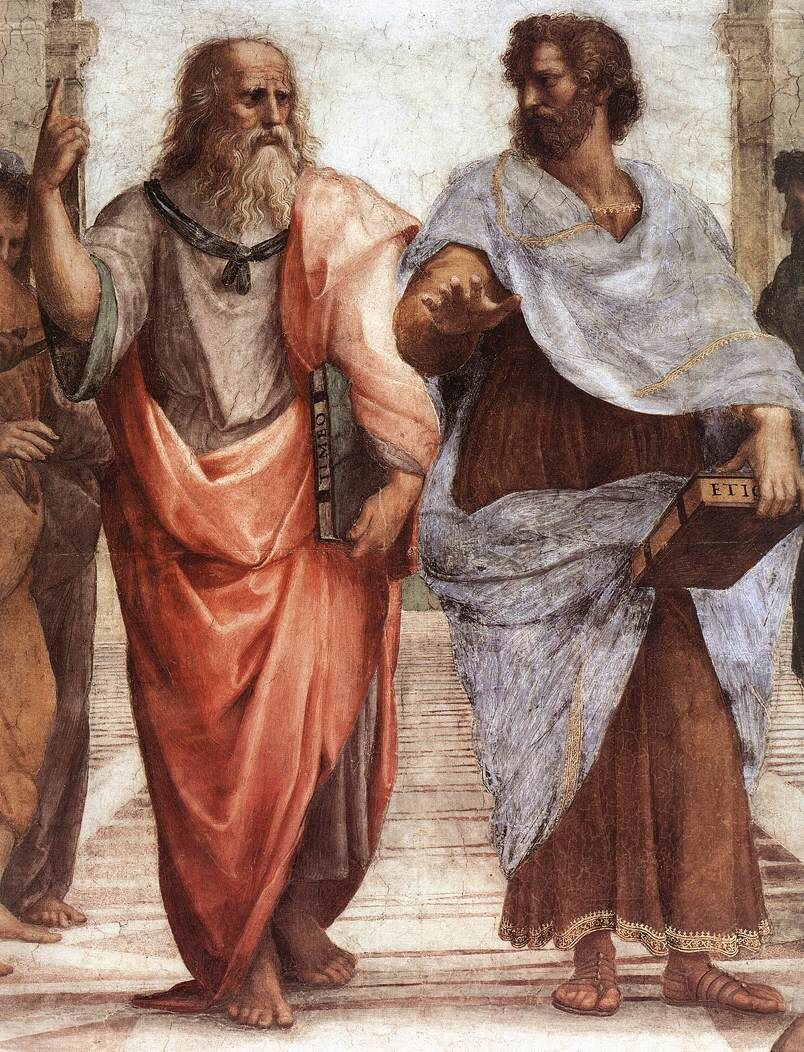
Beauty is a ladder from the things you can see to something that never changes.
"...from beautiful bodies he should proceed to beautiful minds, and the beauty of laws and institutions, until he perceives that all beauty is of one kindred."
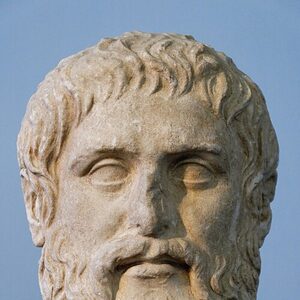 Platoc. 428 to 348 BCGreek philosopher. Student of Socrates, teacher of Aristotle.
"For by the greatness of the beauty, and of the creature, the creator of them may be seen."Wisdom 13:5 · a book written in Greek in the 1st century BC
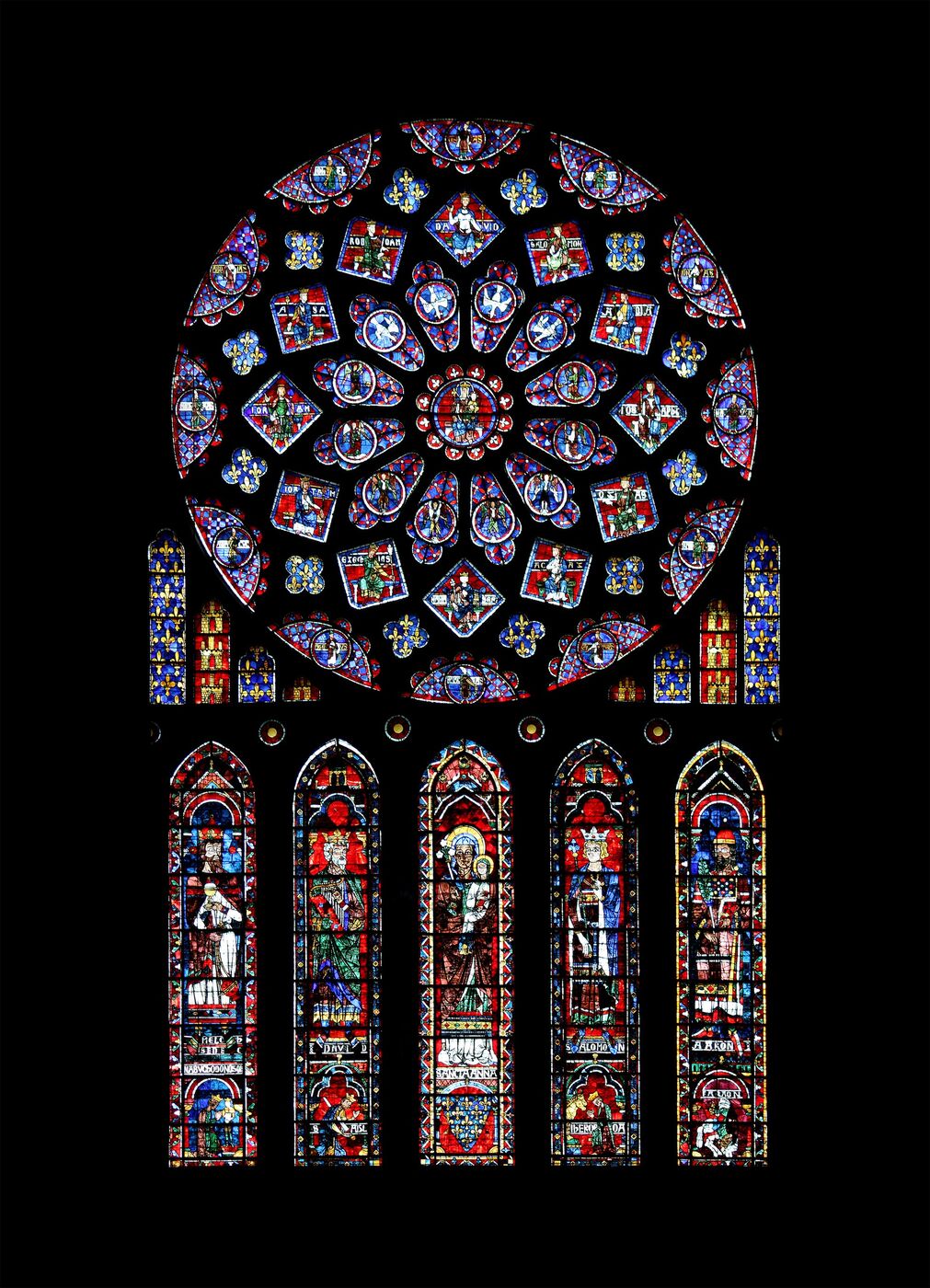
Beauty has three conditions: nothing missing, parts in proportion, and clarity.
"For beauty includes three conditions, 'integrity' or 'perfection,' since those things which are impaired are by the very fact ugly; due 'proportion' or 'harmony'; and lastly, 'brightness' or 'clarity.'"
 Thomas Aquinas1225 to 1274Italian friar who joined Aristotle's philosophy to Christian theology.
"Beautiful things are those which please when seen."I, q. 5, a. 4 · the viewer is already in the definition
"Too late loved I Thee, O Thou Beauty of ancient days, yet ever new!"Augustine, 354 to 430, bishop in North Africa, speaking to God · Confessions, X.27
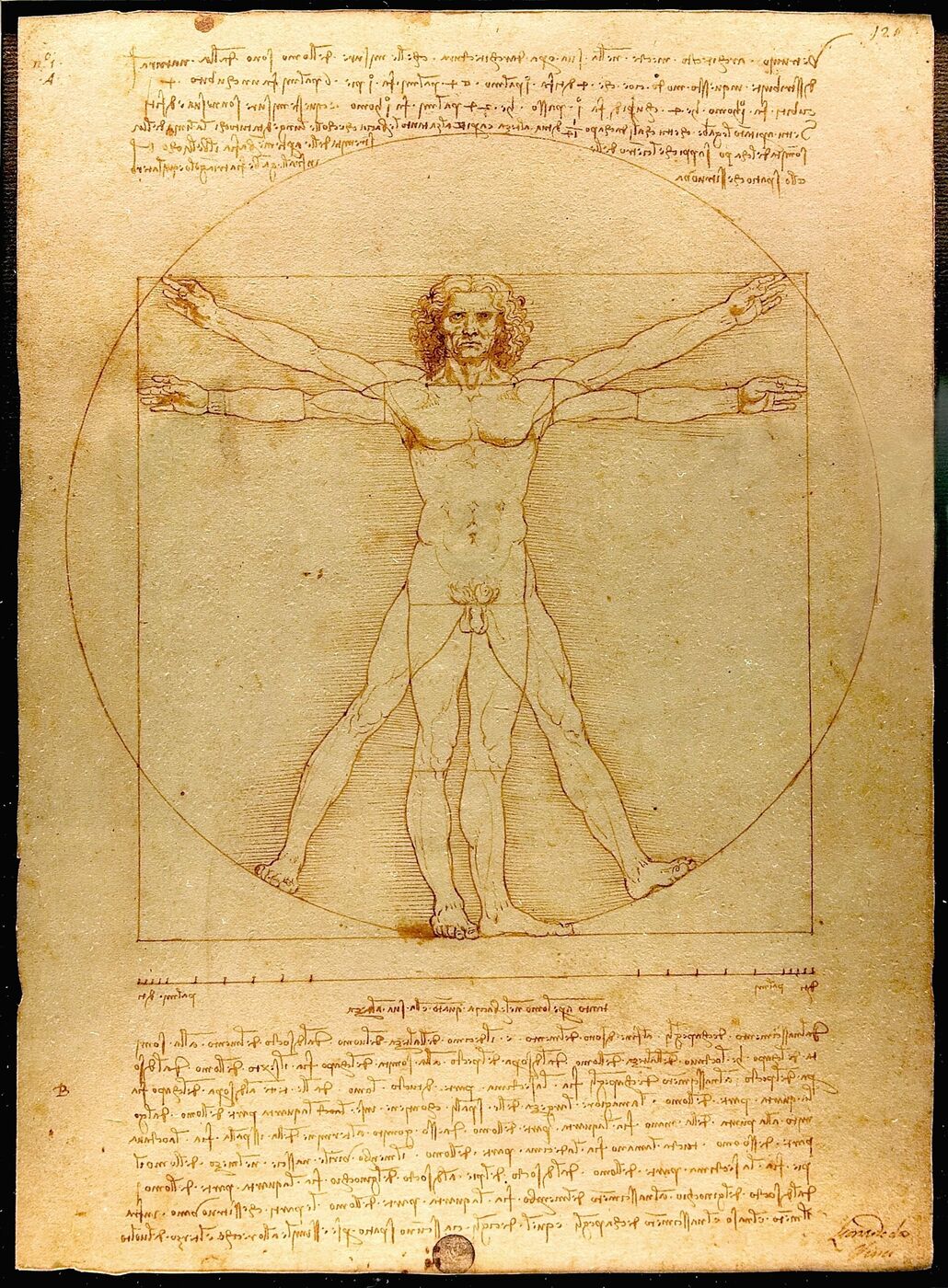
Beauty is the right relationship of parts, and it can be measured.
"Beauty, then, is the reasoned harmony (concinnitas) of all the parts, so that nothing can be either added or taken away without disturbing or destroying that harmony."
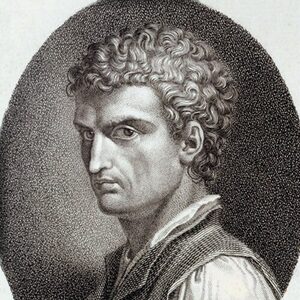 Leon Battista Alberti1404 to 1472Italian architect. Wrote the first Renaissance books on painting and on building.
"...thou hast ordered all things in measure, and number, and weight."Wisdom 11:21
"Beauty is no quality in things themselves: It exists merely in the mind which contemplates them; and each mind perceives a different beauty."
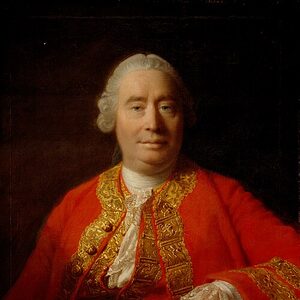 David Hume1711 to 1776Scottish philosopher and historian of the Scottish Enlightenment
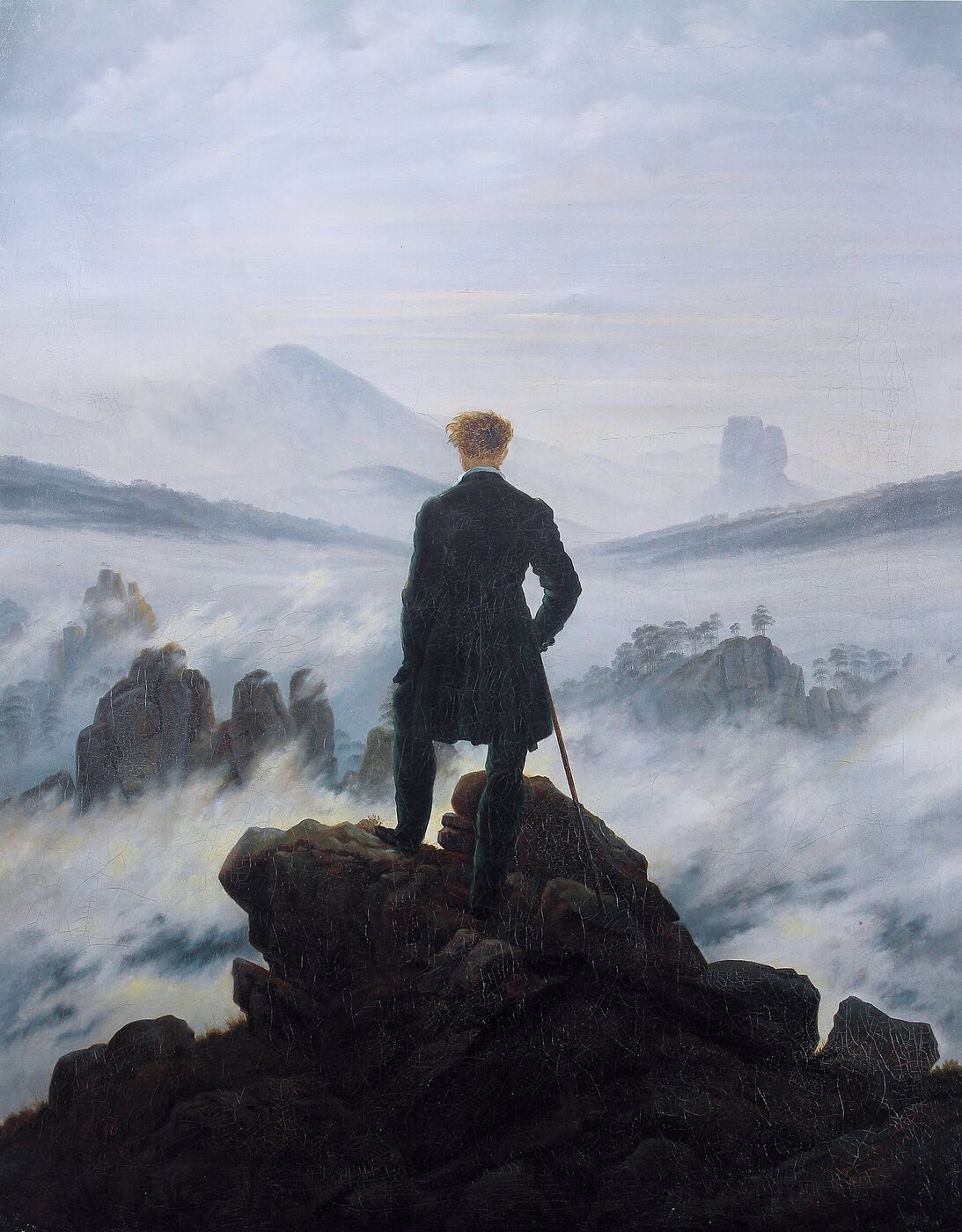
Beauty is a pleasure you take in a thing without wanting anything from it.
"Taste is the faculty of judging of an object or a method of representing it by an entirely disinterested satisfaction or dissatisfaction. The object of such satisfaction is called beautiful."
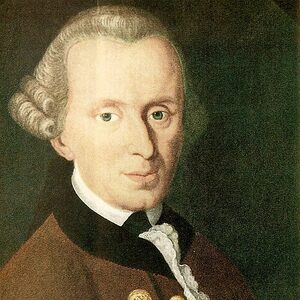 Immanuel Kant1724 to 1804German philosopher. Lived his whole life in Königsberg, Prussia.
"Beauty is the form of the purposiveness of an object, so far as this is perceived in it without any representation of a purpose."§17 · purposeful-looking, with no purpose
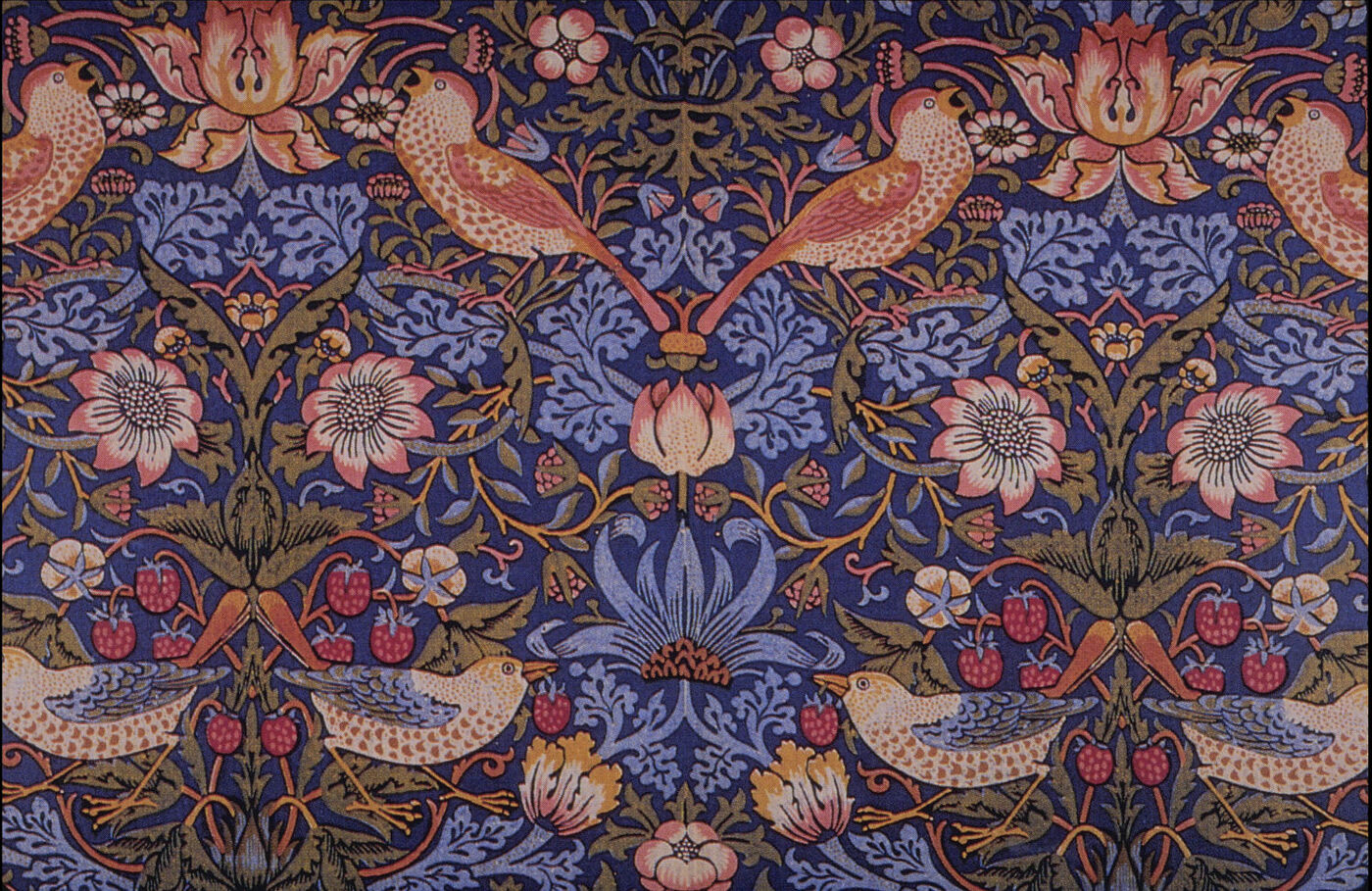
Beauty belongs in everyday things, and it comes from the hand that made them.
"Have nothing in your houses that you do not know to be useful or believe to be beautiful."
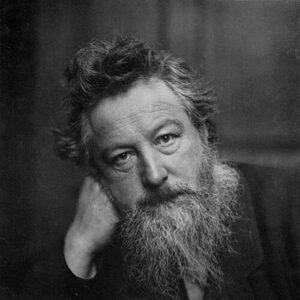 William Morris1834 to 1896Designer of wallpaper and textiles. Led the Arts and Crafts movement.
"...irregularities and deficiencies which are not only signs of life, but sources of beauty."John Ruskin, 1819 to 1900, art critic · "The Nature of Gothic," 1853
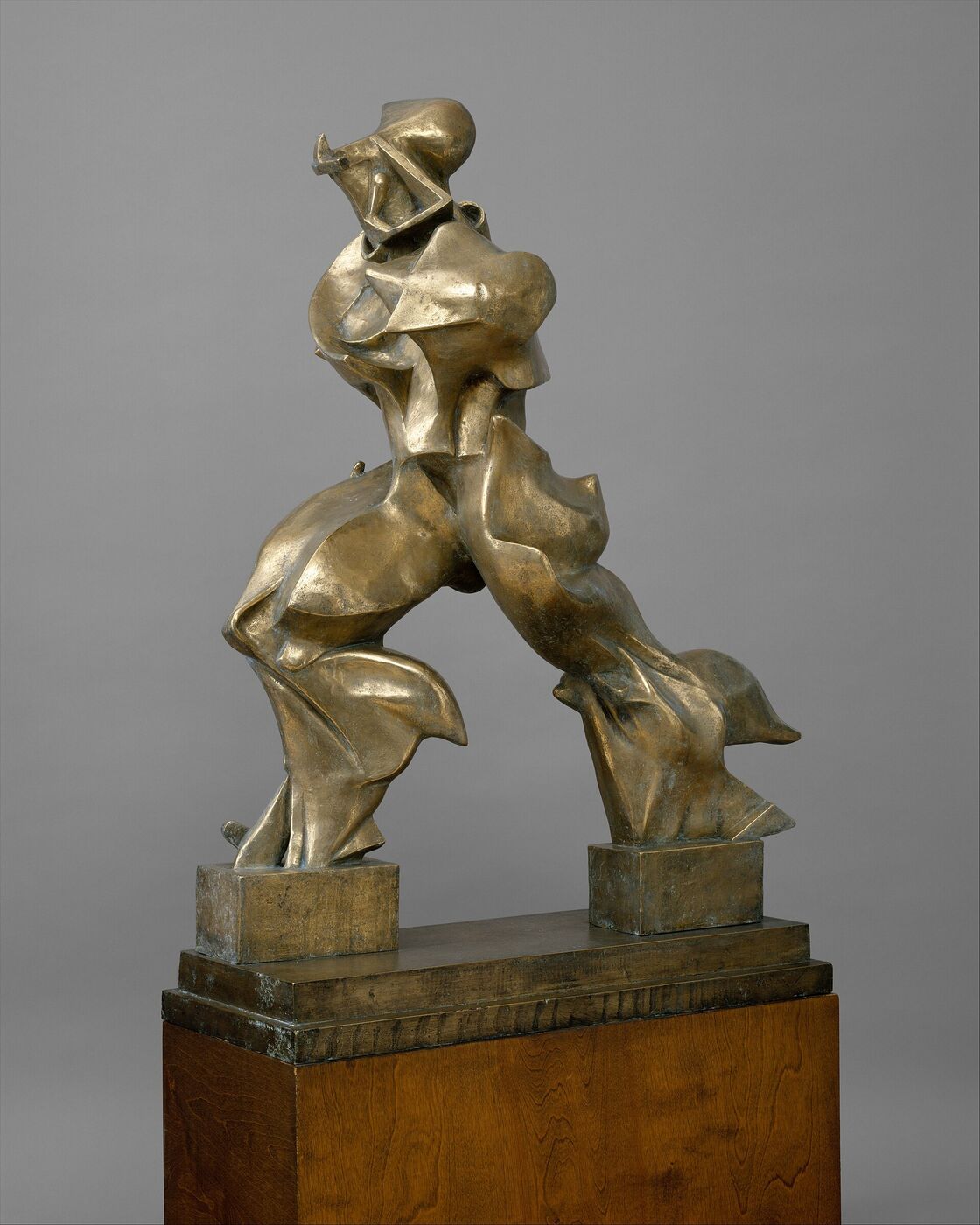
The moderns stop saying "beauty." Speed, clarity and use take its place.
"...form ever follows function."
 Louis Sullivan1856 to 1924American architect, a pioneer of the skyscraper.
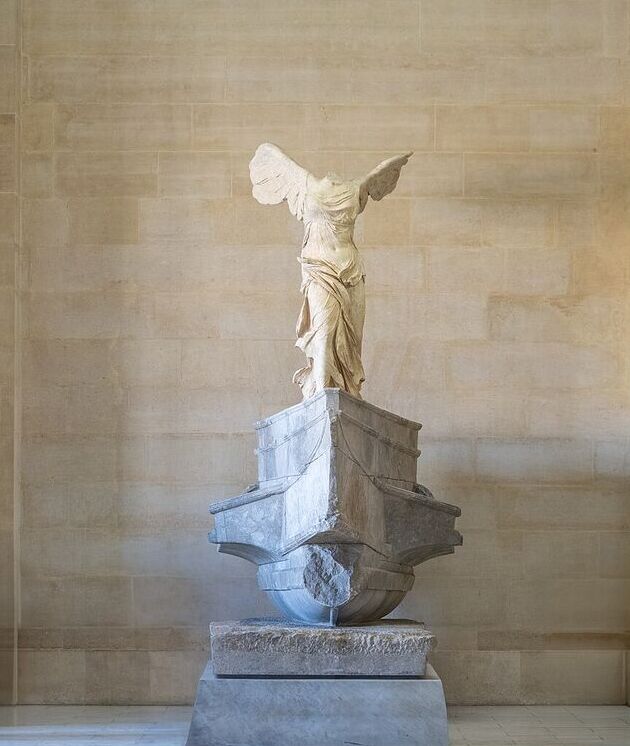
"A racing car ... is more beautiful than the Victory of Samothrace."F. T. Marinetti, 1876 to 1944, founder of Futurism · 1909
"The essence of the New Typography is clarity."Jan Tschichold, 1902 to 1974, typographer · 1928
"...capture beauty as the wise men capture happiness by aiming at something else."Beatrice Warde, 1900 to 1969, typographer · "The Crystal Goblet," 1930
A brand is a gut feelingNeumeier, 2003. Like Hume, he puts the judgment in the person looking. Before anyone reads a word, they have felt something about the colors, type, and pictures.
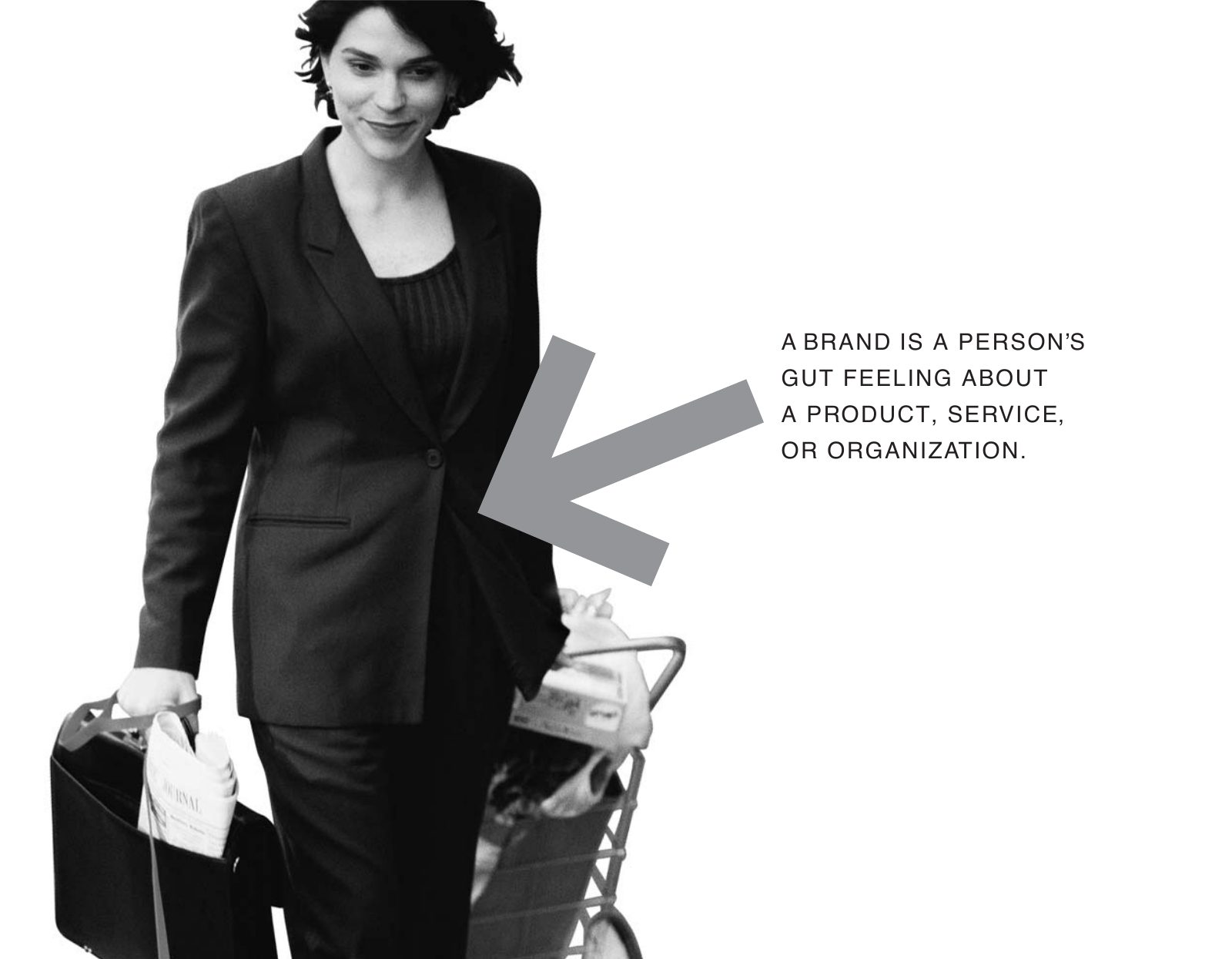
"A brand is a person's gut feeling about a product, service, or organization."
Marty Neumeier, The Brand Gap, 2003, p. 14"It's a PERSON'S gut feeling, because brands are defined by individuals, not companies, markets, or publics."
p. 15"It's not what you say it is. It's what they say it is." pp. 17 to 18
Neumeier: look and feel, or characterHis pictures make the point faster than his words. Same person in three shirts. Same network in three logos.
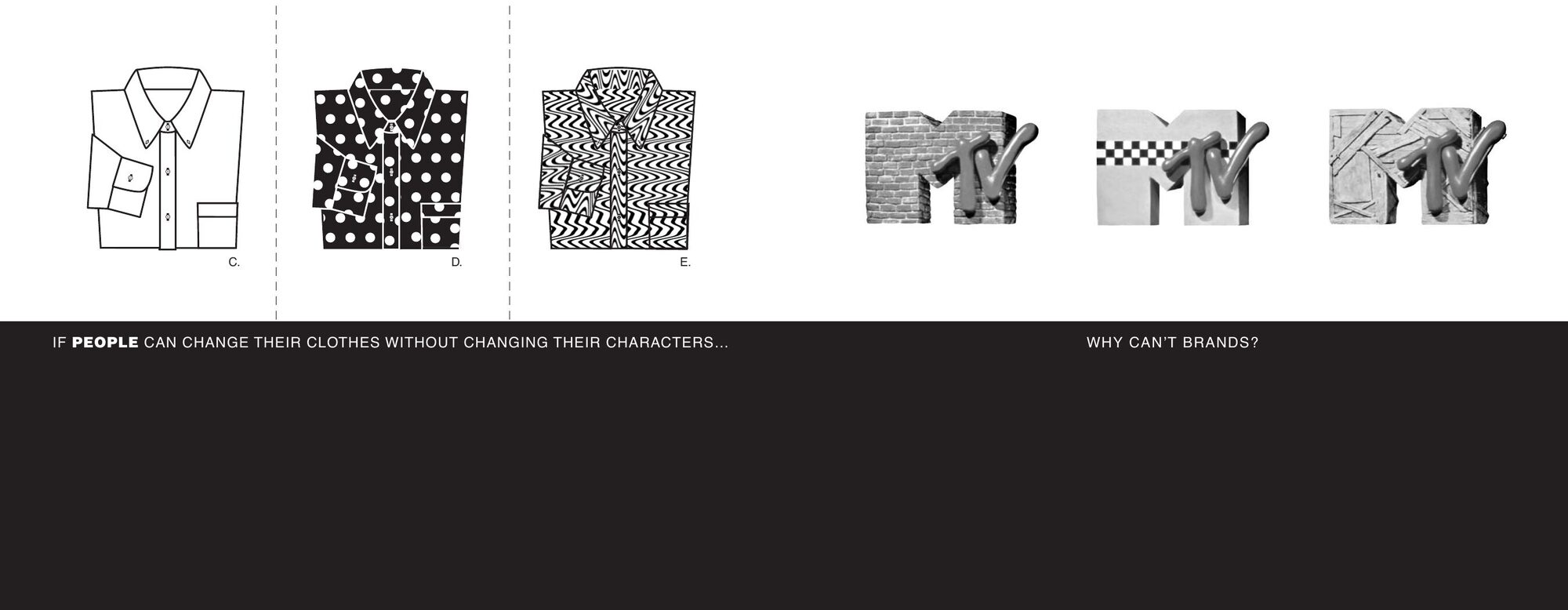
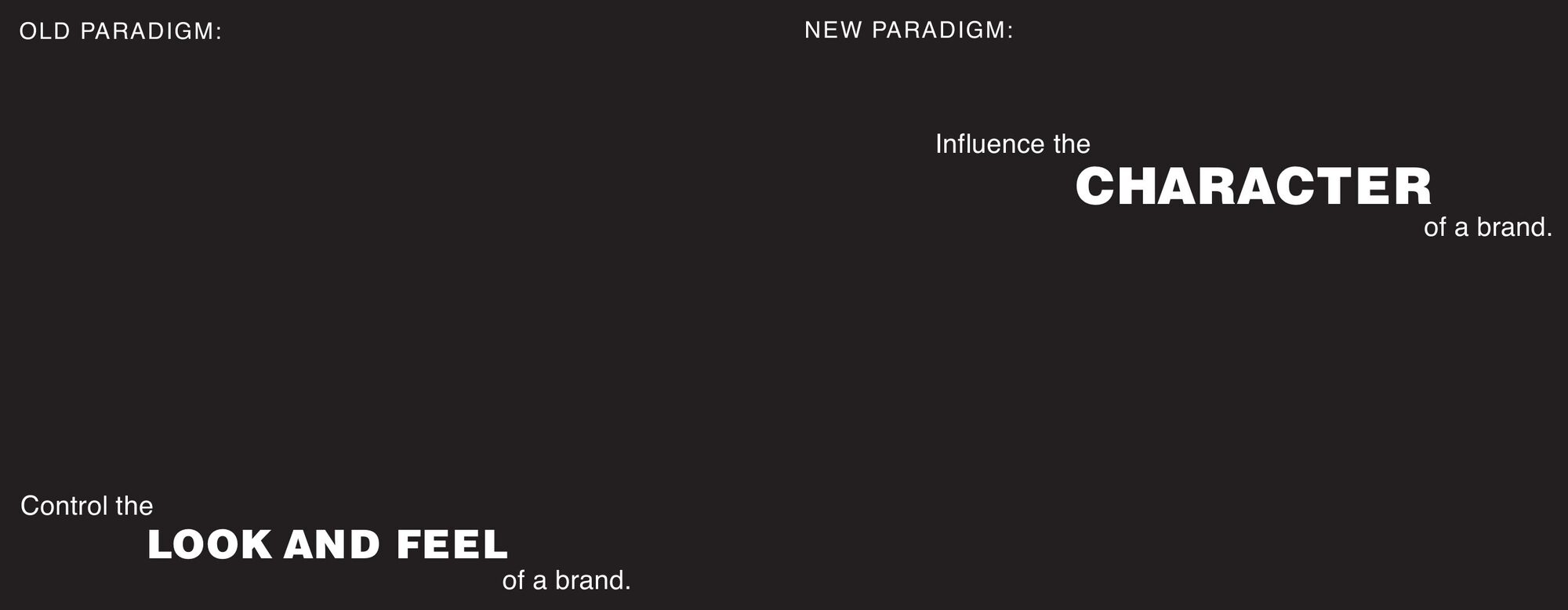
Marty Neumeier, The Brand Gap, 2003, from Discipline 5, Cultivate. Today's reading names the character: an archetype.
The Apple logo, read three waysMark and Pearson read Eden into the bite. The designer says it was there for scale. Once a mark is out in the world, both readings belong to it.
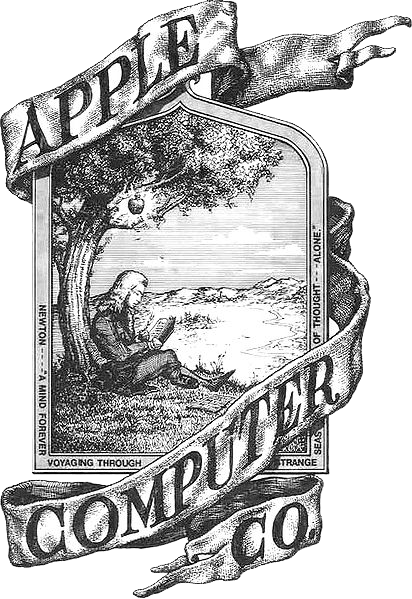
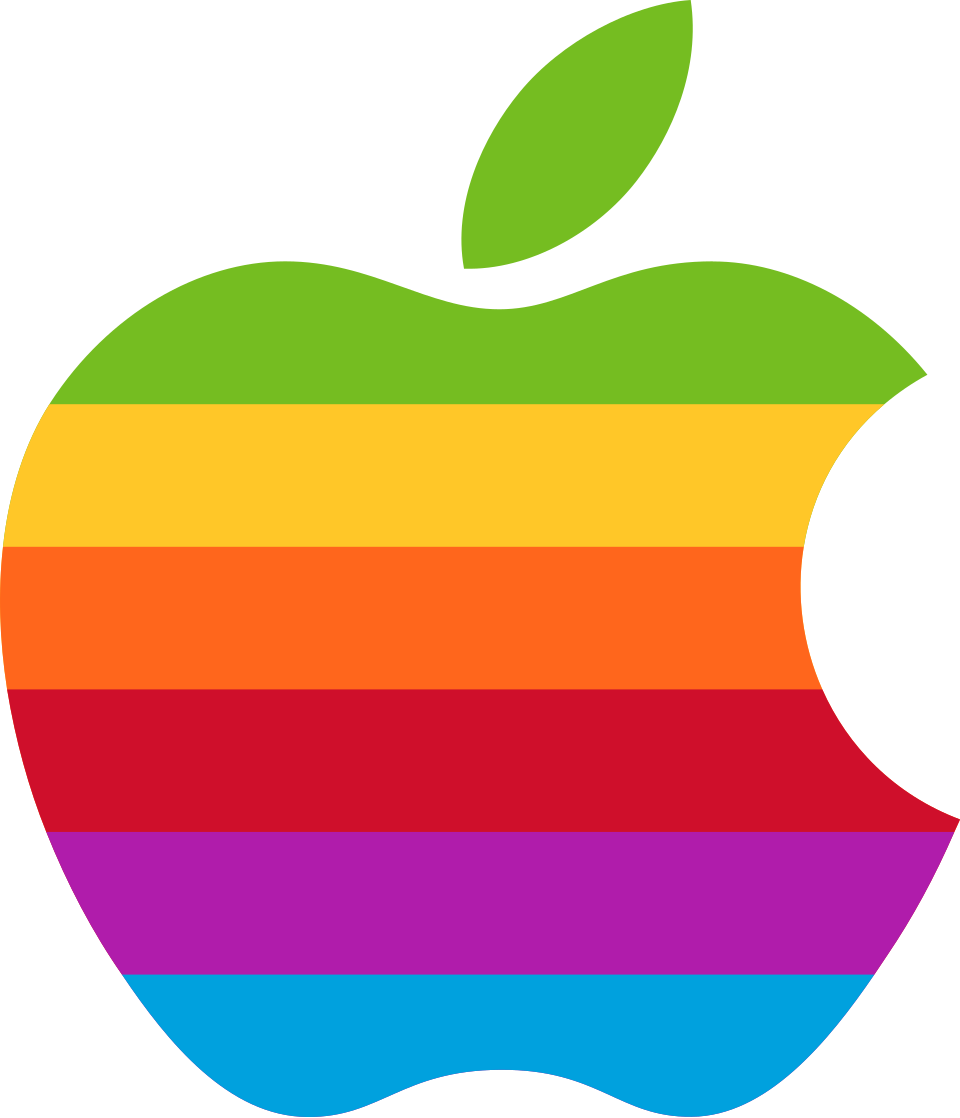
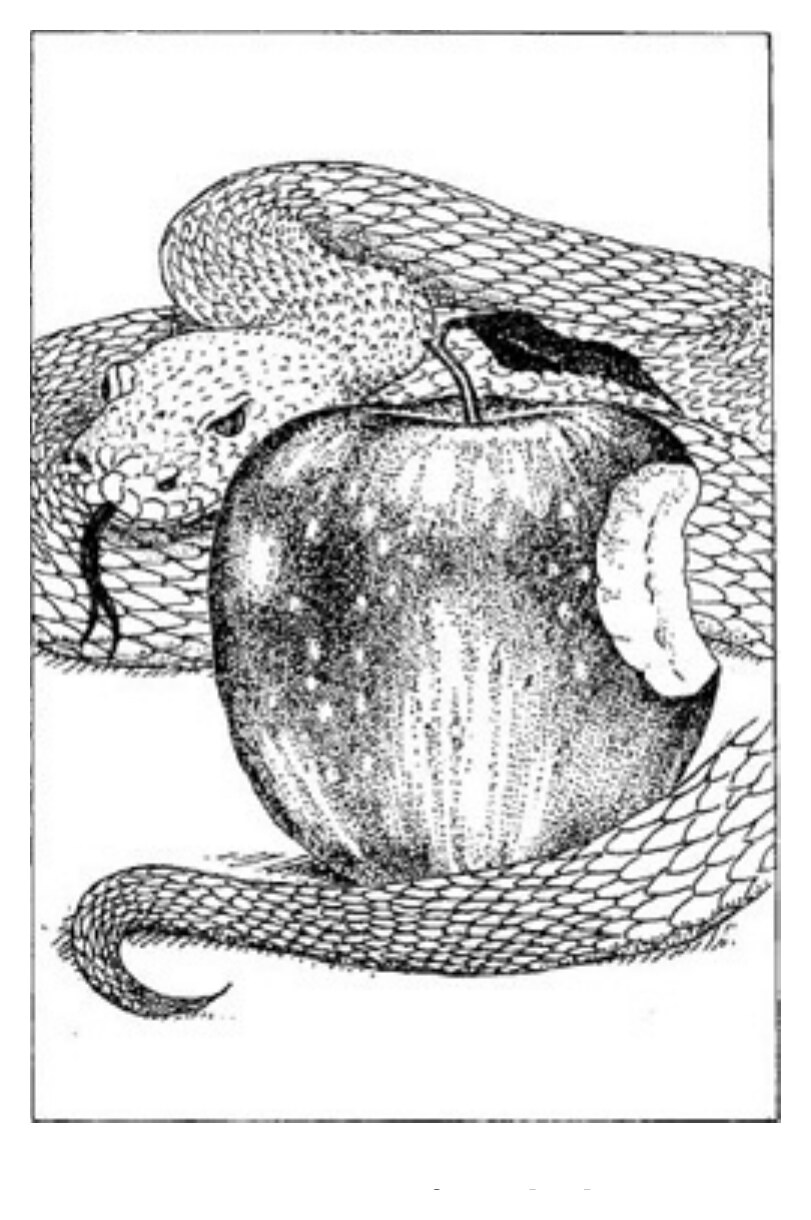
"Often, the best corporate logos echo ancient symbols. Apple's logo, for instance, evokes the first act of rebellion in the Garden of Eden, a powerful distillation of the brand's iconoclastic identity."
Mark and Pearson, The Hero and the Outlaw, ch. 2Janoff has said the bite was there for scale, so the shape would read as an apple and not a cherry.
As reported by Logo Histories · WikipediaNeumeier, p. 18: "It's what they say it is."
One archetype, or a confused brandMark and Pearson's evidence that a brand should play one character, the same way, over time.
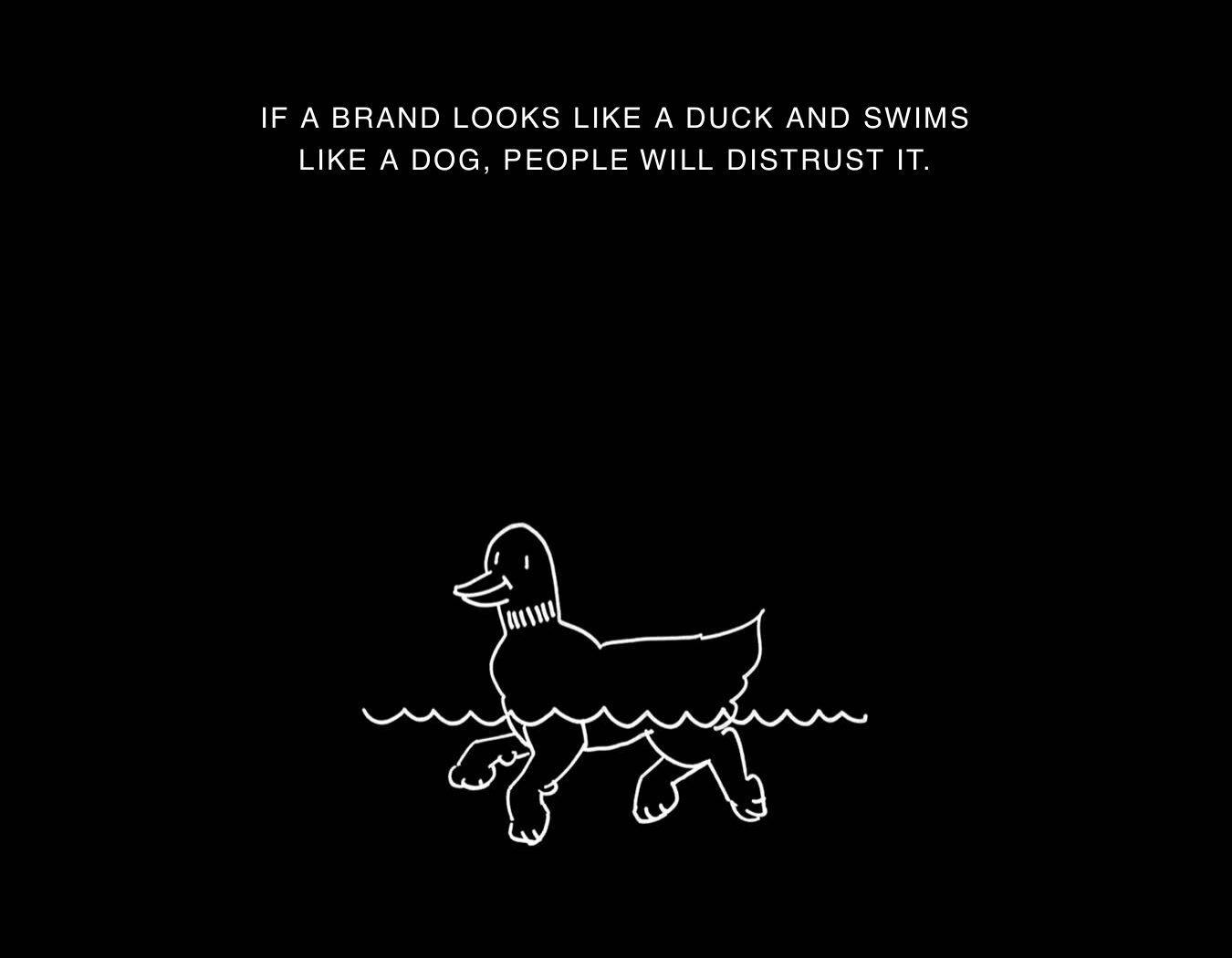
"Archetypes defy the 'pick some characteristics from column A and some from column B' practice of creating brand identity; rather, these ancient psychic imprints are whole and complete concepts..."
Mark and Pearson, ch. 2, PDF p. 38Their Young & Rubicam study: brands strongly tied to one archetype gained far more market value over six years than "confused brands." One apparel brand read as a Hero to every age group in 1997. Two years later, teenagers had stopped seeing it that way.
"The best archetypal brands are—first and foremost—archetypal products..."
PDF p. 34Turn "like" and "hate" into "works" and "doesn't work"Wednesday's reading, Davis ch. 12. Then ask which part they are reacting to.
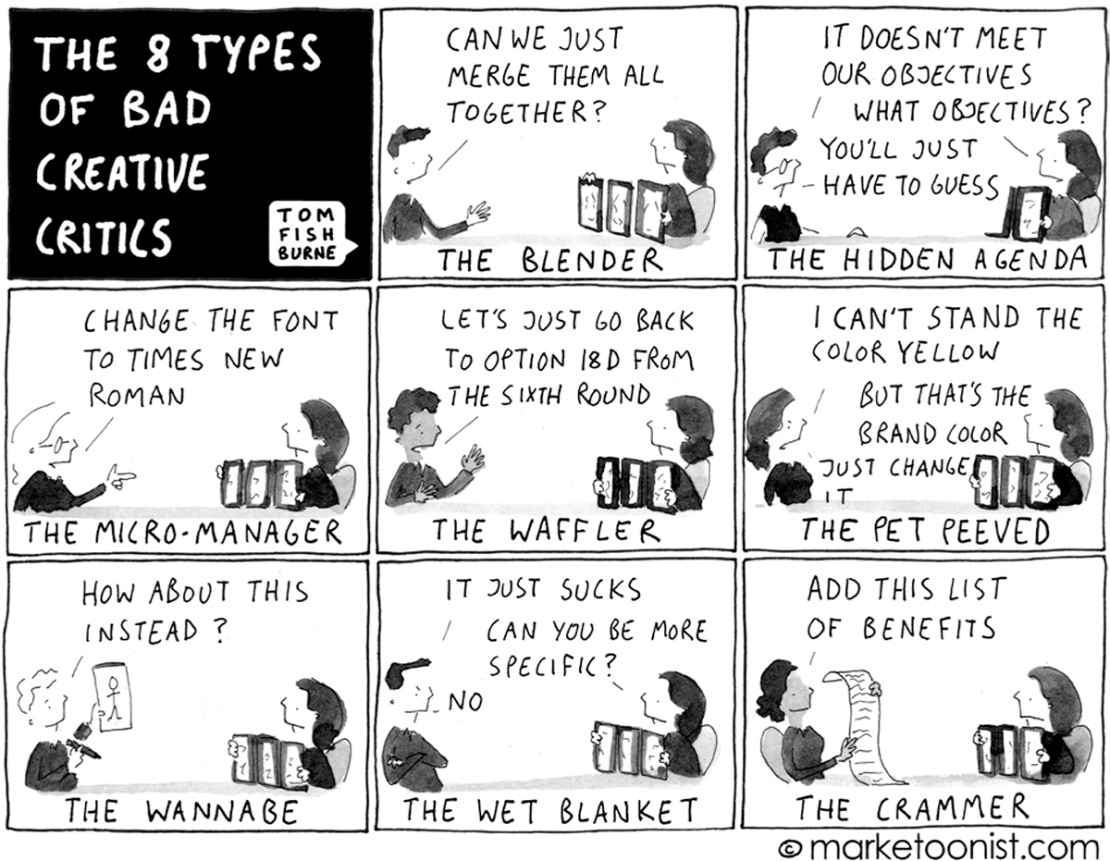
"If your client says the words 'like' or 'hate,' replace them with 'this works' or 'this doesn't work' in your reply."
Davis, ch. 12, "Interpret the Feedback""If your client 'doesn't like' the layout or concept, you can then ask if it's the typeface, colors, format, imagery, headlines, or connotation that they're reacting to."
Same page"I've seen so many great ideas die on the table because they weren't presented correctly and, therefore, had no buffer against the subjective black hole."
Sidebar, "We'll Look Into It (Wink)"Three boards should be three answers, not three colorsDavis's two diagrams from chapter 9. On the left the client can only answer with taste. On the right each option is a different bet for the business.
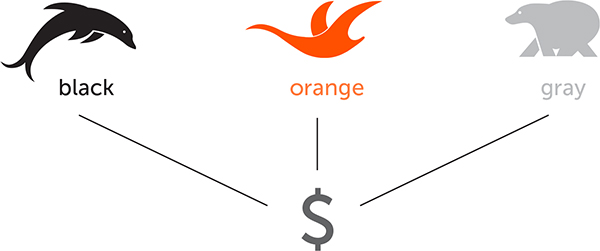
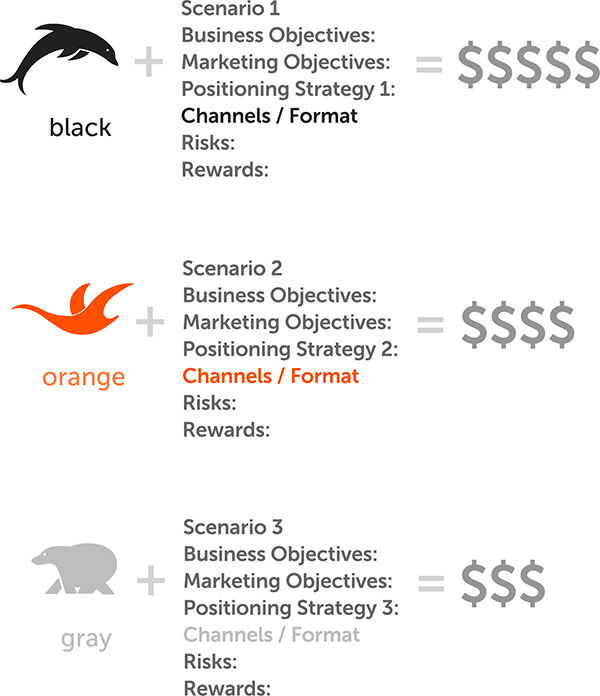
"There is no strategy behind the options; they're just creative choices."
Davis, ch. 9, "Beyond 'Make It Pretty'""At best, these options are not just variations of the same thing, they are Rhinoceros, Rainbow, and Rhombus—in other words, completely different ways to solve the same problem..."
Davis, ch. 1, "Scenario Analysis"Name each option for its idea.
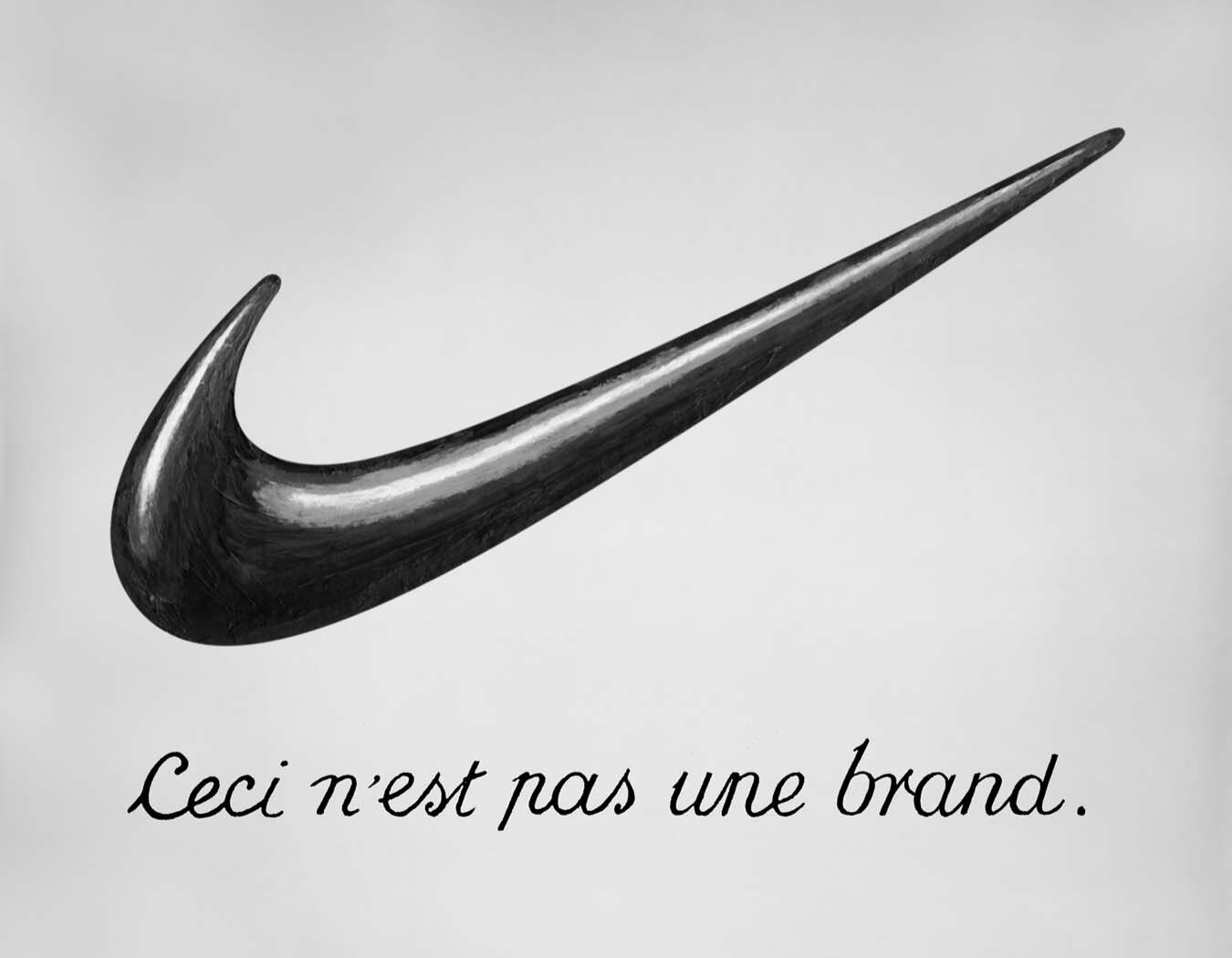
Sameness is not new. In 2003 it was the swoosh.Neumeier's page of logos from the dot-com years: everyone reached for the same mark at the same time.
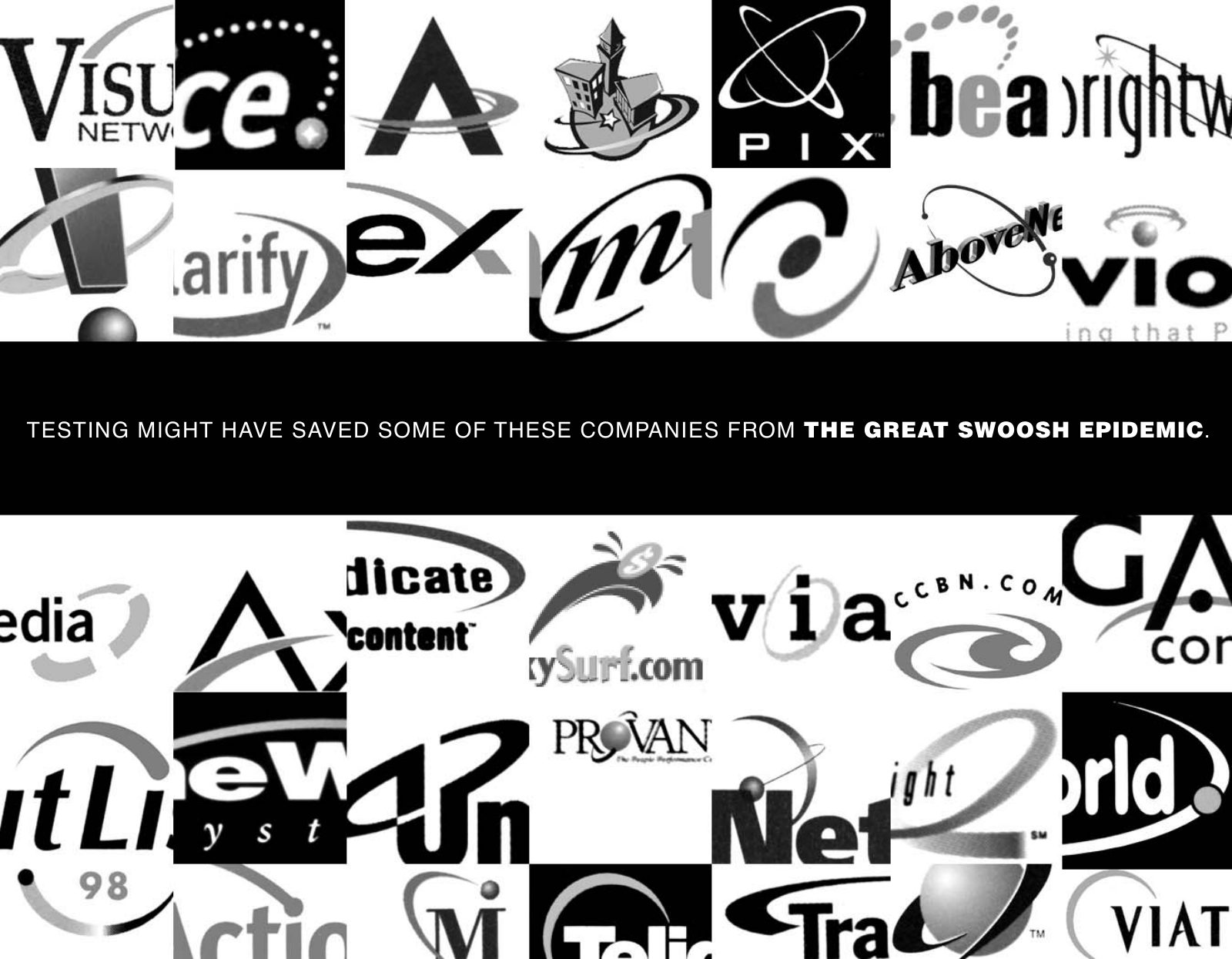
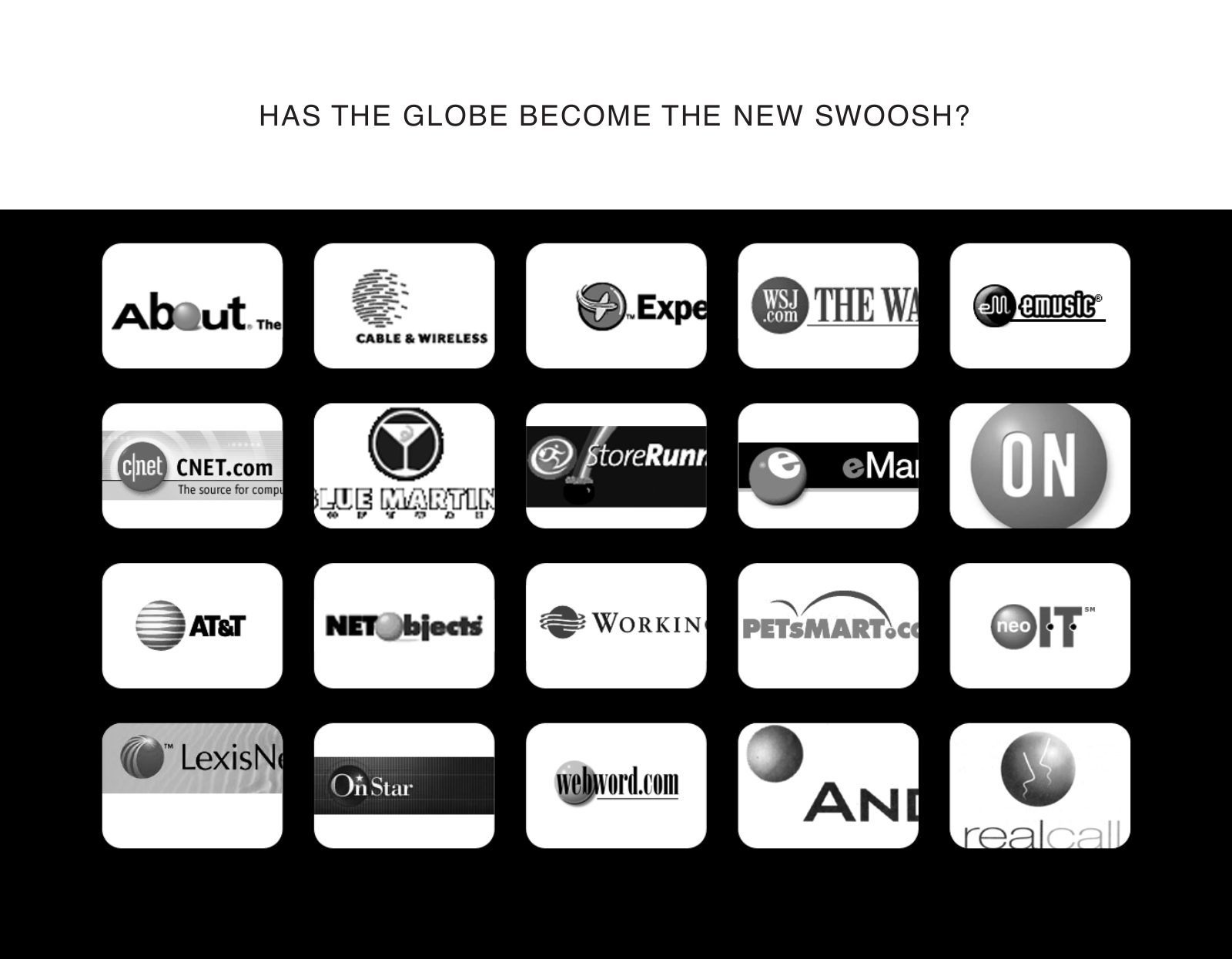
Ask: what is today's swoosh? What is on every board in your category?
We only notice what is differentNeumeier's picture of it, and Mark and Pearson's version: whole categories playing the same character the same shallow way.
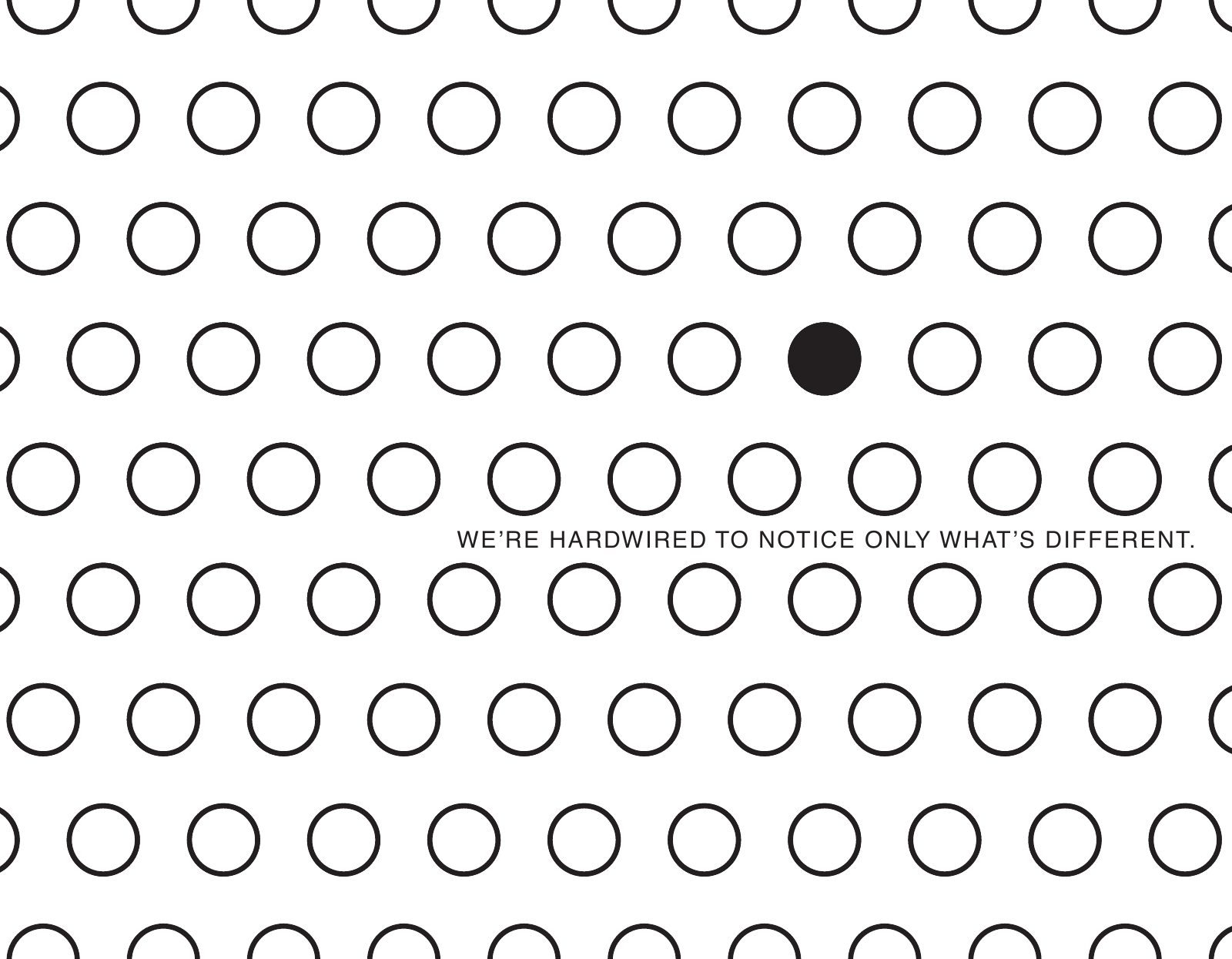
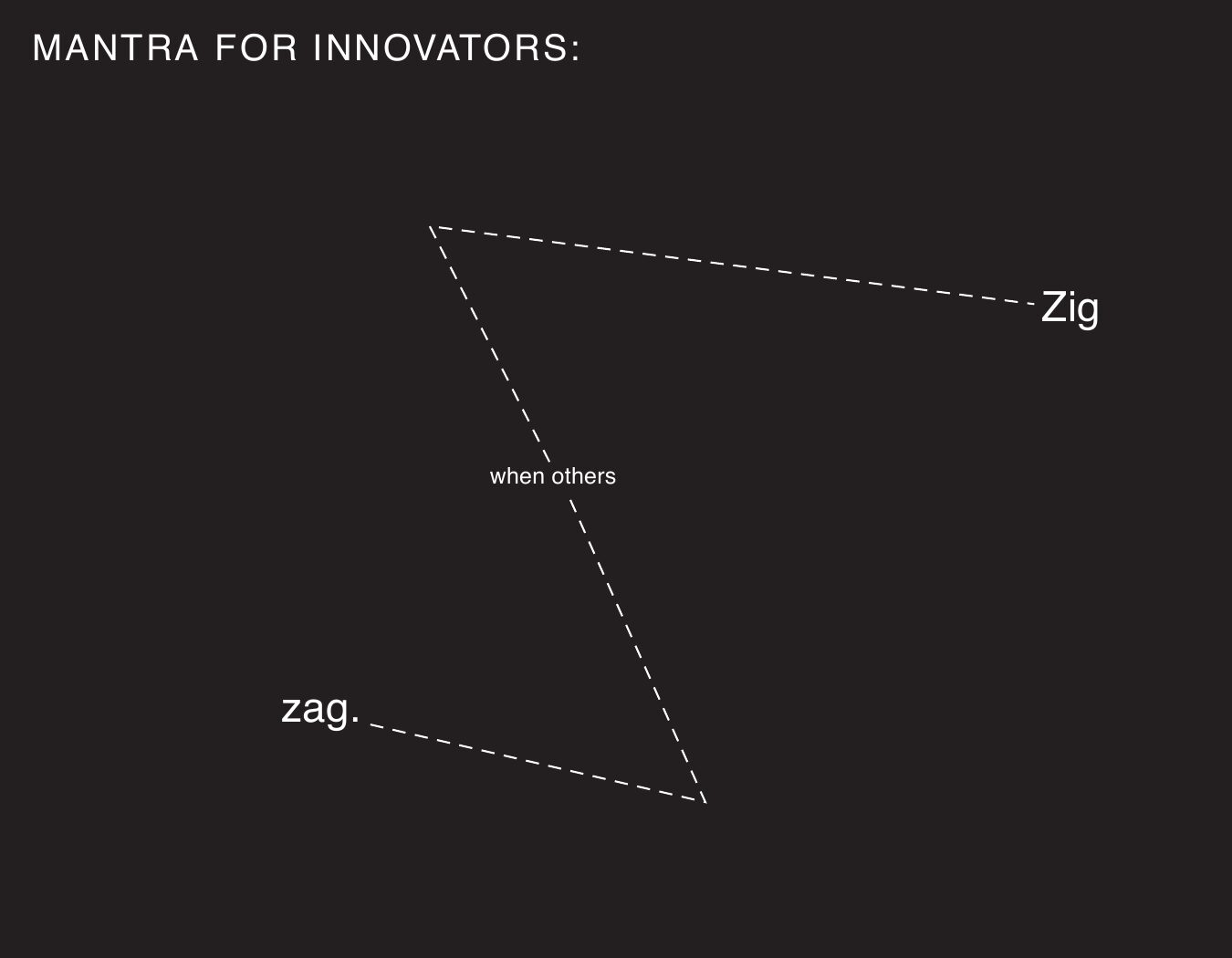
"...virtually every brand is not only on the same archetype, but they are all operating at the same level of the archetype—the most shallow and obvious one."
Mark and Pearson, ch. 16, PDF p. 253, on ads aimed at teenagersPicking a different archetype from your competitors is one way to zig. Playing the same one at a deeper level is another.
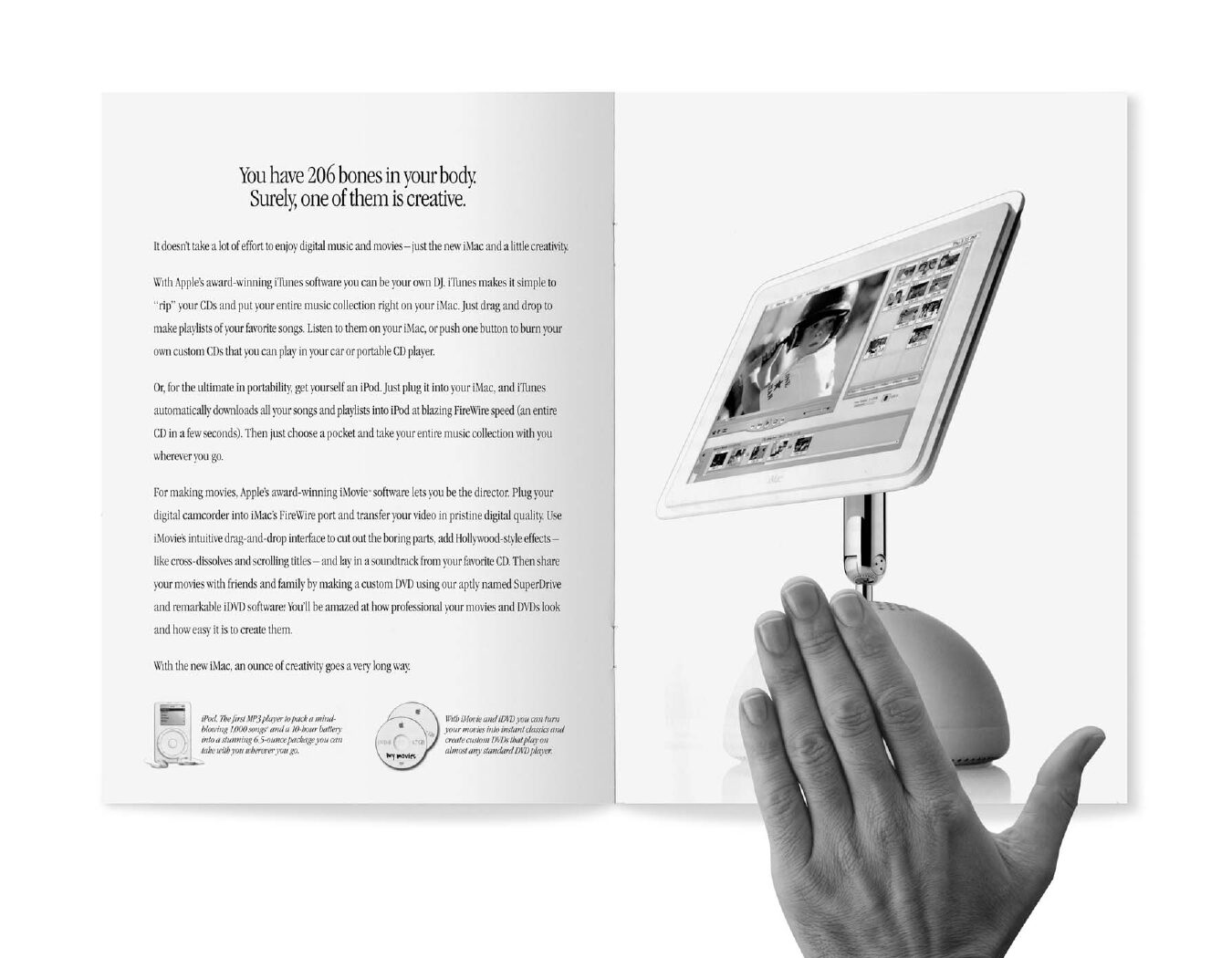
The swap test and the hand testAs Neumeier draws them: two checks that take a minute. Use them on any identity, including a moodboard.
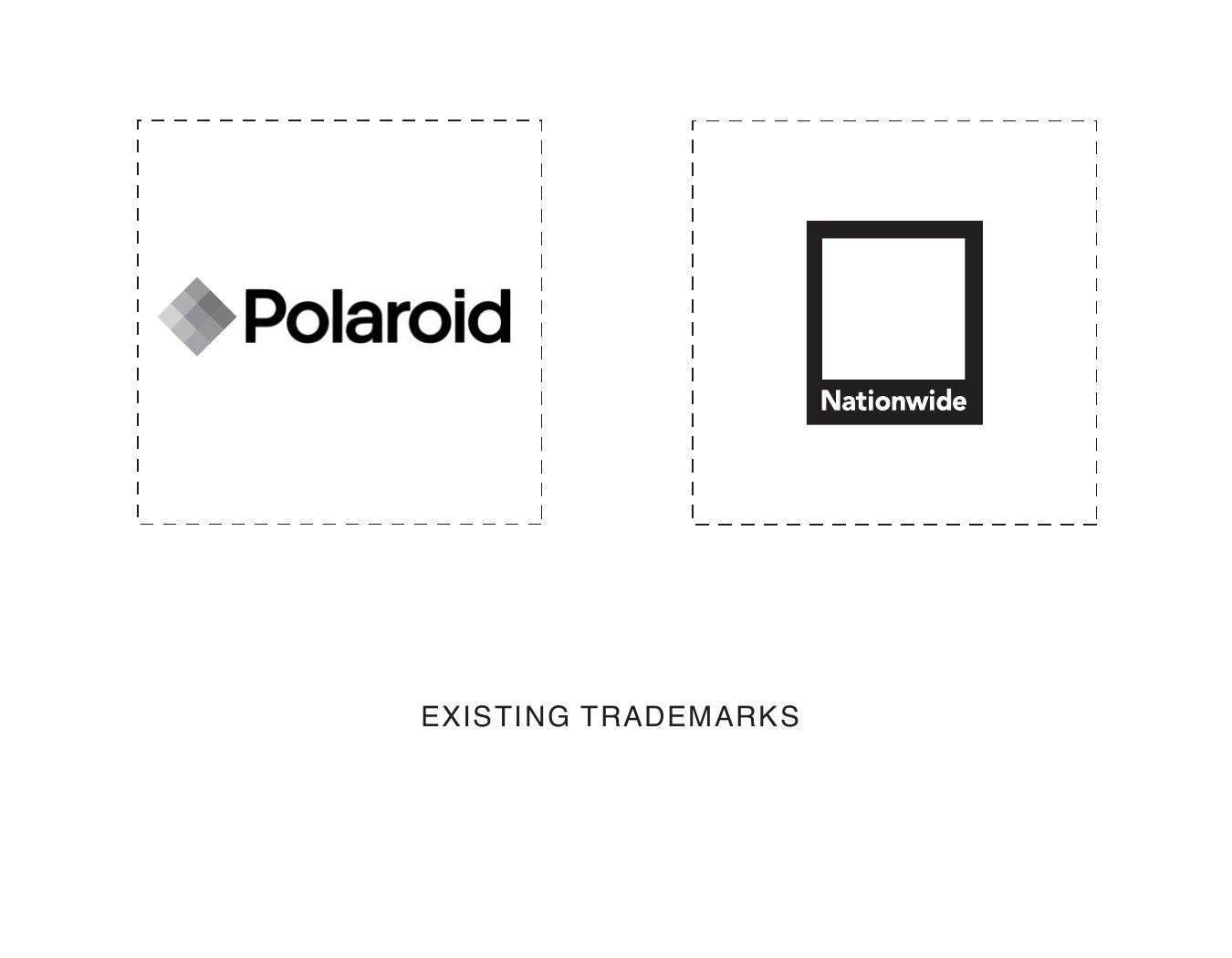
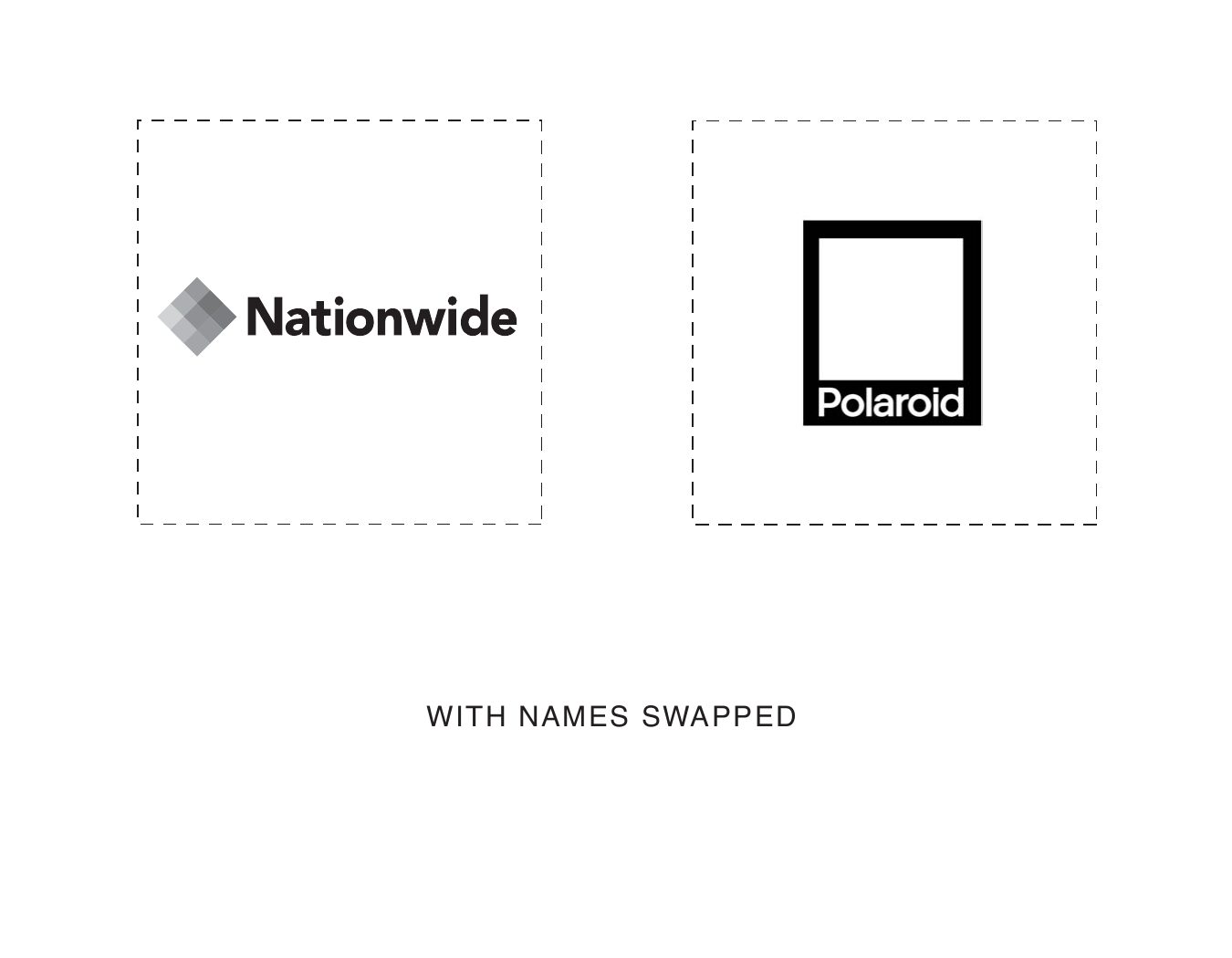
"If the names and graphics of two trademarks are better when swapped, then neither is optimal." p. 123
"If you can't tell who's talking when the trademark is covered, then the brand's voice is not distinctive." p. 127
How Workhorse builds a moodboardThe Resume Place identity, 2022. Words first, then themes, then one board per theme, then the client's answers.
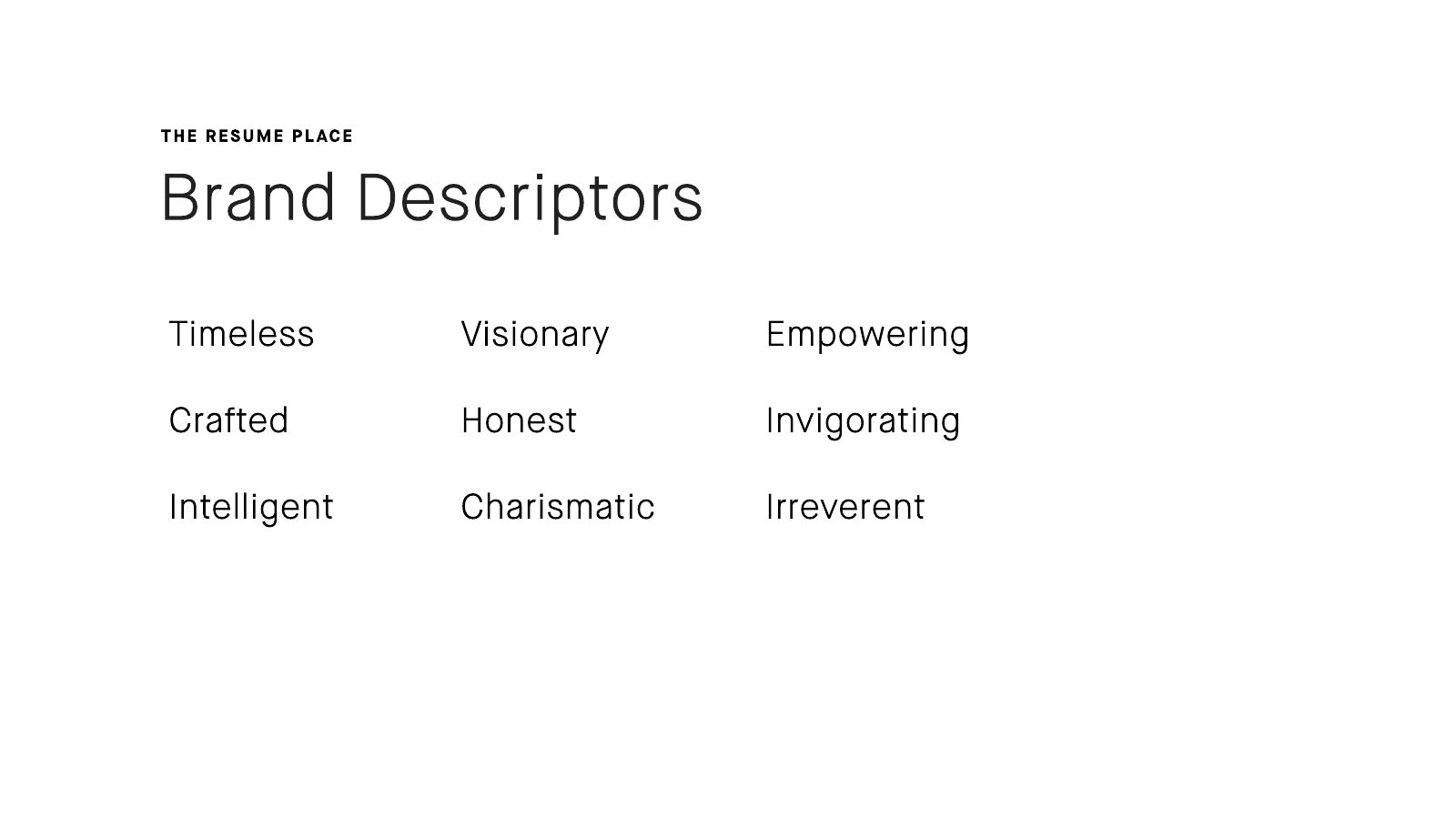
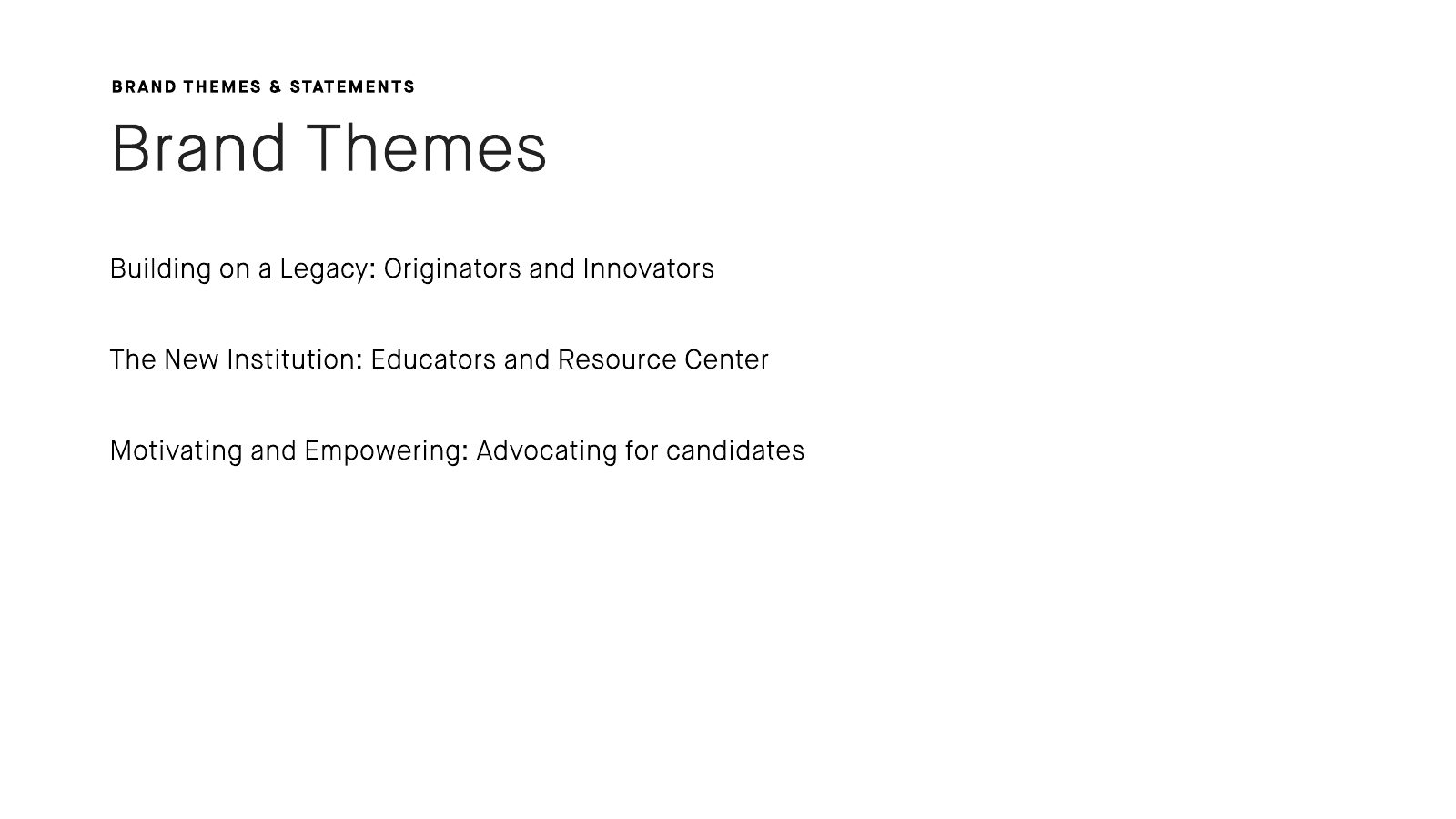
Four boards, four readings of the same wordsResume Place moodboards, Workhorse, 2022. Every image on them is someone else's work, collected as reference.
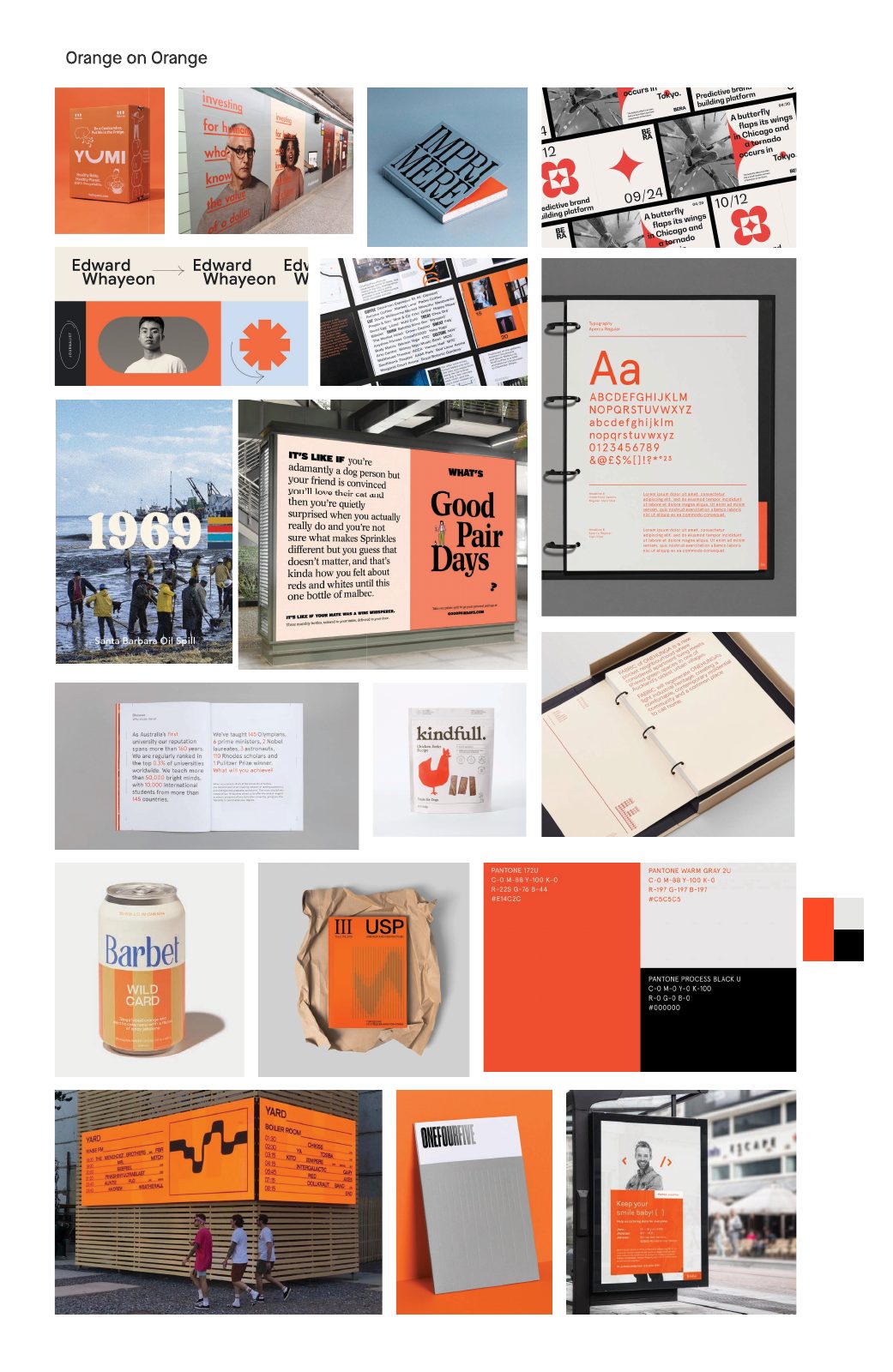
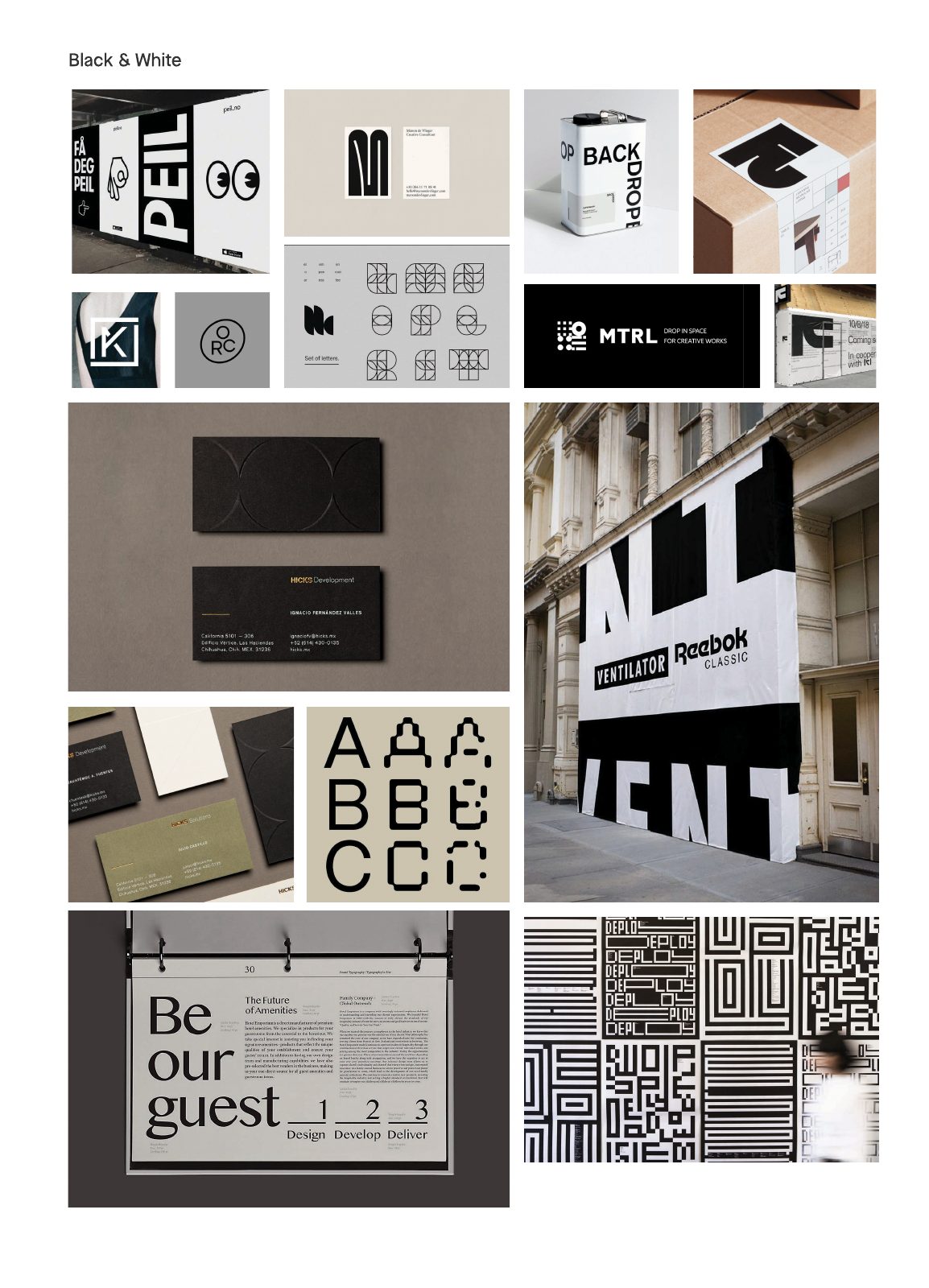
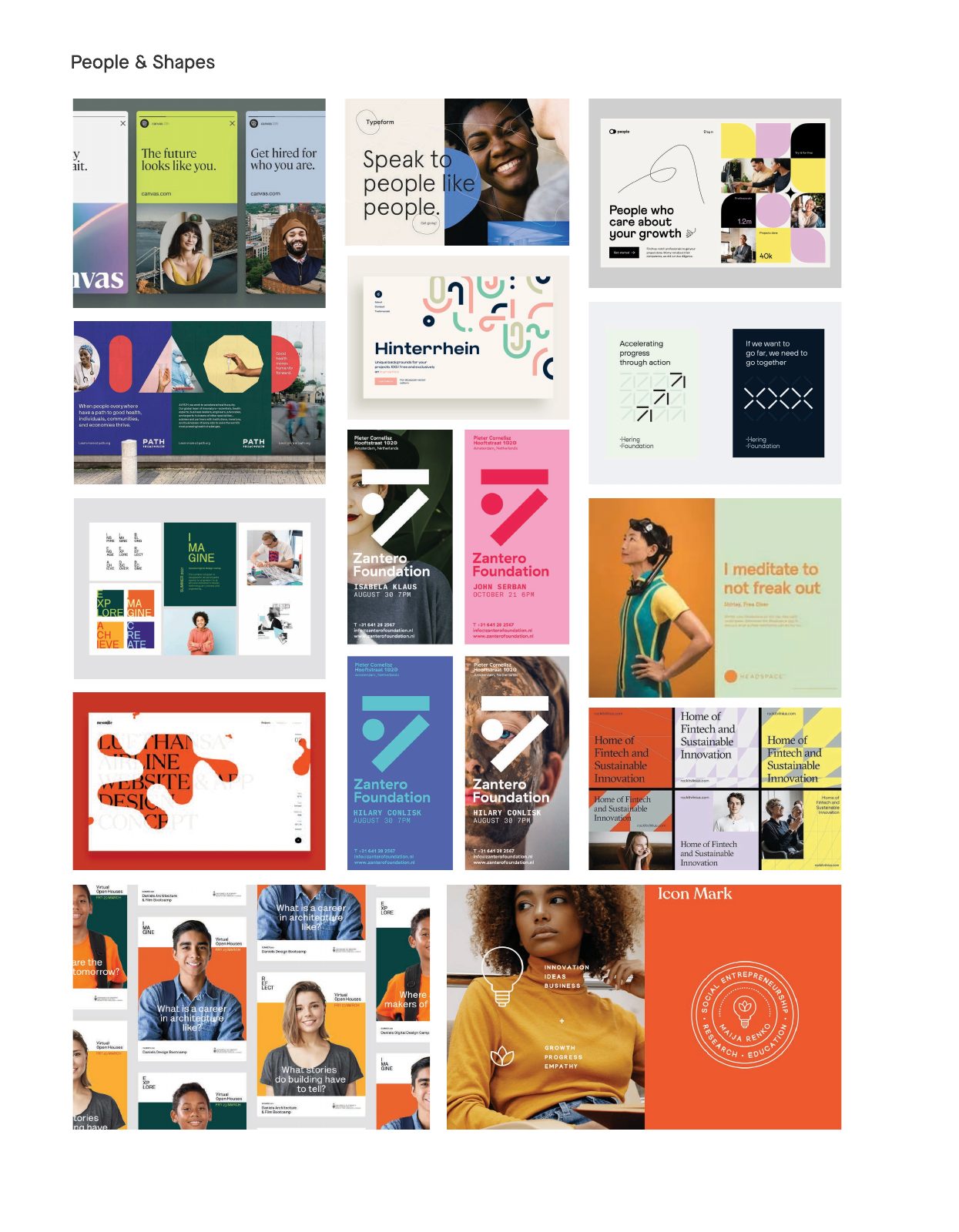
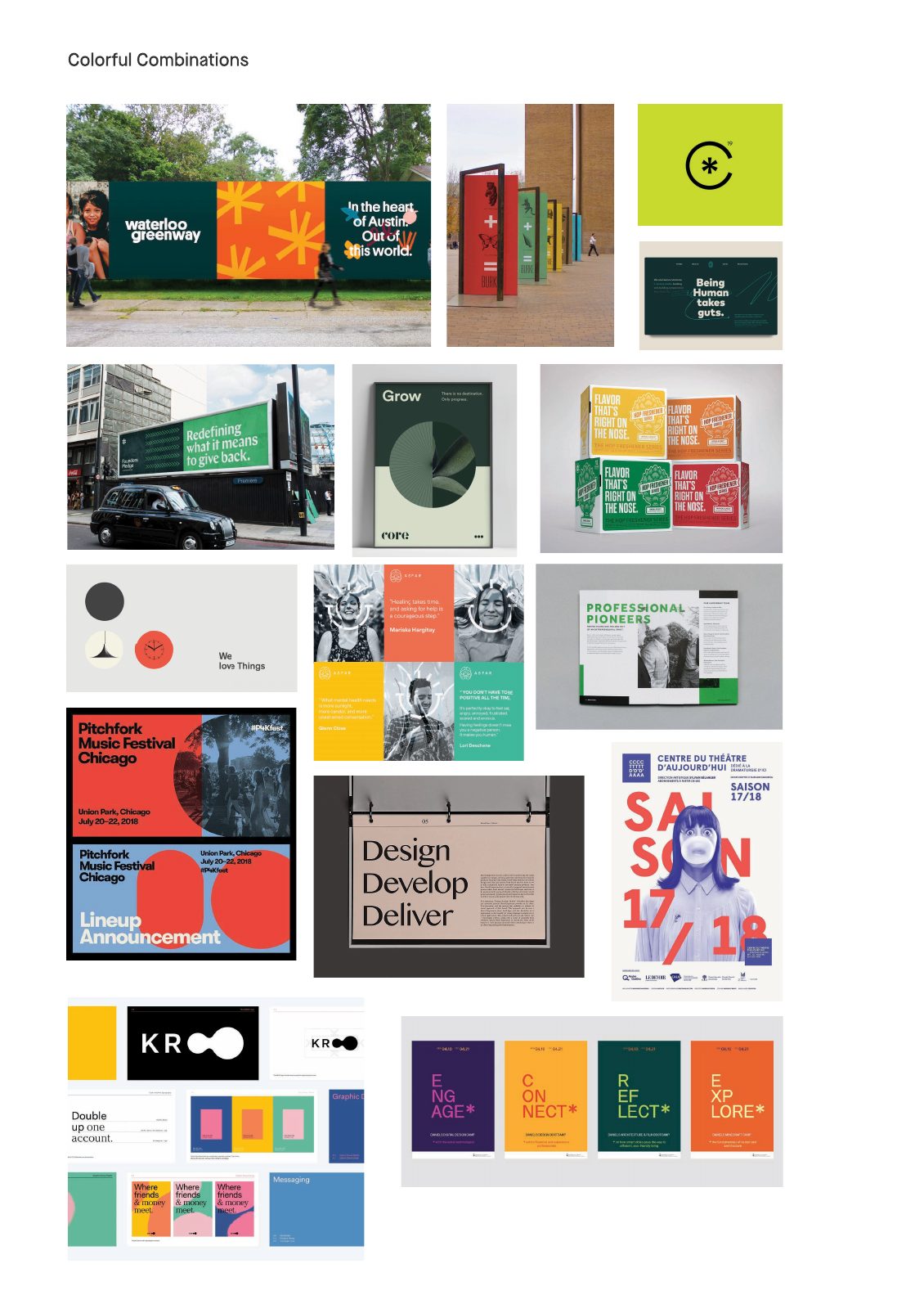
A board is many things that agree with each otherLook at what repeats: the same few colors, the same kind of type, the same kind of picture. The repetition is the look.
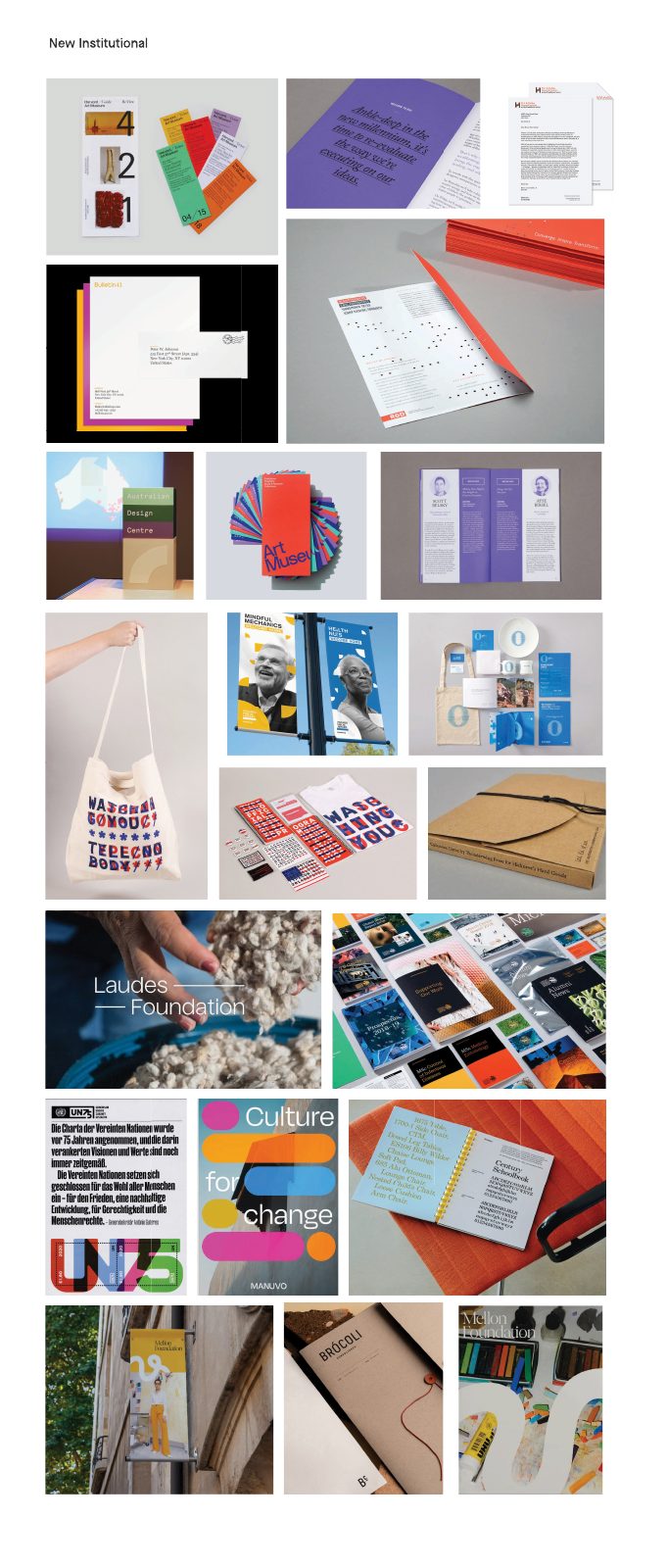
On the middle board: one orange used big, cream paper, black type, serif headlines, objects shown flat and straight on.
Ask of any board: what three things does every picture on it share? If you can't answer, it is a pile of pictures.
The last page asks questions, not "approve?"The same deck's next steps. The client answers these before any design starts.
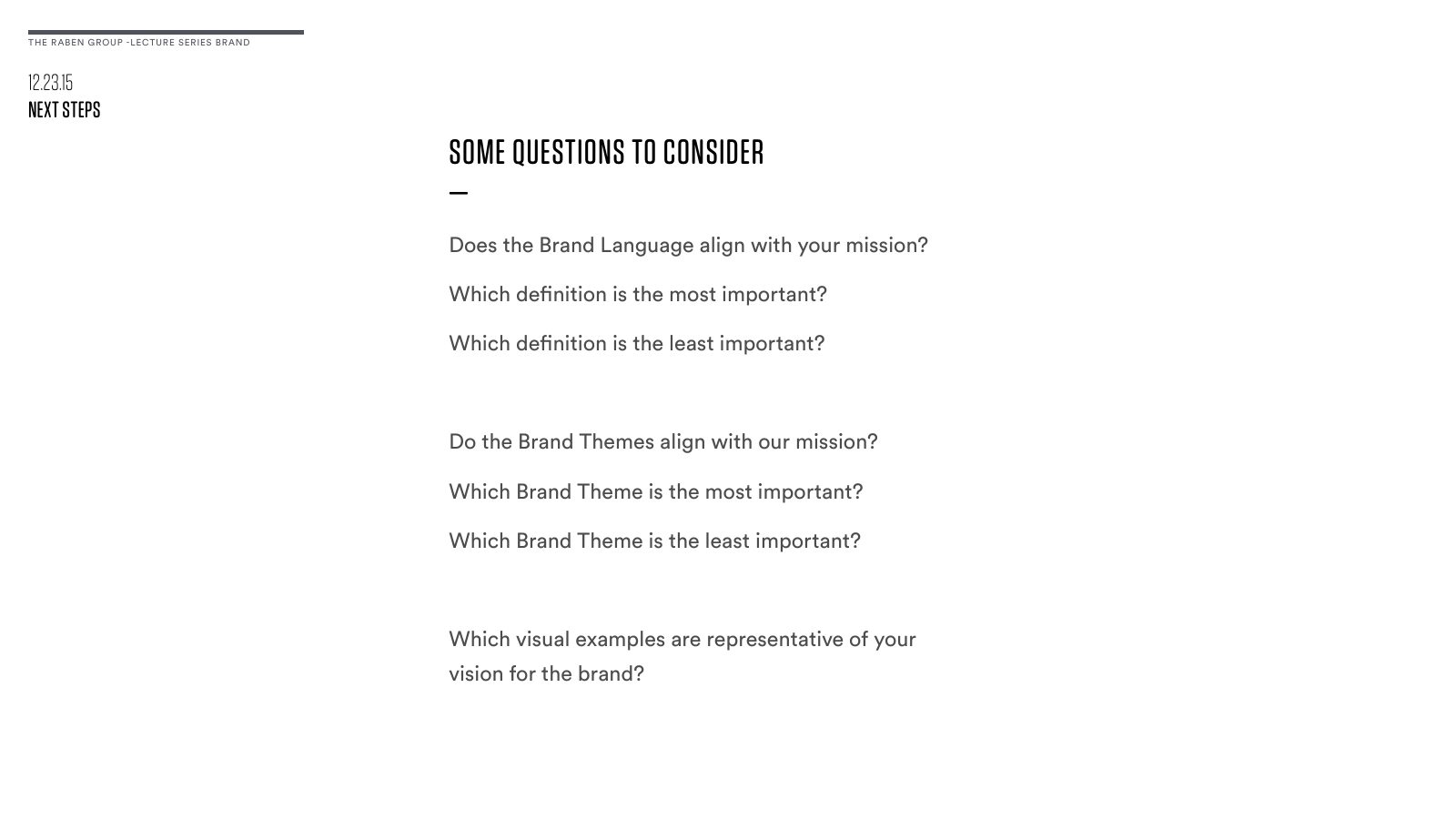
Does the language fit your mission? Which word matters most, and least? Which theme? Which pictures look like your vision?
Someone who has never designed anything can answer every one.
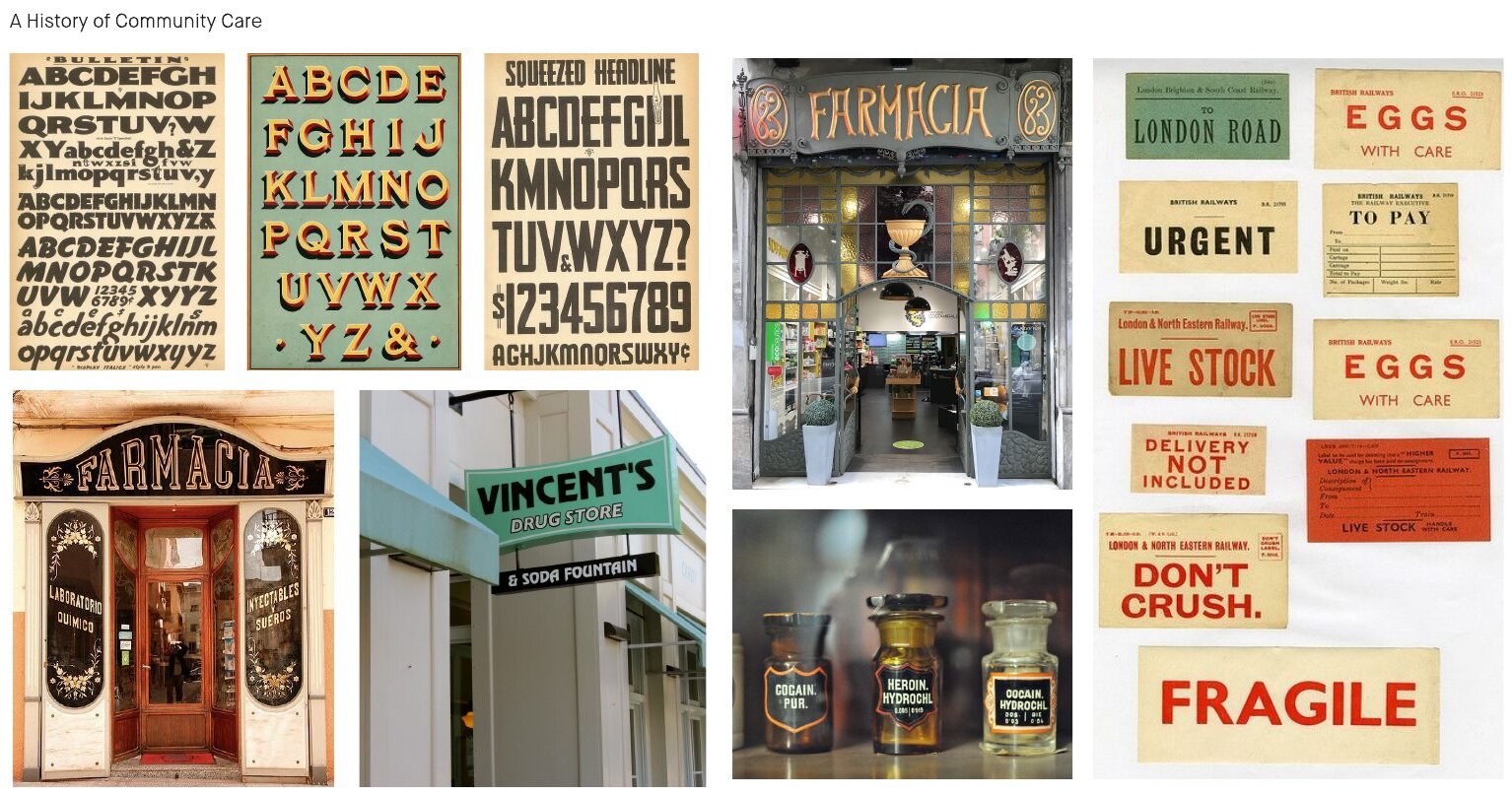
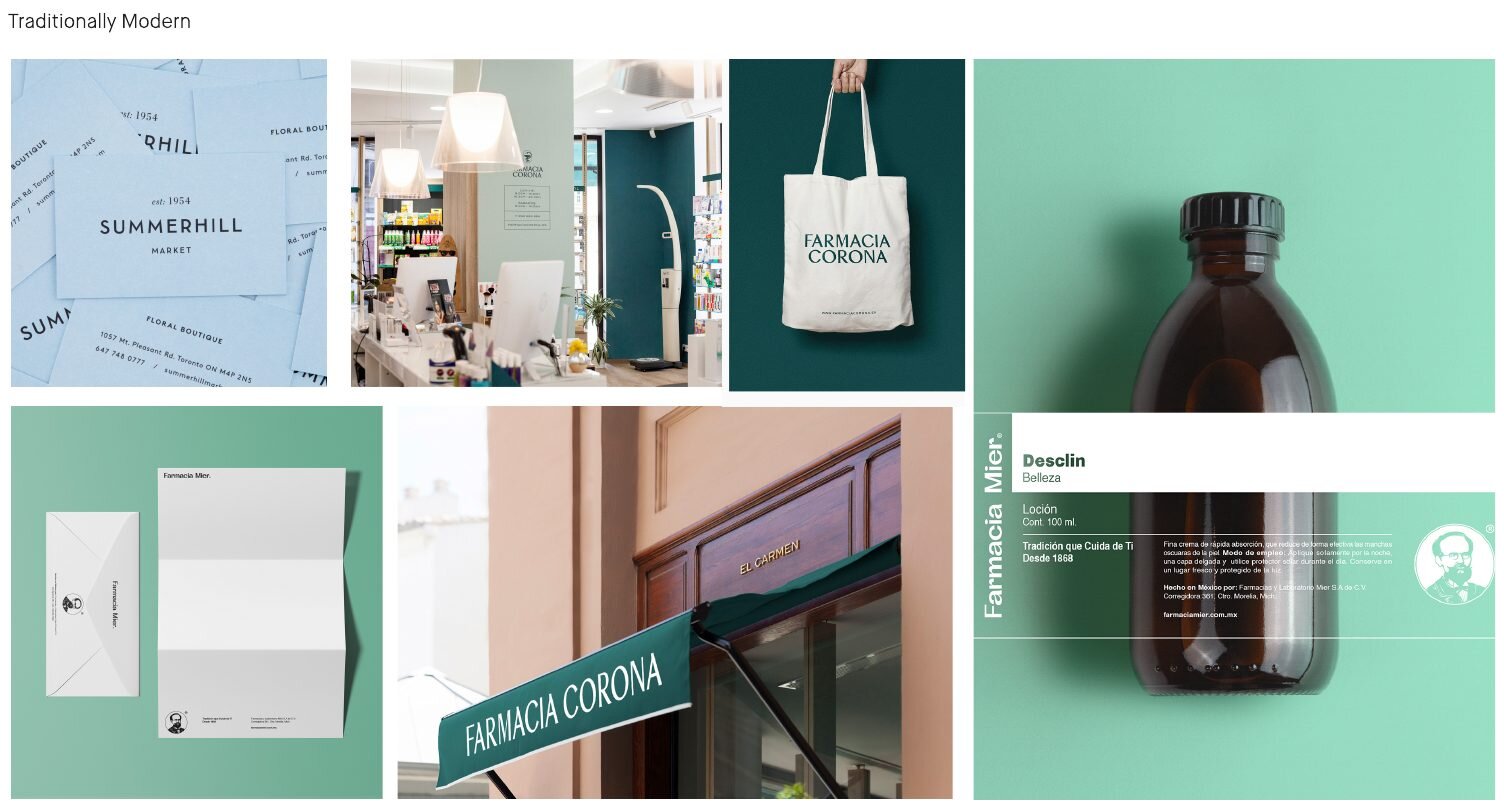
Grubb's Pharmacy: brand language, then four themesWorkhorse for Grubb's Pharmacy, a neighborhood pharmacy on Capitol Hill, Washington, DC. November 2020.
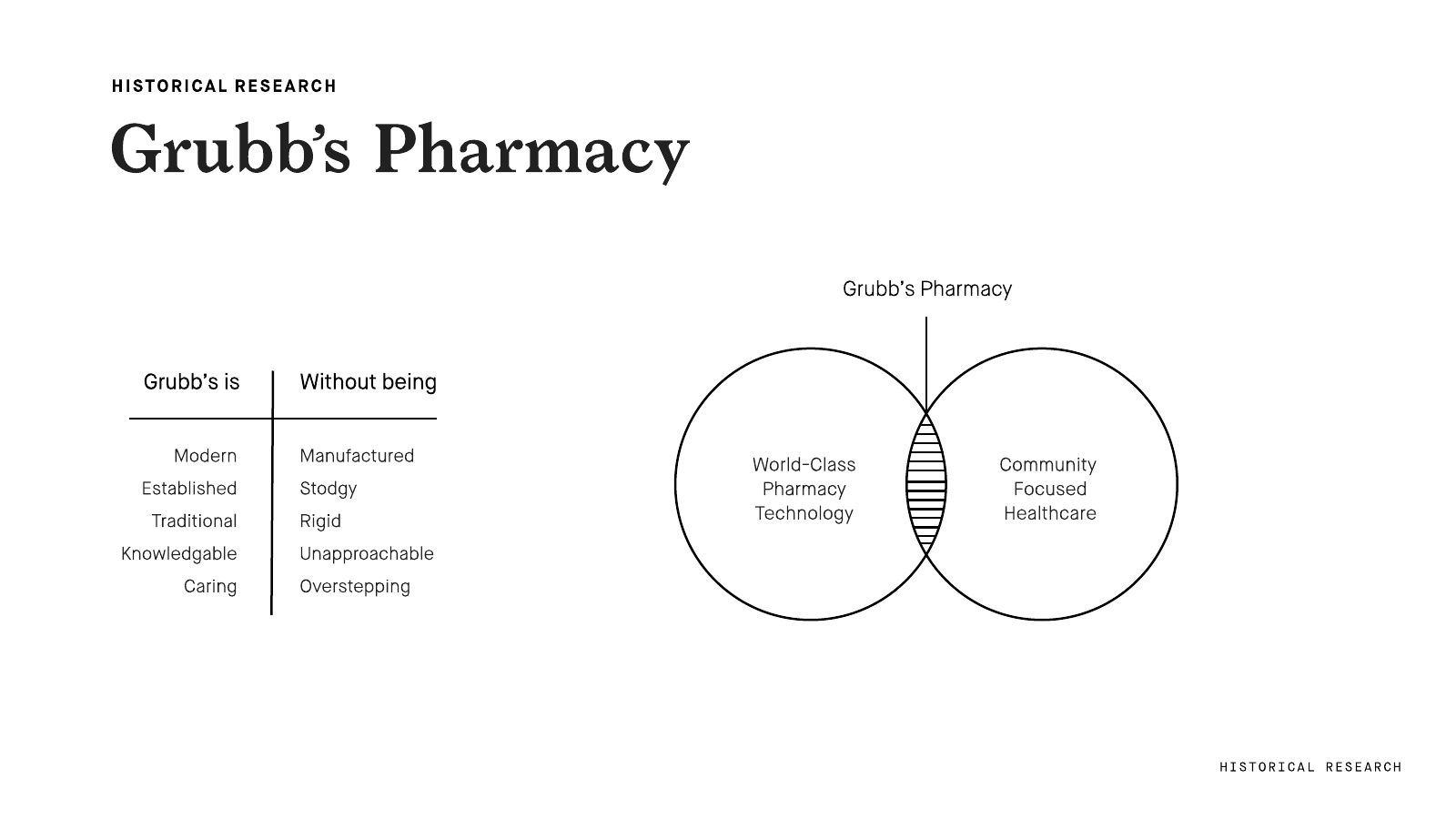
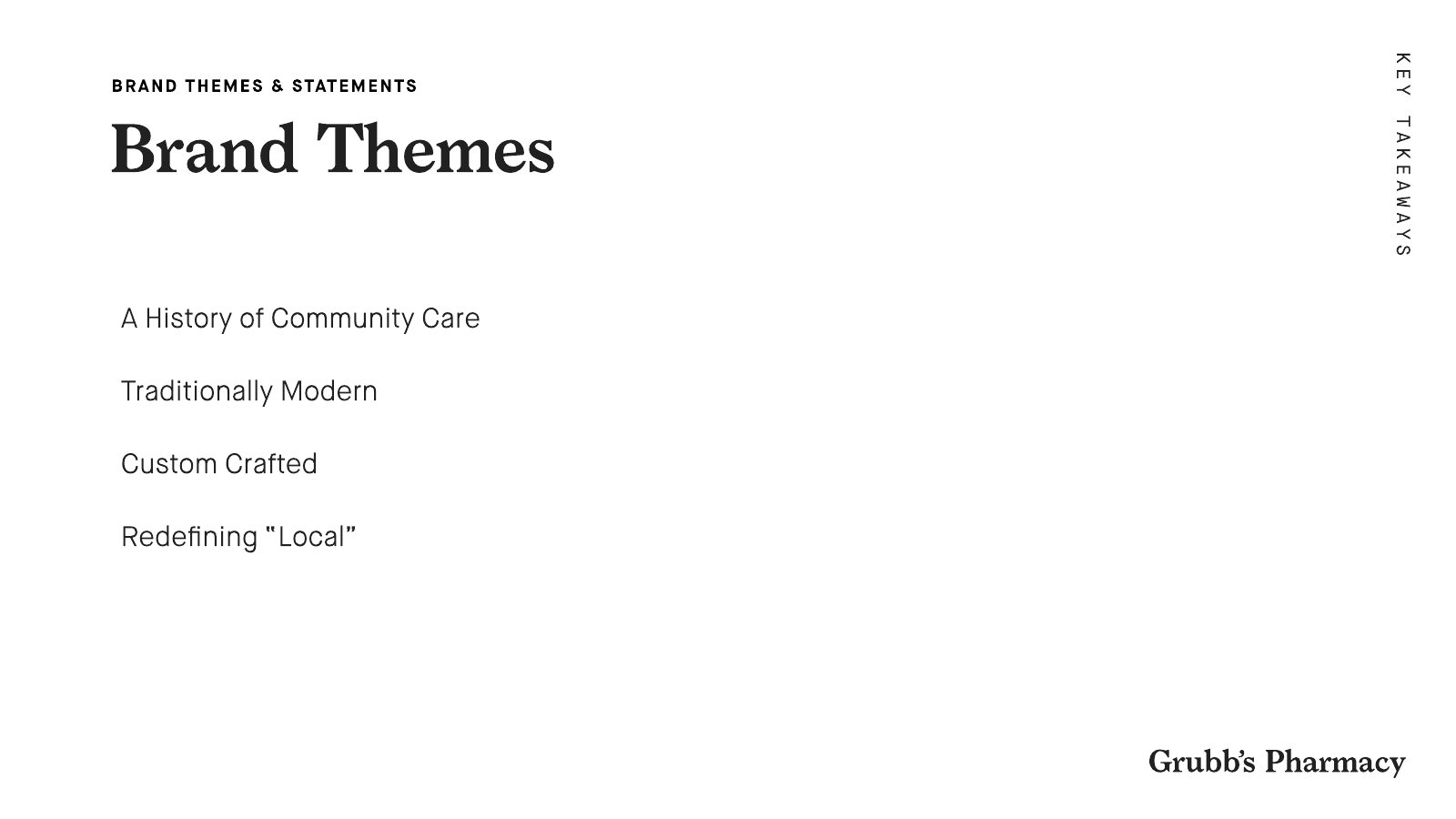
Each theme gets one sentence and two picturesThe sentence is in the client's voice. The pictures only have to show the feeling of it.
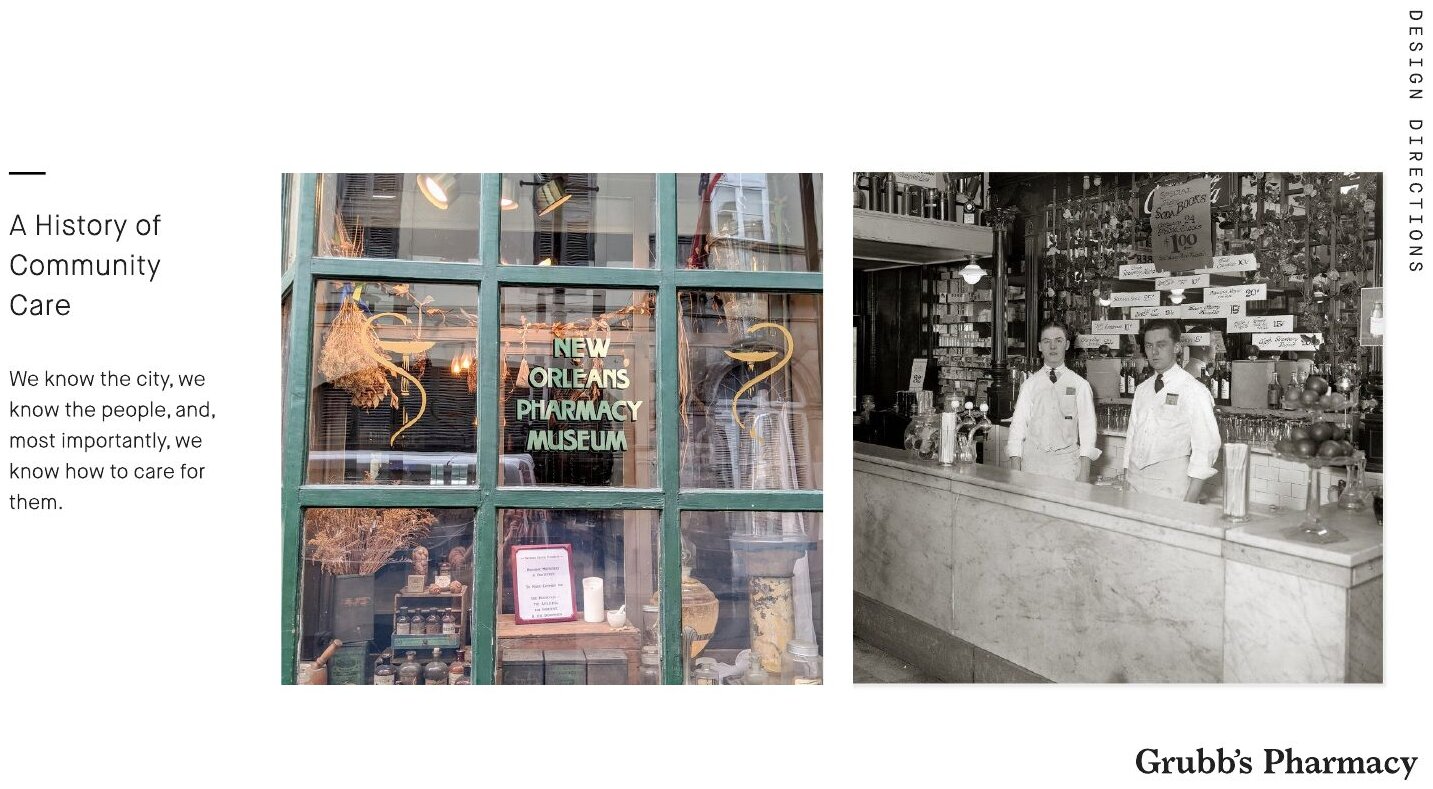
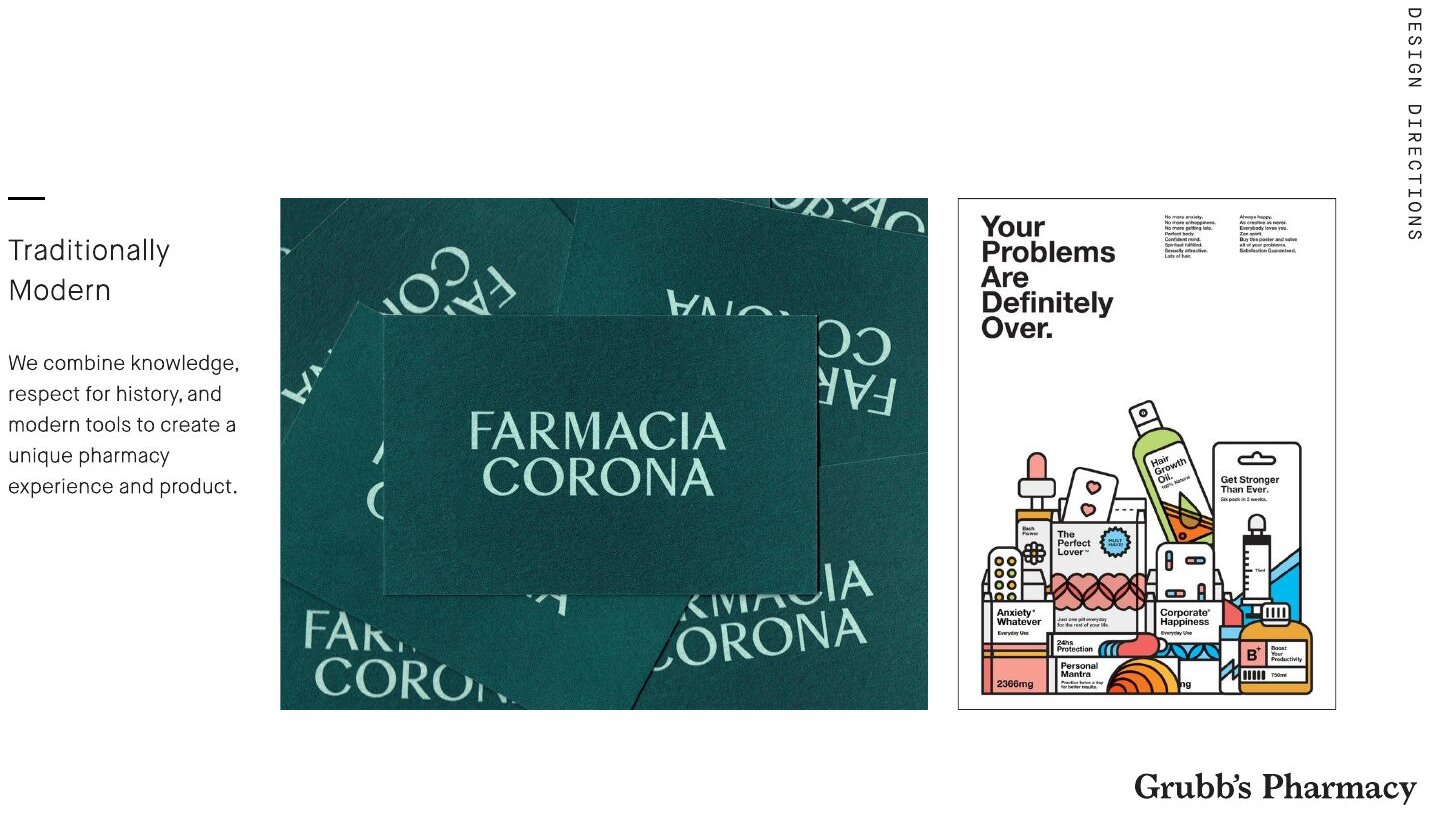
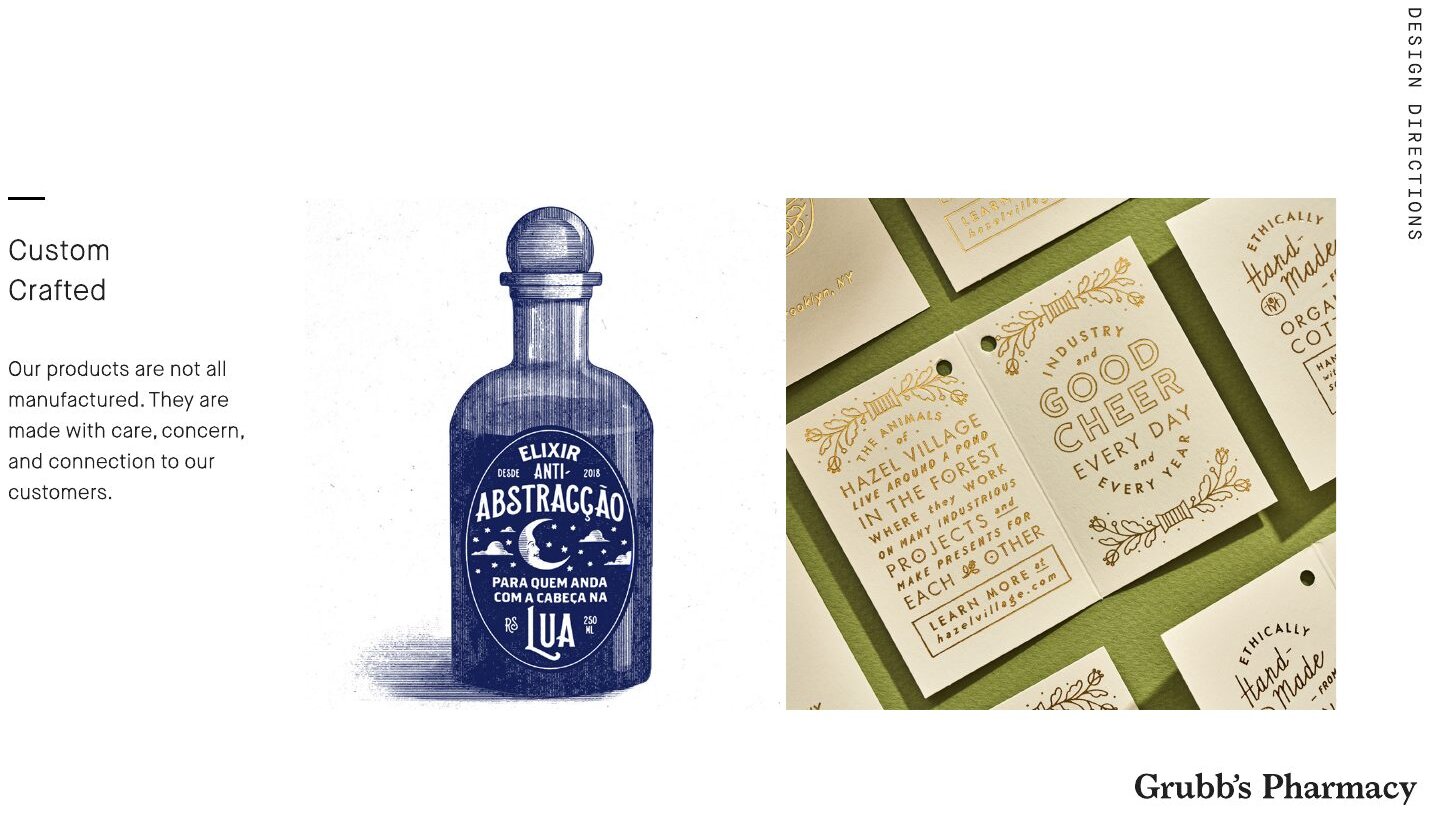
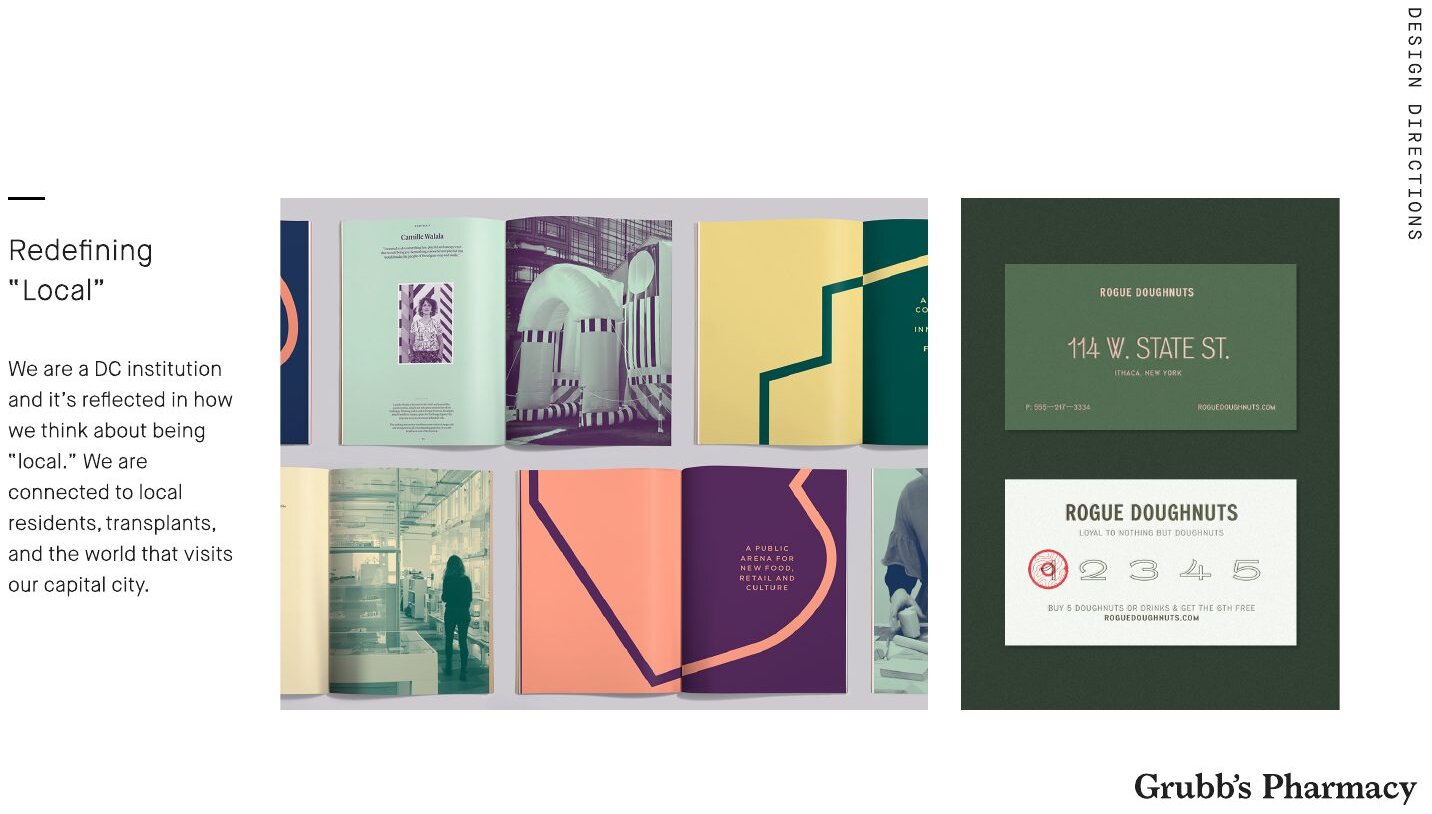
Then a board for each themeFour boards, four different pharmacies. The client chooses a direction.
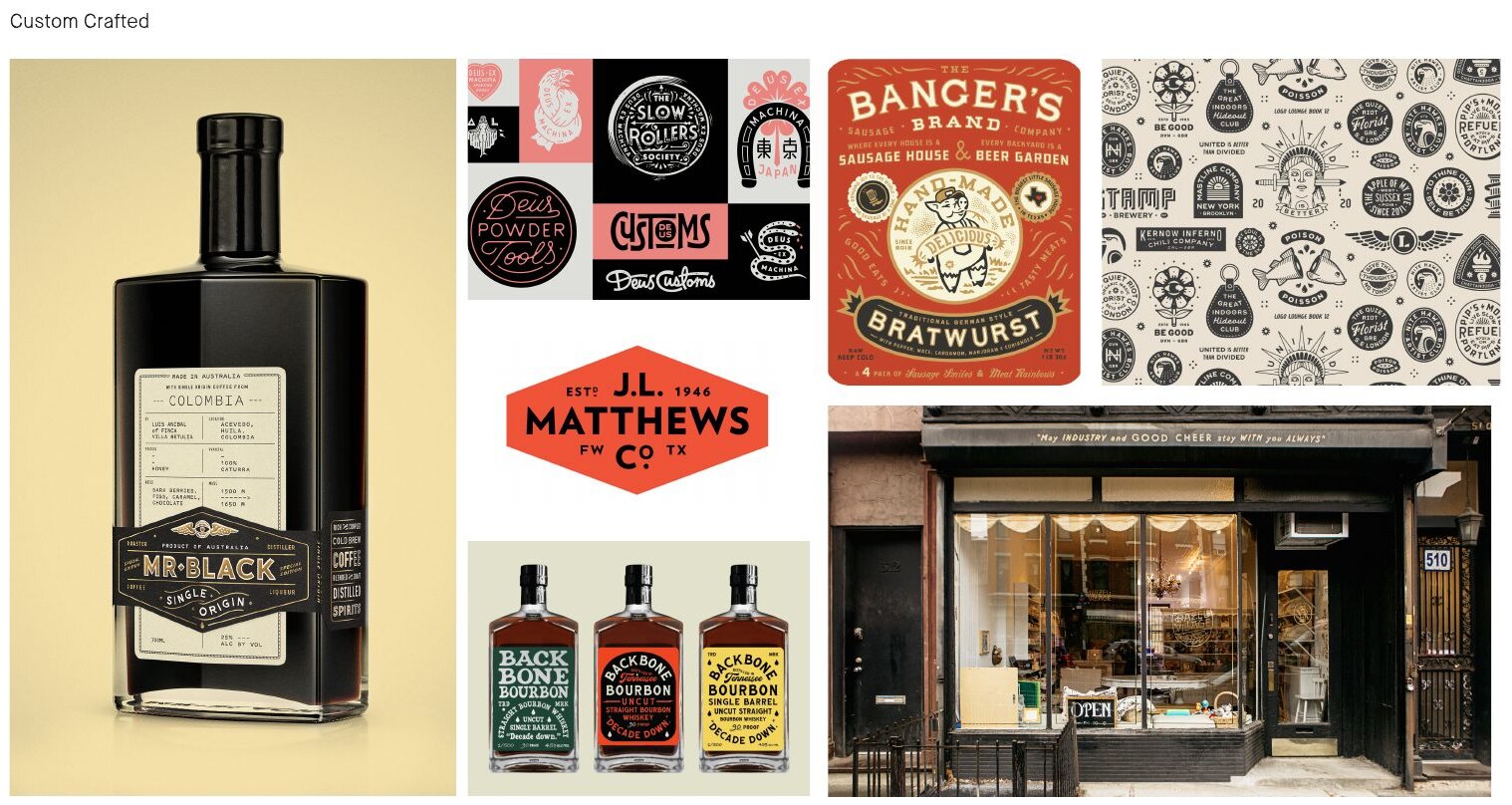
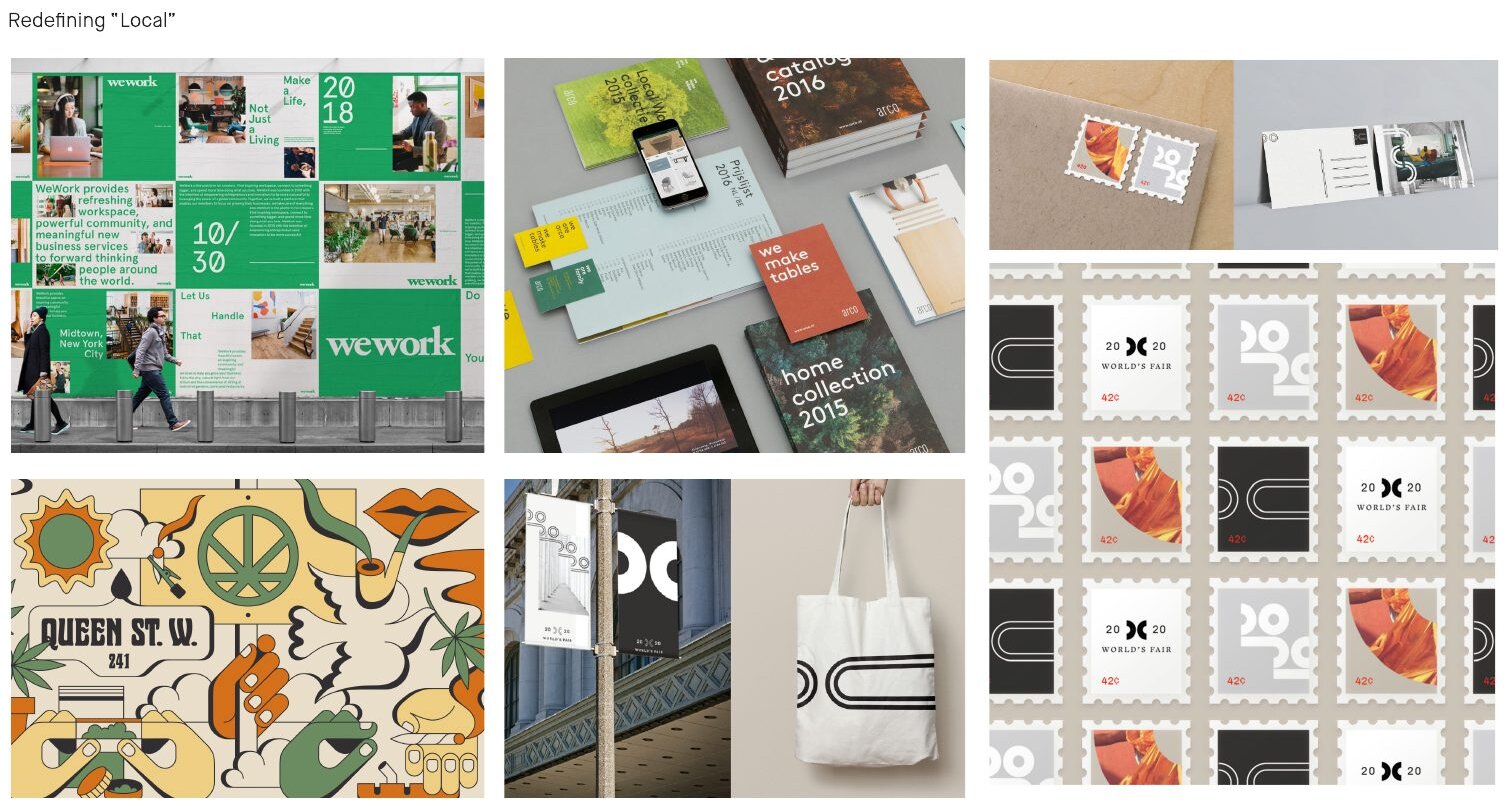
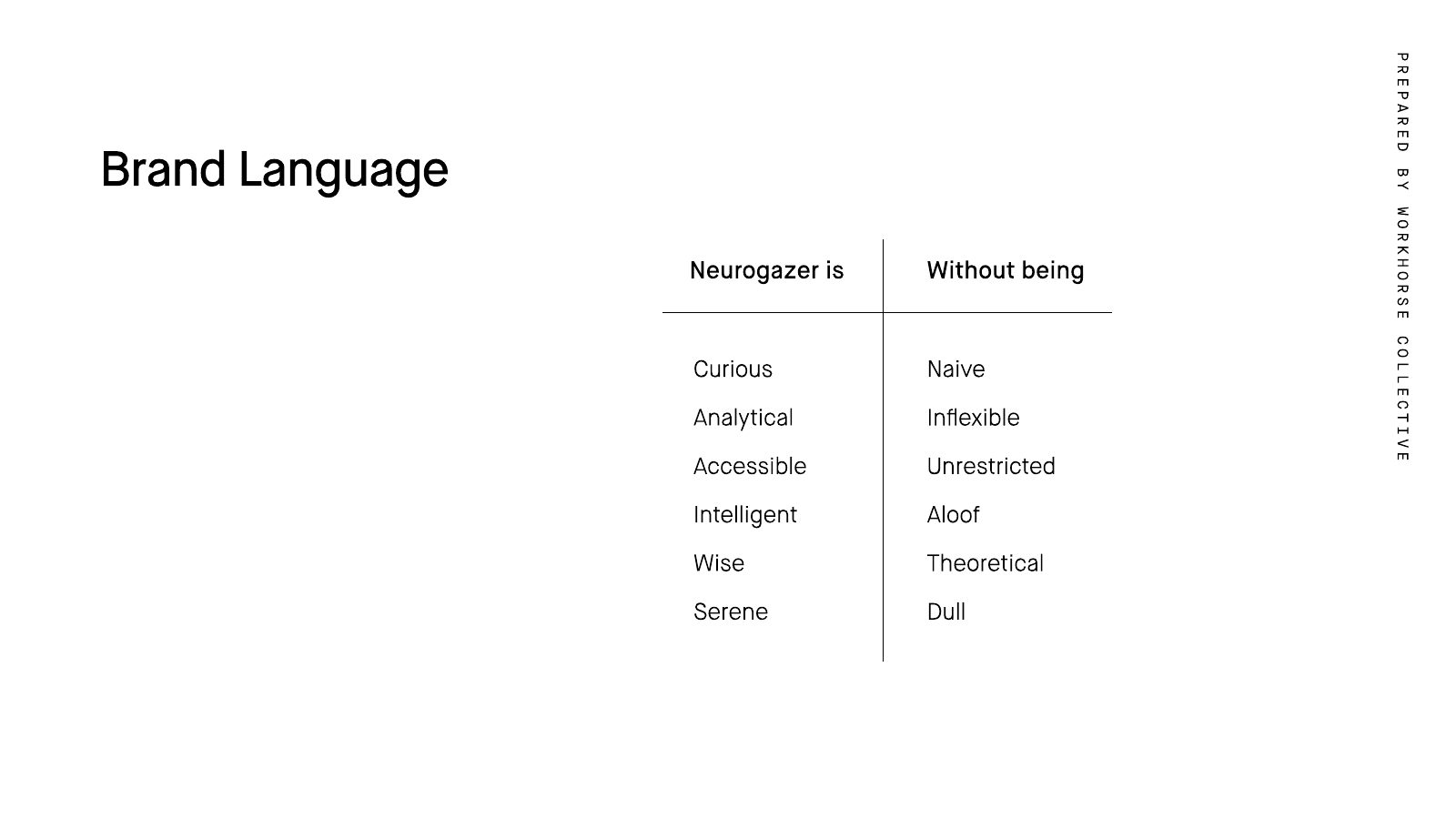
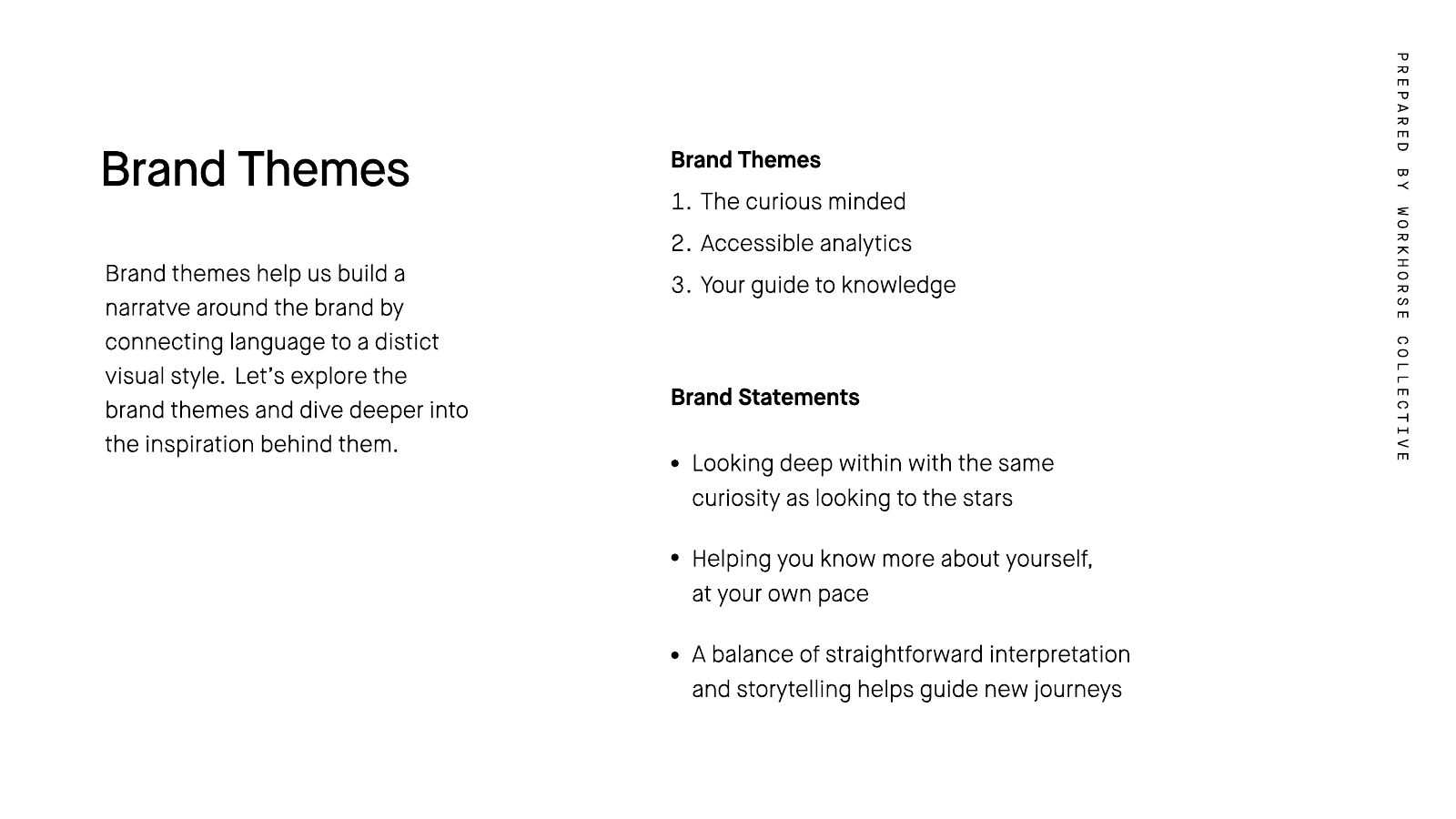
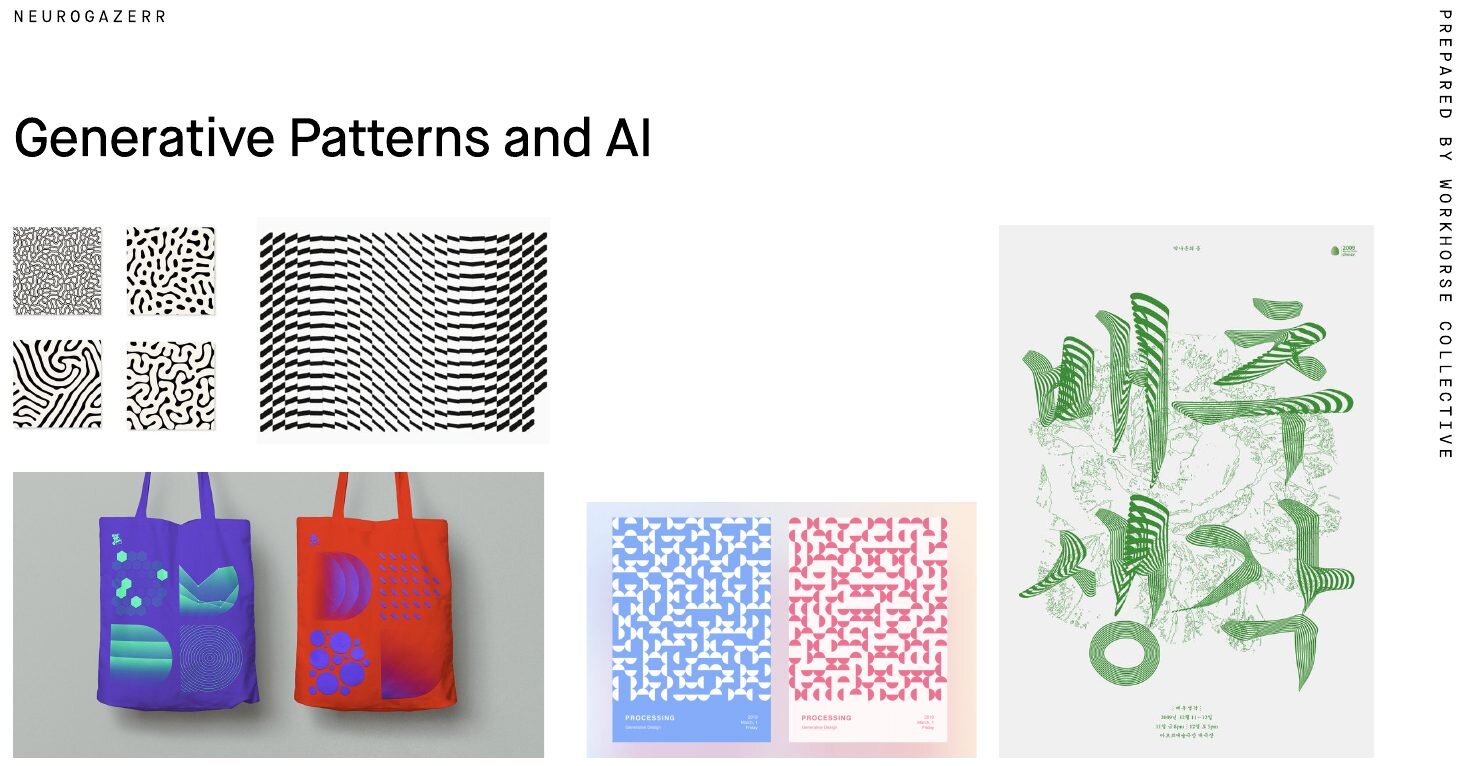
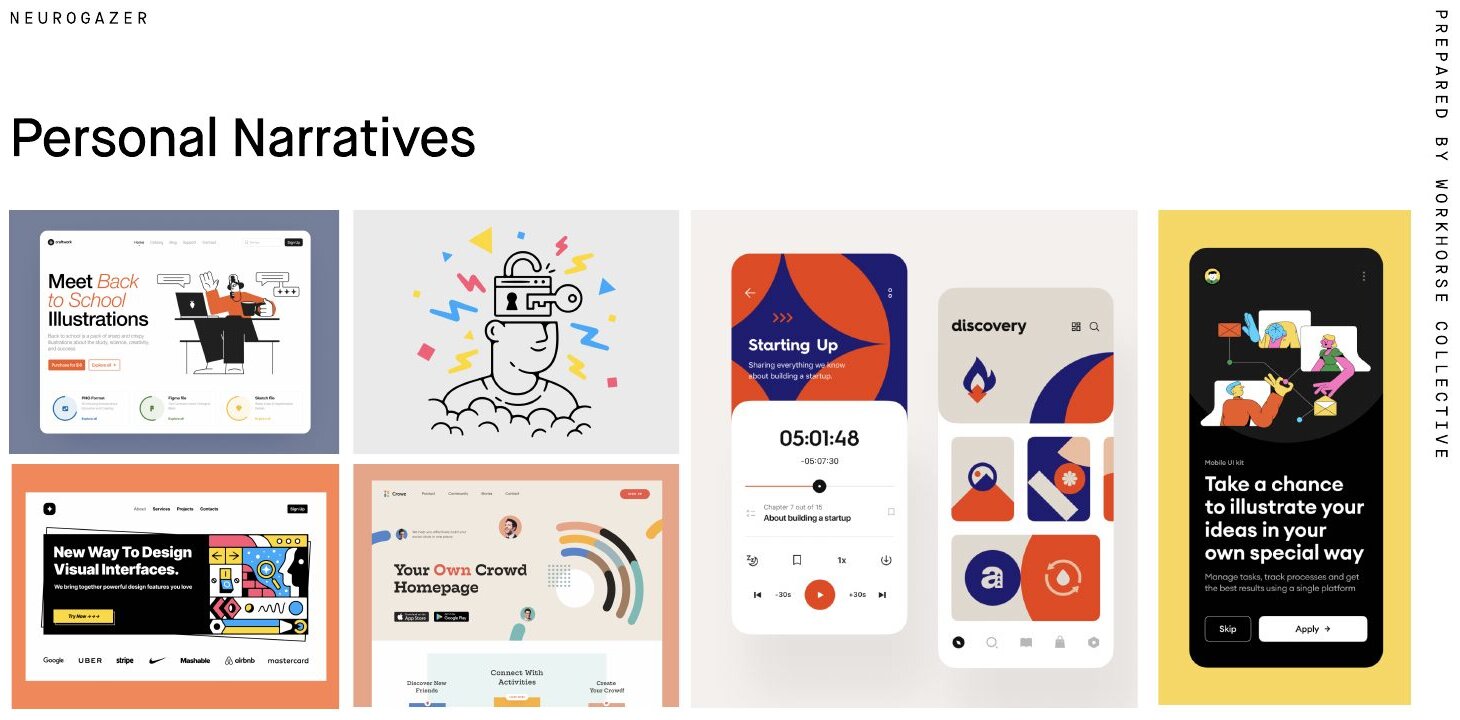
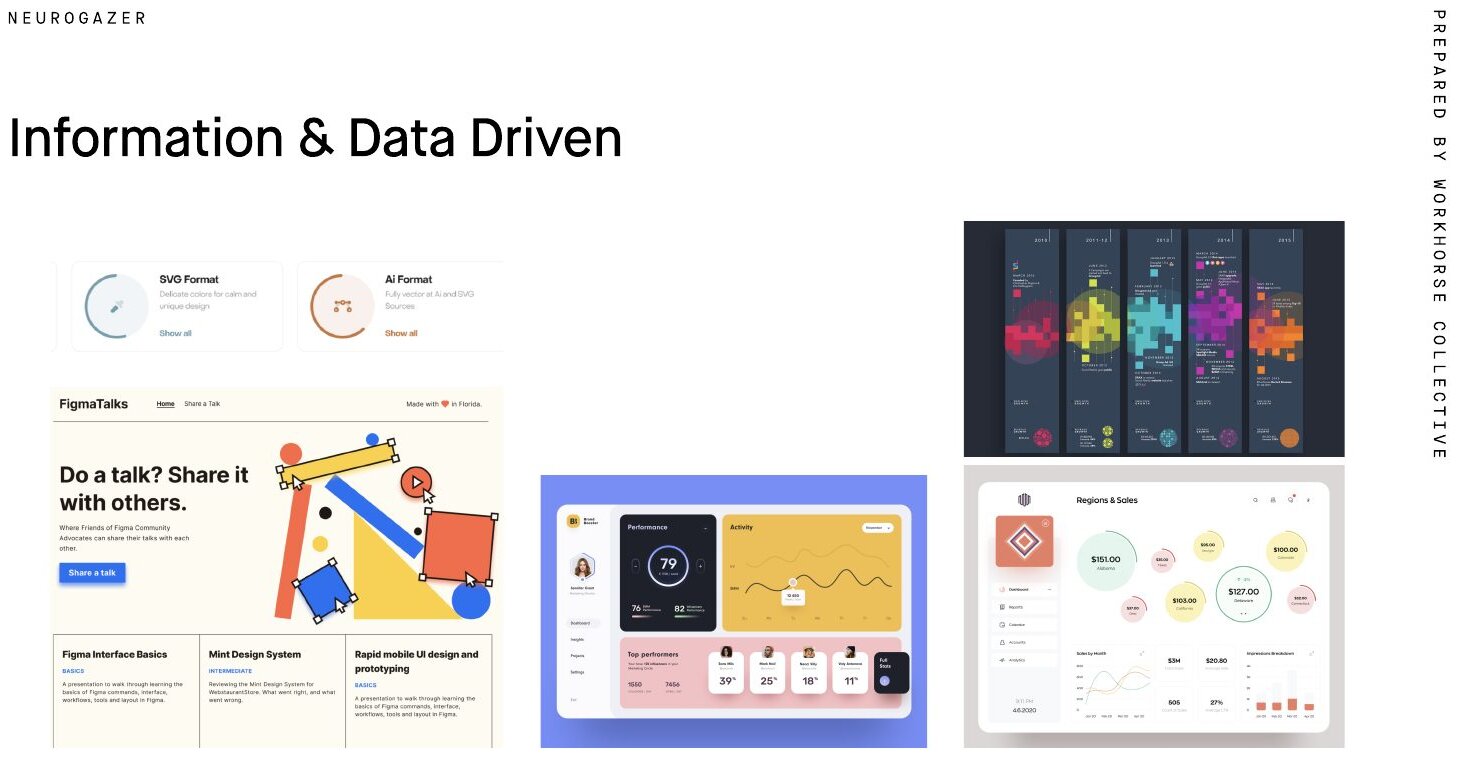
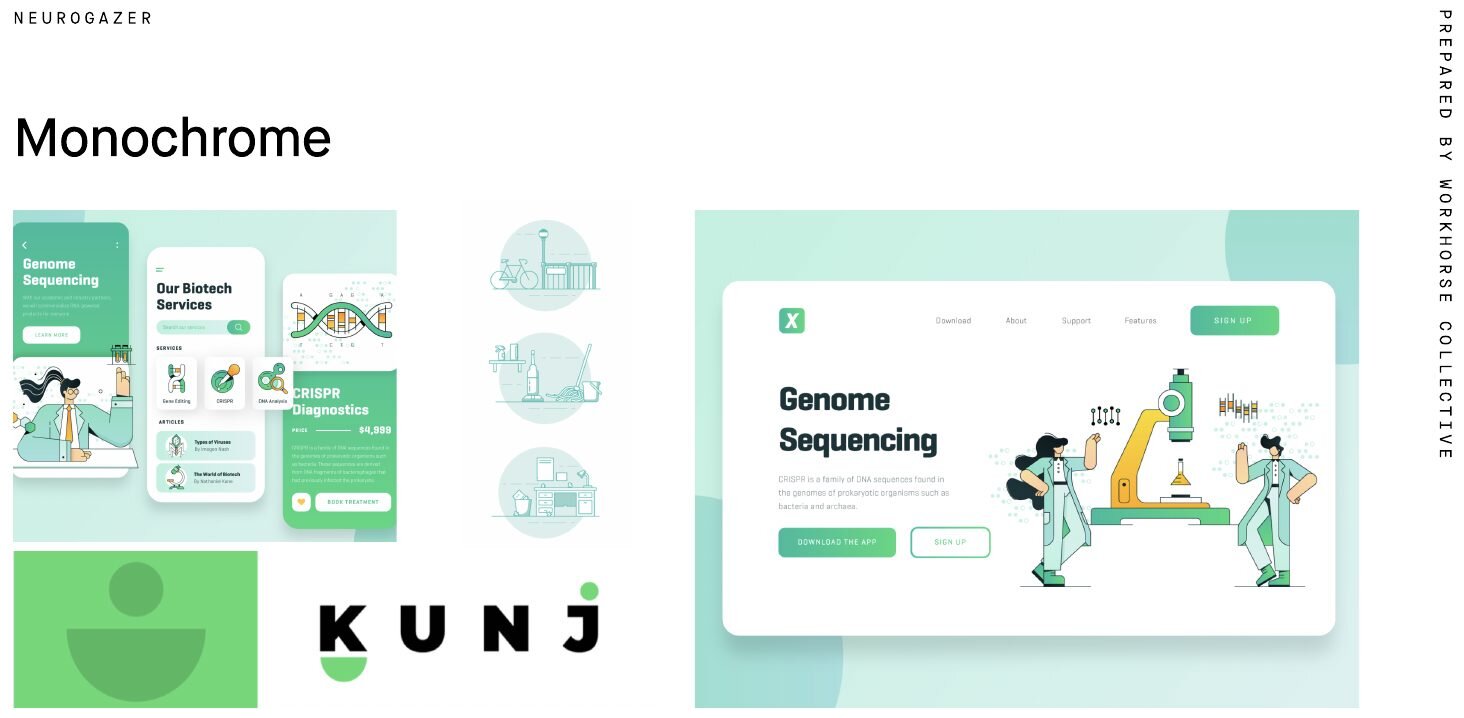
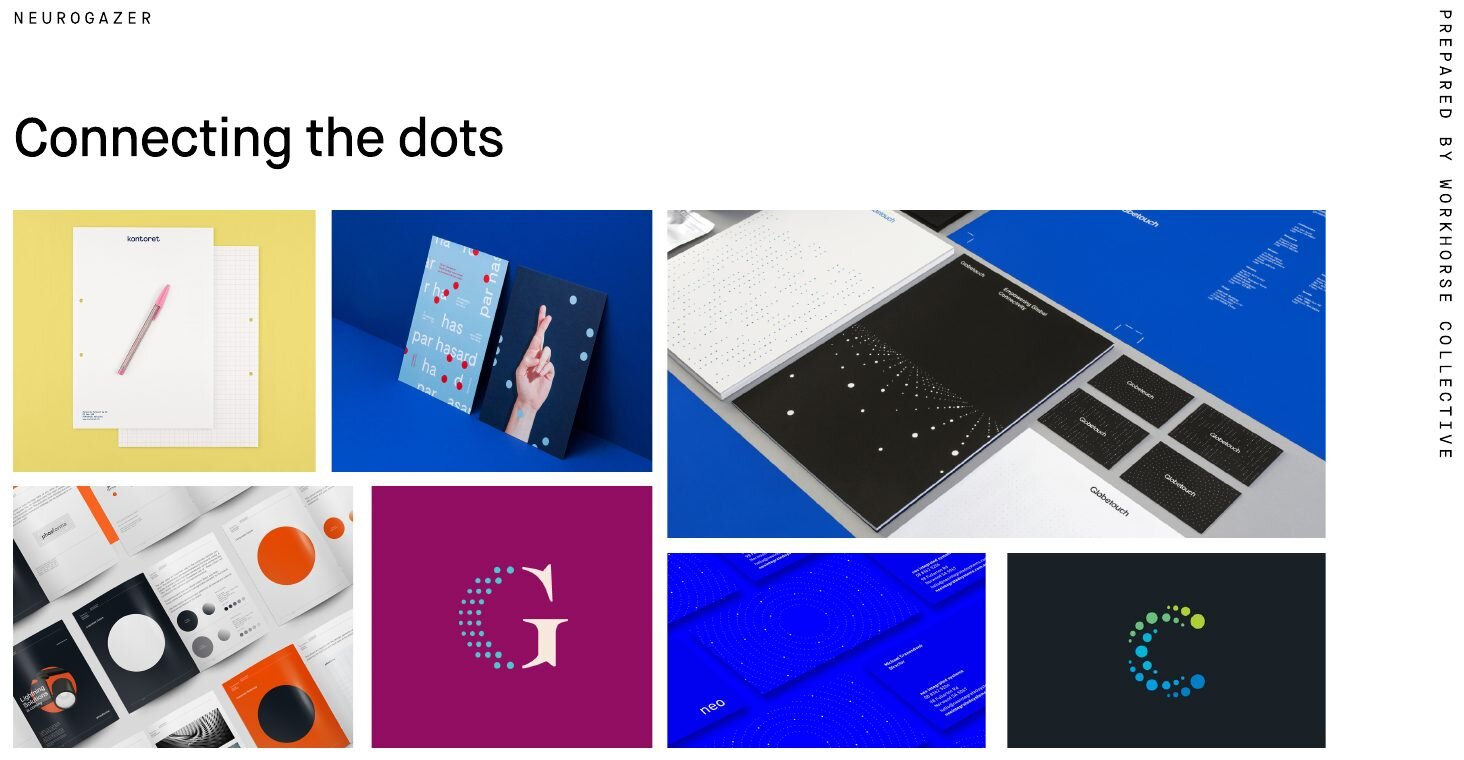
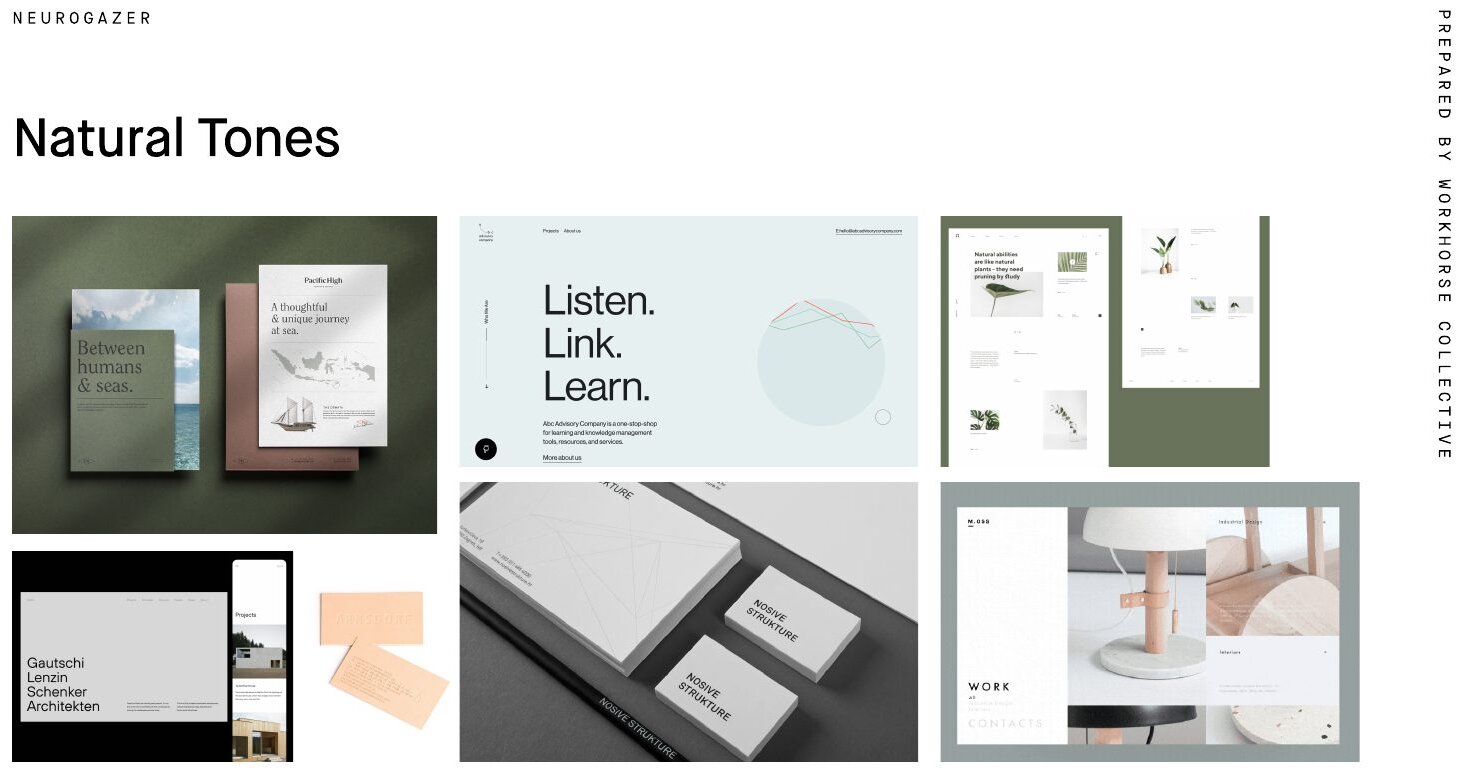
Neurogazer: the same order for a digital productWorkhorse for Neurogazer, a new neuroscience company, for parents and the neuroscience community. April 2021.
Boards named for what they look likeA client can repeat every one of these names in a meeting.
Before Wednesday.
03-explorations/moodboard.md03-explorations/themes.md03-explorations/language.mdLOG.md