Creative Brief Studio
The readings, Markdown and DESIGN.md, and your repo.
Workhorse Collective
ART 418 · Fall 2026
 wrkhrs.co
Today.
Davis, Chapter 7: The Advanced Strategy Session.
Chapter 6 built the creative strategy framework. Chapter 7 takes each of its columns a second time.
The first pass was about quantity: fill every column. This chapter covers "the steps after quantity": what to cut, where to look for better information, and how to connect what is left. His running example is a pitch for the Amazon Fire TV Stick.
Step One: Clean for Quality.
"Look through the content and erase anything that really doesn't have relevance, even if it's correct or true."
Every item on the chart has to pass one question, and the answer has to come with a reason:
"Can we build a campaign on that?"
There is no single right answer. Davis calls this discernment: "One creative sees gold where another sees nothing."
Then Each Column, Deeper.
The Target Is a Person, Not a Profession.
Threads: Fill the Chart Down, Then Read It Across.
"After populating this framework vertically, look for connections horizontally. I call these 'threads.'" They may not sit in the same row: "The value here is the unexpected connections that emerge across categories to help you find inspiration within order."
Based on their need or behavior, this Target > would be interested in a conversation centered around this Fact > using this Feature/Benefit in the headline and copy to get their attention > to deliver this Message or accomplish this Objective.
The Fire TV Stick Chart, and Its Threads.
What a Thread Is For.
"With a single strategic thread you can now write a brief, create relevant design concepts, write compelling copy, or make recommendations on how a client could move forward with this line of reasoning."
"Keep in mind that the thread isn't the idea itself; it is a starting point on which to build concepts and visual directions."
For designers: "look to the words in each column for visual thought-starters." Several threads give several directions; with several teams, "give each a different strategic thread."
Neumeier, The Brand Gap.
Marty Neumeier, 2003. It promises two things on page 4: a modern definition of brand, and the five disciplines of brand-building.
Pages 1 to 80 cover the definition, the gap the book is named for, and the first two disciplines: Differentiate and Collaborate.
What a Brand Is.
"A brand is a person's gut feeling about a product, service, or organization."
A person's, "because brands are defined by individuals, not companies, markets, or publics." A gut feeling, "because people are emotional, intuitive beings."
"It's not what you say it is. It's what they say it is."
Why Branding Matters Now.
"There are 1,349 cameras on the market. How do you decide which one to buy?"
Trust = reliability + delight. "Trust comes from meeting and beating customer expectations."
The Gap.
"When both sides work together, you can build a charismatic brand": one "for which people believe there's no substitute."
Discipline 1: Differentiate.
"Our brains act as filters to protect us from too much information." So: "We're hardwired to notice only what's different."
"Marketing today is about creating tribes." People join different tribes for different activities: driving, Volkswagen; reading, Amazon; sports, Nike. "On Sundays they worship Harley, god of the open road."
Focus, and the Focus Test.
The three most important words in differentiating a brand: focus, focus, focus.
"The most common reason for loss of focus is ill-considered brand extensions." Porsche with sports cars is focused; Porsche with sports cars and SUVs is not. OXO Good Grips got stronger with each extension, because each one reinforced its focus.
Discipline 2: Collaborate.
"It takes a village to build a brand." His model is a film: hundreds of collaborators, one set of credits.
What a .md File Is.
A Markdown file is plain text with a few marks that mean formatting. It reads fine as it is, and any app that understands Markdown shows it formatted. John Gruber and Aaron Swartz made it in 2004 so people could write for the web without writing HTML.
What you type (FOCUS.md)
What GitHub shows
The Marks You Need.
# Title ## Section**bold** *italic*- item1. makes a numbered one.[words](link)| a | b |--- at the very top
Why Everything in the Repo Is Markdown.
DESIGN.md.
"A format specification for describing a visual identity to coding agents."
Published by Google Labs in April 2026, open source, and still marked alpha. It is one Markdown file that sits in a project and tells any AI tool how the product should look and why.
An agent that reads it before building a screen uses your colors, your type and your rules instead of its defaults.
Two Layers in One File.
1 · Front matter: exact values a machine reads
2 · Prose: why, and how to apply them
"Tokens give agents exact values. Prose tells them why those values exist and how to apply them."
Why It Works: Intent Beats Values.
"The quality of a generated design is determined less by the precision of its values than by how clearly the intent is described."
"Adjectives describe a region. A specific reference describes a point."
What You Leave Out Defines the Character.
Naming a specific thing brings its limits with it. A model knows what a lecture handout is, and what it is not: it does not glow or use a gradient.
"Naming the object names them, the same way naming a dog tells the model that dogs don't meow."
Then add a short, intentional list of do's and don'ts. From their handout example:
A long, rambling list of don'ts "is often a sign the description was too vague."
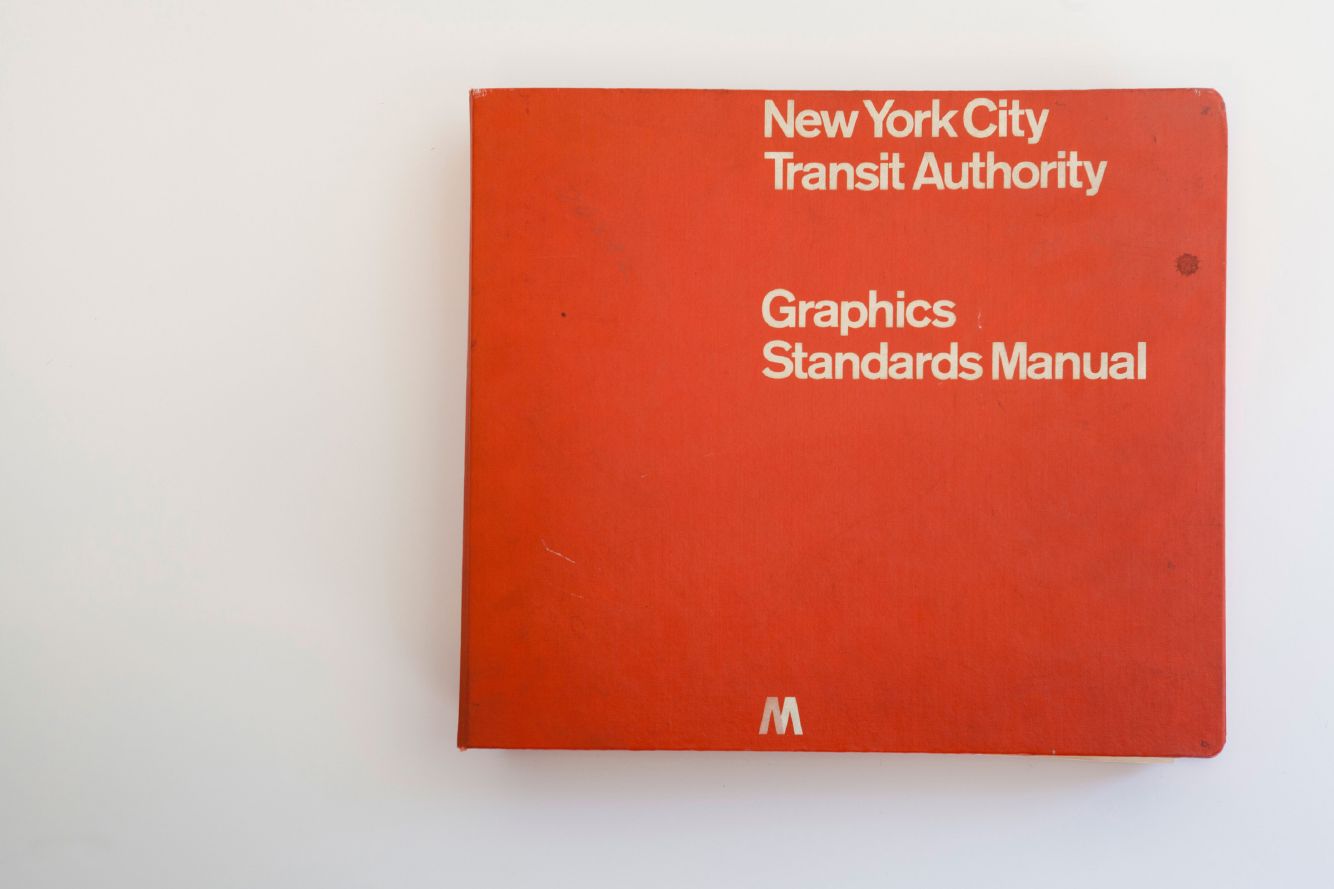
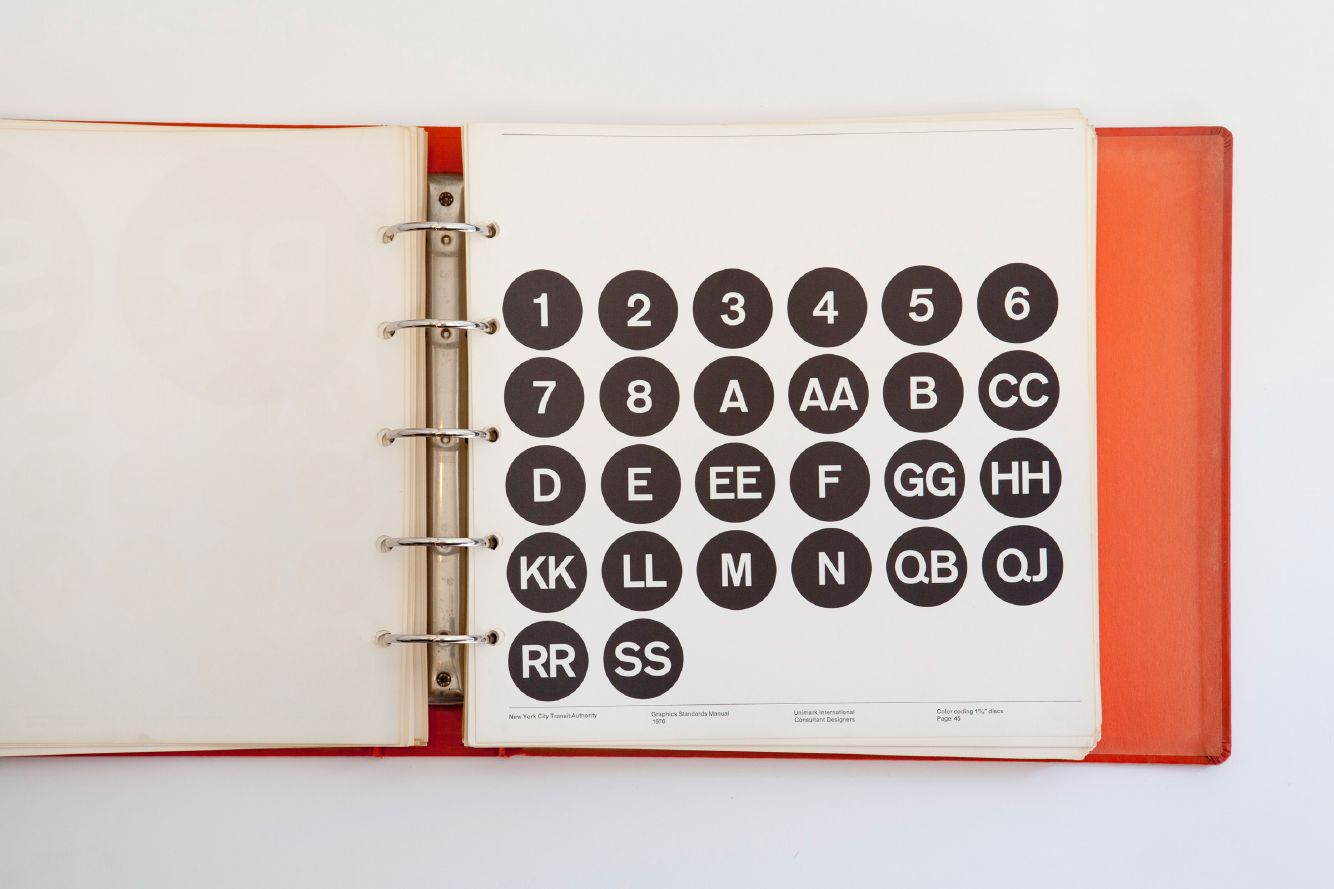
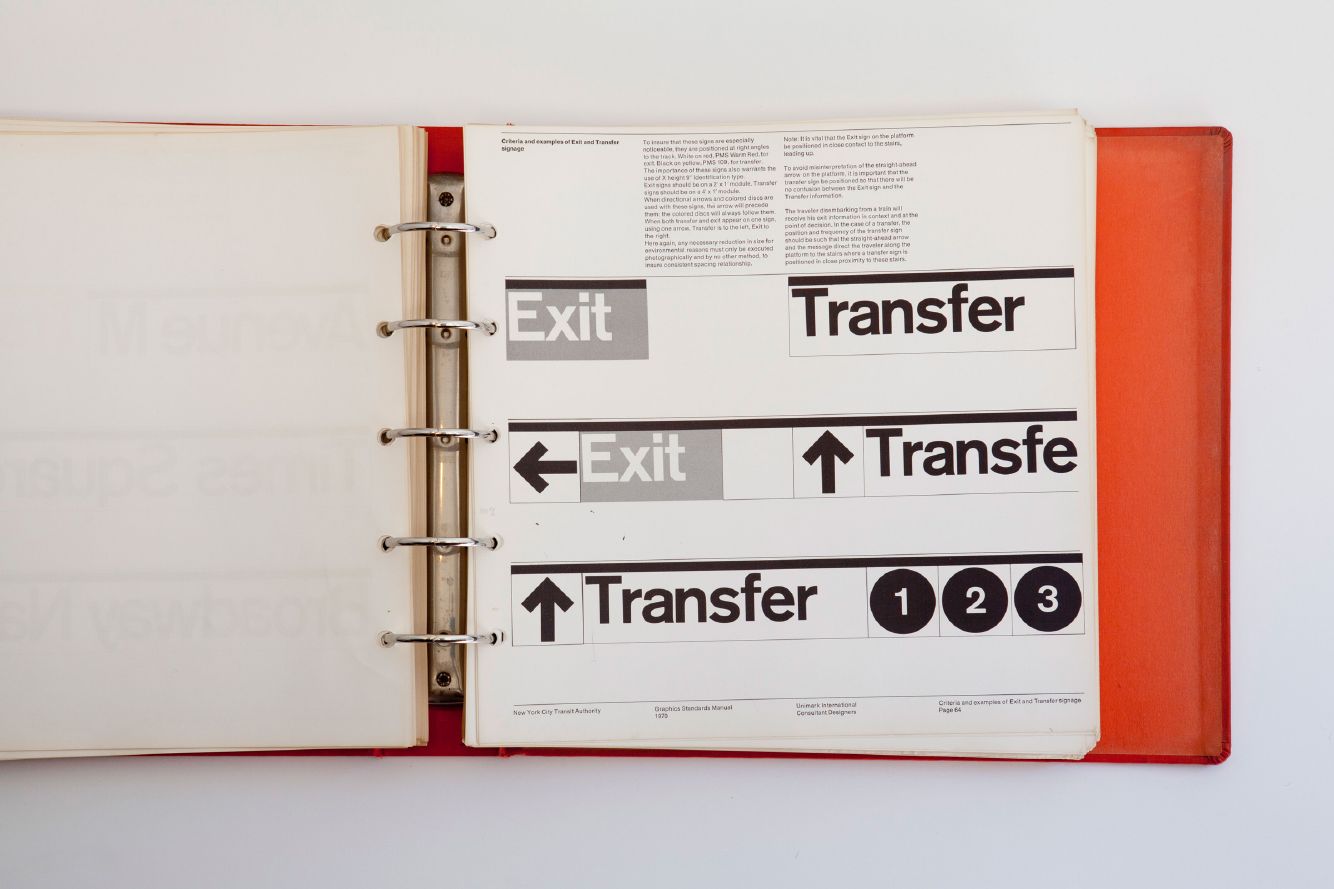
New York City Transit Authority, 1970.
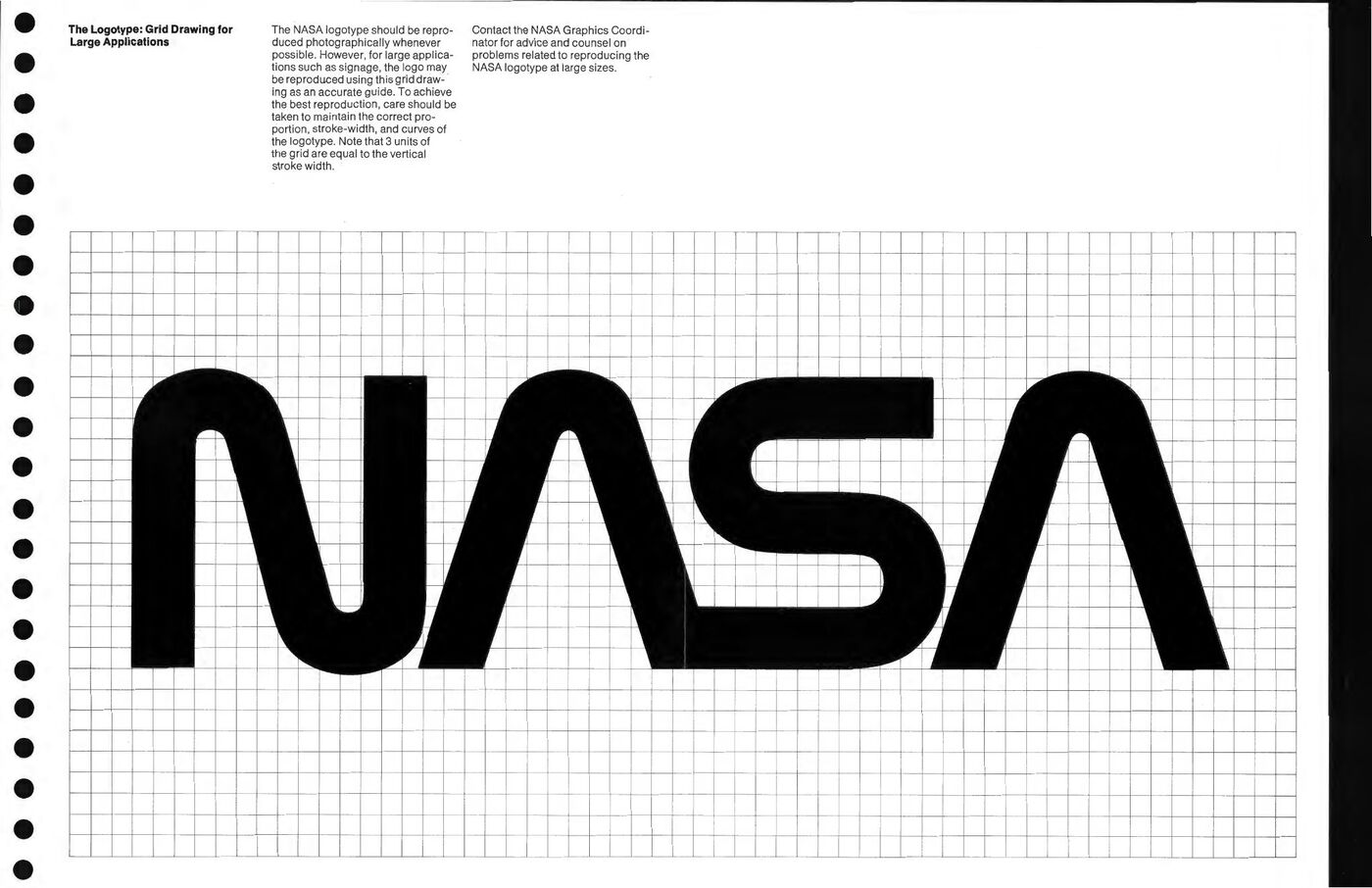
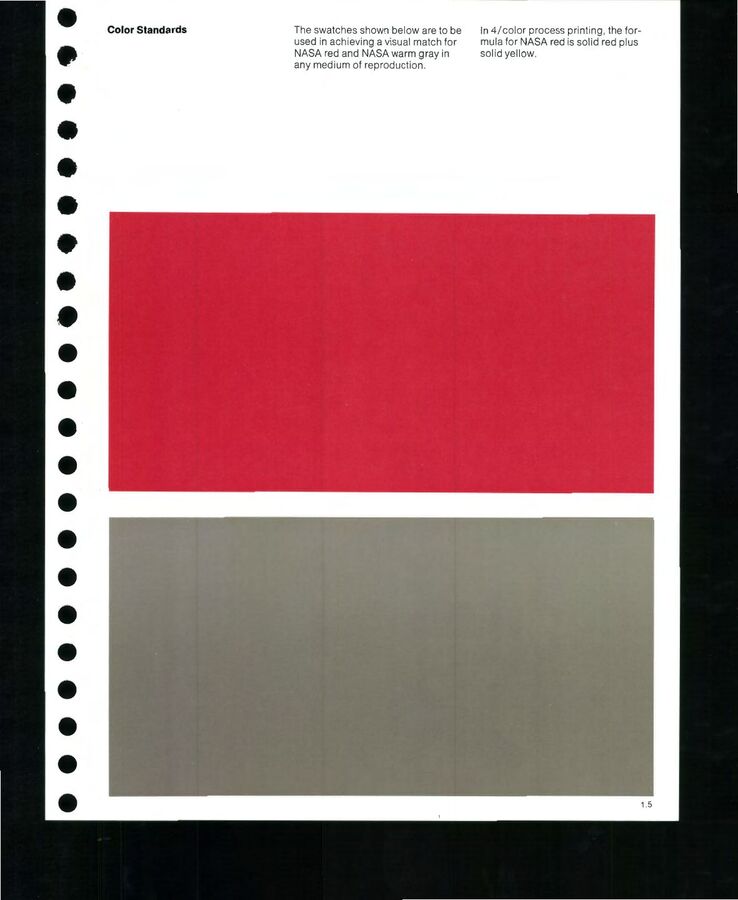
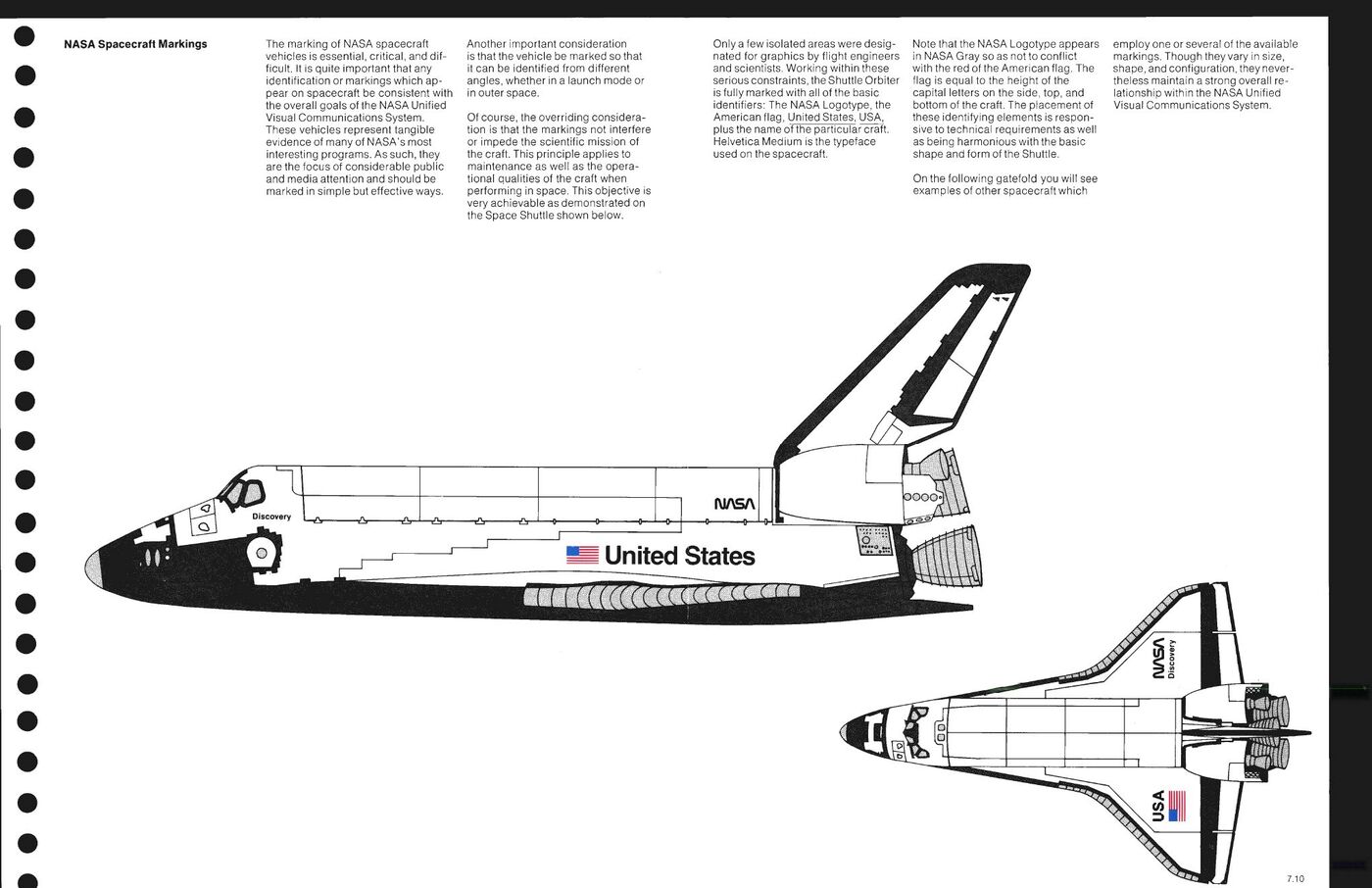
NASA, 1975.
Designers Have Written This Document Before.
Unimark: Massimo Vignelli and Bob Noorda
Danne and Blackburn
In Practice.
{colors.tertiary}, so changing the palette changes the button.
Further Reading.
github.com/google-labs-code/design.mdgithub.com/google-labs-code/design.md/blob/main/PHILOSOPHY.mdgithub.com/VoltAgent/awesome-design-mddesigntokens.org (W3C Design Tokens Community Group)agents.mddaringfireball.net/projects/markdown
One Folder per Stage, in the Order You Reach It.
ABOUT-ME.mdBRIEF.md01-brief/02-research/03-explorations/04-brand/ 05-tokens/06-book/ 07-site/decks/ LOG.md
Where DESIGN.md Fits.
05-tokens/: color, type and spacing in the W3C token format04-brand/rules.md and voice.json04-brand/direction.md, drawn from the moodboard
AGENTS.md: the Rules Every Tool Reads First.
voice.json first, and only you edit it.LOG.md.
Ask for the Job in Plain Words.
write-in-voicecheckdocs/CHECK.md and lists what to fixtrace-to-brieflog-the-runLOG.md entry for the session
AI Tools With Student Access.
education.github.com/packgemini.google/studentsfigma.com/educationnotebooklm.google.comclaude.ai · anthropic.com/educationcursor.com/studentsnotion.com/product/notion-for-education
Before October 7.
03-explorations/moodboard.md03-explorations/themes.md03-explorations/language.mdLOG.md