Editorial Illustration
Three kinds of editorial image, where to find the good ones, and the pen tool.
Workhorse Collective
NameAbraham GarciaEmailabe@wrkhrs.co
ART 220 · Fall 2026
MeetsTue + Thu, 12:30 to 3:20TodaySession 03 · 09.01.2026
 meaninglayer.com/course/digital-illustration
Session 03

Three kinds of editorial illustration, where to find the good ones, and then the pen tool.
01 · What it is
What an image commissioned to run with an article is for, in a magazine, a newspaper, a newsletter, an app.
02 · Three types
Conceptual, data, and portrait. Famous examples of each, plus recent work by illustrators you probably haven't heard of.
03 · The process
Brief, sketches, feedback, final. The part of the job that is not drawing.
04 · Where to look, then the pen tool
Four archives that publish the best of this field every year. Then the pen tool, demonstrated, and Exercise 1, handed in before you leave.
What It Is
AN IMAGE COMMISSIONED TO RUN WITH AN ARTICLE.
THE ARTICLE ALWAYS COMES FIRST.
THE ARTICLE ALWAYS COMES FIRST.
Pictures have run with the news for 150 years
Harper's Weekly, 1871
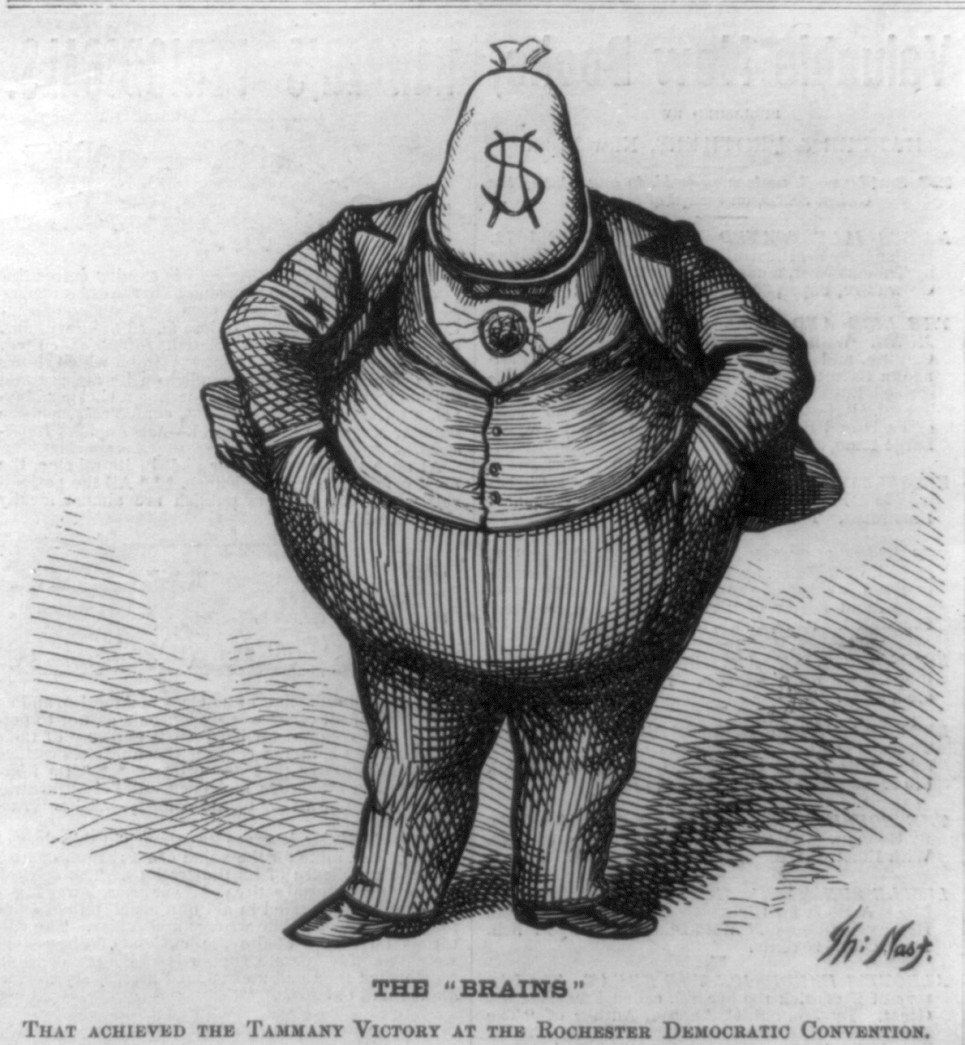
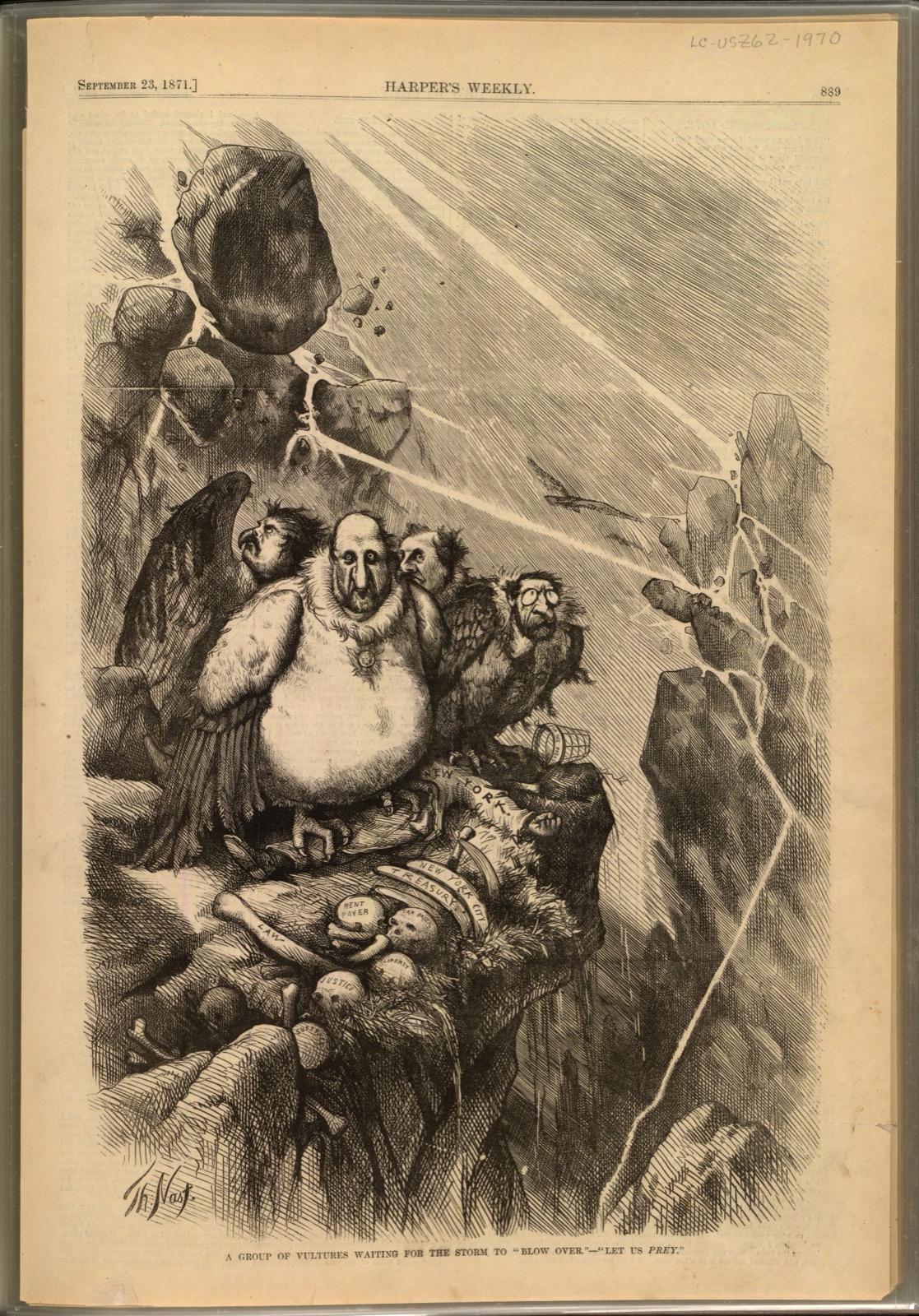
Thomas Nast drew New York's corrupt political boss, William Tweed, every week in Harper's Weekly. Tweed is said to have told his men to stop "them damned pictures," because his voters couldn't read the articles but could see the drawings. A money bag for a head says it in one look.
THOMAS NAST, THE "BRAINS," OCTOBER 21, 1871 · A GROUP OF VULTURES WAITING FOR THE STORM TO "BLOW OVER," SEPTEMBER 23, 1871 · HARPER'S WEEKLY · LIBRARY OF CONGRESS, PUBLIC DOMAIN
Type 1: Conceptual
ONE IMAGE THAT GETS ACROSS THE IDEA OF THE ARTICLE.
Conceptual
You read the article, find the idea in it, and draw that.
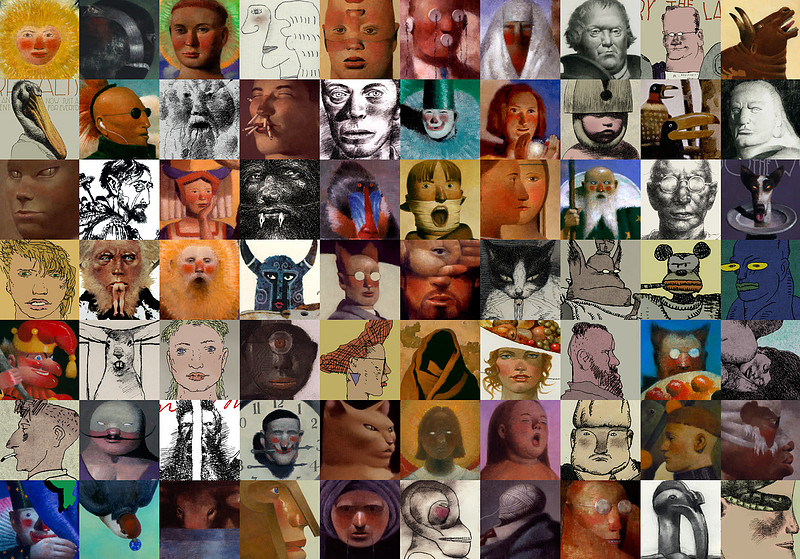
Brad Holland
1970s onward
Holland started drawing for the New York Times op-ed page in 1970. Before him, editorial images mostly explained the article. His didn't: they were personal, symbolic, sometimes at odds with the writing they ran beside. Most conceptual illustrators working today owe him something.
This is where the idea of a conceptual editorial image starts. Don't just restate the headline. The strongest editorial images add something the writing doesn't already say.
BRAD HOLLAND, PAINTINGS AND DRAWINGS · TIME, VANITY FAIR, THE NEW YORKER, ROLLING STONE, THE NEW YORK TIMES · BRADHOLLAND.NET
Edel Rodriguez
2016 to 2020
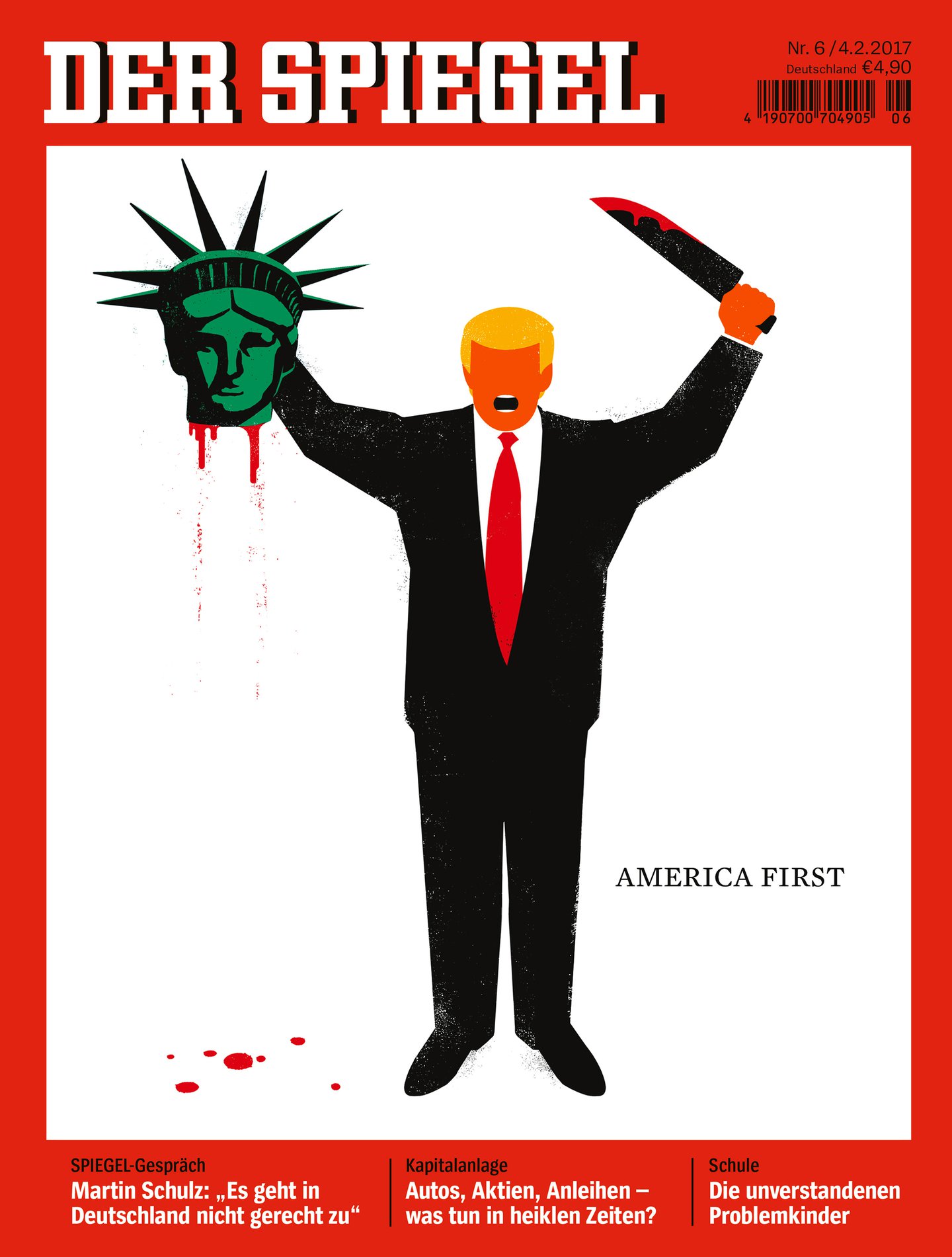
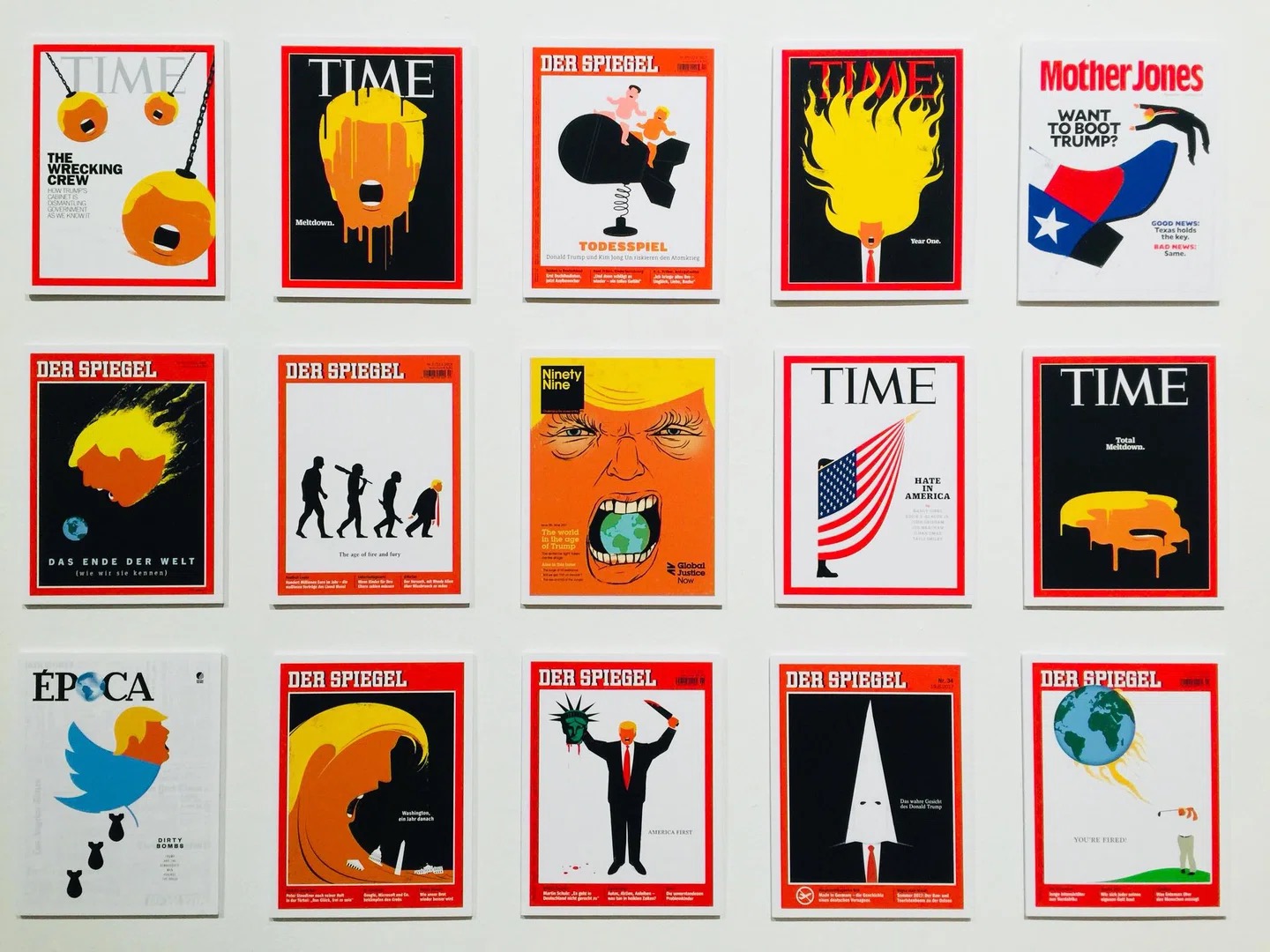
Rodriguez drew more than 150 covers in the same visual language for Time, Der Spiegel, Mother Jones and others. The Der Spiegel cover on the left got reported on as news in its own right, which is about as far as an editorial image can travel.
EDEL RODRIGUEZ, AMERICA FIRST, DER SPIEGEL, FEBRUARY 2017 · COVER WALL PHOTOGRAPHED FOR IT'S NICE THAT, 2020
The headline, then the picture
World Illustration Awards, 2024 and 2025

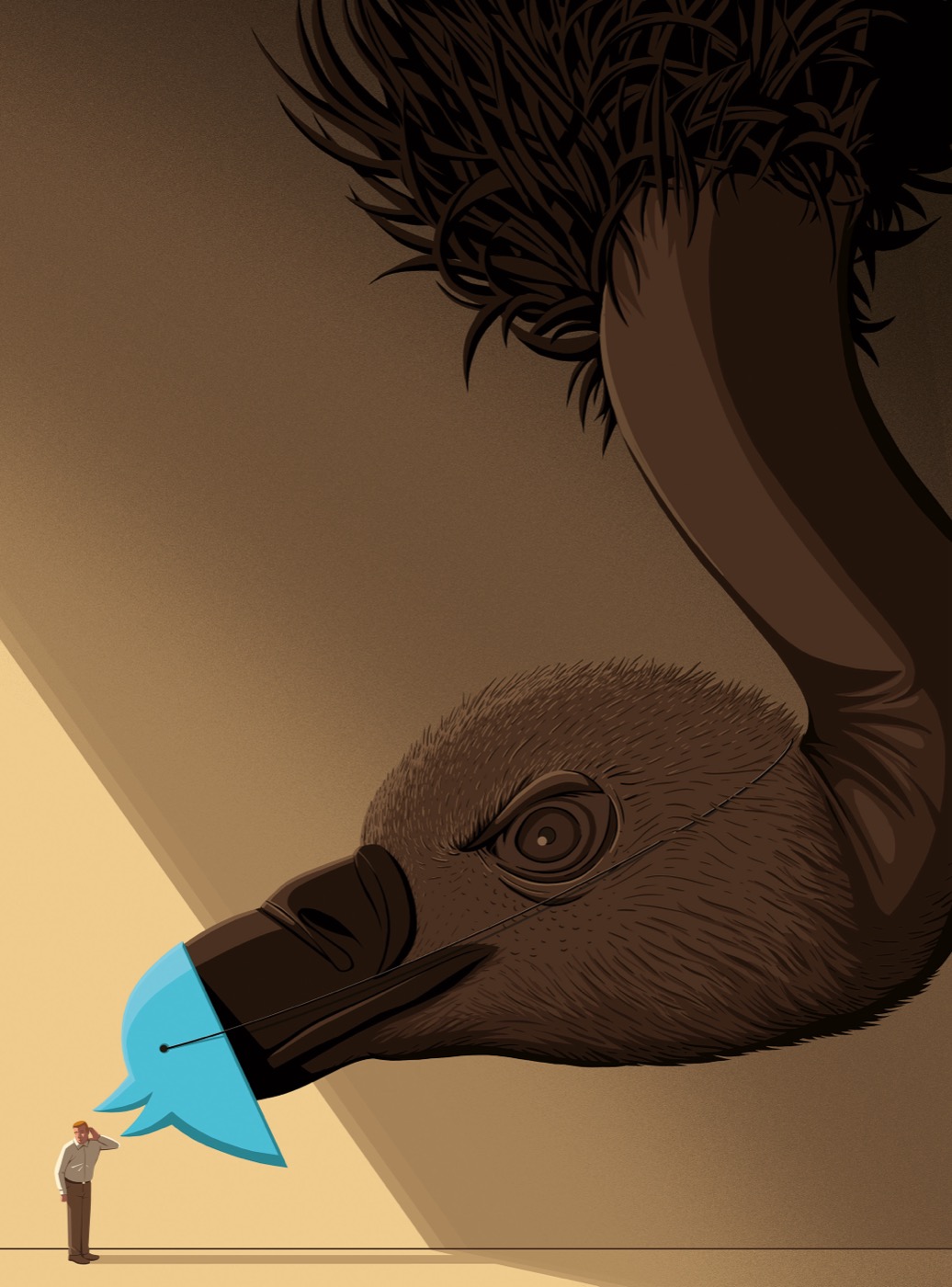
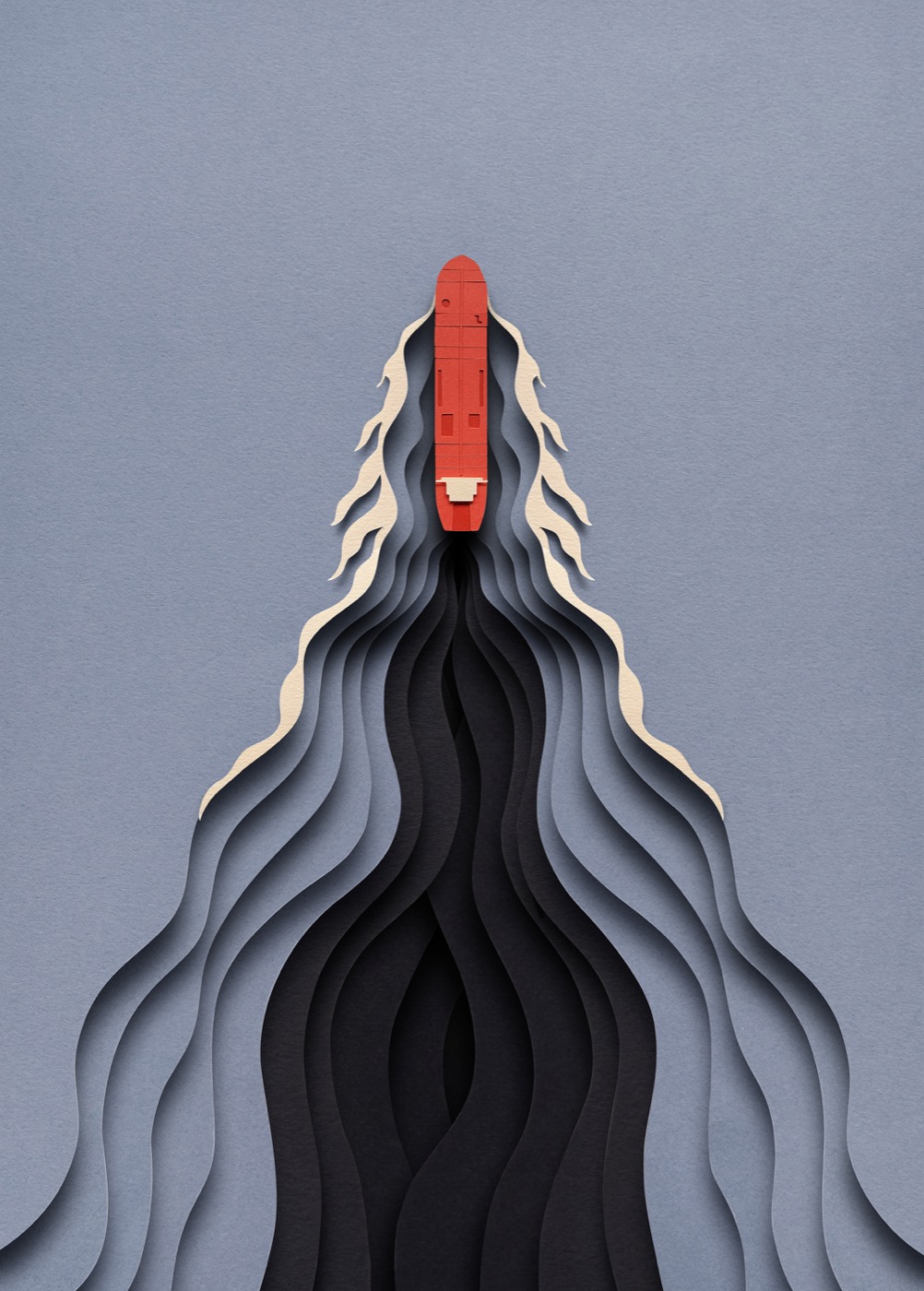
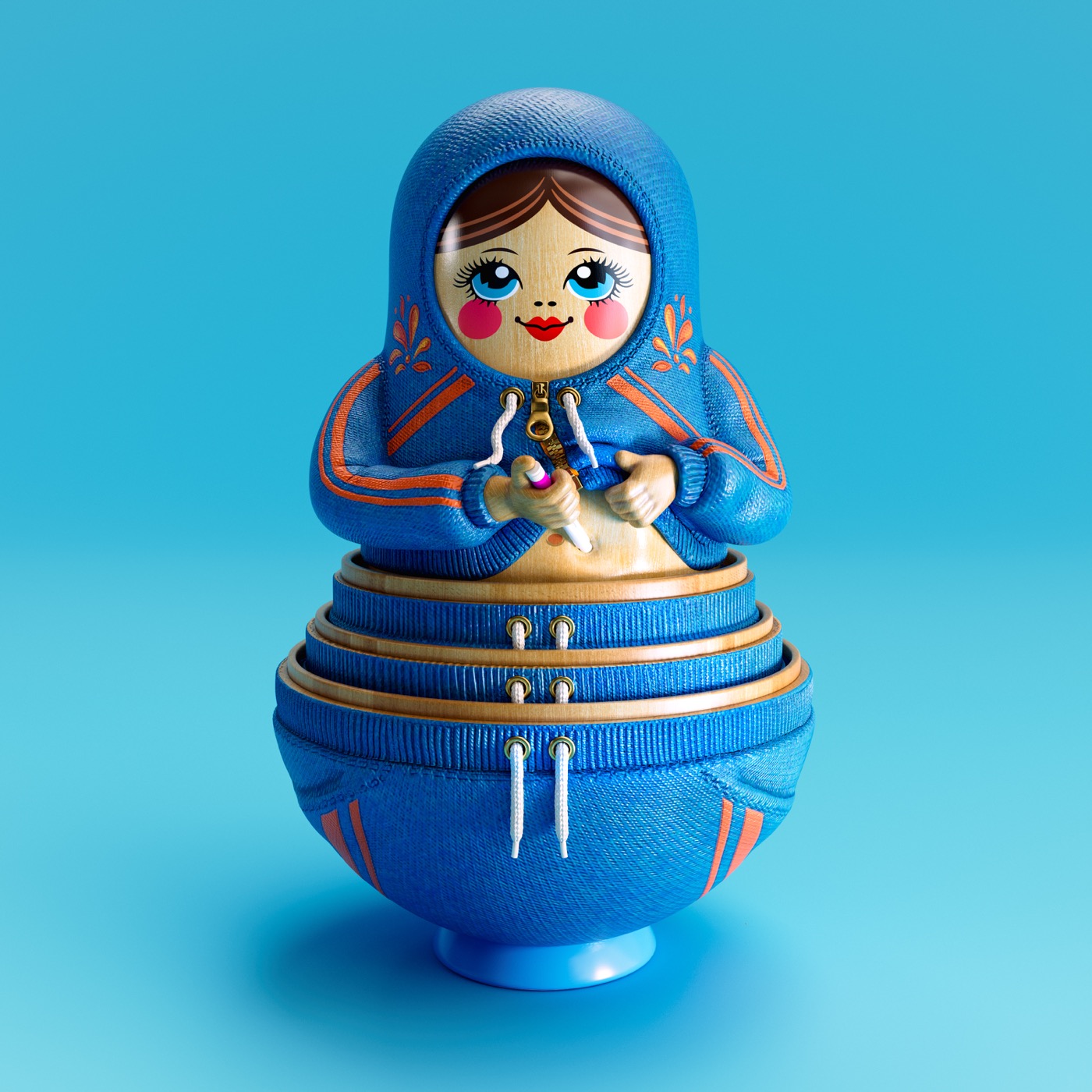
Most editorial work looks like this: an article, an art director, and one strong image by Friday. Each of these takes one idea from the article and draws only that. Your Project 1 is the same kind of brief.
NOMA BAR, 2024, ART DIRECTOR GARY COCHRAN · STEPHAN SCHMITZ, 2023 · OWEN GILDERSLEEVE, 2024, ART DIRECTOR ARNAU BUSQUETS · LISA SHEEHAN, SEPTEMBER 2024, ART DIRECTOR DAVID YOUNG · WORLDILLUSTRATIONAWARDS.COM
Bloomberg Businessweek
2010 to 2014
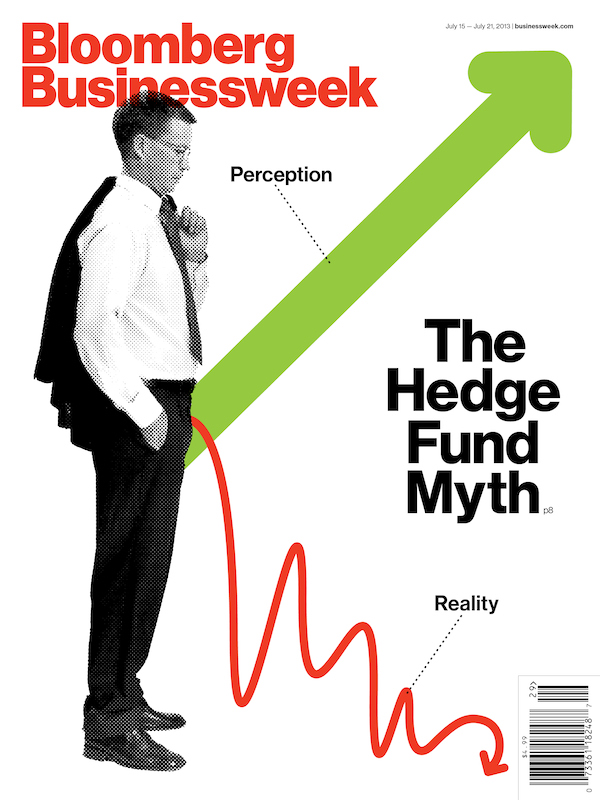
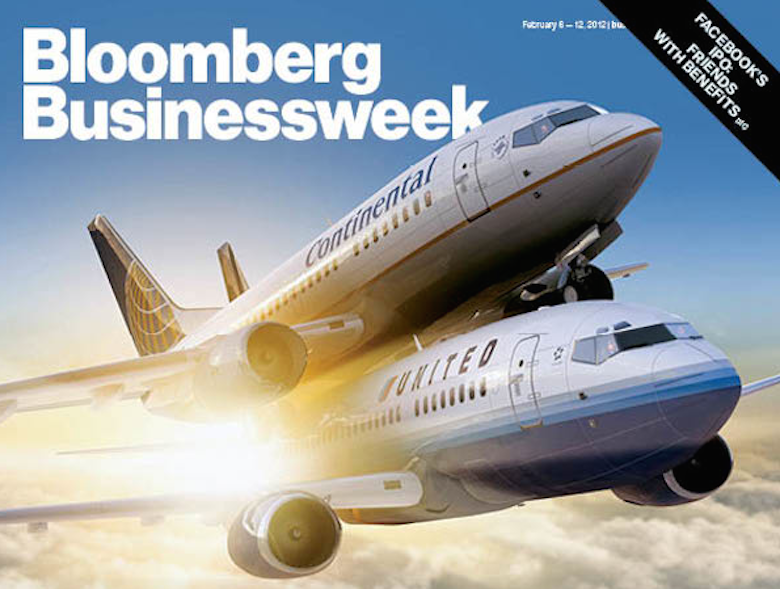
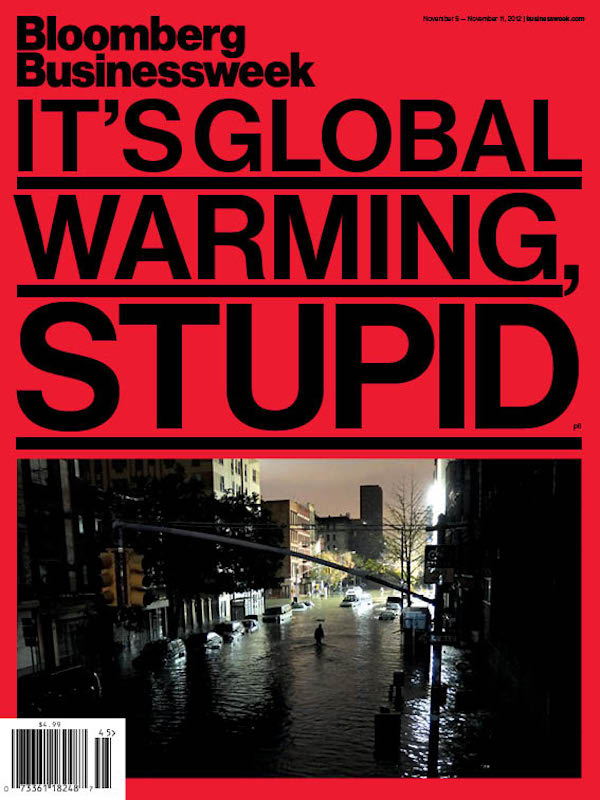
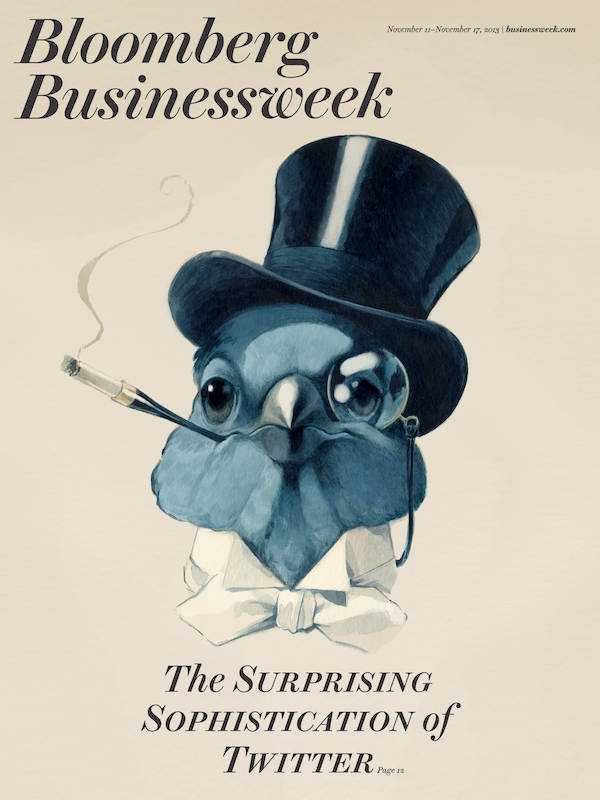
Conceptual covers made with photography instead of drawing. Under Richard Turley, Businessweek put a chart coming out of a hedge fund manager's fly, mated two planes for the United and Continental merger, and shouted at its own readers after Hurricane Sandy. Photo-illustration is a big share of the editorial commissions out there, and the concept work is identical to what you just saw drawn.
BLOOMBERG BUSINESSWEEK COVERS, 2010 TO 2013, CREATIVE DIRECTOR RICHARD TURLEY · THE HEDGE FUND MYTH, 2013 · UNITED-CONTINENTAL, 2012 · IT'S GLOBAL WARMING, STUPID, 2012 · TWITTER, 2013
Christoph Niemann
The Sunday Sketches
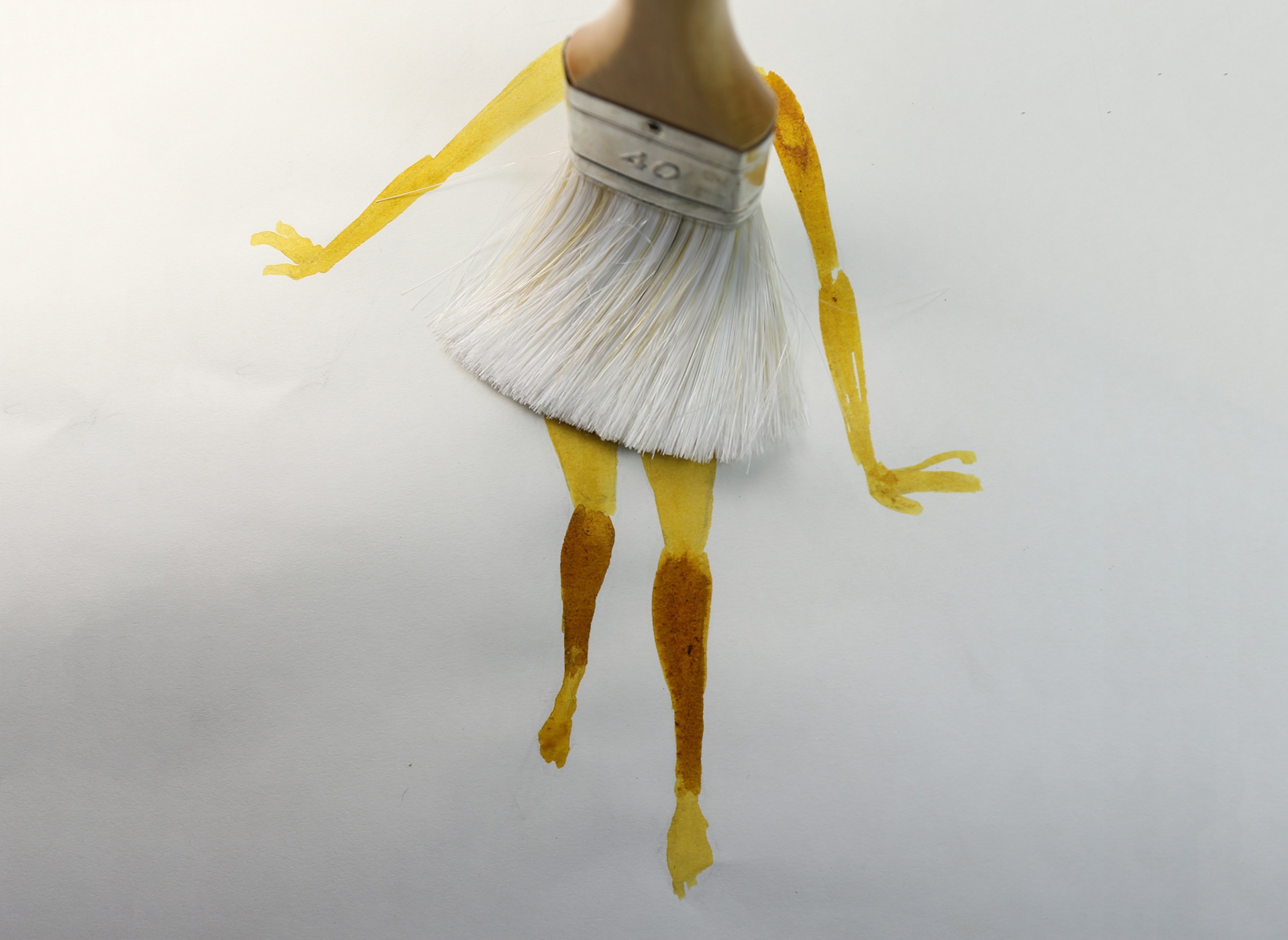
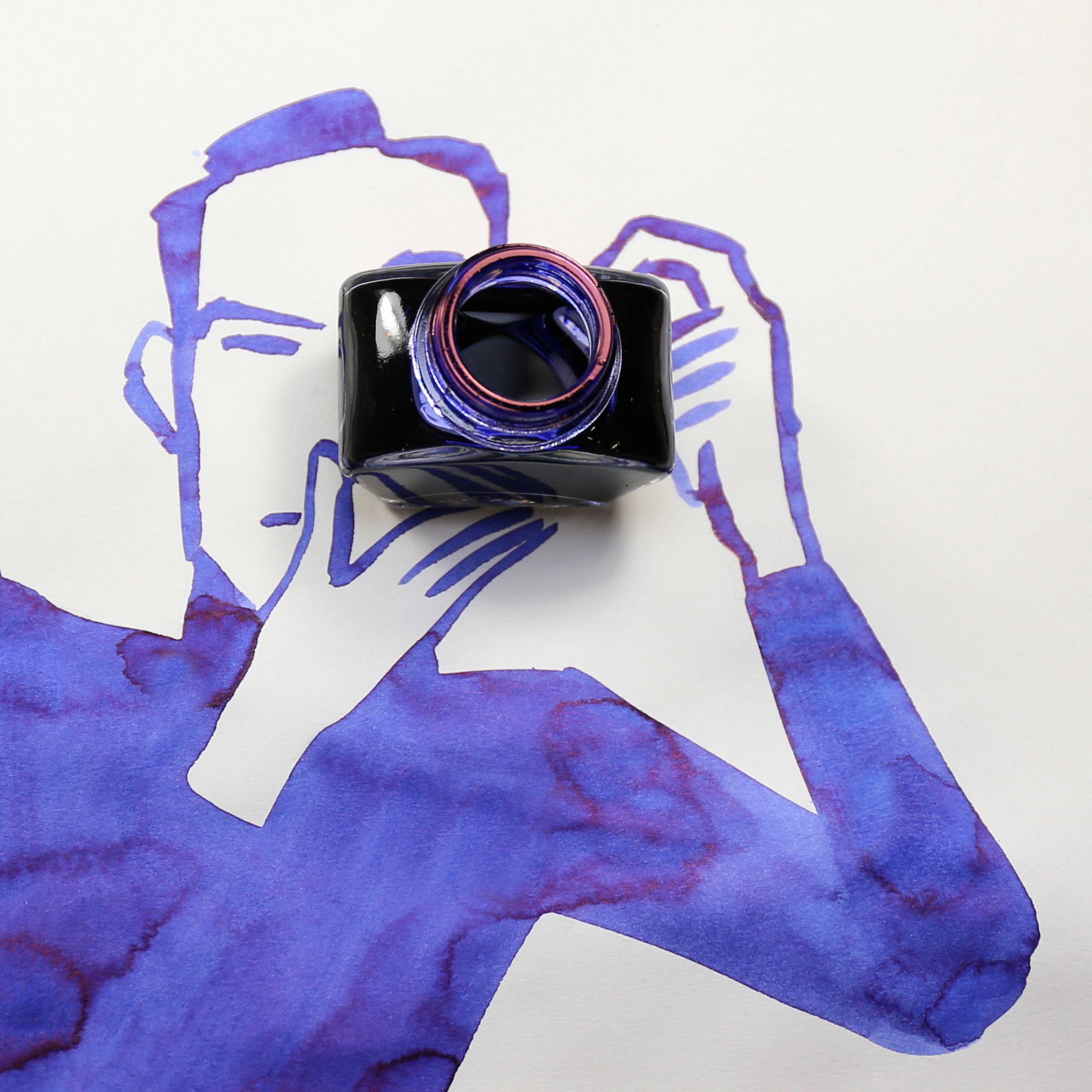
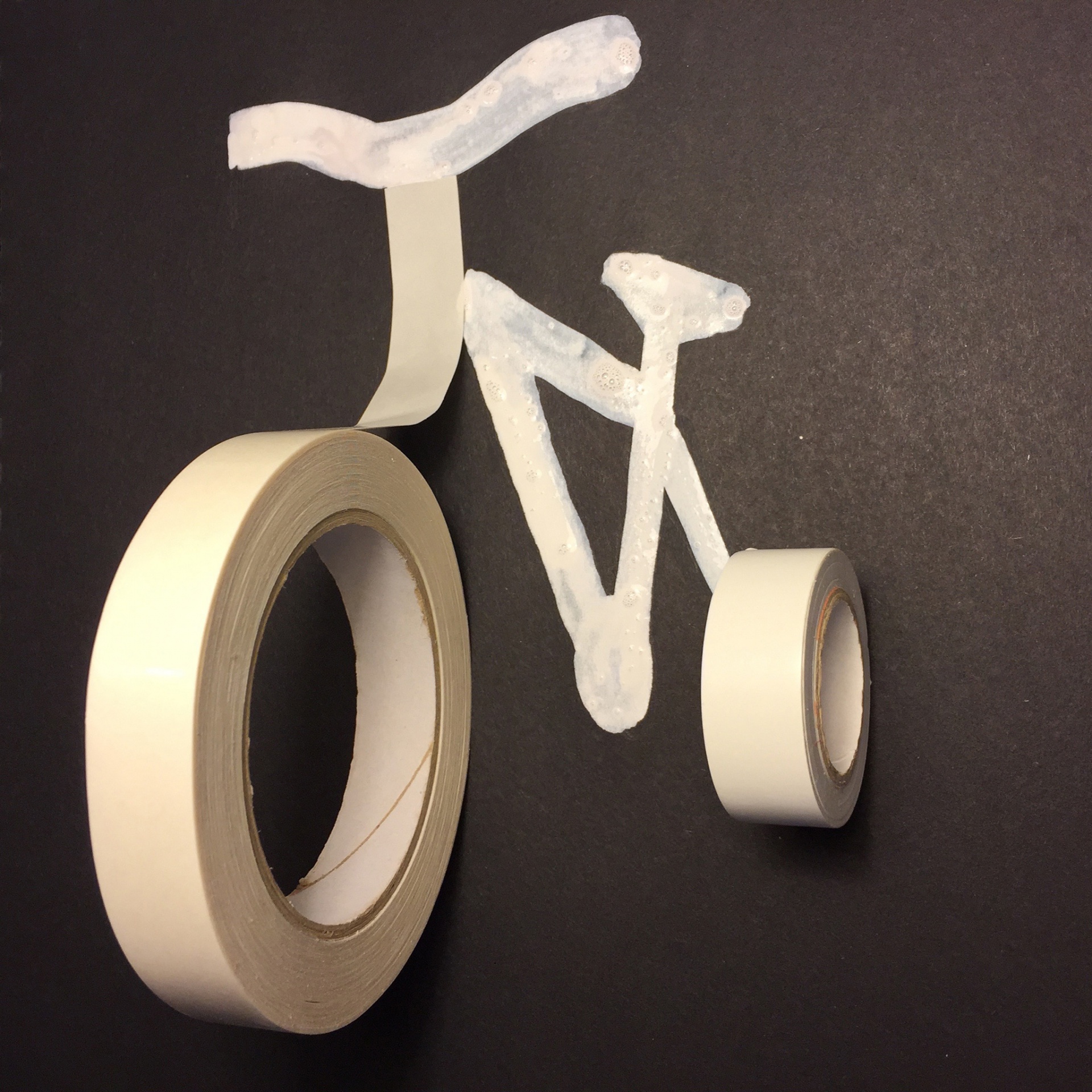
Niemann has drawn more than 20 New Yorker covers. In the Sunday Sketches he puts a real object on the table and finishes the picture with a few drawn lines, and the whole piece rides on the idea. It's a weekly exercise he set for himself to practice coming up with ideas, and anybody in this room can steal it.
CHRISTOPH NIEMANN, SUNDAY SKETCHES · CHRISTOPHNIEMANN.COM
Type 2: Data
INFOGRAPHICS AND VISUAL DATA.
CURRENTLY THE MOST COMMISSIONED TYPE IN THE FIELD.
CURRENTLY THE MOST COMMISSIONED TYPE IN THE FIELD.
Data
Newsrooms lean on data, and somebody has to draw it so readers can follow it.
Data on a news deadline
WIA 2026 shortlist

Adolfo Arranz draws for the Reuters graphics desk. Unexploded Bombs of Gaza is a piece of reporting: counts, types and locations of ordnance, drawn instead of photographed. It made the 2026 World Illustration Awards editorial shortlist.
Look up his Hong Kong work for the South China Morning Post as well: full-page drawn explainers of the city. He works halfway between illustrator and reporter; the images are drawn, but the facts behind them are sourced and captioned like any news story.
ADOLFO ARRANZ, UNEXPLODED BOMBS OF GAZA, REUTERS · WIA 2026 EDITORIAL SHORTLIST · WORLDILLUSTRATIONAWARDS.COM
Dear Data
Lupi and Posavec, 2015
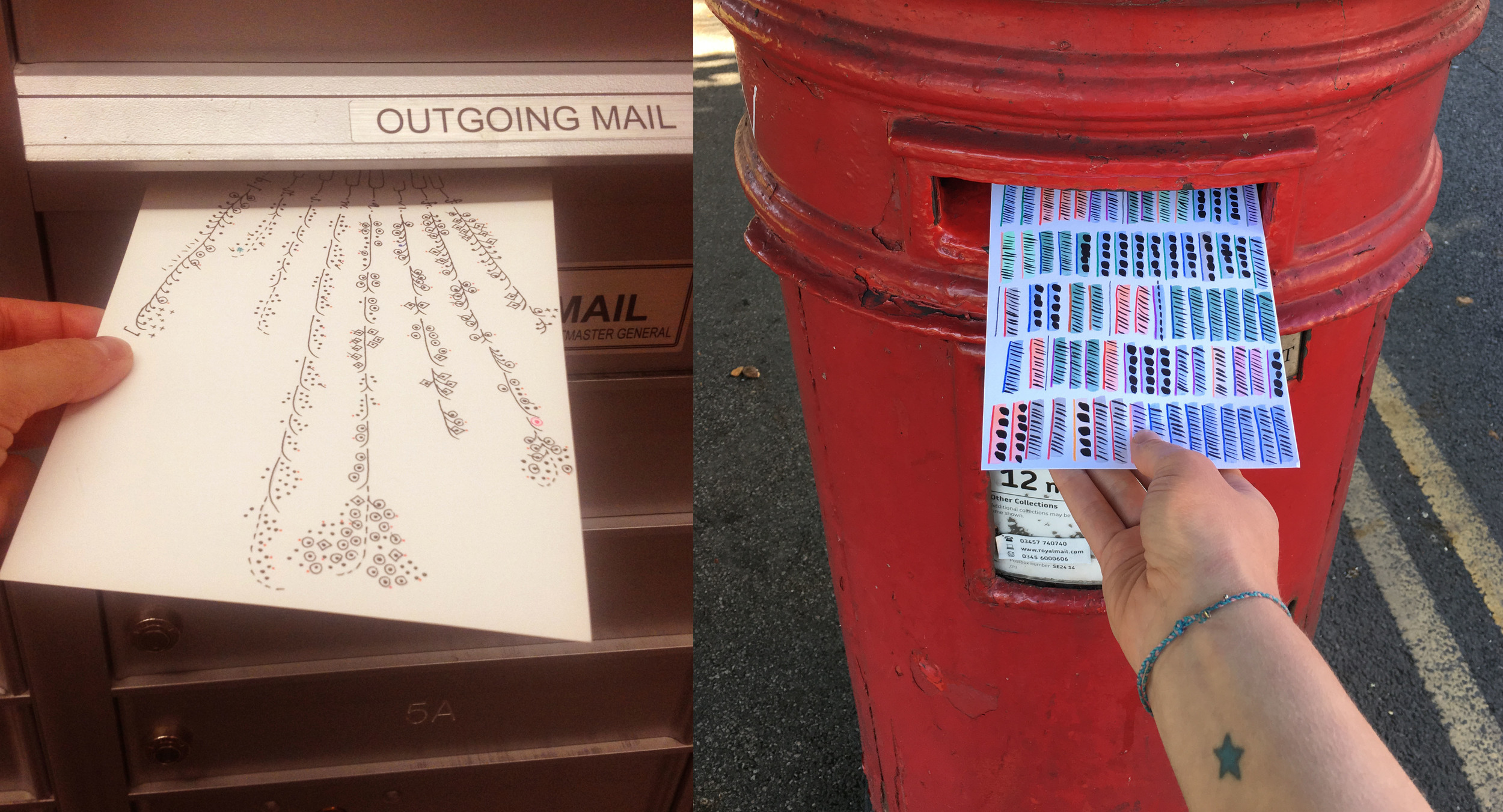
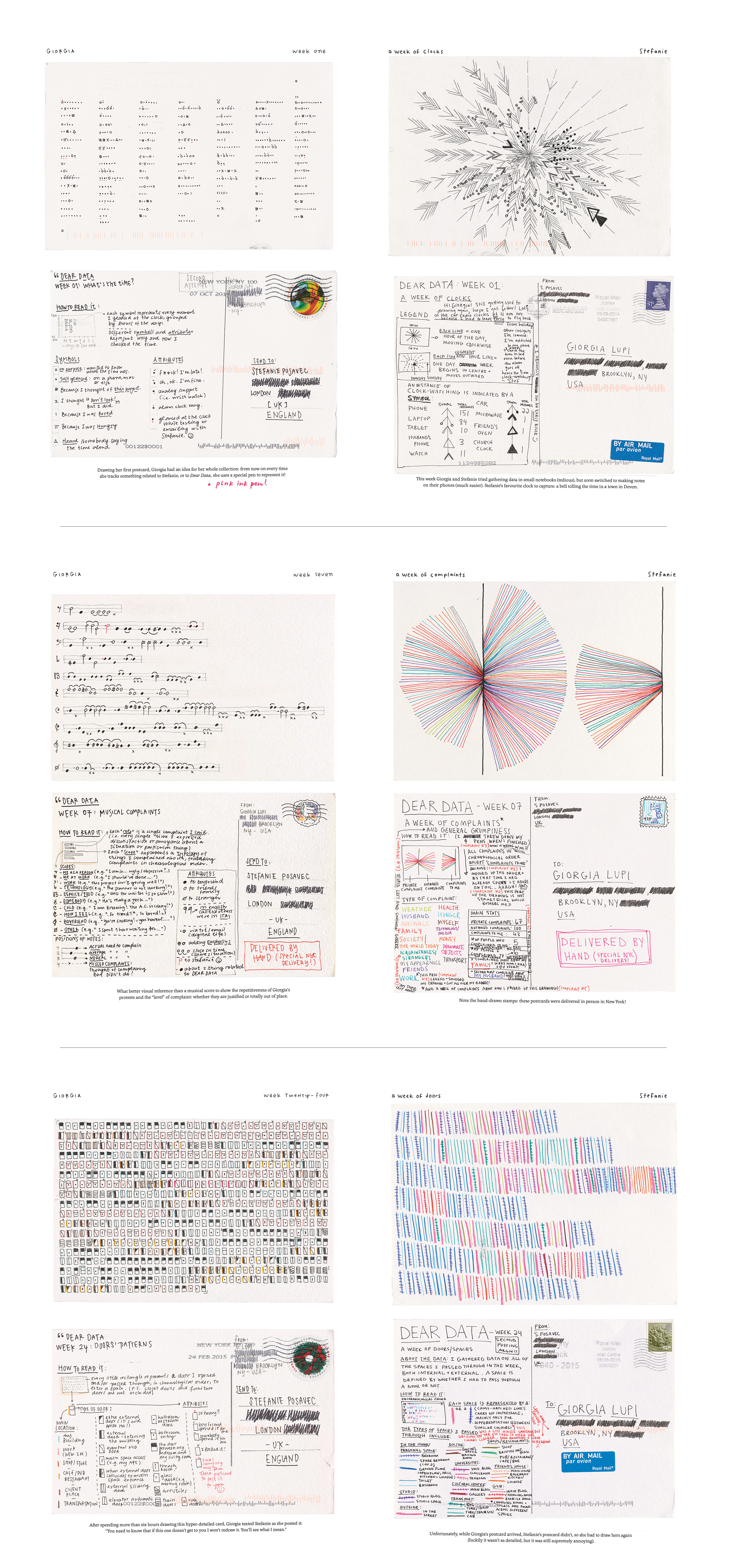
Giorgia Lupi and Stefanie Posavec spent a year mailing each other hand-drawn postcards of their own weekly data: clocks checked, complaints made, doors walked through. Every card has a drawing on the front and a hand-written legend on the back. It became a book, and then part of MoMA's collection. Data drawing doesn't have to look like a spreadsheet.
GIORGIA LUPI AND STEFANIE POSAVEC, DEAR DATA, 2015 · DEAR-DATA.COM · MOMA PERMANENT COLLECTION
Type 3: Portrait
PORTRAIT AND CHARACTER.
A LIKENESS WITH A POINT OF VIEW.
A LIKENESS WITH A POINT OF VIEW.
Portrait
A drawn portrait can say something about the person that a photo can't.
George Lois's Esquire covers
1962 to 1972
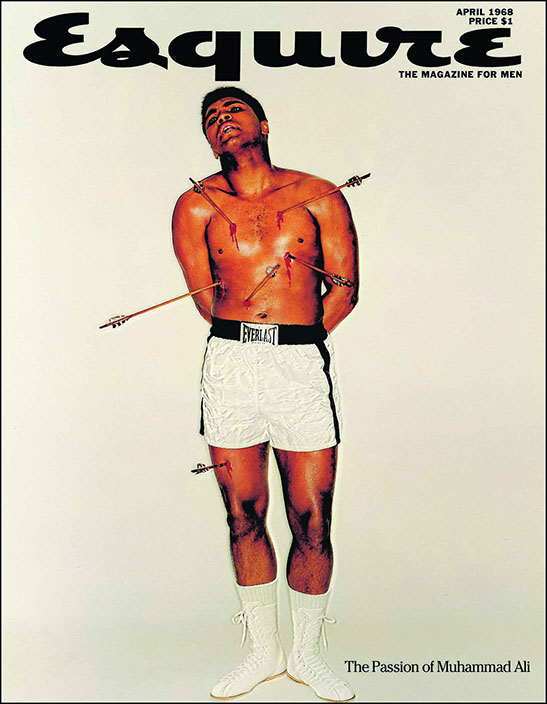
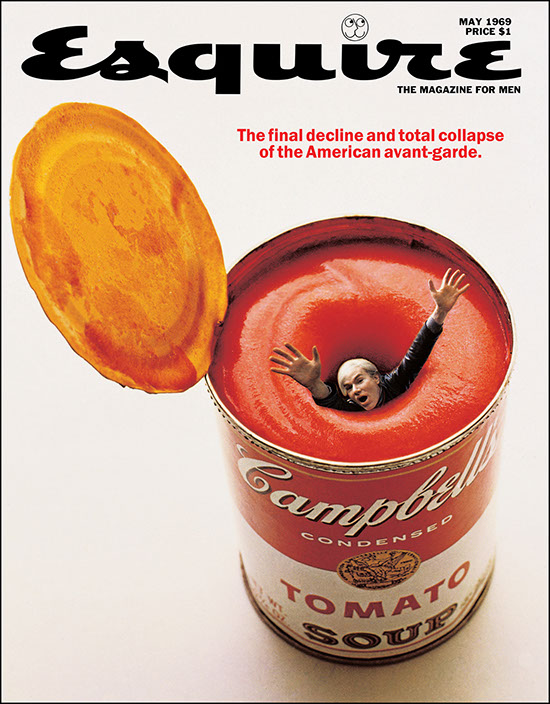
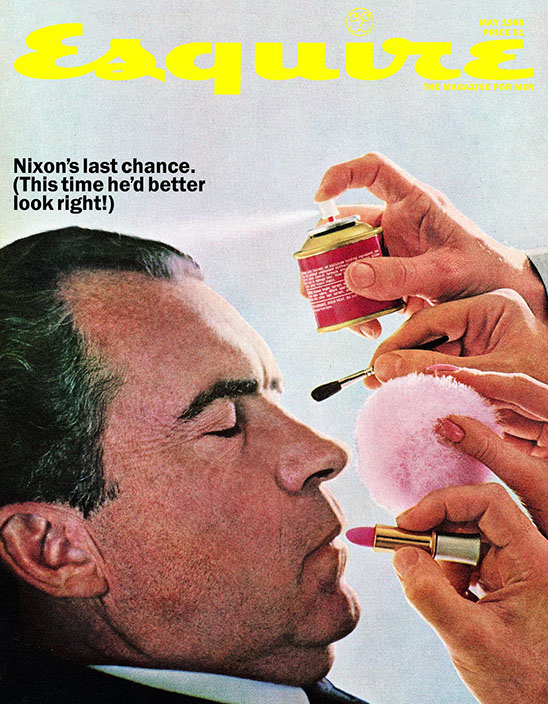
The most famous portrait covers in American magazine history are photo-illustrations. Lois staged Ali as the martyr Saint Sebastian while Ali was banned from boxing for refusing the draft, drowned Warhol in his own soup can, and put Nixon in the makeup chair. Shot by Carl Fischer, composited by hand, decades before Photoshop. MoMA holds 32 of the 92.
GEORGE LOIS WITH CARL FISCHER, ESQUIRE COVERS · THE PASSION OF MUHAMMAD ALI, APRIL 1968 · ANDY WARHOL, MAY 1969 · NIXON'S LAST CHANCE, MAY 1968 · GEORGELOIS.COM
Three portrait registers
Illustration West 57

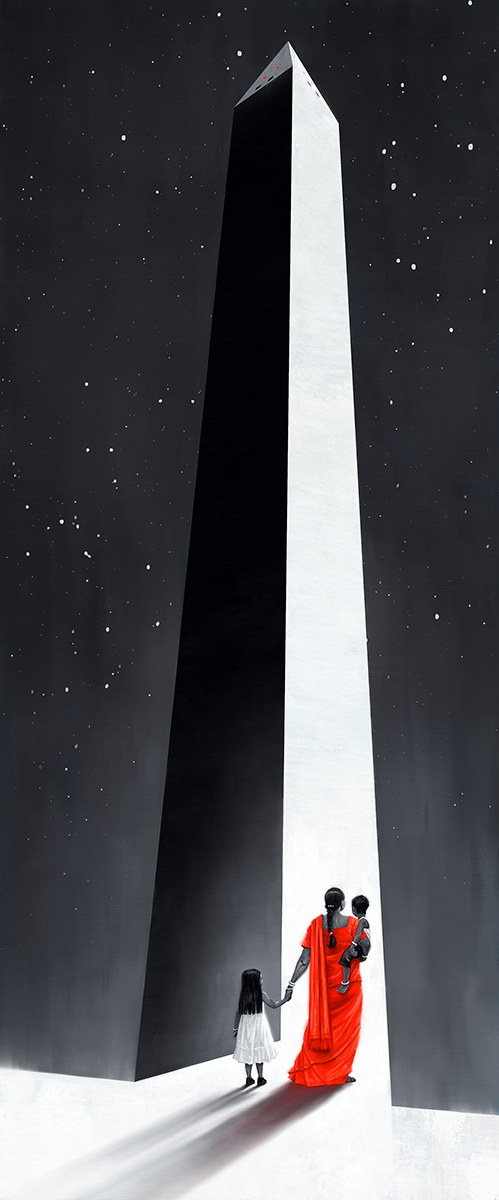

The Balbusso twins paint an author portrait that could sit on one of her book covers. Carter paints a symbolic figure for a policy piece the way you'd paint an oil portrait. Hsieh draws a reported personal story for NPR in a soft character style. Three completely different approaches to the same type, and all three of them sell.
ANNA AND ELENA BALBUSSO, TERRY MCMILLAN PORTRAIT · ROBERT CARTER, A WAY OUT OF THE IMMIGRATION CRISIS · ANGELA HSIEH, INTERNATIONAL ADOPTION, NPR · ILLUSTRATIONWEST.ORG/57
The Process
THE PART OF THE JOB THAT IS NOT DRAWING.
EVERY PIECE YOU JUST SAW WENT THROUGH THIS.
EVERY PIECE YOU JUST SAW WENT THROUGH THIS.
Commission to print
01
The brief
An art director sends the article, or a summary of it, with dimensions, deadline and fee. You read the whole piece and pull out the one idea worth drawing.
You getThe size, the deadline,
and the fee
and the fee
02
Sketches
Two to four thumbnail concepts, rough enough to change, clear enough to judge. The art director picks one and gives notes. This is the round where the client buys the idea.
You getApproval on the concept
before the labor starts
before the labor starts
03
Final
Finish the approved sketch, deliver at spec, take one round of revisions. Editorial deadlines run days, sometimes hours; op-ed work can be same-day.
You getA printed credit
and the next call
and the next call
MOST OF THE DECISIONS GET MADE IN THE SKETCH ROUND.
Where to Look
FOUR JURIED ARCHIVES, UPDATED EVERY YEAR, ALL FREE.
THIS IS WHERE THE FIELD PUBLISHES ITS OWN BEST WORK.
THIS IS WHERE THE FIELD PUBLISHES ITS OWN BEST WORK.
WORLD ILLUSTRATION AWARDS
AOI · ANNUAL
AOI · ANNUAL
What it is
The AOI's global annual, filterable by category and year
Why it's here
The 2026 editorial shortlist is live now: Sam Peet for Positive News, Aleksandra Bokova for Zeit Magazin, Gabriel Sanz for El Periodico, Andrew Rae for NYT Opinion, Lina's Alzheimer's piece. worldillustrationawards.com, editorial shortlist
Every project page includes the artist's own description of the brief and process, which makes this the most teachable archive of the four. Images page automatically; arrow up and down to move through them.
ILLUSTRATION WEST
SOCIETY OF ILLUSTRATORS LA
SOCIETY OF ILLUSTRATORS LA
What it is
The West Coast juried annual, with a dedicated editorial category
On screen: Riza Cruz for Autoweek, Federico Gastaldi for Entrepreneur, Shreya Gupta for Fast Company. Working commissions, credited to their publications. illustrationwest.org/57, editorial
Browse by category rather than by artist and you see the market: how many business stories, how many tech stories, how many personal essays get illustrated in a given year.
American Illustration
Twenty-five years of the American annual, filterable by artist, subject and publication.
Creative Quarterly
A quarterly competition that students can actually win.
Keep looking
A
The societies
Society of Illustrators (NY) runs the oldest annual in the field plus a museum; Communication Arts publishes its Illustration Annual every year. Both post winners online.
Searchsocietyillustrators.org
commarts.com
commarts.com
B
The publications
The New Yorker cover archive, the New York Times Opinion section, and The Guardian's illustrated features are commissioning at the top of the field every single week.
HabitNote the credit line
then find the artist's site
then find the artist's site
C
The illustrators
Follow working illustrators directly, through their sites and newsletters rather than a feed. Every artist named in this deck has a site with their editorial work credited to its publication.
BuildA private reference folder
sorted by the three types
sorted by the three types
TWENTY MINUTES A WEEK IN THESE ARCHIVES ADDS UP FAST.
The Pen Tool
ANCHOR POINTS AND HANDLES.
AS FEW POINTS AS THE SHAPE NEEDS.
AS FEW POINTS AS THE SHAPE NEEDS.
The pen tool · Three moves
01
Click
Each click puts down an anchor point and draws a straight line from the last one. Click points one after another and you get a shape with sharp corners.
You getA corner point
02
Click and drag
Drag as you click and two handles pull out of the point. The handles set which way the curve leaves the point and how far it bends before the next one.
You getA smooth point
03
Break the handle
Hold Option (Alt on Windows) and drag one handle. It moves on its own, so the curve can come into the point one way and leave it another.
You getA corner on a curve,
like the tip of a leaf
like the tip of a leaf
CLICK THE FIRST POINT TO CLOSE A SHAPE. PRESS ESC TO END AN OPEN PATH. THE DIRECT SELECTION TOOL (A) MOVES ONE POINT OR ONE HANDLE.
A good curve uses as few points as it can.Fewer points make a smoother line, and a file that is easier to change later.
Where the points go
At the far ends of each bend: its top, bottom, left or right edge. A point in the middle of a curve is almost always one too many.
How long the handles are
About a third of the way to the next point, pointing the way the curve is travelling. Hold Shift while you drag to keep a handle flat or straight up.
Where the corners go
Only where the shape actually breaks, like the tip of a leaf or where a stem meets a bowl.
When it wobbles
Delete a point before you add one. Then adjust the handles on the points that are left.
PRACTICE: THE BEZIER GAME, BEZIER.METHOD.AC. KEEP IT OPEN WHILE YOU WORK.
Exercise 1 · Trace three shapes with the pen tool.Place the trace sheet on a locked template layer in a Letter, portrait file. Each shape goes on its own layer.
wave
One open S-curve. 4 anchor points or fewer.
leaf
A closed shape with one corner, at the tip. 6 anchor points or fewer.
letter
A bowl and a stem, like a lowercase b, as one closed path. 8 anchor points or fewer.
Hand in
The .ai file on Blackboard before the end of class, with the layers named wave, leaf and letter and the template layer left in place.
GRADED TODAY: 2 FOR ALL THREE ON THE TEMPLATE AND AT OR UNDER THE TARGETS. 1 IF OVER TARGET, OFF THE TEMPLATE, OR THE LAYERS ARE NOT NAMED.
Before Thursday
Find one piece in these archives that you wish you had made.
See you Thursday.
CONCEPTUAL · DATA · PORTRAIT.
ONE FOUND PIECE, ONE SENTENCE, NEXT SESSION.
ONE FOUND PIECE, ONE SENTENCE, NEXT SESSION.